 Skip to content
If you're in Parker and staring at hardwood floors that look tired, scratched, or blotchy, you're not alone. A lot of homeowners notice the problem after a busy season of pets running in from the yard, chairs scraping in the kitchen, or sunlight exposing old traffic lanes that used to blend in. The floor still feels solid, but it no longer looks clean and protected.
That’s usually where hardwood floor repair and refinishing starts. Not with a dramatic collapse. Just with small signs that the finish is wearing out or a few boards need attention before the damage spreads.
Introduction to Parker Hardwood Floor Refinishing UV-Cure System and Repair Choices
In Parker, hardwood floors take a beating from daily traffic, dry air, tracked-in grit, and pet claws. Some floors only need a targeted repair. Others need a full sanding and new finish so the whole surface matches again.
The tricky part is knowing which path makes sense.
A minor stain near a patio door might call for a localized repair. Widespread dullness, shallow scratches, and worn finish across the main level usually point to refinishing. If the wear is only in the top protective layer, a lighter process may work. If the damage reaches the wood itself, the approach changes.
That decision matters because refinishing can be a strong value move. According to a 2022 study by the National Association of Realtors and NARI, refinishing hardwood floors recovers 147% of costs, compared with 118% for full replacement, and typically costs $3 to $8 per square foot in U.S. markets including Denver (NAR and NARI refinishing ROI data).
For homeowners in Parker, Castle Rock, and Denver neighborhoods with oak floors, that often means saving the floor you already have instead of tearing it out.
The other question people ask right away is timing. They want to know how long they’ll be out of the room, how strong the smell will be, and whether the dog can walk across the floor the same day. That’s where the UV-Cure System changes the conversation. Instead of waiting through a long traditional cure window, UV-curable finishes are designed for much faster use after curing.
Practical rule: If your floor has isolated damage, think repair first. If the whole room looks worn, think system-wide refinishing.
In Parker homes near Mainstreet, newer subdivisions, and older properties with red oak or mixed-species patching, the right answer usually comes from an on-site condition check, not a guess based on age alone.
Parker Hardwood Floor Refinishing UV-Cure System Repair vs Refinish Decision
Homeowners often ask one simple question. “Can this be repaired, or do I need to refinish the whole floor?”
The answer depends on where the damage sits, how much of the room is affected, and whether the color and sheen still match.
When repair makes sense
Repair is usually the smarter move when the problem is limited to a small area.
Examples include:
- Single-board damage from a leak under a plant pot or appliance
- Pet scratches concentrated near one doorway
- A dent or gouge from moving furniture
- A darkened patch where moisture sat too long
- Wax contamination or residue in one section
In a Denver red oak floor, for example, one room may only have damage near the balcony entry. If the rest of the floor still has finish left and the board thickness is healthy, a targeted repair can solve the problem without turning the whole home into a larger refinishing project.
When refinishing is the better call
Full refinishing usually makes more sense when wear is spread across the room and the finish has failed in many spots.
Look for signs like these:
- Traffic paths that are dull from one end of the room to the other
- Multiple scratches across the entire floor, not just one corner
- Uneven color from sun fade or old touch-up attempts
- Bare wood exposure where the finish has worn through
- Previous spot repairs that no longer blend
In Parker homes with open layouts, this comes up a lot because the kitchen, hallway, and family room connect visually. Repairing one patch may technically work, but the mismatch can become more obvious after the fresh area is sealed.
A simple decision checklist
Ask these questions:
- Is the damage isolated? If yes, repair may be enough.
- Has the finish worn off in many places? If yes, refinishing is usually the cleaner long-term fix.
- Will a spot repair blend with nearby boards? If no, refinishing creates a more uniform result.
- Is the floor already thin from past sanding? If yes, a lighter maintenance option may be safer than another full sand.
- Are you preparing the home for sale or lease? Consistency matters. Buyers and tenants notice patchy floors quickly.
If you can circle the damage with a few pieces of painter’s tape, repair may be realistic. If you keep adding tape across the room, the floor is probably asking for refinishing.
Some Parker homeowners also compare hardwood repair to replacing the look altogether with another surface. If you’re weighing appearance and maintenance tradeoffs, this guide to tile that resembles hardwood gives helpful visual context for spaces where homeowners consider alternatives.
Local example thinking
A floor in a Parker living room with claw marks near the back slider may only need surface correction and recoating if the finish is otherwise intact.
A floor in Castle Rock with widespread dullness, old scratches, and uneven stain color across connected rooms usually benefits from a full sanding and refinishing plan so the home looks consistent again.
The key is not to confuse visible damage with structural damage. Many ugly floors are still good candidates for restoration. Many “small” problems become bigger only because they sit too long.
Parker Hardwood Floor Refinishing UV-Cure System Types of Repairs
Not every damaged floor needs the same fix. Hardwood floor repair and refinishing works best when the method matches the problem.
Surface scratch and finish repairs
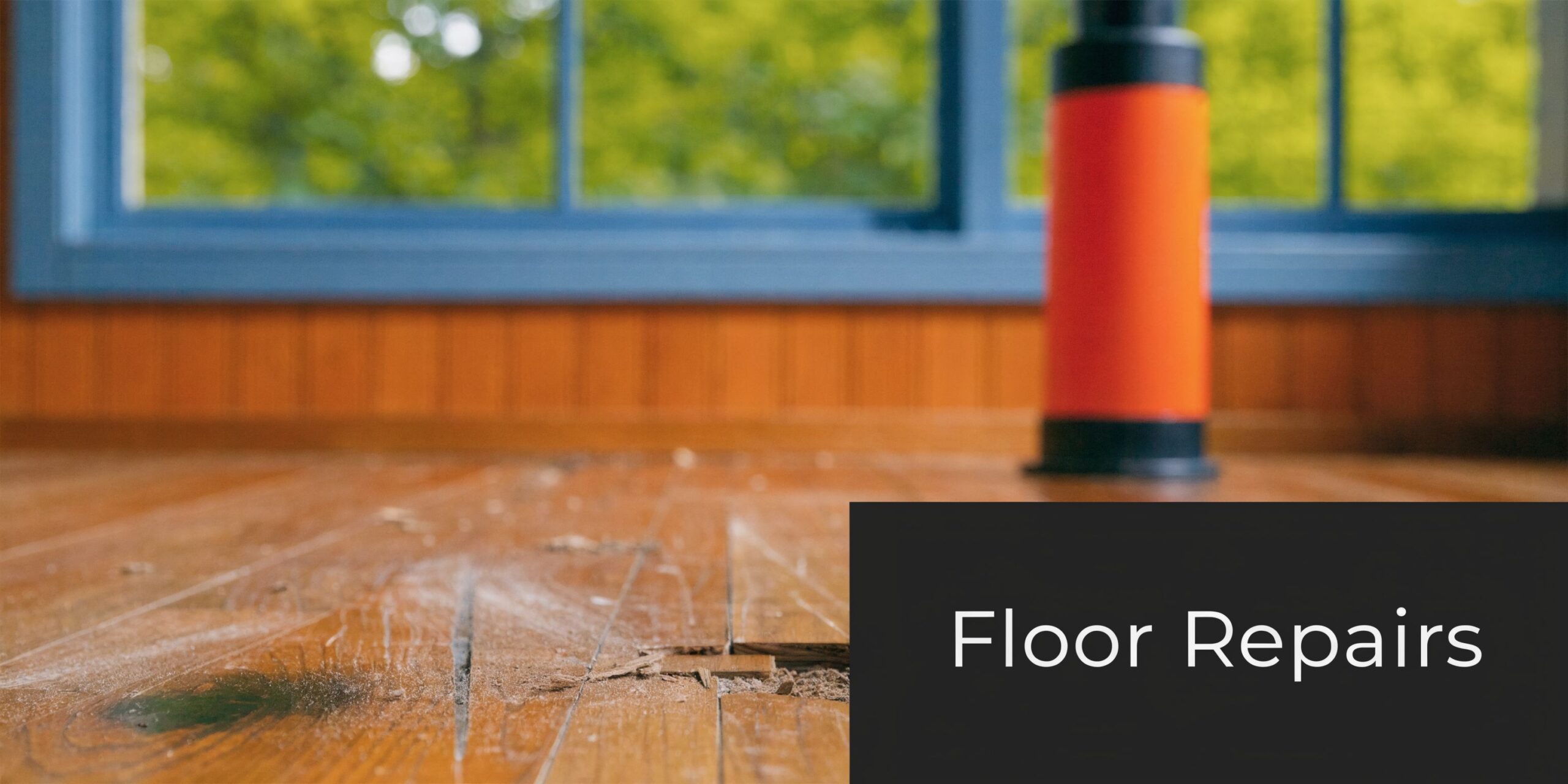
Some floors only have damage in the topcoat. The wood underneath is still sound, but the finish looks scuffed, cloudy, or worn.
That’s where a screen-and-recoat can be useful. It preserves plank thickness by removing only 0.005 to 0.010 inches of finish, restores 80 to 90% of gloss and abrasion resistance per ASTM D4060, and costs 30 to 50% less than full refinishing (screen-and-recoat technical overview).
This is often a good fit for:
- Light pet wear
- Dull hallways
- Minor surface scratching
- Floors that still have a uniform stain color
In places like Highlands Ranch, a floor with general wear but no deep gouges often responds well to this lighter reset.
Dent filling and localized correction
Dropped tools, chair impacts, and heavy furniture can leave compressed spots or isolated chips.
Those repairs may involve filling, touch-up staining, and blending the finish so the eye doesn’t jump straight to the damaged area. If the problem is localized, this can save a floor from unnecessary full sanding. For homeowners dealing with a few obvious impact marks, this guide on hardwood floor dent repair helps explain what can be blended and what may need a board swap.
Board replacement and patch repair
Some damage goes deeper than the finish.
That usually includes:
- Water-swollen boards
- Black staining that won’t sand out evenly
- Split tongues or cracked planks
- Soft sections near appliances or entry points
In a Littleton-style scenario, a leak under a pet bowl station or dishwasher can damage only a few planks. A careful board replacement keeps the repair focused, then the surrounding area can be blended to reduce the patch look.
Wax removal and contaminated floors
Older floors sometimes have products on them that interfere with adhesion. Wax, polish buildup, and residue can make a new coating fail or look fisheye.
Those floors need cleaning or wax removal before any repair or recoating happens. Skipping that step is like painting over grease on a kitchen wall. The new layer won’t bond the way it should.
A good repair doesn’t just hide the problem. It fixes the surface so the next finish layer can actually hold.
The common mistake is choosing the lightest service because it sounds convenient. A proper repair starts with identifying whether the issue is in the finish, the board, or the sub-surface moisture condition.
Parker Hardwood Floor Refinishing UV-Cure System Refinishing Process Overview
A full refinish is a controlled sequence. Each stage prepares the wood for the next one. If one step is rushed, the final floor shows it.
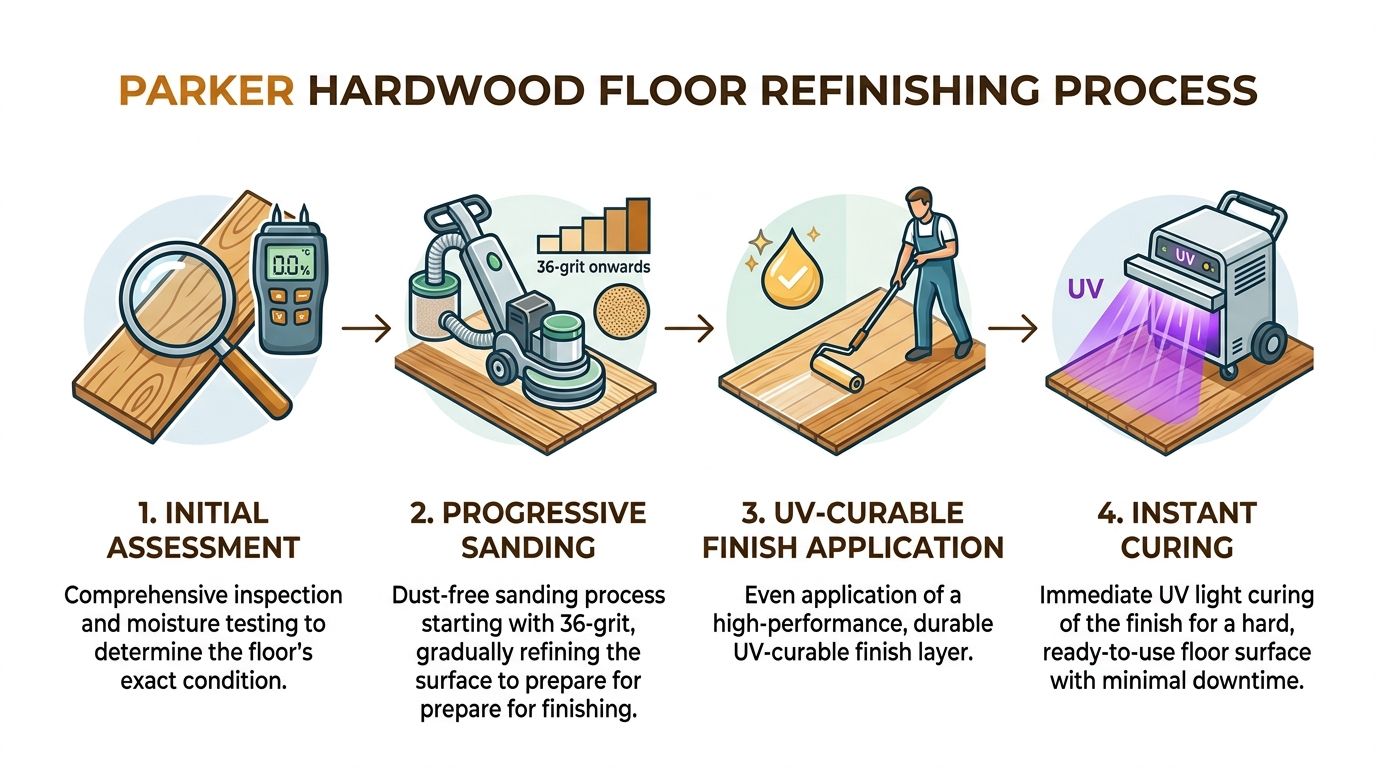
Initial assessment and moisture check
Before sanding starts, the floor should be checked for movement, prior coatings, damaged boards, and moisture concerns.
This matters in Parker because Colorado homes deal with seasonal dryness and shifting indoor conditions. A floor that looks ready for stain may still have problem areas near exterior doors, sinks, or pet accident spots.
Inspection also helps answer practical questions:
- Can damaged boards be saved or replaced?
- Is the current finish compatible with a lighter recoat?
- Will the stain color expose old patching?
- Are there waxes or contaminants that need removal first?
Progressive sanding and why grit order matters
Sanding isn’t one pass. It’s a progression.
A proper sequence moves from 36 or 40-grit to 100-grit, removing about 1/32 to 1/16 inch of wood, improving stain penetration by up to 30%, and helping prevent adhesion failures that can shorten finish life by nearly half (proper grit progression for hardwood refinishing).
The process is similar to smoothing a rough piece of cut lumber by stages. If you jump from very rough straight to very fine, the floor may still show machine marks, uneven absorption, or finish defects.
The goal is to:
- Cut through the old finish
- Flatten minor inconsistencies
- Refine the scratch pattern
- Prepare the wood for even stain and topcoat
Edge work, detail sanding, and dust control
Large machines handle the open field. Edgers and detail tools handle the perimeter, corners, and transitions.
This common problem often derails DIY refinishing projects. The center looks acceptable, but the edges turn darker, rougher, or over-sanded because the scratch pattern doesn’t match the main floor.
Dust control matters too, especially in Colorado’s dry climate. Fine dust can move into adjacent rooms and HVAC pathways if the jobsite isn’t contained well. That’s why many homeowners prefer dust-controlled workflows instead of open sanding that leaves residue everywhere.
Floor refinishing is a lot like bodywork on a car. The finish only looks smooth when the prep is smooth.
Stain and finish application
After sanding and cleaning, stain is applied if the homeowner wants a color change or refresh. Then the protective finish goes on.
This is the point where finish choice changes daily life. Traditional finishes often require a longer wait before normal use. UV-curable systems are designed for much faster return to service after curing, which matters in occupied homes, rentals, offices, and pet households.
One available option in the Denver Metro market is the Instant UV-curable finish service offered by J.R. Hardwood Floor Refinishing & Cleaning, where the coating is cured with UV light rather than left to air-cure in the traditional way.
Final cure and walkthrough
At the end, the floor should be inspected for sheen consistency, edge blending, transition appearance, and any missed repairs.
Homeowners should also leave with basic care guidance so the new finish doesn’t get damaged in the first few days by dragging furniture, using the wrong cleaner, or trapping grit under rugs.
Parker Hardwood Floor Refinishing UV-Cure System Finish Options Comparison
Finish selection affects more than appearance. It changes odor, downtime, scratch resistance, and how the floor fits your household.
For Parker homeowners with pets, rental turnovers, or commercial traffic, this choice deserves real attention.
What matters most when choosing a finish
Sheen often receives the most attention. Satin or matte versus semi-gloss. That matters, but performance matters more.
Think through these questions:
- Do you need the floor back quickly?
- Do you have dogs with active claws?
- Will tenants, clients, or kids use the space right away?
- Are you sensitive to odor?
- Do you want a traditional ambering look or a clearer tone?
For a deeper walkthrough of how instant-cure systems work in real homes, this article on UV-curable hardwood floor finish questions is worth reading.
Comparison of Hardwood Floor Finish Types
| Feature | Water-Based | Oil-Based | UV-Curable |
|---|---|---|---|
| Appearance | Clearer, natural-looking tone | Warmer, ambering tone | Clean, modern look |
| Odor | Lower odor than traditional oil finishes | Stronger odor | Often preferred when fast return and low-odor workflow matter |
| Downtime | Requires drying and cure time before full use | Usually the longest wait | Designed for immediate post-cure use |
| Scratch resistance | Good option for many homes | Familiar traditional choice | Popular for high-traffic and pet-focused situations |
| Best fit | Families wanting a water-based system | Homeowners who prefer classic ambering | Pet homes, commercial spaces, rentals, and tight schedules |
Matching finish type to the space
A Parker family with two dogs and a busy main floor usually cares most about scratch resistance and getting back into the home quickly.
A small office in Castle Rock may care less about stain tone and more about reducing downtime.
An older Boulder-style home with warm oak and traditional trim may lean toward a classic look, while a newer home near Parker’s newer developments may prefer the cleaner appearance of a water-based or UV-cured system.
The best finish isn't the one that sounds familiar. It’s the one that fits how the room is actually used.
The wrong finish often shows up later as frustration. Not because it failed completely, but because it didn’t match the pace of the household.
Parker Hardwood Floor Refinishing UV-Cure System Cost Timeline and DIY vs Professional
Cost questions usually come before color questions. Homeowners want to know what the project will run, how long the room will be out of service, and whether doing it themselves is worth the hassle.
Typical service timing
Not every floor needs the same timeline.
A light maintenance service like a screen and recoat can move much faster than a full sand and finish. A floor with stain changes, repairs, or board replacement will naturally take more coordination than a simple surface refresh.
According to one industry overview, hardwood floors usually need refinishing every 7 to 10 years under normal wear, while high-traffic or pet homes may need service every 3 to 5 years. That same source notes that professional labor can account for 80% of costs at $60 to $160 per hour (how often hardwood floors need refinishing).
That labor share is important. It explains why the cheapest bid isn’t always the cheapest outcome if the sanding sequence, repairs, or finish compatibility are handled poorly.
Cost thinking without guesswork
National and local pricing varies by floor size, repairs, stain changes, and finish system. If you want another breakdown of variables that affect pricing, this guide on cost to refinish hardwood floors is a useful reference point.
For Parker-specific service examples provided in your brief:
- Screen & Recoat starts at $2.50/sq. ft.
- Wood Floor Cleaning starts at $1.50/sq. ft.
- Wax Removal starts at $2.50/sq. ft.
- Instant UV-Curable Finish $1.5/sq. ft.
Those figures help frame maintenance and add-on services, especially for property managers and real estate preparation work.
DIY versus professional work
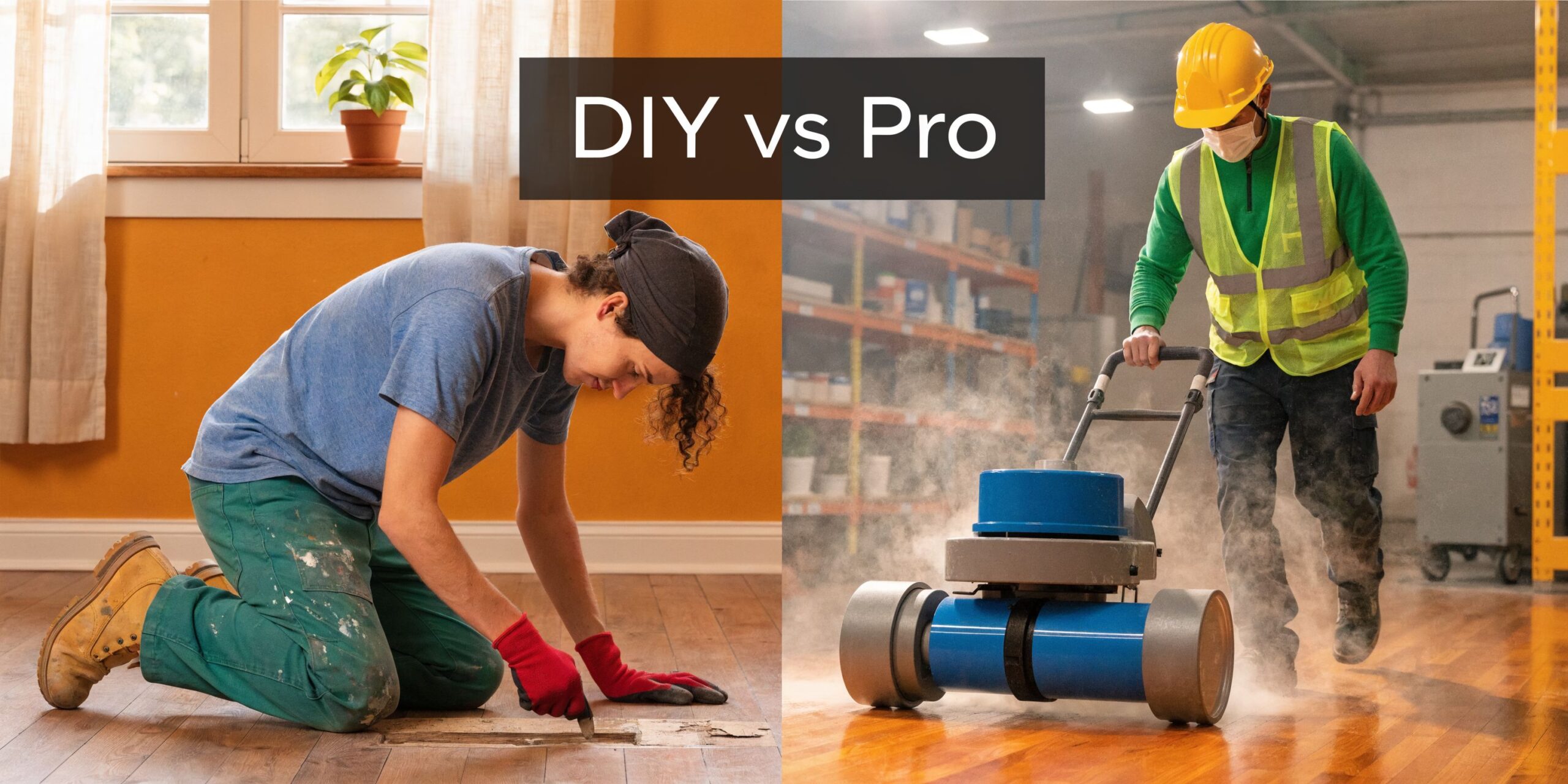
DIY sounds attractive because the labor line seems avoidable. The problem is that hardwood floor repair and refinishing is one of those trades where small mistakes stay visible.
Common DIY trouble spots include:
- Uneven sanding at edges
- Skipped grit stages
- Poor dust containment
- Stain overlap marks
- Finish adhesion issues from wax or residue
- Machine chatter or swirl marks
- Mismatch between repaired and surrounding boards
Professionals also know when not to fully sand a floor, which can be just as important as knowing how to sand one.
If you’re weighing that decision, this article on hardwood floor refinishing DIY vs professional service gives a practical side-by-side view.
Seeing the process helps
This short video gives homeowners a better feel for real floor work and what professional setup looks like in practice.
Hidden cost that homeowners notice late
The biggest missed cost is often downtime, not just materials.
If a rental sits vacant longer, a family has to stay out of major rooms, or a commercial space loses use of the floor, the schedule matters as much as the invoice. That’s why faster-return systems can make sense even when the homeowner starts by comparing only square-foot pricing.
Parker Hardwood Floor Refinishing UV-Cure System Maintenance Tips for Pets and Commercial Spaces
The finish you choose matters. The way you maintain it matters just as much.
Pet homes need a different routine
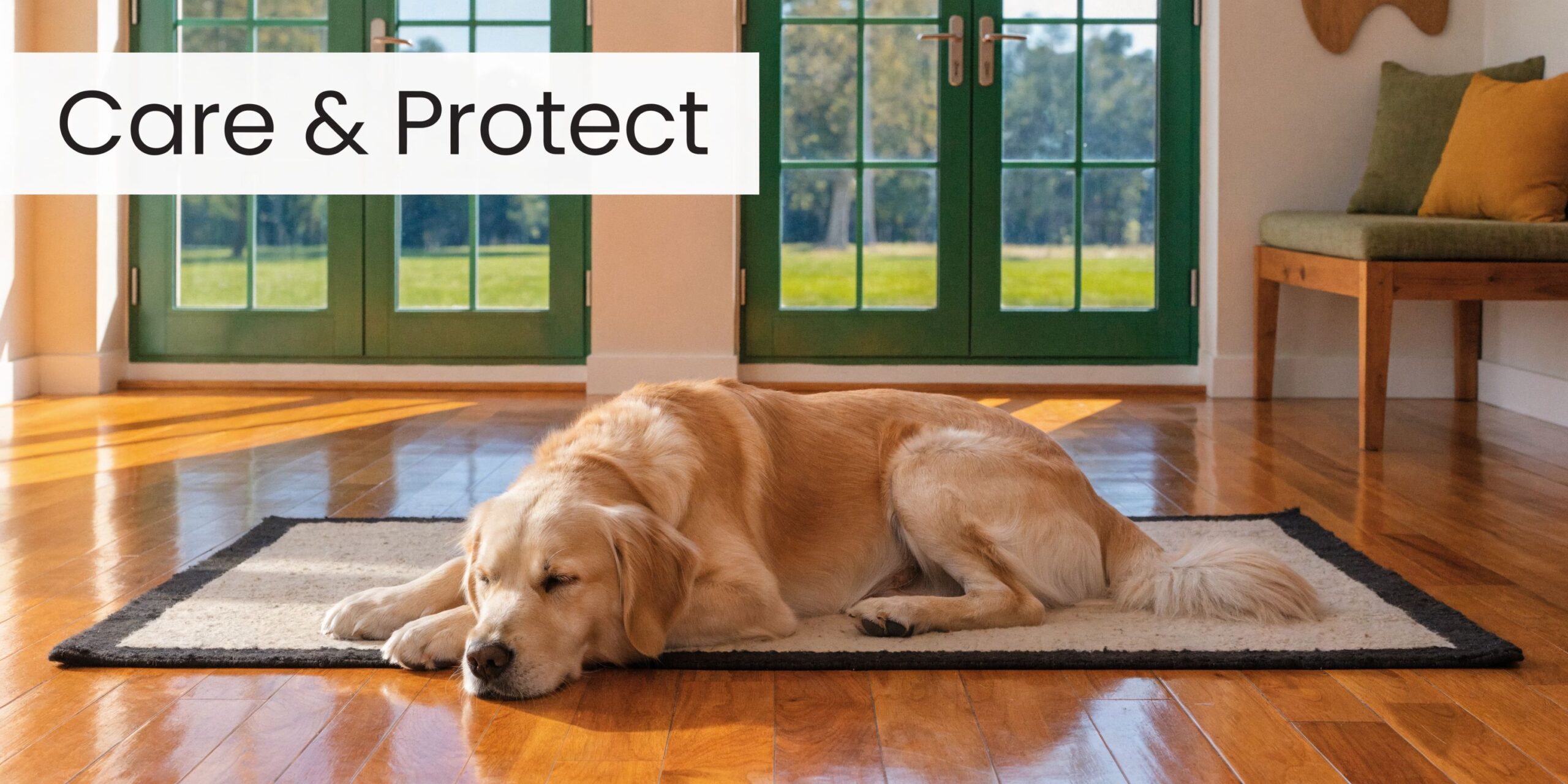
In Colorado, pet ownership is common. One verified source notes that over 60% of households have pets and that UV-curable finishes can resist claw scratches 15 to 20% longer than oil-based options, with instant hardening after cure (pet-focused UV-curable finish guidance).
That doesn’t make the floor indestructible. It means the finish is better aligned with active households.
Daily habits make the biggest difference:
- Trim nails regularly so scratching pressure stays lower
- Use entry mats to catch grit before it hits the finish
- Sweep gently and often because dirt acts like sandpaper
- Wipe spills quickly so moisture doesn’t sit in seams
- Avoid harsh cleaners that dull or soften the finish
Commercial spaces wear differently
Offices, retail suites, and lobby areas usually don’t suffer from pet nails, but they do suffer from repeated grit, rolling traffic, and chairs or furniture being moved often.
For those spaces:
- Place walk-off mats at entries and transition zones
- Use felt protection under chairs and movable pieces
- Schedule periodic cleaning before grime bonds into the finish
- Address dull lanes early before the floor wears through in strips
Maintenance timing matters
A floor doesn’t go from perfect to failed overnight.
It usually moves through stages:
- Looking slightly dull
- Losing sheen in traffic lanes
- Showing fine scratches
- Wearing through at the highest-use spots
If you act during those earlier stages, lighter maintenance services can often preserve the floor longer. If you wait until bare wood shows, the options narrow.
Clean floors last longer because grit is what does much of the daily damage, not dramatic accidents.
Colorado’s dry conditions also make indoor care important. Regular, gentle cleaning and stable interior conditions help finishes hold up more predictably than sporadic deep scrubbing with the wrong products.
Parker Hardwood Floor Refinishing UV-Cure System How to Choose the Right Contractor
Choosing a contractor for hardwood floor repair and refinishing isn’t only about price. You’re hiring judgment.
A good contractor should be able to look at a floor and explain, in plain language, whether you need a repair, a recoat, a full sand, wax removal, or board replacement. If every floor gets the same recommendation, that’s a warning sign.
Questions worth asking
Ask direct questions and listen for clear answers.
- What do you think this floor needs? The answer should fit the visible wear, not a sales script.
- How do you handle dust containment? This matters in occupied homes and shared buildings.
- Do you check for contaminants like wax or old polish? Finish adhesion depends on prep.
- What finish options do you offer for pets or fast turnaround?
- How do you handle board replacement and color blending?
- What should I expect the room to look and feel like right after completion?
What to look for in their process
A reliable contractor should talk about process, not just results.
Look for signs they understand:
- Moisture assessment
- Sanding sequence
- Edge blending
- Repair matching
- Finish compatibility
- Clear aftercare guidance
They should also be comfortable showing past work, especially in local homes with similar wood species, stain colors, and traffic patterns.
Local confidence matters
In Parker and nearby towns, homes vary. Some have builder-grade strip oak. Others have older plank floors, hand-scraped textures, or mixed repairs from past owners.
A contractor who works regularly across Parker, Castle Rock, Denver, and surrounding communities is more likely to recognize those differences quickly.
You should also check their service pages, project videos, and customer feedback before booking. Useful places to review include the main site, service details, testimonials, and project examples:
- J.R. Hardwood Floor Refinishing & Cleaning website
- Flooring services overview
- Hardwood full sanding refinishing
- Hardwood screen and recoat
- Hardwood clean and buff
- Hardwood wax removal
- Hardwood floor installation
- Customer testimonials
- See our work videos
- About the company
- Contact page
One more practical step is watching active project footage, not just polished photos. Video often tells you more about dust control, equipment, and craftsmanship than a staged after shot.
You can also view the YouTube channel here:
YouTube project videos and updates
Homeowners on Parker trust J.R. Hardwood Floor Refinishing & Cleaning to restore the natural beauty of their hardwood floors with our dust-free sanding system and advanced UV-curable finishes. Unlike traditional methods, our UV technology cures instantly, so you can move furniture back the same day with no lingering odor or downtime. Choose the perfect refinishing service to match your needs and home traffic. Our dust-free process ensures a clean, beautiful finish every time.
📞 Phone: 720-327-1127
🌐 Website: jrhardwoodfloorrefinishingandcleaning.com
📍 Service Area: Parker, Denver, Castle Rock, Littleton, Highlands Ranch, Aurora, and nearby Colorado communities.