 Skip to content
Hardwood floors don't usually look bad all at once. In a Denver home, they fade a little at the entry, get cloudy in the kitchen, and start showing traffic lanes where dust and grit keep scuffing the finish. That's when a hardwood floor cleaning machine starts to look like the simple fix.
Sometimes it is. Sometimes it isn't.
When making Denver hardwood floor refinishing decisions, the primary issue isn't whether a machine can clean wood. It's whether that machine matches your floor's finish, soil level, and moisture tolerance in Colorado's dry climate. A sealed floor with light grime needs one approach. A worn floor with scratched finish, wax buildup, or dull gray traffic lanes needs a different one. And if the finish is already compromised, the wrong machine can turn a maintenance problem into a repair problem.
That's where homeowners get tripped up. A machine that works fine on tile or vinyl can be risky on hardwood. Heat, water, aggressive pads, and too much down pressure all create problems that don't show up until the floor starts cupping, hazing, or wearing unevenly. If you're weighing machine cleaning against Denver hardwood floor refinishing and an UV- Cure System, the safest path is understanding the trade-offs before you put anything wet or abrasive on the floor.
Is a Hardwood Floor Cleaning Machine Your Best Bet?
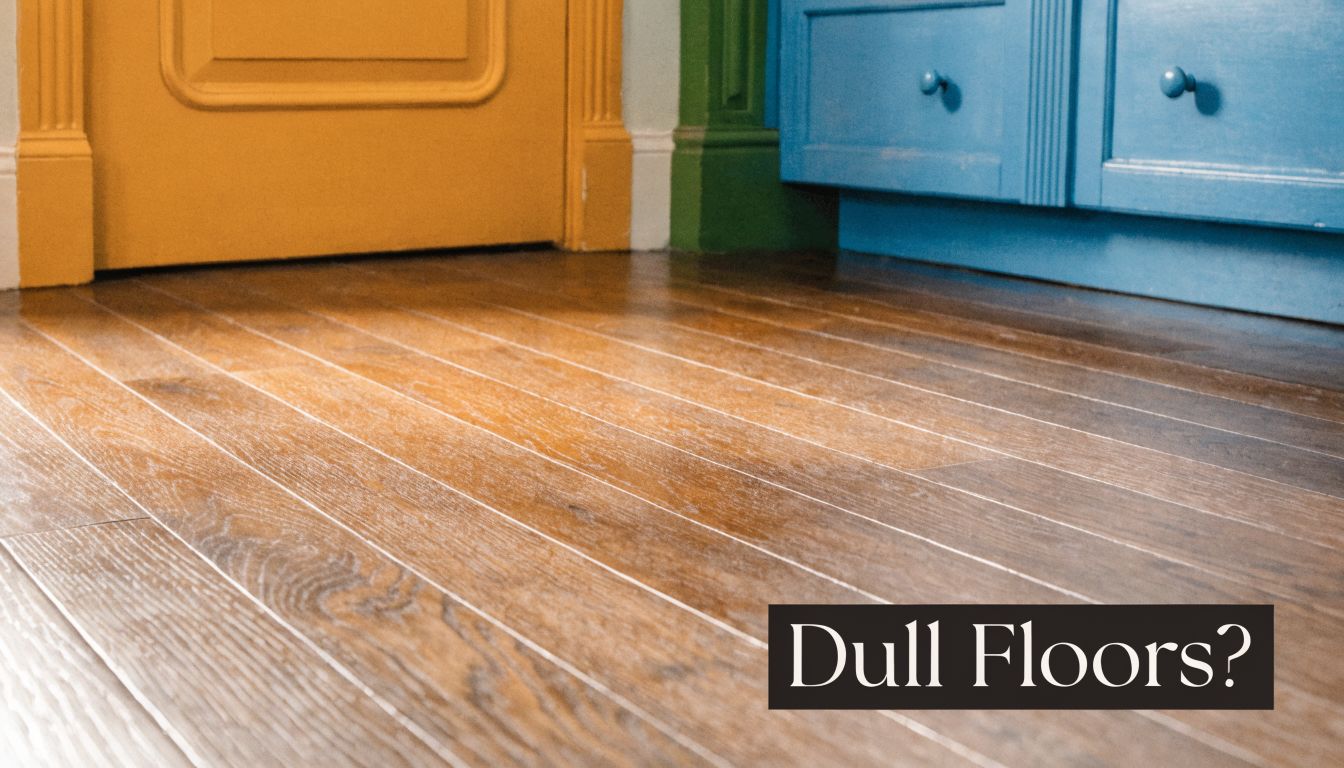
A hardwood floor cleaning machine can be useful when the floor is sealed, structurally sound, and dirty. That's the key distinction. Cleaning machines remove soil. They don't rebuild finish, erase deep scratches, or correct wear-through.
In older Denver neighborhoods like Wash Park, Park Hill, and Bonnie Brae, many homes have hardwood with a long maintenance history. Some floors have modern water-based finish. Some have older coatings. Some have residue from past polish products or wax-like treatments. On those floors, the machine matters less than the diagnosis.
Where machines help
A good machine can make sense when you're dealing with:
- Tracked-in dirt: Fine grit at entries and hallways that regular sweeping doesn't fully remove.
- Sticky residue: Light kitchen film, pet traffic, or cleaner buildup on sealed wood.
- Surface dullness: Floors that still have finish, but need a controlled scrub and extraction.
Electric floor machines have been evolving for a long time. The development of electric-powered hardwood floor cleaning machines started in the early 1900s, and early swing machines put weight directly on the brush but were hard to control. By the 1980s, machines running at 1,500 to 2,000 RPM with improved pads and finishes changed hardwood maintenance significantly, according to this history of flooring machines.
Where homeowners get into trouble
The biggest mistake is assuming “hard floor” means “hardwood safe.”
Practical rule: If a machine relies on heat, standing moisture, or aggressive pad pressure, it can damage wood even if the box says it cleans multiple floor types.
A second mistake is using cleaning to delay restoration. If your floor has finish loss, blackened edges, pet staining, gray exposed grain, or deep traffic wear, a machine won't solve the underlying issue. That's where Denver hardwood floor refinishing becomes the more honest answer, especially if you want the durability and fast return to service that a UV- Cure System offers.
Comparing Hardwood Floor Cleaning Machine Types
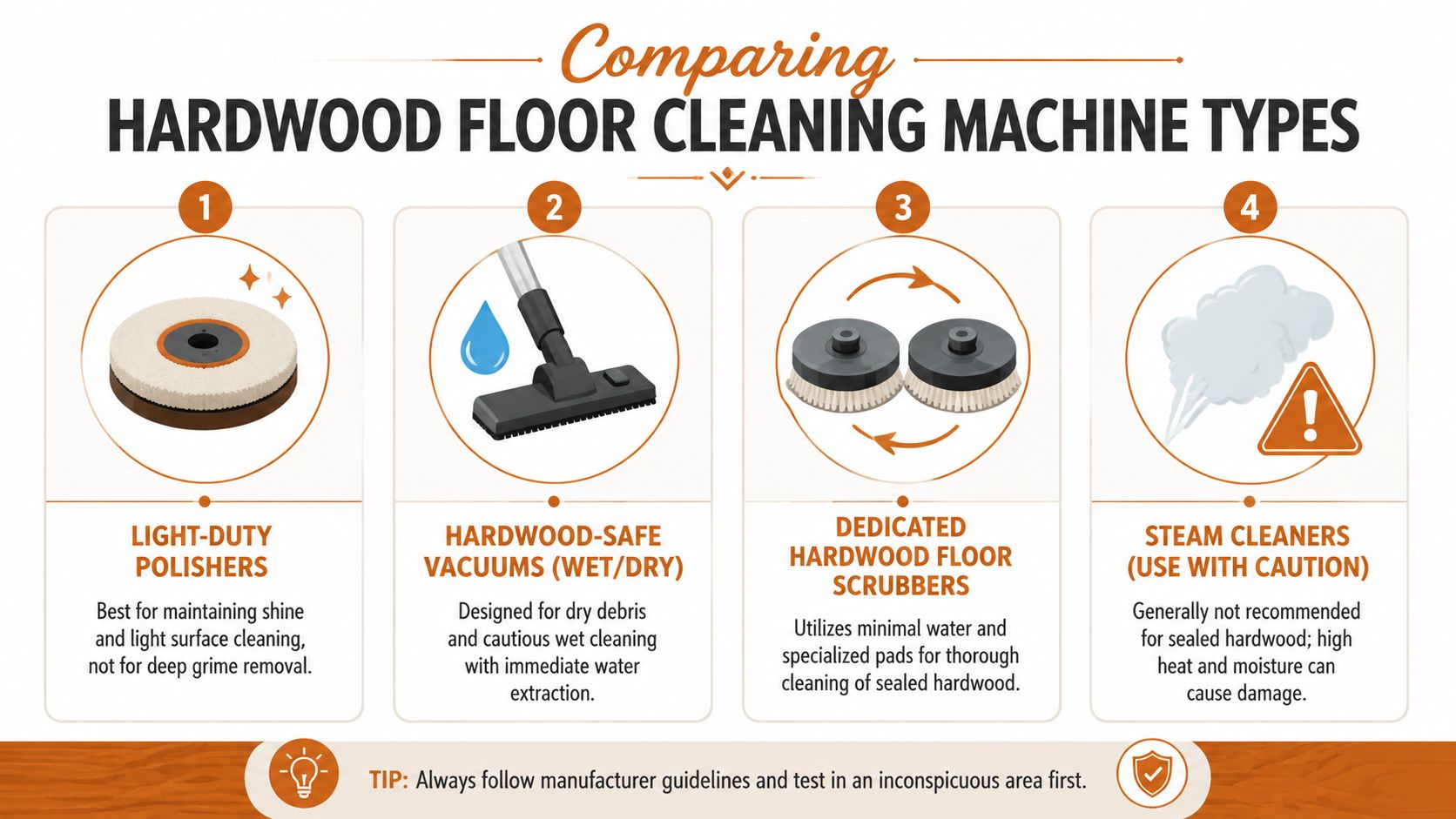
The phrase hardwood floor cleaning machine covers very different tools. Some only buff. Some scrub and extract. Some add more risk than value.
Four machine types homeowners usually consider
Light-duty polishers
These are the closest cousins to older buffing machines. They're usually meant for surface shine and mild agitation, not heavy soil removal. They can help on a floor with intact finish, but they won't pull out deep grime on their own.
Their weakness is that many homeowners pair them with the wrong pad or too much cleaning solution. Once that happens, you stop polishing and start abrading.
Hardwood-safe wet and dry vacuums
These are built to pick up dry debris and handle limited wet cleaning with immediate extraction. On sealed hardwood, this category is generally safer than a traditional mop because it removes dirty liquid instead of pushing it around.
They're useful for routine upkeep, especially in homes with pets, kids, or frequent entry traffic from outside.
Dedicated hardwood floor scrubbers
These are the machines that come closest to professional maintenance equipment. They use controlled moisture, specialized pads or brushes, and suction to clean without soaking the wood. For a sealed floor that has lost clarity from embedded grime, this type usually has the best risk-to-reward balance.
If you're comparing consumer and pro-level equipment, the practical difference comes down to control, extraction, and calibration. This roundup of wood floor buffing machines and machine styles is useful if you want to see how machine categories differ.
Steam cleaners
These are the most overused and the most misunderstood on wood. Steam and hardwood don't make a good pair. Heat and moisture can stress the finish and push moisture into vulnerable joints, board edges, or worn areas.
Even when the floor looks dry afterward, the risk isn't worth it on most hardwood.
Hardwood Floor Cleaning Machine Comparison
| Machine Type | Best For | Safety on Sealed Hardwood |
|---|---|---|
| Light-duty polishers | Light surface buffing and shine maintenance | Safe only with the correct pad and careful technique |
| Hardwood-safe vacuums wet and dry | Routine cleaning with controlled moisture pickup | Generally safe when used on sealed floors |
| Dedicated hardwood floor scrubbers | Deeper cleaning of sealed floors with embedded soil | Best option among machine types when moisture is controlled |
| Steam cleaners | Sanitizing hard non-wood surfaces | Use with caution, generally not recommended for hardwood |
Older machines were heavier, harder to control, and rougher on finishes. Modern hardwood cleaning equipment is better, but only when the machine's design matches the floor's condition.
For Denver hardwood floor refinishing homeowners considering an UV- Cure System later, this comparison matters because the wrong machine can wear down finish you may otherwise have preserved with a clean and buff or screen and recoat.
Which Machines Are Safe for Sealed Hardwood Floors?
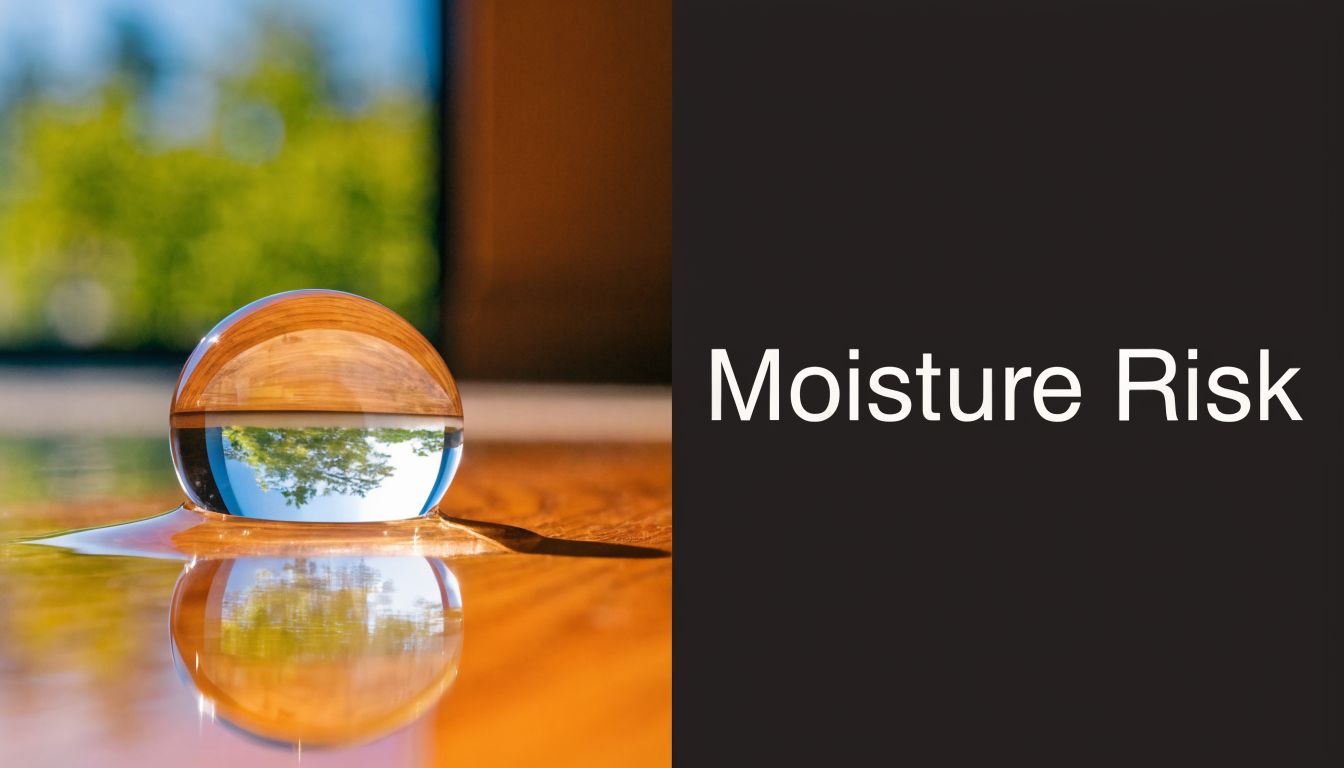
A Denver homeowner sees dull traffic lanes, rents a machine, and assumes any “hard floor” setting is safe. That is where sealed hardwood gets into trouble. The finish may repel light moisture, but it does not forgive excess water, heat, or aggressive pads, especially in Colorado's dry climate where boards already expand and shrink with the seasons.
The safest machine for sealed hardwood uses low moisture, recovers dirty solution quickly, and keeps agitation gentle. Machines built for tile often miss on at least one of those points. They scrub too hard, leave more water behind, or both.
What safe equipment has in common
Safer machines for finished wood usually share the same design features:
- Dual tanks: Clean solution stays separate from recovered soil and dirty water.
- Controlled solution feed: The machine lays down a light, consistent amount instead of soaking the floor.
- Strong pickup: Moisture is removed quickly, before it can settle into seams, bevels, or worn spots.
- Soft brushes or non-abrasive pads: The goal is soil removal, not finish removal.
- A hardwood setting or hardwood-specific design: That usually means lower water output and lighter contact with the surface.
For routine maintenance, homeowners should still start with the basics in a Denver hardwood floor cleaning checklist before bringing in any machine.
Machines that are usually the safest bet
Dedicated hardwood floor scrubbers and hard-floor machines with low-moisture recovery are usually the safest options for sealed wood. They are built to clean the finish, not saturate the floor.
Light-duty polishers can also be safe, but only in the right hands and only with the right pad. I see problems when homeowners assume a polishing machine is automatically gentle. A soft white pad on a clean floor is one thing. A more aggressive pad on a dusty floor can scuff the finish fast.
Where the risk shows up
Water is the first problem. Abrasion is the second.
If a machine leaves visible moisture sitting on the floor, it is already outside the safe zone for many hardwood floors. The risk gets worse around board edges, vents, kitchen sink runs, pet spots, and any area where the finish is thin.
Abrasion can be harder to catch at first. The floor may look cleaner right away, then a week later the sheen looks uneven and traffic paths turn cloudy. On satin and matte finishes, that damage stands out quickly.
If the floor has open joints, gray wear paths, peeling finish, or dark staining at the seams, skip machine cleaning and get the floor evaluated first.
That is the actual risk versus reward question for Denver homeowners. A rental machine can save money if the floor is fully sealed and you use it conservatively. If the finish is already compromised, DIY machine cleaning can turn a simple deep clean into a much more expensive screen and recoat, or even refinishing.
A Step-by-Step Safety Guide for DIY Machine Use
If you're going to use a hardwood floor cleaning machine yourself, keep the process conservative. Most DIY damage doesn't come from one dramatic mistake. It comes from a series of small ones. Too much cleaner, the wrong pad, one extra pass, and then repeating that over the whole room.
Commercial-grade scrubbers use adjustable brush pressure of 5 to 25 psi and speeds of 150 to 600 RPM to avoid overheating the finish. That matters because the wrong pressure or pad can create significant finish wear in just a few cycles, as noted by Tennant's scrubber equipment information.
Follow this order
Confirm the floor is sealed If water darkens the wood or disappears quickly in a hidden spot, don't machine clean it. Unsealed or compromised wood should stay on the dry side.
Vacuum first
Grit is what turns a pad into sandpaper. Remove loose debris before any damp cleaning starts.Use a hardwood-specific cleaner
Stick with a pH-neutral product intended for finished wood. Avoid homemade solutions, harsh degreasers, and anything that leaves shine additives behind.Choose the least aggressive pad
Start soft. If the floor doesn't respond, don't jump straight to a rougher pad. That's usually the moment DIY cleaning starts taking finish off.Spot test in a low-visibility area
Try the machine under a bed, in a closet edge, or behind furniture. Let it dry fully and inspect for haze, streaking, or sheen change.Keep the machine moving
Don't park it in place. Dwell time creates heat and concentrates moisture.
What to check after the test
- Look across the floor in side light: Sheen changes are easier to see at an angle.
- Feel the surface with a clean hand: Sticky residue means the cleaner is wrong or overapplied.
- Check edges and seams: If moisture is collecting there, stop.
A useful companion resource is this floor cleaning checklist for Denver homeowners. It helps you catch the basic maintenance issues before they turn into finish problems.
DIY vs Pro Cleaning in Denver The Real Cost
A consumer machine often feels cheaper because the first payment is lower and more visible. Long-term floor care doesn't work that way.
A total cost of ownership analysis shows that an entry-level machine priced at $200 to $500, plus supplies and possible repairs, can total $800 to $1,200 over five years. By contrast, annual professional cleaning can extend floor life by 5+ years, making it the smarter long-term investment when it prevents damage that a consumer machine can't fix, based on this video breakdown of machine ownership versus professional care.
5-Year Cost Comparison for a 500 sq. ft. floor
| Cost Factor | DIY Machine | Professional Service (J.R. Hardwood) |
|---|---|---|
| Upfront cost | Purchase of machine | No machine purchase |
| Ongoing supplies | Pads and cleaning solutions | Included with service scope |
| Repairs or replacement | Possible over time | Not your responsibility |
| Risk of user error | High if wrong pad, moisture, or technique is used | Lower because the process is matched to the floor |
| Long-term floor protection | Limited to maintenance cleaning | Can support longer floor life with correct service timing |
A Denver example that matters
Take a 500 sq. ft. main level in a Wash Park bungalow. On paper, buying a machine looks practical. In reality, old finishes, seasonal dryness, tracked-in grit, and years of layered cleaning products make those floors unpredictable.
If the issue is light soil, a machine may help. If the issue is residue, wax contamination, finish wear, or uneven traffic lanes, homeowners usually spend money cleaning around the primary problem. That's when costs stack up. Machine purchase. Solutions. Pads. More time. Then a service call anyway.
For comparison, J.R. Hardwood lists wood floor cleaning starting at $1.50 per sq. ft., screen and recoat starting at $2.50 per sq. ft., and wax removal starting at $2.50 per sq. ft. These price points make the decision clearer when the floor needs more than routine maintenance.
What DIY usually misses
The most expensive part of DIY isn't the machine. It's using the wrong process on a floor that needed a different service from the start.
That's especially true with wax removal. A machine doesn't tell you whether the floor has old polish buildup that will interfere with recoating. A pro checks adhesion risk before recommending the next step.
If you're comparing household maintenance spending more broadly, a general cleaning service pricing guide can help frame how service costs are usually built. It isn't specific to hardwood restoration, but it's useful for understanding how labor, frequency, and specialty work affect pricing.
For more on where professional floor care makes financial sense, this overview of the benefits of professional floor cleaning is worth reading before you buy another machine.
When to Choose Professional Hardwood Floor Refinishing with a UV-Cure System
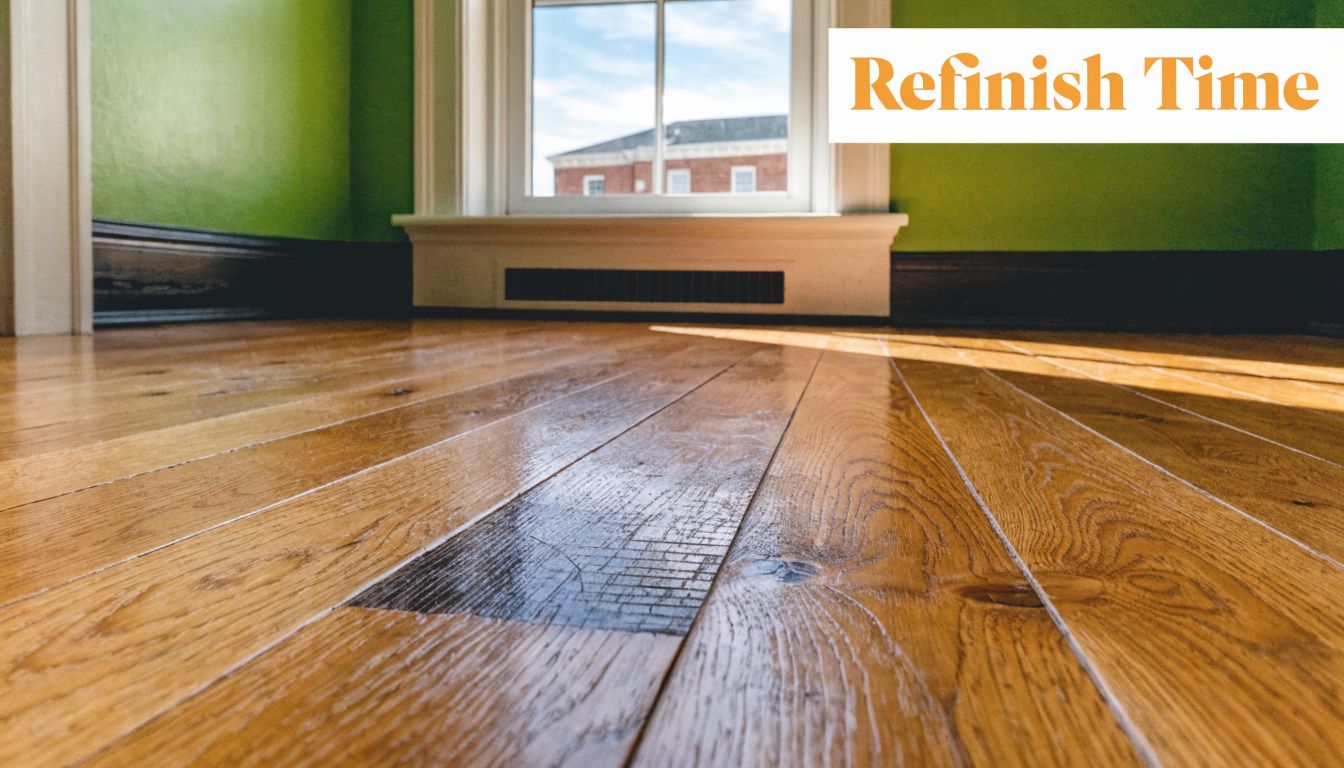
A hardwood floor cleaning machine has a limit. Once the finish is failing, cleaning becomes cosmetic.
You're past the machine stage when the floor shows worn-through traffic paths, deep scratches, faded board centers, gray areas, or spots that stay dull no matter how carefully you clean them. In those cases, the floor needs either a screen and recoat or full sanding and refinishing.
Screen and recoat or full sanding
A screen and recoat works when the floor still has finish, but that finish is scratched, dull, or tired. The surface is lightly abraded, then a new coat is applied. It freshens appearance and restores protection without taking the floor down to bare wood.
Full sanding is the right move when the finish is gone in places, contamination is severe, or the wood itself needs correction. That's the service for floors with deeper wear, stain issues, and old damage that cleaning can't touch.
A good example is a faded red oak floor in an older Denver home where sun, traffic, and previous spot repairs left the sheen uneven across the room. No cleaning machine can make that floor uniform again. Restoration can.
Why UV-cure changes the equation
Key innovations such as the 1947 vacuum-equipped power sweeper and the 1978 walk-behind scrubber helped shape modern floor care, and that evolution leads to professional deep scrubbers and an instant UV-Cure System that maximize cleaning effectiveness while minimizing water and chemical use, as described in this U.S. floor cleaning equipment market overview.
The practical advantage for homeowners is simple. Traditional finishes require downtime. UV-curable systems harden immediately after curing, which makes them appealing in busy homes, occupied properties, and homes with pets.
For Denver hardwood floor refinishing, an UV- Cure System makes the most sense when you want restoration and fast use of the space. It's also a strong fit for property managers, real estate prep, and families who don't want the house out of commission for days.
Frequently Asked Questions About Hardwood Floor Care
Is a clean and buff the same as a screen and recoat
No. A clean and buff is a maintenance service for floors that still have a sound finish but need deeper cleaning and improved appearance. A screen and recoat adds a new protective coat after the surface is prepared.
Can a hardwood floor cleaning machine remove scratches
Only very light surface marks, and even then results vary. Machines don't replace lost finish or repair deeper wear.
Should I replace the floor instead of refinishing it
Not usually. If the wood is structurally sound, refinishing is often the better path. For broader planning, these hardwood flooring renovation tips are helpful for thinking through maintenance, installation, and long-term care.
What services do homeowners usually need most
The most common needs are deep cleaning, screen and recoat, wax removal, dust-free sanding, and in some homes, full installation when the floor is beyond repair.
If your floors look dull, sticky, scratched, or uneven, the smartest next step is to match the service to the condition of the wood. J.R. Hardwood Floor Refinishing & Cleaning handles dust-free sanding, screen and recoat services, hardwood clean and buff, wax removal, full sanding and refinishing, Instant UV-curable finish, and floor installation across Denver and nearby communities. You can view past work and videos, read customer testimonials, or contact the team for guidance on whether your floor needs cleaning, recoating, or full Denver hardwood floor refinishing with an UV- Cure System.
Homeowners on Parker trust J.R. Hardwood Floor Refinishing & Cleaning to restore the natural beauty of their hardwood floors with our dust-free sanding system and advanced UV-curable finishes. Unlike traditional methods, our UV technology cures instantly, so you can move furniture back the same day with no lingering odor or downtime. Choose the perfect refinishing service to match your needs and home traffic. Our dust-free process ensures a clean, beautiful finish every time.
📞 Phone: 720-327-1127
🌐 Website: jrhardwoodfloorrefinishingandcleaning.com
📍 Service Area: Parker, Denver, Aurora, Castle Rock, Highlands Ranch, Littleton, and nearby towns.
▶️ YouTube: See our process videos