 Skip to content
Living with pets in your Colorado home means constantly battling pet hair, scratches, and unexpected messes—especially if you have beautiful hardwood floors. Each day brings a new challenge as dirt and hair gather in busy spaces, accidents threaten to stain, and your floor’s finish faces wear from daily activity. Ignoring these issues not only dulls your floors but can also lead to costly repairs down the road.
The good news is that practical, consistent habits can make a dramatic difference. With simple routines, smart tools, and a few professional tips, you can prevent lasting damage and keep your hardwood floors looking bright and clean. Get ready to discover effective solutions and everyday strategies that protect your investment, keep your floors shining, and make life with pets—and hardwoods—much easier.
Table of Contents
- Sweep High-Traffic Areas Daily for Pet Hair
- Vacuum Hardwood Floors with Proper Attachments
- Spot Clean Spills Immediately to Prevent Stains
- Use Eco-Friendly Mops for Deep Cleaning
- Protect Floors with Regular Buffing and Recoating
- Check for Scratches and Schedule Repairs
- Maintain Floor Rugs and Doormats for Added Protection
Quick Summary
| Takeaway | Explanation |
|---|---|
| 1. Sweep High-Traffic Areas Daily | Daily sweeping prevents accumulation of pet hair and dirt that can damage hardwood floors over time. |
| 2. Vacuum with Proper Attachments Weekly | Use vacuum attachments designed for hardwood floors to remove fine particles that sweeping might miss, protecting the finish from scratches. |
| 3. Immediate Spot Cleaning is Crucial | Quickly blot spills with absorbent materials to prevent moisture damage and stains that can degrade the wood floors. |
| 4. Use Eco-Friendly Mops for Deep Cleaning | Eco-friendly mops and pH-balanced cleaners maintain cleanliness without damaging floor finishes or harming indoor air quality. |
| 5. Regularly Check and Repair Scratches | Inspect floors monthly and address scratches early to prevent moisture penetration that could lead to more extensive damage. |
1. Sweep High-Traffic Areas Daily for Pet Hair
If you have pets and hardwood floors in your Denver Metro home, daily sweeping of high-traffic areas is non-negotiable. Pet hair, dander, and dirt accumulate quickly in spaces where your family moves around most, and without consistent attention, these particles settle into crevices and scratch your beautiful wood surfaces.
High-traffic zones tell a story about your home’s lifestyle. Your entryway, kitchen, hallways, and living room are where pets spend the most time and where foot traffic is heaviest. These areas experience the most wear and tear because they’re constantly active. When you skip sweeping, pet hair bunches up, creating matted debris that’s harder to remove later. Worse, fine particles of dirt act like sandpaper under your feet, gradually dulling your floor’s finish and creating microscopic scratches that accumulate into visible damage over time.
The research backs this up. Studies show that daily sweeping significantly reduces particulate matter and debris buildup on surfaces, preventing fine particles from adhering and causing long-term damage. When you sweep consistently, you’re capturing contaminants before they can settle and cause problems.
Why daily sweeping matters for your floors:
- Removes pet hair before it becomes matted or tangled in fibers
- Captures dirt particles that scratch the surface when walked on
- Prevents dander and dust from settling into wood grain
- Reduces slip hazards, especially important with pets running around
- Keeps your floor’s finish looking fresh and bright longer
- Extends the time between professional cleanings
Daily sweeping is the single most effective habit you can develop to protect your hardwood floors from pet-related wear.
Let’s talk about practical implementation. Sweep high-traffic areas first thing in the morning or in the evening when pet activity is lower. Use a broom with soft bristles specifically designed for hardwood floors, not stiff bristles that can scratch the surface. Move in the direction of the wood grain when possible, working methodically from one end of the room to the other. Pay special attention to corners where your dog or cat likes to relax, and around food and water bowls where spills and hair accumulate.
You’ll notice that certain spots in your home accumulate debris faster than others. Your entryway might need sweeping twice daily if multiple people and pets move through it constantly. The kitchen, especially near food prep areas, collects crumbs and pet hair that can damage the finish if left unattended. The hallway leading to the backyard door becomes a filter for outdoor dirt your pets bring inside. By identifying these problem zones, you can prioritize your sweeping efforts where they matter most.
Consider this a preventative maintenance strategy. Every day you sweep is a day you’re protecting your investment and avoiding the need for expensive screen and recoat services down the line. When combined with hardwood floor protection methods for pet owners, daily sweeping creates a comprehensive defense system against pet-related damage.
Pro tip: Use a handheld vacuum or cordless stick vacuum with a hard floor setting after sweeping to catch remaining pet hair and fine dust particles that a broom might miss, especially along baseboards and under furniture.
2. Vacuum Hardwood Floors with Proper Attachments
Sweeping gets the surface clean, but vacuuming with the right attachments is what truly protects your hardwood floors. A quality vacuum equipped with proper hard-floor settings and soft-bristle attachments reaches dirt and pet hair that brooms simply cannot access, especially in the tight spaces between floorboards and within the wood grain itself.
The difference between using the wrong vacuum attachment and the right one is the difference between maintaining your floor and accidentally damaging it. Standard carpet vacuum heads have rigid beater bars and bristles designed to dig into fibers. When you use these on hardwood, they can scratch, scuff, and dull the protective finish that keeps your floors beautiful and protected. Proper attachments for hardwood floors feature soft bristles or hard-floor-specific brush rolls that glide across the surface without causing damage while still capturing fine dust particles that sweeping misses.
According to the National Wood Flooring Association, vacuuming hardwood floors weekly with soft-bristle attachments or bare floor settings removes fine particulate matter lodged between floorboards and grain patterns. This is critical for protecting your floor’s integrity while maintaining cleanliness. When dirt particles sit undisturbed on your hardwood, they act as tiny abrasives that scratch the finish with every footstep. Your pets amplify this problem by dragging dirt throughout the house.
What makes the right vacuum attachment effective:
- Soft bristles that glide without scratching or gouging
- Bare-floor settings that eliminate spinning brush rolls
- Crevice attachments that reach tight spaces between boards
- Hard-floor mode that adjusts suction for optimal cleaning without scattering debris
- Lightweight design that reduces fatigue during regular use
The right vacuum attachment removes what sweeping misses and protects what sweeping cannot damage.
When you vacuum your hardwood floors, timing matters. Do this weekly as a complement to your daily sweeping routine, not as a replacement for it. The sequence should be sweeping first to remove loose surface debris, followed by vacuuming to capture fine particles. Start from the farthest corner of the room and work toward the door, moving in straight lines that follow the wood grain direction when possible.
Pay special attention to areas where your pets spend the most time. Under the dining table where food drops accumulate, along hallways where dirt gets tracked in, and around pet beds where hair collects are all prime vacuum targets. In high-traffic zones with multiple pets, you might need to vacuum twice weekly to stay ahead of buildup. The kitchen is another critical area since food particles and moisture can damage the finish if left sitting on the surface.
When shopping for the right tool, look for vacuums labeled specifically for hardwood or hard floors. Many modern upright and cordless vacuums have switchable settings that convert from carpet mode to hard-floor mode. Canister vacuums with soft-brush floor heads are also excellent choices. Some pet-specific vacuums now include hard-floor attachments, which can be a game-changer if you have multiple surface types in your home. Read reviews from other pet owners in your area to see what works best for managing both hardwood protection and why deep clean hardwood floors matters for long-term floor health.
The investment in a proper hardwood vacuum attachment pays for itself by extending the time between professional cleanings and screen and recoat services. A floor that receives consistent vacuuming with appropriate attachments stays glossier longer and shows fewer visible scratches from daily pet activity.
Pro tip: Check your vacuum’s brush roll condition monthly and replace it if bristles are matted or worn, as a deteriorating brush becomes more likely to scratch hardwood even on hard-floor settings.
3. Spot Clean Spills Immediately to Prevent Stains
When you have pets and hardwood floors, spills happen fast. Water bowls tip over, accidents occur, and drinks get knocked across the room. The difference between a minor cleanup and permanent floor damage comes down to one thing: how quickly you respond. Spot cleaning spills immediately is the single most important action you can take to prevent stains, warping, and moisture damage that can cost thousands to repair.
Hardwood is a natural material that absorbs moisture, and that moisture is your floor’s enemy. When liquid sits on wood even for a short time, it begins penetrating the finish and soaking into the wood fibers beneath. This causes swelling, cupping (where boards bow upward at the edges), and permanent discoloration that no amount of refinishing can fully erase. The faster you remove the liquid, the less time it has to damage the protective finish and the wood structure below. With pets in the house, you’re dealing with urine accidents, spilled water from bowls, and muddy paw prints that introduce moisture constantly.
The science is straightforward. Rapid blotting with absorbent materials minimizes prolonged liquid contact that causes staining and warping. Every second counts because wood doesn’t need much time to absorb moisture and begin deteriorating. Think of your hardwood finish as a protective shield. Once that shield is breached by liquid, the wood itself becomes vulnerable to damage that spreads quickly.
The immediate response checklist:
- Stop what you’re doing and go to the spill right away
- Grab a soft, absorbent cloth or paper towels immediately
- Blot the spill gently, pressing down to absorb the liquid without rubbing
- For larger spills, use multiple cloths to absorb as much as possible
- Dry the area thoroughly with a clean, dry cloth
- Leave the area uncovered to allow any remaining moisture to evaporate
Speed is your best defense against permanent staining and moisture damage to hardwood floors.
Let’s talk about what NOT to do. Never use steam mops, wet mops, or excessive water on hardwood floors, especially after a spill. These tools drive moisture deeper into the wood rather than removing it. Don’t rub the spill in circular motions. Instead, press down gently to absorb the liquid. If you rub, you’re actually spreading the liquid and potentially pushing it deeper into the wood grain and between floorboards. Avoid commercial cleaners with harsh chemicals or excess water content right after a spill. Your goal is moisture removal first, cleaning second.
Pets create specific types of spills that require tailored responses. Dog and cat urine is particularly damaging because it contains acidic compounds that can etch the finish and cause permanent discoloration. If you catch a pet accident immediately, blot it up quickly and dry the area completely. For stubborn odors that suggest the liquid has penetrated, you may need to consult professionals about spot treatment rather than attempting to clean it yourself. Water from spilled bowls, while less chemically damaging than urine, is still a threat if not addressed immediately. Muddy paw prints tracked across the floor introduce moisture, dirt, and grit that can scratch the finish.
Create a spill response station near high-risk areas. Keep absorbent towels, paper towels, and a small dry cloth in or near your kitchen and any other spots where your pets spend time. When accidents happen, you can respond within seconds rather than running to find supplies. This simple preparation has prevented countless floor damage cases for homeowners in the Denver Metro Area dealing with active pets.
After you’ve blotted and dried a spill, open windows and doors if weather permits to increase air circulation around the affected area. Use a ceiling fan or portable fan to help dry the spot completely. If you notice any discoloration or suspicious marks after drying, document them with photos. These might indicate that the spill penetrated the finish, and you may want to have a professional assess whether refinishing is needed to prevent further damage.
Pro tip: Keep a designated absorbent towel or cloth specific to floor spills in an easily accessible location so you can respond to accidents within seconds, and always blot in the direction of the wood grain to avoid forcing liquid between floorboards.
4. Use Eco-Friendly Mops for Deep Cleaning
Deep cleaning your hardwood floors doesn’t require harsh chemicals that damage the environment and compromise indoor air quality. Eco-friendly mops paired with pH-balanced wood floor cleaners give you the cleaning power you need while protecting your family’s health and your floor’s finish. This approach hits the sweet spot between effectiveness and sustainability, something that matters more than ever for homeowners in the Denver Metro Area who care about what they’re exposing their pets and families to.
The traditional approach to hardwood floor cleaning often relies on chemical-heavy products that leave residue, discolor wood, and off-gas fumes into your home. These products can strip protective finishes faster than natural wear would. Eco-friendly mops and cleaners work differently. They use microfiber technology and plant-based or minimal-chemical formulations that trap dirt, dust, and allergens without aggressive scrubbing or excessive moisture. The result is a cleaner floor with a longer-lasting finish and better air quality in your home.
Microfiber mops are the foundation of eco-friendly deep cleaning. Unlike traditional cotton or string mops that require more water and cleaning solution to be effective, microfiber pads trap fine particles and allergens through static electricity and fiber structure. This means you use less water, less chemical solution, and achieve better cleaning results. pH-balanced wood floor cleaners combined with microfiber mops limit moisture levels while enhancing cleanability and indoor air quality. For pet owners, this is particularly valuable because it reduces chemical exposure that pets might contact when walking on floors.
Why eco-friendly mops work better for hardwood:
- Microfiber fibers capture dust and pet hair more effectively than traditional mops
- Reusable pads reduce waste and save money over time
- Less water needed means reduced risk of moisture damage to wood
- pH-balanced solutions protect rather than strip floor finishes
- Lower chemical exposure improves indoor air quality for pets and family
- Minimal residue left behind keeps floors looking cleaner longer
Eco-friendly mops and pH-balanced cleaners give you professional-quality results while protecting your floor’s finish and your family’s health.
When you’re ready to implement eco-friendly deep cleaning, start by investing in a quality microfiber mop system. Look for models with reusable, washable pads that you can use dozens of times before replacing them. Many come with spray bottles that let you control exactly how much cleaning solution you apply. This controlled application is crucial for hardwood floors because it prevents over-wetting, which is the primary cause of moisture damage and warping.
Choose your cleaning solution carefully. Look for products labeled as pH-balanced, biodegradable, and specifically formulated for hardwood floors. Avoid all-purpose cleaners, vinegar-based solutions, or oil-based products that can leave buildup and damage finishes over time. Read the label to ensure the product is safe around pets. Some eco-friendly brands are pet-certified, meaning they’ve been tested to ensure they’re non-toxic if your dog or cat walks across freshly cleaned floors.
Here’s the practical process. Begin by vacuuming or sweeping the floor to remove dry debris. This prevents the mop from spreading dirt around. Spray a light mist of cleaning solution onto the microfiber pad, not directly onto the floor. This gives you precise control over moisture levels. Mop in straight lines following the wood grain direction, working from one end of the room toward the door. Don’t let the mop sit on any spot for more than a few seconds. After mopping, let the floor air dry completely before allowing foot traffic, which typically takes 30 to 60 minutes depending on humidity and air circulation.
For homes with multiple pets, deep cleaning with eco-friendly mops becomes especially valuable. Pet accidents, muddy paw prints, and general grime accumulate faster in high-traffic homes. Using harsh chemicals to tackle these issues puts your pets at risk every time they walk across the floor. Eco-friendly solutions clean effectively without that concern. You’re getting the same cleaning power without chemical residue that could irritate paws or be ingested through grooming.
The reusable nature of microfiber pads also matters for your budget and the environment. Traditional mops require frequent replacement and generate waste. Microfiber pads can be washed in your washing machine 100 to 200 times before they wear out. This sustainability factor aligns with what many Colorado residents value, and it saves you money on mop replacements and cleaning solutions over time.
Pro tip: Wash microfiber mop pads separately in hot water without fabric softener or dryer sheets, as these products coat the fibers and reduce their effectiveness, and always allow pads to air dry rather than machine drying to extend their lifespan.
5. Protect Floors with Regular Buffing and Recoating
Your hardwood floors are an investment that deserves protection through proactive maintenance. While daily sweeping and regular cleaning keep dirt at bay, buffing and recoating are the professional-grade steps that truly extend your floor’s life and maintain its beauty. Think of it as giving your floors a protective spa treatment that restores shine, seals the surface, and guards against the daily wear that pets and foot traffic inevitably cause.
Over time, even well-maintained hardwood floors show signs of aging. The protective finish gradually wears thin from foot traffic, pet claws, and accumulated micro-scratches from dust particles. Once the finish starts degrading, moisture and stains penetrate more easily, leading to damage that’s expensive to reverse. Buffing and recoating hit the reset button. Buffing lightly abrades the old finish to remove minor surface imperfections and create a clean surface for new coats. This process promotes adhesion and ensures that your protective seal bonds properly. Recoating then applies fresh protective layers that resist stains, scratches, and wear from daily life.
The timeline matters. Recoating every 3 to 5 years based on traffic levels prolongs floor life and maintains aesthetic appeal. In homes with multiple pets and high foot traffic, you might lean toward the shorter end of that timeline. Pet owners often find that recoating every three years keeps floors looking like new while preventing the buildup of damage that becomes costly to repair. Without regular recoating, you’re essentially watching your protective finish erode gradually until the wood itself becomes vulnerable.
What buffing and recoating accomplish:
- Restores the floor’s original luster and shine
- Seals the surface against stains and moisture penetration
- Removes minor scratches and surface imperfections
- Creates a durable barrier against pet claws and foot traffic
- Prevents damage accumulation that requires expensive refinishing
- Extends the flooring lifespan by years
- Maintains consistent appearance throughout your home
Buffing and recoating are preventative maintenance that cost far less than major refinishing and keep your floors protected for years to come.
Here’s why this matters specifically for pet owners. Your dog’s claws, cat scratches, and the constant traffic patterns they create put stress on your floor’s finish. Without periodic recoating, these minor damages accumulate into visible wear patterns that dull the appearance and eventually compromise the wood’s protection. By scheduling regular buffing and recoating, you’re staying ahead of this damage curve. You’re maintaining that protective barrier that keeps moisture, stains, and scratches from reaching the wood.
When you’re ready to schedule buffing and recoating, look for professionals who understand hardwood floor finishes. The process typically involves light sanding or screening to remove the old finish’s top layer, thorough cleaning to remove all dust and debris, and application of new protective coats. The type of finish matters. Some professionals apply water-based polyurethane, others use oil-based finishes, and some offer UV-curable finishes that provide durability and fast drying with minimal odor. In the Denver Metro Area, choosing professionals with experience in your climate is important since temperature and humidity fluctuations affect how finishes perform.
The preparation phase is critical for success. Before recoating begins, your home needs to be prepared properly. Furniture and rugs must be removed from the work area. HVAC systems should be adjusted to control dust during the process. Windows should be opened for ventilation. Pets should be relocated temporarily since they can’t walk on freshly coated floors for at least 24 to 48 hours depending on the finish type. Planning this disruption into your schedule ensures the process goes smoothly without damaging the new finish.
Timing your recoating strategically can minimize disruption. Many homeowners choose to recoat during seasons when they can keep windows open for ventilation. Spring and fall work well in Colorado because the weather is mild. You’ll want to avoid summer heat and winter cold when possible, though modern finishes have reduced sensitivity to environmental conditions. Coordinate with your family and pets to find a window when you can manage the temporary displacement without major stress.
After recoating, your floors need proper curing time. Most finishes require 24 to 48 hours before foot traffic, and up to a week before heavy use. During this curing period, the finish develops full hardness and durability. Rushing this process or allowing pets to walk on partially cured floors compromises the protective seal you just invested in. The wait is worth it because a properly cured finish will protect your floors for the next three to five years.
Consider recoating a routine part of your floor maintenance calendar. Mark it on your planner for every three to four years depending on your home’s traffic levels. Regular recoating prevents the need for expensive sanding and refinishing down the line. It keeps your hardwood looking glossy and new. It maintains the protective barrier that safeguards your investment. For pet owners, it’s perhaps the single most important professional maintenance step beyond the daily care you provide.
Pro tip: Schedule your buffing and recoating during seasons with moderate temperatures and humidity levels, and plan for at least two to three days of minimal foot traffic after the work is complete to allow the finish to cure properly and achieve maximum durability.
6. Check for Scratches and Schedule Repairs
Scratches are inevitable when you have pets and hardwood floors. Your dog’s claws, cat’s paws, and the occasional furniture movement all leave their mark. The key is catching these scratches early and addressing them before they become bigger problems. Regular inspections combined with prompt repairs are what separates floors that age gracefully from floors that look worn and damaged within a few years.
Why does this matter so much? A single scratch might seem minor, but it’s actually a breach in your floor’s protective finish. Once that seal is broken, moisture can penetrate the wood beneath, potentially causing staining, warping, or further damage. Small scratches also accumulate visually. What starts as one or two noticeable marks grows into dozens, making your entire floor look tired and neglected even if the wood itself is in good condition. By catching and repairing scratches promptly, you’re maintaining both the protective integrity and the visual appeal of your investment.
There are different types of scratches, and they require different approaches. Surface scratches are light marks that only affect the finish, not the wood underneath. These are the most common in pet homes and are often the easiest to address. Deeper scratches that actually gouge the wood are more serious and typically require professional attention. Routine inspection for scratches helps determine the best repair approach and prevents damage from worsening, protecting floor integrity and appearance.
How to identify different scratch types:
- Light surface scratches appear as thin lines in the finish but don’t expose wood
- Medium scratches show color difference and expose lighter wood beneath
- Deep gouges create visible gaps or chips in the wood itself
- Pet claw marks often appear in parallel lines from multiple toes
- Furniture scratches tend to be longer, straighter lines from dragging
Catching scratches early and addressing them promptly prevents small damage from becoming expensive restoration projects.
Establish a monthly inspection routine. Walk through your home systematically, looking at all areas where your pets spend time and where foot traffic is heavy. Use natural lighting when possible because scratches show up more clearly in bright light. Get down at floor level to see what the pets see. This perspective often reveals scratches and damage that aren’t visible from standing height. Take photos of significant damage for your records. This documentation helps you track wear patterns and decide when professional restoration is needed.
Small surface scratches can often be managed with touch-up products. Hardwood floor repair kits contain stain and finish that match common wood tones. These work best for very light scratches where the finish is intact but scuffed. For slightly deeper scratches, some homeowners use fine-grit sandpaper to gently smooth the area, then apply matching finish. However, if you’re not confident in your DIY skills, it’s better to leave repairs to professionals who understand wood species and finish compatibility.
Medium to deep scratches usually warrant professional attention. Attempting to repair these yourself often makes them worse. A professional can assess whether the scratch requires minor touch-up, localized sanding and refinishing, or if it signals a broader pattern indicating that full room refinishing is needed. They have the right equipment, materials, and expertise to match your floor’s finish seamlessly.
Timing matters when you’re planning repairs. You don’t need to rush every small scratch to a professional, but you should address deeper damage within weeks rather than months. The longer you wait, the greater the risk that moisture will penetrate the exposed wood and cause additional damage. If multiple areas show significant scratching, it might make sense to address them all at once rather than scheduling multiple separate appointments.
For pet owners specifically, some scratches are preventable with proactive measures. Keep your dog’s nails trimmed regularly so they’re less likely to dig into the floor when running or playing. Provide pets with designated play areas where they can run without sliding on hardwood. Use area rugs and runners in high-traffic pet zones to absorb impact and reduce scratching. However, no amount of prevention eliminates all scratches in an active pet household, so regular inspection and repair is simply part of the maintenance reality.
When you’re scheduling repairs, consider batching them with other maintenance. If you’re planning a floor assessment to identify when refinishing is needed, you can address scratches at the same time. Professionals can evaluate whether your floor is experiencing normal wear or if broader restoration is appropriate. This integrated approach is often more cost-effective and gives you a comprehensive view of your floor’s condition.
Document your repairs. Keep records of what was repaired, when, and by whom. This information is valuable for future reference and for understanding wear patterns. If you notice the same area being scratched repeatedly, it indicates a problem that might need a different solution, such as rearranging furniture or creating a barrier for pet traffic.
Pro tip: Schedule a professional floor inspection every six to twelve months, especially if you have multiple pets, so minor scratches can be addressed before they accumulate into visible wear patterns that require more extensive refinishing.
7. Maintain Floor Rugs and Doormats for Added Protection
Your doormats and floor rugs are the first line of defense protecting your hardwood floors from dirt, moisture, and pet debris. They’re not just decorative touches, they’re functional barriers that catch contaminants before they reach your wood. However, many homeowners overlook the fact that these protective items themselves need regular maintenance to actually do their job. A dirty, neglected doormat or rug becomes part of the problem rather than part of the solution.
Think of it this way. Every person and pet that enters your home carries dirt, moisture, and debris on their feet or paws. Without doormats positioned at entry points, all of that gets tracked directly onto your hardwood. With well-maintained doormats, much of it gets trapped right there at the threshold. But if your mats are caked with dirt and grime, they’ve lost their absorptive capacity. They can no longer trap new debris because they’re already saturated with old debris. Additionally, dirty mats can actually transfer accumulated grime onto your floors rather than preventing it from spreading.
The science is straightforward. Regular maintenance of doormats and floor rugs is critical to their effectiveness in trapping dirt, moisture, and debris at entry points. Cleaning methods vary depending on material type, but they all work toward the same goal of restoring the mat’s ability to absorb and trap contaminants. When your mats are properly maintained, they function as intended, significantly reducing the amount of external grime that reaches your floors.
Why rug and mat maintenance matters for your floors:
- Traps dirt and debris before they’re walked onto hardwood
- Absorbs moisture from wet shoes and rainy days
- Reduces pet hair and dander transfer to floors
- Prevents salt and chemical residue from winter conditions
- Extends the time between deep cleanings
- Creates a visible transition that reminds people to wipe their feet
- Improves overall indoor air quality by filtering out particles
A well-maintained doormat does more to protect your hardwood floors than almost any other single preventative measure.
Start with placement strategy. Position doormats at every entry point where people and pets regularly enter. This includes front doors, back doors, side doors, and any other exterior entry. Indoor rugs should be placed in high-traffic areas like hallways leading to pet zones, around food and water bowls, and under windows where pets look outside. The goal is to create a network of protective barriers throughout your home.
Choose materials wisely. Coir mats made from coconut fiber are excellent at trapping dirt and absorbing moisture. Recycled rubber mats provide durable alternatives with good grip. For indoor rugs, natural fibers like wool or sisal work well, but they require different care than synthetic materials. Whatever you choose, understand how to properly clean it. Read care labels and follow manufacturer recommendations to avoid damaging the mat or rug while cleaning.
Establish a maintenance routine. Shake out doormats outside at least weekly to remove loose dirt. For pet owners with multiple animals, daily shaking might be necessary. Vacuuming mats weekly helps remove ground-in dirt and pet hair. Once monthly, consider a deeper clean. For coir mats, this might mean hosing them down outside. For indoor rugs, vacuuming both sides removes dirt that has settled deep into the fibers. Once or twice yearly, depending on use, wash mats completely. Coir mats can be scrubbed, soaked, and rinsed. Indoor rugs might require professional cleaning or careful home washing.
Wet conditions require extra attention. During rainy seasons and winter months, moisture accumulates faster on mats and rugs. Check them more frequently for dampness. Wet mats lose effectiveness and can develop odors or mold if not dried properly. After rain or snow, shake out doormats immediately and ensure they dry completely before the next wetting. For indoor rugs in entryways, place absorbent towels underneath to catch moisture that penetrates through.
Pet owners should pay special attention to areas where their animals enter and exit. A mat placed right at the door where your dog comes in from outside is invaluable. Many pet owners keep old towels near pet doors specifically to wipe paws before their animals step onto hardwood. This combination of a good mat plus a quick paw-wipe ritual prevents incredible amounts of dirt transfer.
When selecting new mats or rugs, consider floor maintenance strategies for protecting Denver homes and Colorado’s specific climate challenges. In the Denver Metro Area, winter conditions introduce salt and sand on shoes. Choose doormats specifically designed to handle this. The high altitude and dry climate mean that some moisture retention in mats is beneficial. Materials that trap moisture prevent it from being walked directly onto your floors.
Replace mats before they become falling hazards. Worn, frayed doormats can create trip hazards, especially for children and elderly family members. Pets can also catch their paws on deteriorating materials. Budget for mat replacement every 12 to 24 months depending on traffic and maintenance. A new mat is far cheaper than floor repairs.
Coordinate your mat maintenance with your overall floor cleaning schedule. When you’re vacuuming or sweeping your hardwood, give your mats attention too. They’re all part of the same protective system. Well-maintained mats mean less debris on your floors, which means less frequent deep cleaning needed, which means your floors stay in better condition longer.
Pro tip: Place absorbent mats at both the outer and inner thresholds of exterior doors so moisture and dirt are trapped twice, and inspect mats weekly during rainy and snowy seasons to catch moisture before it spreads to hardwood floors.
Below is a comprehensive table summarizing strategies and recommendations for maintaining hardwood floors, specifically tailored for pet households.
| Maintenance Task | Implementation Steps | Benefits |
|---|---|---|
| Sweep Daily | Use a broom with soft bristles, focusing on high-traffic areas and grain direction. | Removes pet hair and dirt, preventing scratches. |
| Vacuum Weekly | Utilize vacuums with soft bristles or hard-floor settings; incorporate crevice attachments for thorough cleaning. | Complements sweeping for deep cleaning in crevices and tight spaces. |
| Clean Spills Immediately | Blot liquids with absorbent materials upon occurrence; avoid excessive moisture and rubbing actions. | Prevents stains, cupping, and moisture damage. |
| Use Eco-Friendly Mops | Employ microfiber mops with pH-balanced wood cleaners; avoid excessive moisture applications. | Safe cleaning method that protects finishes and improves air quality. |
| Buff and Recoat Regularly | Schedule professional recoating approximately every 3–5 years; coordinate preparation and ensure proper curing conditions. | Restores floor shine and enhances finish durability. |
| Inspect and Address Scratches | Perform monthly inspections; employ repair kits for surface scratches and seek professional assistance for deeper damage. | Maintains finish integrity and appearance. |
| Maintain Rugs and Mats | Clean rugs and mats weekly; replace worn ones to enhance trapping efficiency at entrances and high-traffic zones. | Reduces debris and moisture transfer to floors. |
Protect Your Hardwood Floors with Expert Care and Proven Solutions
Maintaining hardwood floors in a busy household with pets can be challenging. This article highlights common pain points like daily pet hair buildup, fine scratches from dirt and claws, and the critical need for immediate spill cleanup to prevent permanent damage. You want to keep your floors looking beautiful while extending their life without constantly worrying about wear and tear. Terms such as “daily sweeping,” “proper vacuum attachments,” and “regular buffing and recoating” emphasize the importance of consistent, specialized care to defend your investment.
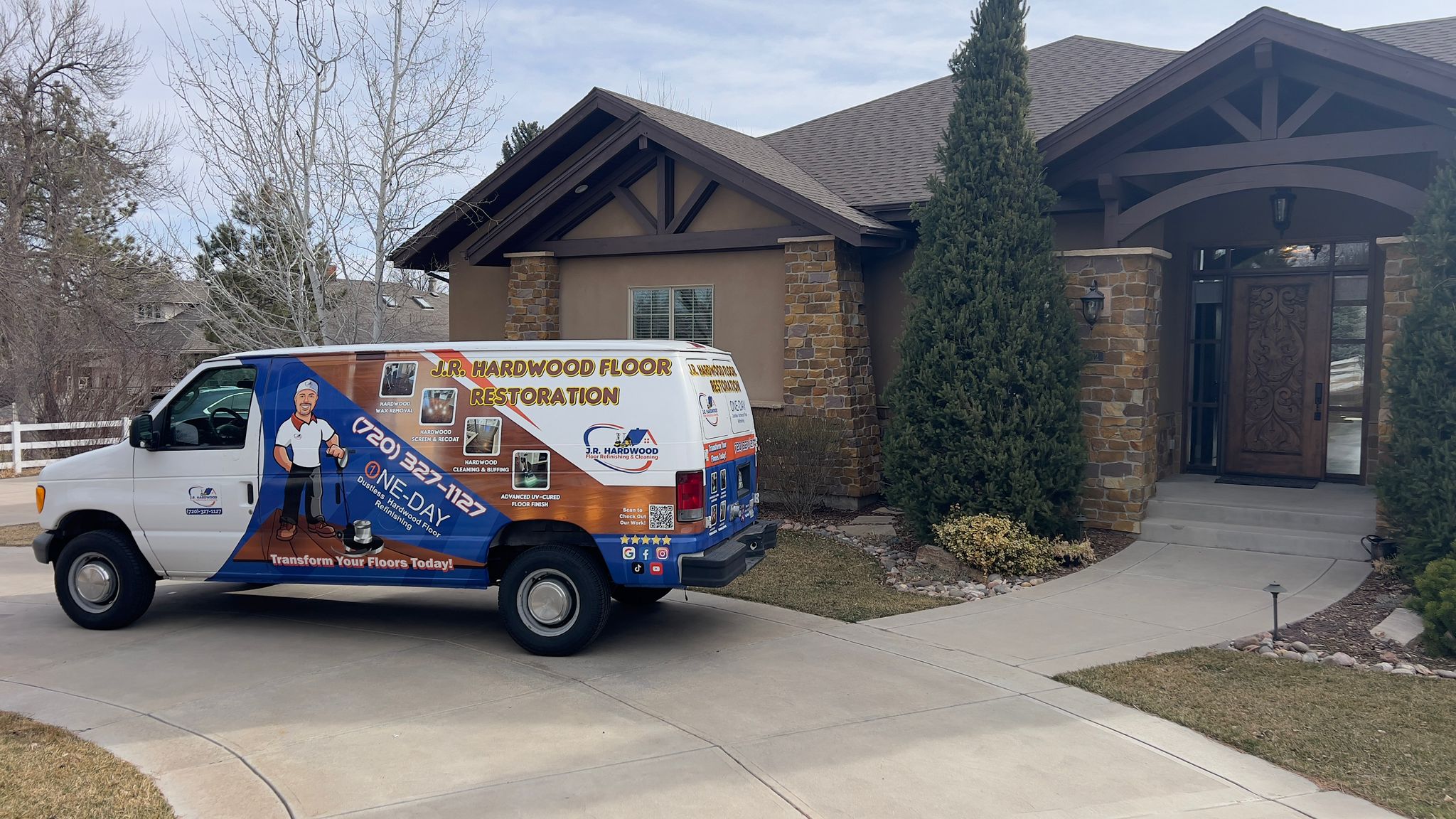
Experience the peace of mind that comes from partnering with a trusted expert specializing in hardwood floor refinishing and cleaning across the Denver Metro Area. At J.R. Hardwood Floor Refinishing & Cleaning, we focus on combining eco-friendly products and premium finishes to remove dirt, scratches, and wear while preserving your floors’ integrity. Whether you need professional screen and recoat services to restore your floor’s shine, or deep cleaning tailored specifically for pet owners, our team offers clear scheduling and expert guidance every step of the way. Get a free quote today to start protecting your floors with proven maintenance strategies drawn from our wide Uncategorized Collections.
Don’t wait until minor scratches or damage become costly problems. Visit https://www.jrhardwoodfloorrefinishingandcleaning.com/ to explore how our craftsmanship and advanced techniques can safeguard your hardwood floors and keep your home looking its absolute best.
Frequently Asked Questions
What should I include in my floor cleaning checklist?
You should include daily sweeping, weekly vacuuming, immediate spill cleanup, deep cleaning with eco-friendly products, regular buffing and recoating, scratch inspections, and doormat maintenance. Create a checklist detailing these tasks to keep your hardwood floors in excellent shape throughout the year.
How often should I sweep and vacuum my hardwood floors?
Sweep your high-traffic areas daily and vacuum them weekly. This routine helps remove debris that can scratch your floors and maintains their appearance.
What is the best way to handle spills on hardwood floors?
The best way to handle spills is to clean them immediately with a soft absorbent cloth, using a blotting motion. This action mitigates the risk of moisture damage and staining that can occur when spills are not addressed quickly.
How can I effectively deep clean my hardwood floors?
Use an eco-friendly mop paired with a pH-balanced hardwood floor cleaner to deep clean. Start by sweeping the floor, then apply the cleaner using the mop in straight lines, ensuring you do not oversaturate the wood.
When should I schedule buffing and recoating for my hardwood floors?
Schedule buffing and recoating every 3 to 5 years, adjusting based on foot traffic and pet activity. Regular maintenance helps extend the life of your floors and keeps them looking new.
What steps should I take to repair scratches on my hardwood floors?
Inspect your floors regularly for scratches, then use a hardwood floor repair kit for minor scratches. Schedule professional repairs for deeper gouges to maintain your floor’s protective finish and beauty.
Recommended
- 7 Essential Steps for an Effective Hardwood Maintenance Checklist
- Role of Floor Maintenance – Protecting Denver Homes
- The Best Hardwood Floor Cleaning Products for a Spotless Finish in Parker
- Commercial Floor Maintenance Explained: Denver Solutions
- 7-Step Drain Maintenance Checklist for London Property Owners