
TL;DR:
- Colorado’s dry climate causes hardwood floors to expand, contract, and crack without proper humidity control.
- Regular protective routines and eco-friendly cleaning methods extend floor lifespan and prevent damage.
- Maintaining indoor humidity between 30-65% is essential for floor health in Colorado’s environment.
Colorado is tough on floors. Between the bone-dry winters, intense UV sunlight, and grit tracked in from mountain trails, your hardwood and laminate take a beating that homeowners in other states rarely experience. Without the right care, you’ll start seeing gaps, cupping, and scratches that chip away at both beauty and value. Maintaining indoor humidity between 30-65% is one of the most important steps you can take in Colorado’s dry climate. This guide walks you through proven, eco-friendly strategies to keep your floors looking great and lasting for years.
Table of Contents
- Understand Colorado’s impact on hardwood and laminate floors
- Essential daily and weekly routines for scratch-free, healthy floors
- Proper cleaning methods: avoid water and harsh chemicals
- Eco-friendly options and sustainability for Colorado floors
- Troubleshooting and expert maintenance tips
- Our take: why most floor maintenance fails in Colorado (and how to fix it)
- Professional help for a worry-free finish
- Frequently asked questions
Key Takeaways
| Point | Details |
|---|---|
| Watch your humidity | Keeping indoor air between 30-65% humidity is the top way to prevent floor warping and cracks in Colorado. |
| Clean smart, not hard | Gentle daily cleaning and careful product choices keep floors beautiful and scratch-free for years. |
| Go eco-friendly | Switching to pH-neutral, low-VOC cleaners benefits your floors, your health, and the planet. |
| Prevent, don’t just react | Entry mats, trimmed pet nails, and felt pads stop most common types of floor damage before they start. |
| Know when to call a pro | Expert refinishing or repairs can save both old and new Colorado floors from costly mistakes and extend their life. |
Understand Colorado’s impact on hardwood and laminate floors
Colorado’s climate is genuinely one of the hardest environments for wood-based flooring. The state averages very low humidity, especially in winter when indoor heating drops moisture levels even further. Wood is a natural material that breathes, meaning it absorbs and releases moisture constantly. When the air gets too dry, boards shrink and gaps appear. When moisture spikes in spring or after a storm, boards can swell and cup.
For lasting hardwood floor beauty, keeping your indoor environment stable is step one. According to official NWFA advice, you should maintain indoor relative humidity between 30-65% year-round to prevent hardwood expansion, contraction, cupping, or gapping. A simple digital hygrometer, which measures indoor humidity, costs under $20 and can save you thousands in floor repairs.
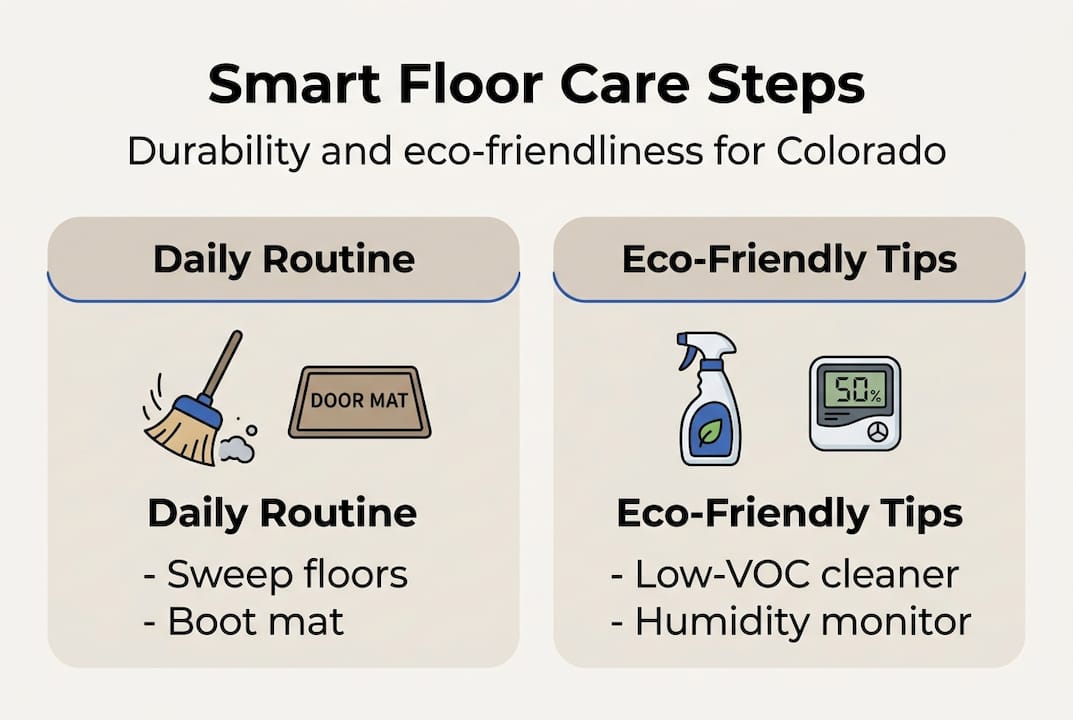
Hardwood and laminate respond differently to Colorado’s conditions. Here’s a quick comparison:
| Feature | Hardwood | Laminate |
|---|---|---|
| Moisture sensitivity | High | Moderate to high |
| UV fading risk | Moderate | Moderate |
| Can be refinished | Yes | No |
| Lifespan with care | 50+ years | 15-25 years |
| Gapping risk in dry air | High | Moderate |
Beyond humidity, Colorado’s high-altitude sun is intense. UV rays fade floor color over time, especially near south-facing windows. And Colorado’s outdoor lifestyle means grit, sand, and small rocks get tracked inside constantly. That grit acts like sandpaper under every footstep.
Here are the main environmental threats to watch for:
- Dry winter air causing gaps and cracking
- Spring humidity spikes leading to cupping or swelling
- UV exposure fading and drying out floor finish
- Tracked-in grit scratching surface finishes daily
- Rapid temperature swings stressing wood fibers
Now that you know the risks, let’s identify the most pressing problems Colorado floors face year-round.
Essential daily and weekly routines for scratch-free, healthy floors
With the climate woes in mind, it’s time to adopt routines that block everyday damage. Think of daily floor care like brushing your teeth. Skip it a few times and the damage sneaks up on you fast.
Daily dry cleaning with a soft broom, dust mop, or vacuum on the hard floor setting removes abrasive grit that acts like sandpaper under foot traffic. This is especially important in Colorado homes where outdoor grit is a constant visitor. Here’s a simple routine to follow:
- Sweep or dust mop daily in high-traffic areas like entryways, kitchens, and hallways.
- Vacuum weekly using the hard floor setting with no beater bar, which can scuff and scratch.
- Place mats at every entry point to trap grit and moisture before they reach your floors.
- Rotate area rugs every few months to prevent uneven wear and UV fading patterns.
- Install felt pads under all furniture legs and replace them every six months as they compress.
- Trim pet nails regularly and consider a no-shoes policy indoors to dramatically cut down on scratches.
For more floor care best practices tailored to Colorado homes, consistency is the real secret weapon. None of these steps are hard. But skipping them for weeks at a time is where the damage quietly builds.
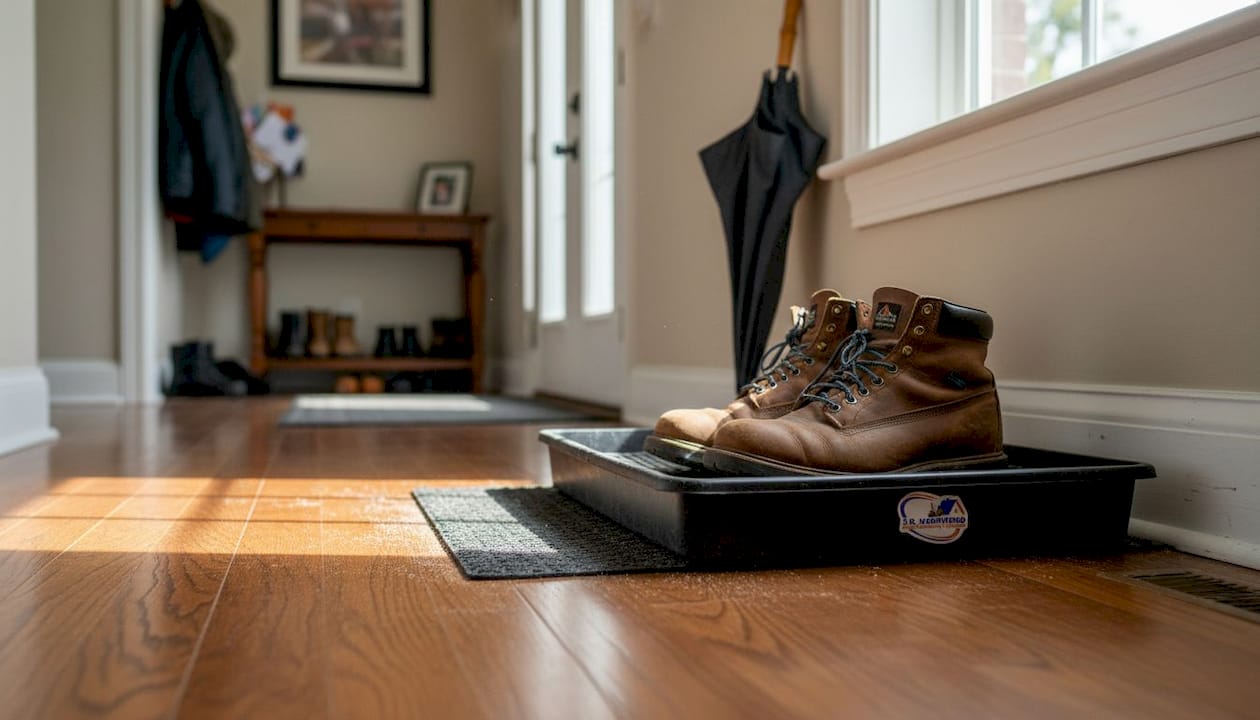
Pro Tip: Place a boot tray with a scrub mat right at your front door. Colorado mud, sand, and salt from winter roads are brutal on floors. A two-step entry system, scrub mat then absorbent mat, catches almost everything before it reaches your hardwood.
If you have pets, check out our pet-friendly protection tips for extra guidance on keeping floors scratch-free with furry family members around.
Proper cleaning methods: avoid water and harsh chemicals
After establishing protective routines, let’s tackle cleaning methods that maximize your floor’s lifespan. The number one mistake we see? Too much water. Water is wood’s enemy, plain and simple.
Damp mopping only means your mop should be nearly dry to the touch before it hits the floor. Never use a soaking wet mop, and never steam clean hardwood or laminate. Steam forces moisture deep into seams and can cause swelling, warping, and even mold growth under the boards.
For cleaners, stick to pH-neutral, low-VOC (volatile organic compound) products. VOCs are chemicals that evaporate at room temperature and can affect indoor air quality. Here’s what to avoid and what to use:
| Avoid | Use instead |
|---|---|
| Vinegar or vinegar-water | pH-neutral hardwood cleaner |
| Bleach or ammonia | Manufacturer-approved solution |
| Oil-soap cleaners | Low-VOC, water-based cleaner |
| Wax products | Screen and recoat service |
| Steam mops | Barely damp microfiber mop |
As laminate cleaning guidance confirms, you should avoid vinegar, oil-soap, bleach, ammonia, and wax on both hardwood and laminate, using only pH-neutral manufacturer-approved cleaners instead.
For your hardwood cleaning best practices, always check your floor manufacturer’s recommendations before trying any new product.
- Use a microfiber mop for the best results. It traps particles instead of pushing them around.
- Spray the cleaner on the mop, not directly on the floor.
- Clean in the direction of the wood grain to avoid streaks.
- Dry any spills immediately with a clean cloth. Even a small puddle left for minutes can cause damage.
Pro Tip: Keep a spray bottle of your approved cleaner and a microfiber cloth in a kitchen drawer. Spot cleaning spills the moment they happen is far easier than dealing with a stain or warp later.
Eco-friendly options and sustainability for Colorado floors
As you select cleaning solutions, consider their impact on indoor air and the environment. Going green with your floor care isn’t just good for the planet. It’s actually better for your floors and your family’s health.
Eco-friendly options include pH-neutral cleaners and low-VOC products. Laminate can have a lower carbon footprint during production, but it’s shorter-lived and can’t be refinished. Certified sustainable hardwood, on the other hand, can last generations with proper care, making it a strong long-term environmental choice.
Here’s how the two stack up from a sustainability angle:
| Factor | Certified hardwood | Eco-laminate |
|---|---|---|
| Refinishable | Yes | No |
| Lifespan | 50+ years | 15-25 years |
| VOC emissions | Low with water-based finish | Varies by brand |
| End-of-life disposal | Biodegradable | Landfill |
| Carbon footprint | Low if sustainably sourced | Lower upfront |
For cleaning products, look for these green certifications and features:
- GreenGuard Gold certified cleaners, which meet strict chemical emission standards
- USDA Certified Biobased products made from renewable plant materials
- Fragrance-free, low-VOC formulas that protect indoor air quality
- Concentrated formulas that reduce plastic packaging waste
For your green refinishing guide, water-based finishes are a great choice. They dry faster, emit fewer chemicals, and still deliver a beautiful, durable result. When it’s time to refinish, choosing a water-based, non-toxic finish is one of the best eco-friendly upgrades you can make.
Troubleshooting and expert maintenance tips
Proper eco-friendly products can prevent most issues, but even with the best routines, problems can crop up. Here’s how to handle the most common ones without panicking.
- Cupping (edges of boards higher than the center) usually means too much moisture from below or above. Check for plumbing leaks, run a dehumidifier, and let the floor dry naturally before deciding on repairs.
- Gapping (visible spaces between boards) is almost always a humidity issue. Run a humidifier in winter and the gaps often close on their own as moisture returns.
- Dullness after cleaning usually means product buildup. Strip the buildup with a manufacturer-approved cleaner, then consider a professional hardwood maintenance checklist to get back on track.
- Water stains or swelling after a spill need fast action. Dry the area immediately, use a fan to speed drying, and call a professional if the boards don’t flatten within a few days.
- Scratches and scuffs on finished floors can sometimes be buffed out. Deep scratches usually need a screen and recoat or spot repair.
Pro Tip: Take photos of your floor every six months. Comparing images over time helps you catch gradual changes like fading or spreading gaps before they become expensive problems.
For newly refinished floors, the rules are strict:
After professional refinishing, avoid placing rugs or using water on the floor for at least seven full days. Also skip any DIY waxes or oils, which can prevent future recoating and lock in damage.
Knowing when to call a professional matters too. If you see widespread cupping, deep gouges, or finish that’s peeling in large sections, that’s beyond DIY territory. A professional assessment can save you from a full replacement.
Our take: why most floor maintenance fails in Colorado (and how to fix it)
After working with hundreds of Colorado homeowners and property managers, we’ve noticed a clear pattern. Most floor damage doesn’t come from heavy foot traffic or age. It comes from two very preventable mistakes: ignoring indoor humidity and using the wrong cleaning products.
Homeowners spend a lot of energy searching for the perfect mop or the best cleaner. But if your home’s humidity is sitting at 20% all winter, no product will save your floors. We always say: fix the climate first, then worry about the cleaner. A $20 humidifier and a $15 hygrometer can do more for your floors than any premium cleaning kit.
We also see a lot of well-meaning homeowners reach for vinegar or steam mops because they seem natural and safe. They’re not safe for floors. Vinegar is acidic and strips finish over time. Steam forces water into seams. These habits cause slow, invisible damage that shows up as dullness, warping, or peeling finish months later.
The mindset shift we encourage is simple: think of floor maintenance as protecting an investment, not just keeping things tidy. Eco-friendly habits, like low-VOC cleaners and water-based finishes, aren’t just good for the environment. They’re proven to extend floor life and keep your home healthier. When you protect hardwood for years with the right habits, you’re also protecting your home’s value and your family’s comfort.
Professional help for a worry-free finish
Ready to level up your care or solve persistent floor problems? Sometimes the best thing you can do for your floors is bring in a professional who knows Colorado’s unique conditions inside and out.
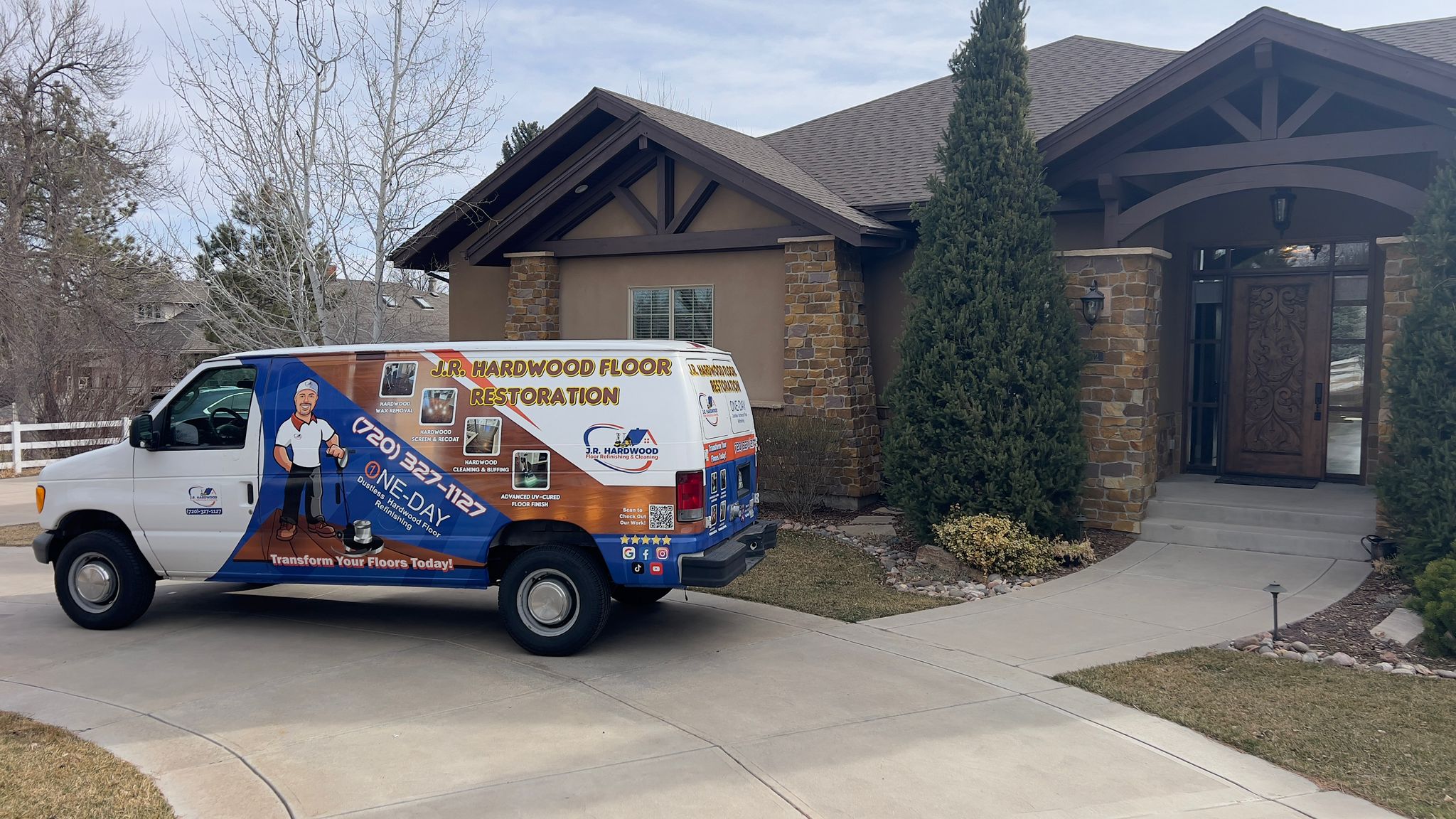
At J.R. Hardwood Floor Refinishing & Cleaning, we use eco-certified, low-VOC products and proven techniques to restore, protect, and beautify hardwood and laminate in homes and commercial spaces across the Denver Metro Area. Whether you need a full refinishing refresh, a screen and recoat to revive your finish, or just expert guidance, our team is here to help. Check out our refinishing guide and our eco-friendly professional cleaning options. Contact your local Denver floor specialists today for a free phone quote.
Frequently asked questions
Why does Colorado’s dry climate matter for floor maintenance?
Low humidity causes hardwood and laminate to expand, contract, and crack, making climate control crucial for avoiding damage. The NWFA recommends keeping indoor humidity between 30-65% to prevent expansion, contraction, or gapping.
How often should I clean my hardwood or laminate floors?
Sweep or dry mop every day in busy areas and at least weekly elsewhere to prevent grit damage. Daily dry cleaning stops abrasive particles from scratching your finish with every footstep.
Is it safe to use vinegar or ammonia on floors?
No, these harsh cleaners can damage both hardwood and laminate over time. Only use pH-neutral cleaners approved by your floor’s manufacturer.
What’s an eco-friendly way to keep floors clean?
Use pH-neutral, low-VOC cleaners or GreenGuard-certified products for the safest results. For some laminates, a vinegar-water solution may work if your manufacturer specifically approves it.
How soon can I clean or lay rugs after professional floor refinishing?
Wait at least seven days before cleaning or placing rugs on refinished floors. Moving too fast can damage the new finish and prevent proper curing.
Recommended
- Eco-Friendly Wood Floor Cleaning for a Lasting Shine
- 7 Best Practices for Floor Care Every Homeowner Should Know
- Hardwood Floor Maintenance Guide for Lasting Beauty
- Proper Floor Care: Extending Hardwood Lifespan
- Top Carpet Cleaning Tips & Tricks: DIY Methods With Professional Results — I-Care Cleaning Services
