 Skip to content
Most American homeowners with pets find that regular cleaning simply cannot erase all signs of paw prints and daily wear on hardwood floors. Living in the Denver Metro Area means you battle not just dust but also the unique challenges of rapid weather changes and high foot traffic. Discover why systematic deep cleaning preserves both beauty and durability while helping your floors withstand everyday life. Take expert steps to maintain long-lasting shine and protect your investment.
Table of Contents
- What Deep Cleaning Hardwood Floors Involves
- Types of Dirt and Damage Addressed
- Differences: Regular Vs. Deep Cleaning
- How Deep Cleaning Protects Floor Longevity
- Common Deep Cleaning Mistakes to Avoid
Key Takeaways
| Point | Details |
|---|---|
| Deep Cleaning Is Essential | Regular maintenance is not sufficient; deep cleaning protects and preserves hardwood floors. |
| Use Proper Techniques | Employ minimally wet mopping and pH-balanced cleaners to prevent moisture damage. |
| Avoid Common Mistakes | Steer clear of excessive moisture and harsh chemicals to maintain floor integrity and appearance. |
| Schedule Professional Care | Professional deep cleaning should occur at least once a year to ensure long-term protection. |
What Deep Cleaning Hardwood Floors Involves
Deep cleaning hardwood floors goes far beyond routine sweeping and involves a systematic process designed to protect and restore your floor’s natural beauty. Proper wood floor maintenance requires specialized techniques that remove embedded dirt while preserving the floor’s protective finish.
The first critical step involves comprehensive preparation. This means clearing movable furniture from the area, thoroughly sweeping or vacuuming to eliminate loose debris, and identifying specific cleaning requirements based on your hardwood’s finish type. Professional floor care experts recommend using pH-balanced wood floor cleaners that control moisture and prevent potential damage during the deep cleaning process.
The actual deep cleaning technique involves using minimally wet mopping methods with specialized tools designed to extract dirt without oversaturating wood surfaces. Microfiber mops work exceptionally well, as they effectively trap dust and grime while controlling moisture levels. After mopping, buffing the floor with a soft, absorbent cloth helps restore natural shine and removes any potential cleaning agent residue.
Here’s a concise summary of prep and deep cleaning techniques for hardwood floors:
| Step | Description | Impact on Floor | Recommended Tools |
|---|---|---|---|
| Preparation | Remove furniture, sweep, assess finish | Prevents damage | Soft broom, vacuum |
| Cleaning | Minimally wet mop, pH-neutral solution | Protects finish | Microfiber mop, safe cleaner |
| Buffing | Use soft cloth to restore shine | Enhances sheen | Absorbent cloth |
Pro tip: Always test cleaning solutions on a small, inconspicuous area first to ensure compatibility with your specific hardwood floor finish.
Types of Dirt and Damage Addressed
Hardwood floors encounter numerous types of dirt and damage that compromise their appearance and structural integrity. Deep cleaning is critical for addressing complex floor deterioration, targeting issues that extend far beyond simple surface dust and debris. These challenges range from microscopic allergens to significant structural threats that can permanently damage wood surfaces.
The primary categories of dirt and damage include organic buildup, moisture-related problems, and surface abrasions. Organic contaminants like dust mites, pet dander, and food residues can embed themselves within wood grain, creating breeding grounds for bacteria and potential allergen accumulation. Moisture-related issues are particularly problematic, with water exposure potentially causing warping, discoloration, and promoting dangerous mold growth that weakens wood fibers.
Surface damage represents another critical concern for hardwood floors. Grit, sand, and small stones tracked inside can act like sandpaper, gradually eroding protective finishes and creating microscopic scratches that dull the floor’s appearance. Persistent debris can lead to loosening of floor boards and structural compromise, making regular deep cleaning not just a cosmetic procedure but a fundamental maintenance strategy that preserves long-term floor health.
Pro tip: Invest in high-quality doormats at all entryways to dramatically reduce the amount of dirt and potential abrasive particles entering your living spaces.
Differences: Regular vs. Deep Cleaning
Homeowners often misunderstand the critical distinctions between routine maintenance and comprehensive hardwood floor care. Floor cleaning methods vary dramatically in their approach and effectiveness, with regular cleaning serving as a surface-level maintenance strategy and deep cleaning addressing more complex preservation needs.
Regular cleaning typically involves daily or weekly activities like sweeping, light mopping, and quick spot cleaning. These surface-level techniques remove loose dust, minor debris, and prevent immediate dirt accumulation. In contrast, deep cleaning represents a more intensive process that penetrates beyond the surface, targeting embedded grime, stubborn residues, and potential structural threats that standard cleaning methods cannot address.
The technical differences extend beyond mere cleaning intensity. Regular maintenance uses minimal moisture and gentle cleaning agents, focusing on preserving the floor’s existing finish. Deep cleaning, however, requires specialized tools, pH-balanced solutions, and techniques designed to extract deeply trapped contaminants without compromising the wood’s protective layers. This comprehensive approach not only cleans but also helps restore the floor’s original luster, removing microscopic scratches, oxidation marks, and accumulated residues that gradually diminish hardwood’s natural beauty.
This table compares regular cleaning with deep cleaning for hardwood floors:
| Aspect | Regular Cleaning | Deep Cleaning |
|---|---|---|
| Frequency | Daily or weekly | Once or twice a year |
| Moisture Level | Very low, quick dry | Controlled, slightly higher |
| Goal | Remove surface dirt | Extract deep grime, restore look |
| Tools | Soft broom, light mop | Microfiber mop, pH-balanced soap |
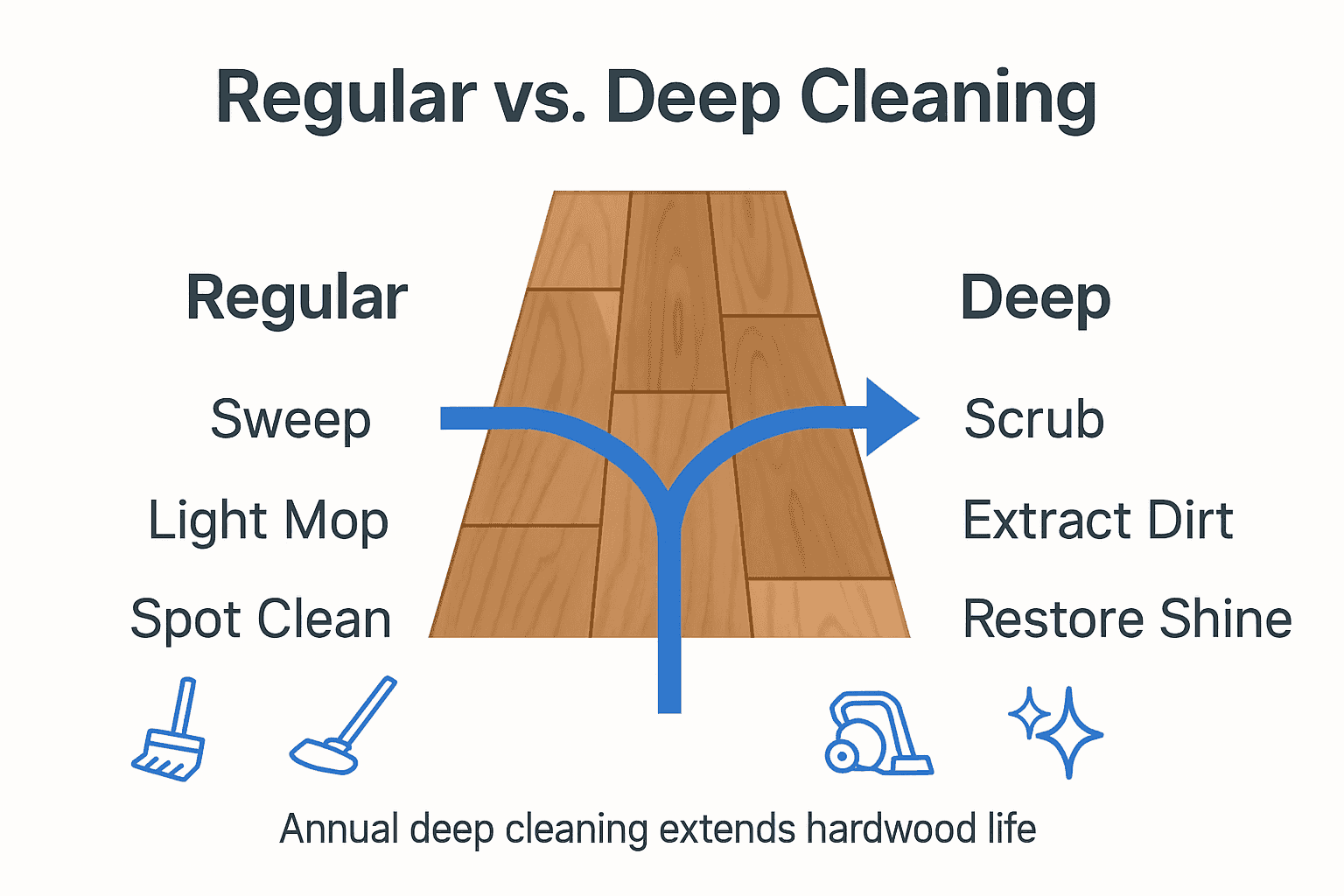
Pro tip: Schedule professional deep cleaning at least once a year to complement your regular maintenance routine and protect your hardwood floor’s long-term integrity.
How Deep Cleaning Protects Floor Longevity
Consistent deep cleaning is fundamental to preserving hardwood floor integrity, acting as a critical defense mechanism against gradual deterioration. Hardwood floors endure constant stress from daily foot traffic, pet movement, and environmental factors that can incrementally damage their surface and structural composition. By implementing a thorough deep cleaning strategy, homeowners can effectively mitigate these ongoing threats and extend their floor’s functional lifespan.
The protective benefits of deep cleaning extend far beyond surface appearance. Abrasive particles trapped between wood planks can act like sandpaper, gradually wearing down protective finishes and creating microscopic damage that weakens the floor’s structural integrity. Routine deep cleaning prevents moisture build-up that leads to warping, gapping, and potential wood splitting, addressing humidity-related challenges before they can cause significant structural compromise.
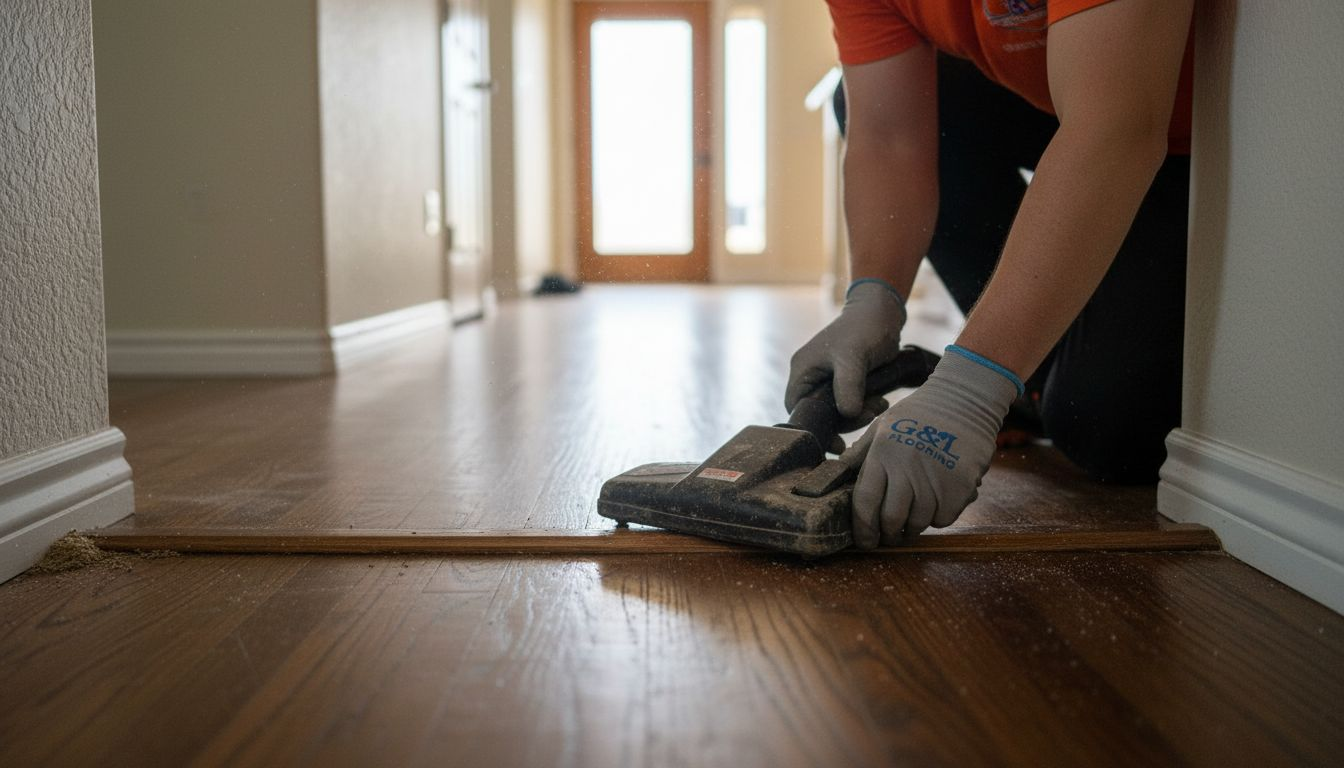
Professional deep cleaning techniques remove not just visible dirt but also invisible contaminants that can accelerate wood degradation. Dust, allergens, and microscopic debris can create chemical reactions that break down wood fibers and finishes over time. By extracting these hidden threats, deep cleaning essentially acts as a protective shield, preserving the wood’s natural resilience and maintaining its original aesthetic qualities. This proactive approach dramatically reduces the likelihood of costly repairs and premature floor replacement.
Pro tip: Invest in professional deep cleaning at least annually to create a comprehensive maintenance strategy that protects your hardwood floor’s long-term value and appearance.
Common Deep Cleaning Mistakes to Avoid
Hardwood floor maintenance requires precision and careful technique, with numerous potential pitfalls that can cause irreversible damage. Homeowners often underestimate the complexity of deep cleaning, inadvertently implementing practices that can compromise their floor’s structural integrity and aesthetic appeal. Understanding these common mistakes is crucial to preserving the beauty and longevity of hardwood surfaces.
One of the most critical errors is moisture mismanagement. Excessive water or improper cleaning techniques can cause significant structural damage, including warping, swelling, and finish deterioration. Steam mops and wet cleaning methods pose substantial risks to hardwood floor preservation, potentially creating long-term damage that extends far beyond surface-level issues. Professional floor care experts emphasize the importance of using minimal moisture and selecting cleaning products specifically designed for your floor’s unique finish type.
Chemical selection represents another potential minefield for unsuspecting homeowners. Using non-pH-balanced or harsh cleaning agents can strip protective finishes, leaving wood vulnerable to scratches, stains, and accelerated wear. Abrasive tools and aggressive cleaning techniques compound these risks, creating microscopic damage that accumulates over time. Equally problematic is the tendency to ignore manufacturer recommendations, which can void warranties and lead to costly repairs or premature floor replacement.
Pro tip: Always test new cleaning products on a small, inconspicuous area and consult your floor’s manufacturer guidelines before implementing any deep cleaning strategy.
Protect Your Investment With Expert Deep Cleaning Services
Maintaining hardwood floors goes far beyond simple sweeping or routine mopping. The article highlights the hidden threats of embedded dirt, moisture damage, and microscopic scratches that diminish both the look and lifespan of your floors. Deep cleaning is essential for removing stubborn grime, preventing warping, and safeguarding your wood’s natural beauty and structural integrity. If you want to avoid costly repairs or premature replacement, it is crucial to trust professionals who understand these challenges and apply the right techniques using pH-balanced solutions and minimal moisture.
At J.R. Hardwood Floor Refinishing & Cleaning, we specialize in comprehensive deep cleaning tailored to your floor’s specific needs. Serving Denver and surrounding Colorado communities, we use eco-friendly products and proven methods that protect and restore hardwood floors across residential and commercial spaces. Experience how our expert care removes embedded dirt and scratches while extending your floor’s life. Don’t wait for damage to worsen. Schedule your professional deep cleaning today and see lasting results backed by 5-star reviews and expert craftsmanship. Learn more about our services in the Uncategorized Archives or visit our site at J.R. Hardwood Floor Refinishing & Cleaning.
Frequently Asked Questions
How often should I deep clean my hardwood floors?
It’s recommended to deep clean hardwood floors at least once or twice a year to maintain their beauty and extend their lifespan.
What are the risks of using too much water when deep cleaning?
Excessive water can cause significant damage to hardwood floors, leading to warping, swelling, and deterioration of the finish.
What type of cleaning solution should I use for deep cleaning hardwood floors?
Use a pH-balanced wood floor cleaner designed specifically for your type of hardwood finish to effectively clean without causing damage.
How can deep cleaning help preserve the beauty of my hardwood floors?
Deep cleaning removes embedded dirt and moisture-related issues, helping to prevent scratches, warping, and discoloration, thus maintaining the floors’ natural luster.
Recommended
- The Ultimate Guide to Hardwood Floor Finishes – J.R. Hardwood Floor Refinishing & Cleaning
- 5 Signs Your Hardwood Floors Need Refinishing – J.R. Hardwood Floor Refinishing & Cleaning
- What You Need to Know Before Installing Hardwood Floors
- The Complete Guide to Professional Hardwood Floor Installation – J.R. Hardwood Floor Refinishing & Cleaning