 Skip to content
Scratches on hardwood floors are one of those things that start small and quietly grow into a bigger headache. In fact, 80% of owners rank scratches as their single biggest flooring frustration, and it’s easy to see why. That tiny mark from a chair leg or a dog’s paw might look harmless today, but left alone, it can open the door to moisture damage, warping, and repairs that cost far more than a simple touch-up. If you’re a Denver homeowner or property manager wondering what’s really going on beneath those scratches, this guide breaks it all down and gives you clear, practical steps to protect your investment.
Table of Contents
- Types of hardwood scratches and what they mean
- How scratches physically impact hardwood over time
- Does wood type or finish affect scratch resistance?
- How to prevent scratches and when to repair versus refinish
- Trusted solutions for lasting hardwood beauty in Denver
- Frequently asked questions
Key Takeaways
| Point | Details |
|---|---|
| Scratch depth matters | Identifying if a mark is surface-level or deep will determine the right repair approach and prevent hidden damage. |
| Finish is the first defense | The thickness and type of your floor’s finish has a bigger effect on scratches than wood species alone. |
| Proactive care saves money | Regular cleaning, prompt repairs, and preventive measures avoid costly refinishing or board replacements. |
| Local climate can worsen scratches | Denver’s dry air means scratches may look worse in winter and early treatment is extra important. |
Types of hardwood scratches and what they mean
Now that you know scratches are more than a cosmetic nuisance, let’s break down the types and what a closer look reveals about your floor’s true condition.
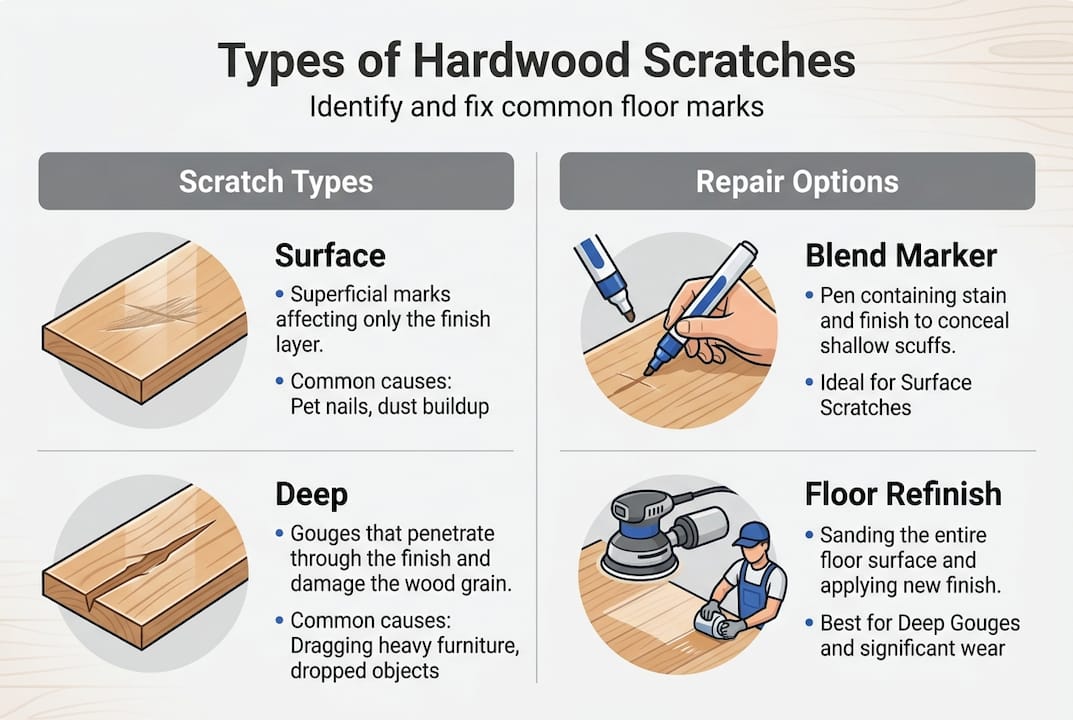
Scratches are classified by depth into four main categories, and knowing which one you’re dealing with changes everything about how you respond. Here’s a simple way to tell them apart:
| Scratch type | What you see | Fingernail test | Repair complexity |
|---|---|---|---|
| Surface | Dull spot, no groove | Nail glides over it | Very easy, DIY |
| Light | Faint line in finish | Slight catch | Easy, DIY |
| Moderate | Visible groove, some wood exposed | Definite catch | Moderate, may need filler |
| Deep | Clear gouge, bare wood visible | Deep groove felt | Professional recommended |
The most common culprits behind these marks are everyday life: pet claws, furniture being dragged, grit tracked in from outside, and yes, high heels. Denver’s dry climate adds another layer of trouble. Seasonal dryness causes wood to contract slightly, which can make existing scratches look deeper and more pronounced than they actually are.
Here’s what each scratch type means for your floor:
- Surface scratches: Only the finish is affected. The wood itself is untouched.
- Light scratches: The finish is worn through in a thin line but wood damage is minimal.
- Moderate scratches: The finish is gone and the wood surface is lightly damaged.
- Deep scratches: The wood is gouged, and moisture can now enter freely.
For a more detailed breakdown of your options, our hardwood scratch removal guide walks you through every repair method step by step.
Pro Tip: Color-matched markers or blending pencils can make surface scratches nearly invisible in seconds. Use them sparingly and always test on a hidden spot first for the best result.
How scratches physically impact hardwood over time
Once you identify the kind and cause, it’s crucial to understand what really happens beneath the surface when scratches are ignored.
“Even a small scratch removes the protective finish layer, leaving raw wood exposed to everything your floor encounters daily, from spilled water to tracked-in dirt.”
That exposure is where the real damage begins. Dullness and discoloration are often the first signs of cumulative micro-scratching, where hundreds of tiny marks build up over time and strip the sheen right off your floor. It’s like sunburn on skin: one afternoon outside feels fine, but the damage adds up.
Here’s how a scratch typically progresses if left untreated:
- Finish is breached. The protective coating is removed, exposing raw wood.
- Dirt and grit settle in. The groove traps debris, making the scratch more visible and harder to clean.
- Moisture enters. Water seeps into the exposed wood, especially in kitchens or entryways.
- Wood swells or stains. The plank begins to discolor or warp as moisture cycles in and out.
- Structural damage sets in. Warped planks can affect neighboring boards, and full board replacement may be needed.
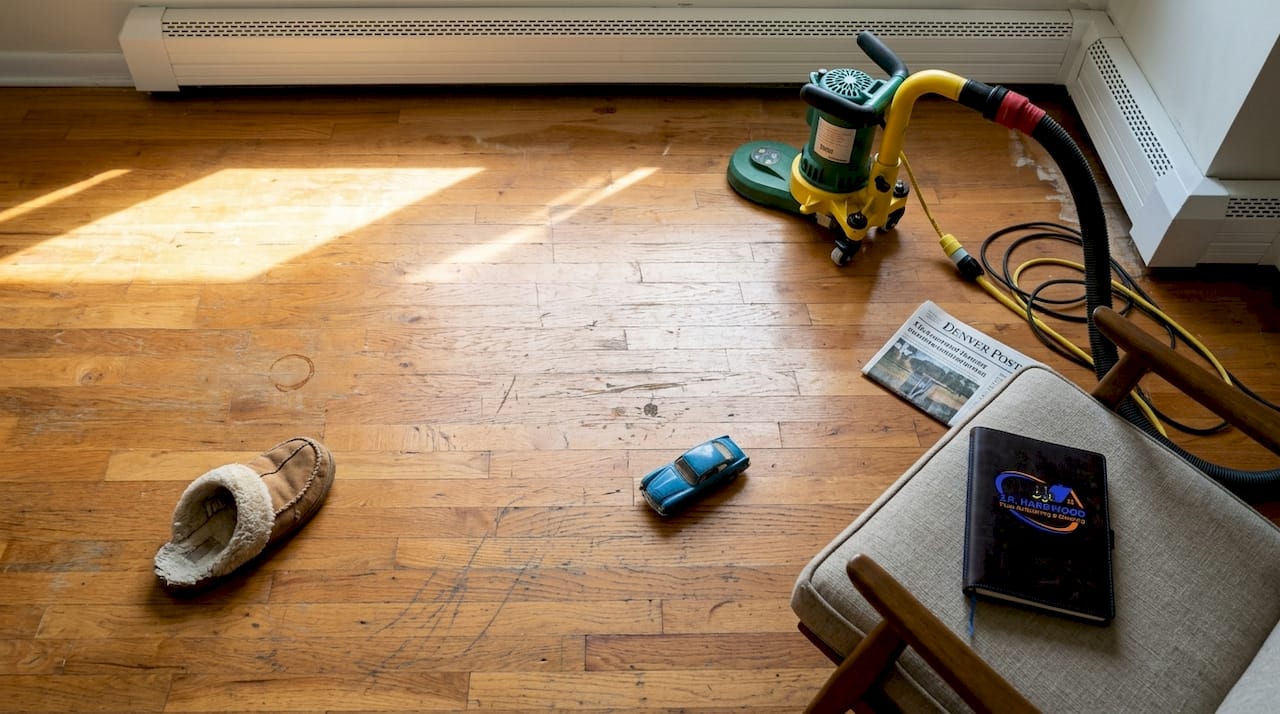
The effects of unchecked scratches include cosmetic degradation, accelerated wear, and reduced property value. Deep scratches can even compromise the structural integrity of your floor over time. Learning how to fix scratched floors early is always the smarter, cheaper move.
Does wood type or finish affect scratch resistance?
At this point, you’re probably wondering if some floors are naturally less prone to scars. Let’s bust some myths about wood hardness and highlight what actually matters for scratch defense.
The Janka scale is often used to measure wood hardness, but here’s the thing: Janka measures dent resistance, not scratch resistance. A harder wood won’t necessarily shrug off a dog’s claws any better than a softer one. The finish sitting on top of the wood is actually the bigger factor.
Here’s how some popular Denver hardwoods stack up:
| Wood species | Janka rating | Scratch profile | Best for |
|---|---|---|---|
| Red Oak | 1,290 | Moderate resistance | Most homes, hides scratches well |
| Maple | 1,450 | Shows scratches easily | Low-traffic areas |
| Hickory | 1,820 | Good resistance | Busy households, pets |
When it comes to hardwood floor finishes, the type you choose matters a lot:
- Polyurethane (poly): Lasts longer and offers strong protection, but spot repairs are tricky because new coats don’t always blend seamlessly.
- Oil-based finishes: Easier for DIY touch-ups and repairs, but require more frequent maintenance.
- UV-cured and aluminum oxide finishes: The most scratch-resistant options available, with finish thickness typically ranging from 3 to 6 mils for standard poly and even more for UV-cured coatings.
Factors that influence how visible scratches appear on your floor:
- Wood species and grain pattern (open grain hides marks better)
- Finish type and thickness
- Gloss level (high gloss shows every mark; matte is more forgiving)
- Floor color (lighter and mid-tones hide scratches better than very dark stains)
For households with pets or kids, exploring hardwood floor protection methods and understanding floor finish durability in Denver’s climate can save you a lot of headaches down the road.
Pro Tip: Open-grain woods like oak and hickory are naturally better at camouflaging scratches. If you have a busy household, these species are your best friends.
How to prevent scratches and when to repair versus refinish
Now that you know what makes floors vulnerable, let’s focus on what you can actually do, whether that’s defense, repair, or calling in a pro.
Prevention is always your first line of defense. Here are the essentials:
- Use area rugs in high-traffic zones like hallways, entryways, and living rooms.
- Add felt pads under every piece of furniture, and check them regularly since they wear out.
- Sweep or vacuum frequently to remove grit before it grinds into the finish.
- Adopt a no-shoes policy or use a shoe rack near the door.
- Trim pet nails regularly to reduce claw-related scratching.
When damage does happen, here’s how to decide between DIY and professional repair:
- DIY-friendly: Surface and light scratches using repair methods like color markers, blending oils, or light sanding with fine-grit paper.
- Consider a pro: Moderate scratches with exposed wood that need filler, feathering, and recoating.
- Call a professional: Deep gouges, widespread scratching across multiple boards, or any situation where the finish needs full removal and reapplication.
Early action is always less expensive. A simple fill and blend costs a fraction of a full refinish. If you want to prevent scratches on hardwood floors before they start, or you need scratch-resistant flooring for dogs, we have resources to help you plan ahead.
One important note: engineered hardwood has a thin veneer layer, often less than 3mm, which limits how many times it can be sanded. If you have engineered floors, consult a professional before attempting any aggressive repair. Most of the time, a recoat is the right answer rather than sanding.
Pro Tip: Denver winters are notoriously dry. Running a humidifier indoors during the cold months keeps your boards from contracting and makes any existing scratches less visible. It also reduces the chance of new cracks forming along the grain.
For ongoing care, our hardwood cleaning tips are a great resource to keep your floors looking their best between professional visits.
Trusted solutions for lasting hardwood beauty in Denver
If you’re facing bigger damage or just want a guaranteed beautiful result, professional expertise is just a call away.
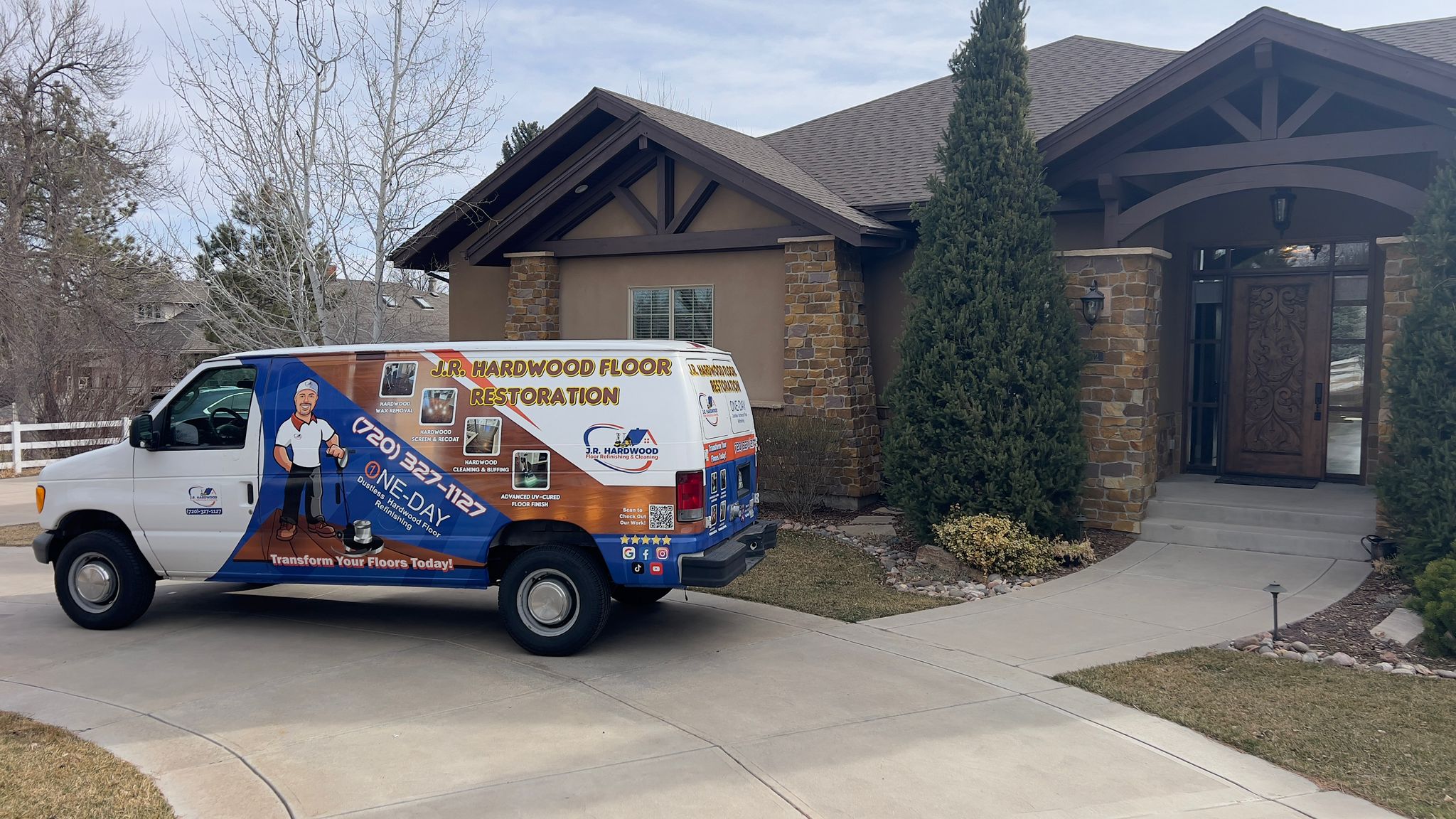
At J.R. Hardwood Floor Refinishing & Cleaning, we work with Denver homeowners and property managers every day to bring scratched, worn floors back to life. Whether you’re weighing DIY vs professional floor refinishing or ready to explore a full restoration, our team offers free over-the-phone quotes and honest guidance tailored to your floor’s actual condition. We use eco-friendly products and premium finishes to deliver results that last. From a quick screen and recoat to a complete hardwood floor restoration, we make the process simple, clear, and stress-free. Explore our complete guide to hardwood floor refinishing to see what’s possible for your home.
Frequently asked questions
Will every scratch on hardwood need to be repaired?
Surface scratches only affect the finish layer and are mostly cosmetic, so not every mark needs fixing. However, if bare wood is visible or you can feel a groove, repair is strongly advised to prevent moisture damage.
How do I know if a scratch has damaged the wood?
Run your fingernail across the mark. If you feel a definite groove or see bare wood, the scratch has penetrated the finish and needs attention before moisture gets in.
Does floor hardness guarantee better scratch resistance?
No. A higher Janka rating means the wood resists denting, but scratch resistance depends far more on the type and quality of the finish applied on top.
How often should I refinish my hardwood floors in Denver?
For most homes, refinishing every 7 to 10 years is a good rule of thumb. High-traffic areas like hallways or commercial spaces may need attention every 3 to 5 years.
Are engineered hardwood floors more difficult to repair if scratched?
Yes. Engineered floors have a thin veneer that limits sanding, so most repairs involve recoating rather than sanding. Always consult a professional before attempting aggressive repairs on engineered wood.