 Skip to content
If you live in Denver long enough, you start to recognize what the climate does to floors. A Wash Park bungalow with original oak doesn’t wear the same way as a newer Highlands Ranch build with wide-plank hardwood, but the pattern is familiar. Dry air, strong sun, tracked-in grit, dogs at the back door, kids running from kitchen to living room. Floors don’t usually fail all at once. They lose protection in stages.
That’s where reliable floor care matters. Not as a one-time cleaning, and not as a panic call when boards already look tired. Reliable floor care is a system. It combines routine upkeep, the right finish, and timely professional work before wear turns into damage. In Denver hardwood floor refinishing, that difference shows up fast. A floor that gets cleaned correctly, recoated at the right time, and protected with a modern UV-Cure System lasts better and looks better.
Homeowners are paying more attention to that kind of long-term care. The global floor care machine market is projected to grow from US$ 5.92 billion in 2024 to US$ 9.21 billion by 2034, with the United States holding a 70.2% share of the North American market, according to Fact.MR’s floor care machine market report. That points to a simple reality. People care more about protecting clean, healthy, valuable living spaces than they used to.
Your Guide to Reliable Floor Care in Denver
A homeowner in Denver usually calls when one of three things happens. The floor looks dull in afternoon light. Dog nails start leaving visible wear near the patio door. Or a cleaning product from a big-box store leaves residue that makes the floor look worse, not better.
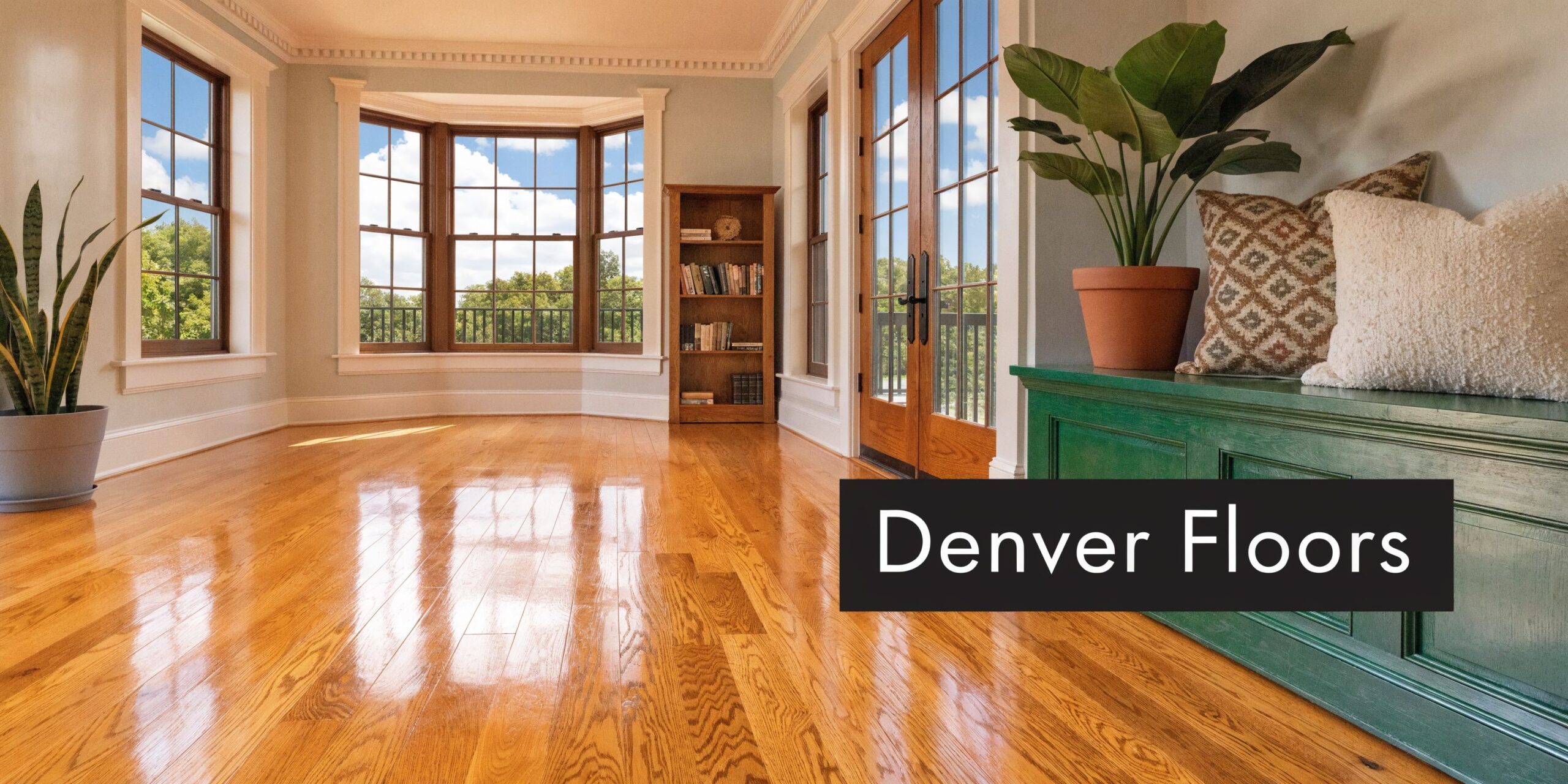
In Denver, those issues often show up sooner because the environment is hard on finishes. Dry seasons can stress wood movement. Snow season brings in moisture and grit. Sunny rooms in neighborhoods like Park Hill, Sloan’s Lake, and Cherry Creek expose every scratch and haze line.
Reliable floor care is a system, not a service call
A lot of people think floor care means mopping more often. It doesn’t. The dependable approach is broader.
It includes:
- Routine maintenance that removes grit before it acts like sandpaper
- Finish protection that matches the traffic in the home
- Targeted restoration such as clean and buff, screen and recoat, or full sanding when the floor needs it
- Material-specific care for hardwood, laminate, and LVP instead of using one method on every surface
Practical rule: If a floor still has finish left, protect it. If the finish is gone, cleaning alone won’t fix the problem.
What reliable floor care looks like in real homes
In older Denver homes, the challenge is often preserving character without overdoing the restoration. In newer homes around Parker or Castle Pines, the issue is usually keeping modern wide-plank floors from showing traffic lanes too early. In pet homes, the priority is different again. Owners want durability and less downtime, not just shine.
That’s why Denver hardwood floor refinishing works best when it’s tied to a long-term plan. A UV-Cure System can make sense for one household. A screen and recoat may be the smarter move for another. Some floors first need wax removal because old products are blocking proper adhesion. Others need professional deep cleaning and buffing.
One local option that handles that range of work is J.R. Hardwood Floor Refinishing & Cleaning, which offers services including clean and buff, wax removal, screen and recoat, full sanding, installation, and instant UV-curable finishing across the Denver metro area.
The Three Pillars of Long-Lasting Floors
Floors last when three things work together. Skip one, and the other two have to work harder.
Proactive maintenance
This is the part homeowners control every week.
Dust, fine grit, and small debris do most of the daily damage. People focus on spills because they’re obvious, but abrasion is what wears the finish down steadily. Chairs slide. Entryways collect grit. Pet traffic creates repeated wear in the same path.
Reliable habits are simple:
- Use dry microfiber first so grit comes off before liquid cleaning
- Keep mats at entries to catch debris before it spreads through the house
- Use felt pads under chairs, stools, and movable furniture
- Clean spills quickly so moisture doesn’t sit on seams or edges
A floor usually doesn’t need more product. It needs less abrasion.
Smart product choices
The wrong cleaner can haze a floor, soften a finish, or leave buildup that attracts more dirt. The right one protects the floor instead of fighting it.
What usually works:
- Neutral cleaners for finished hardwood and many hard-surface floors
- Low-residue products that don’t leave a film behind
- Finish systems matched to traffic rather than chosen by gloss alone
What usually causes problems:
- Oil soaps that build residue
- Vinegar-heavy DIY mixes on finished hardwood
- Steam on sensitive wood floors where heat and moisture can create issues
- Wax products on floors not designed for wax
Professional partnership
This is the part people delay too long.
Homeowners often wait until scratches are deep, finish is patchy, or traffic lanes are fully exposed. By then, a lower-impact service may no longer be enough. Reliable floor care depends on knowing when to bring in a pro for deep cleaning, buffing, recoat work, or refinishing.
Most expensive floor work starts with inexpensive neglect.
A good floor care partner helps with decisions, not just labor. They should tell you when a clean and buff is enough, when a screen and recoat is the better value, and when full sanding is the only sound answer.
Why all three matter together
A durable finish won’t hold up if grit stays on the floor daily. Perfect maintenance won’t save a worn-out coating. Professional refinishing won’t stay attractive if the floor is cleaned with the wrong products afterward.
That’s why reliable floor care works as a system. The homeowner handles the daily defense. The finish provides the protection. The pro steps in before wear turns into restoration.
Your Actionable Maintenance Schedule for Any Floor Type
Different floors need different care. That’s where a lot of avoidable damage starts. Hardwood, LVP, and laminate may look similar from standing height, but they don’t respond the same way to water, friction, or cleaners.
Floor Care Maintenance Schedule Hardwood vs. LVP vs. Laminate
| Frequency | Hardwood | LVP (Luxury Vinyl Plank) | Laminate |
|---|---|---|---|
| Daily or as needed | Dry microfiber dust mop. Spot clean spills right away. | Sweep or dry mop grit and dirt. Wipe spills before they sit. | Dry dust mop or vacuum with hard-floor setting. Clean spills quickly, especially at seams. |
| Weekly | Damp clean with a hardwood-safe neutral cleaner and minimal moisture. | Damp mop with a manufacturer-appropriate cleaner. Avoid heavy residue products. | Use a lightly damp microfiber mop only. Keep water use very controlled. |
| Monthly | Check entryways, chair zones, and pet paths for finish wear. Replace worn felt pads. | Inspect for scuffs, residue, and buildup from household cleaners. | Inspect edges and transitions for swelling risk or moisture exposure. |
| Seasonally | Watch humidity swings and sun exposure. Rotate rugs and furniture when possible. | Clean under rugs and movable furniture to prevent grit abrasion. | Keep water away from edges and inspect for surface separation or swelling. |
| Annually or as needed | Schedule professional evaluation, deep cleaning, buffing, screen and recoat, or refinishing based on finish condition. | Schedule professional deep cleaning if traffic areas stay dull after routine care. | Get a professional assessment if the floor looks worn, hazy, or damaged beyond surface cleaning. |
Hardwood needs the most discipline
Finished hardwood looks forgiving until sunlight hits it across the grain. Then every film, streak, and scratch shows up.
Use a dry microfiber mop often. When you damp clean, keep the mop just damp enough to clean, not wet enough to sit on the floor. Avoid vinegar mixes, oil soaps, and steam. Those shortcuts create many of the correction jobs pros see later.
For floors that are dirty but not ready for sanding, a professional hardwood clean and buff service can remove embedded grime and restore clarity more effectively than repeated DIY mopping.
LVP is durable, but not maintenance-free
LVP handles daily life well, which is why so many Denver households install it in basements, kitchens, and active family zones. But it still shows residue and traffic dullness when the wrong products are used.
Good LVP care is mostly about consistency. Remove grit first. Use a cleaner that doesn’t leave film. Don’t assume “shiny” means clean.
Laminate punishes excess water
Laminate usually holds up well to daily traffic, but it has less forgiveness around seams and edges. Too much moisture is the common mistake.
Keep laminate cleaning boring. Dry first, light moisture second, and never leave water standing.
What to keep by the door and under furniture
A simple setup prevents a lot of wear:
- Entry mats to trap grit before it reaches the main floor
- Shoe habits that reduce tracked-in sand, ice melt, and pebbles
- Felt pads under chairs, couches, and dining furniture
- Soft wheels or protective mats under rolling office chairs
The homes that keep floors looking good longest usually aren’t cleaning harder. They’re preventing damage earlier.
Eco-Friendly Finishes and the Power of a UV-Cure System
Old finish systems asked homeowners to accept trade-offs. You could get protection, but you also got odor, downtime, and days of careful waiting. For active Denver households, that’s often the breaking point.
Modern floor care gives you better options.
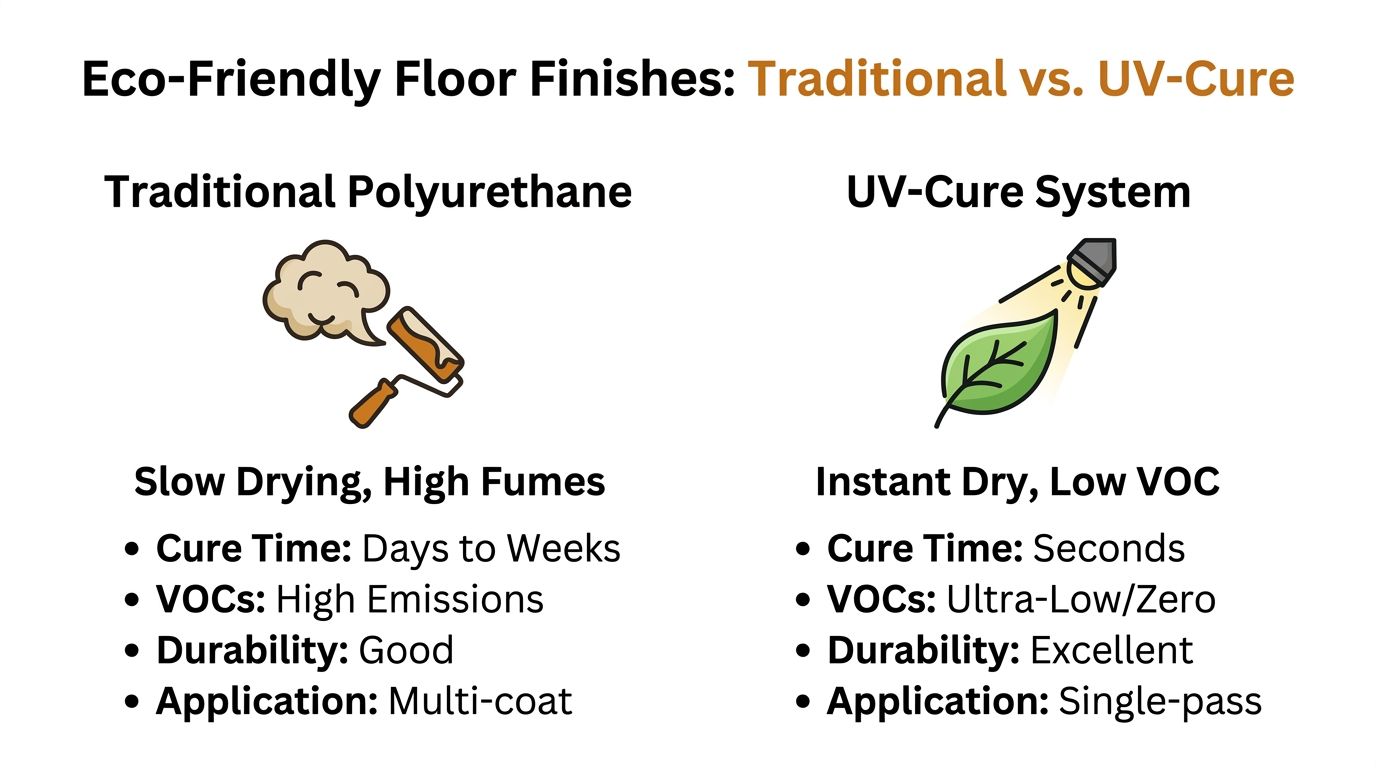
Traditional polyurethane versus UV-Cure System
Traditional finishes still have a place. They can produce a strong result when the schedule allows for longer cure time and limited traffic. But they’re a tougher fit for homes with pets, children, tight move-in timelines, or households that can’t stop using the space.
A UV-Cure System changes that equation. The finish is cured with UV light, so the floor is ready much faster than traditional systems that rely on air-drying and extended cure periods.
Key trade-offs look like this:
Traditional polyurethane
- Longer downtime
- More disruption inside the home
- Greater need to manage odor and traffic during cure
- Good durability when fully cured
UV-Cure System
- Very fast return to use
- Better fit for occupied homes
- Low-odor or ultra-low-emission profile depending on the product
- Strong wear performance for busy households
Why pet owners ask for UV more often
Pet traffic is one of the clearest reasons to choose a tougher, faster finish. A 2025 survey of 2,000 U.S. pet owners found 68% report pet-induced floor scratches, and 42% prioritize a “walkable in hours” refinishing solution, according to Reliable Floor Care’s summary. That lines up with what Denver homeowners ask for every week. They don’t want to move out for days just to protect the floor from the dog the minute they come back.
If you want a practical breakdown of that process, this guide to instant UV-curable hardwood floor finish questions covers what homeowners usually ask before choosing it.
Durability depends on the finish chemistry, not just the shine
Gloss level gets most of the attention. It shouldn’t. The chemistry underneath matters more.
High-performance finishes are built to resist scratching, scuffing, and daily wear better than older low-build approaches. In busy homes, that means the floor keeps its protection longer and doesn’t need attention as quickly.
Eco-conscious homeowners also tend to prefer finish systems that reduce fumes and disruption inside the home. That’s especially important in tighter floor plans, homes with children, and occupied properties being prepared for sale.
The right finish should match the way the home is lived in, not the way the sample board looks under showroom lights.
Where UV-Cure makes the most sense in Denver
UV-curable finishing tends to be a strong fit for:
- Pet households that need fast return to use
- Families with kids who can’t keep traffic off the floor for long
- Real estate prep where downtime affects listing schedule
- High-traffic homes with kitchen-to-living-room wear paths
- Owners who want low-disruption Denver hardwood floor refinishing
For reliable floor care, that’s a major shift. You don’t have to choose between durability and convenience the way you used to.
What to Expect from a Professional Denver Hardwood Floor Refinishing Service
A good refinishing job starts before any machine touches the floor. It starts with diagnosis.
In Denver, one of the most common scenarios is an older red oak floor that still has life left but has been covered up by years of wear, cleaning residue, and uneven touch-up products. You see this a lot in Country Club, Park Hill, and older homes near City Park.
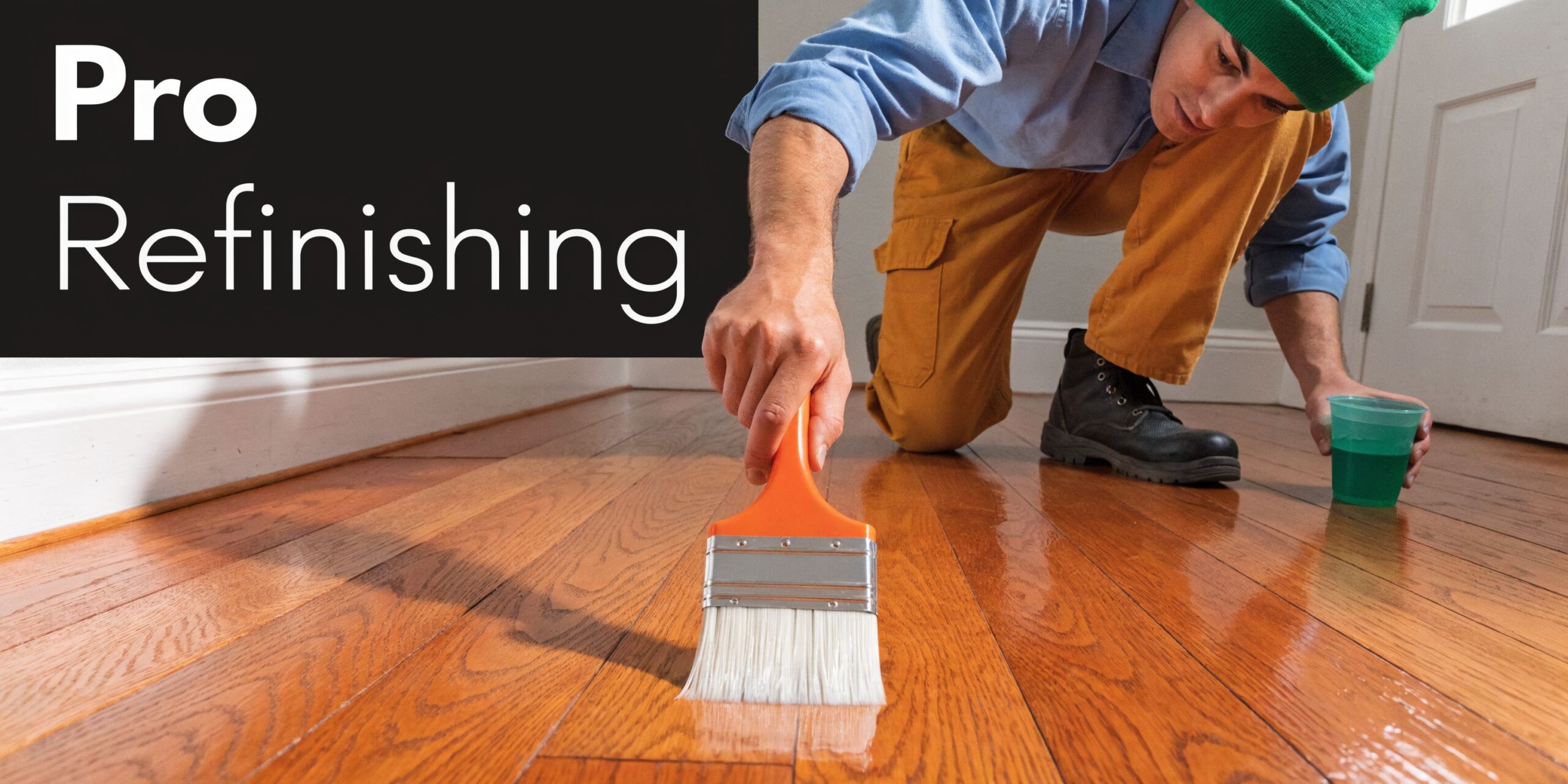
The first question is not sanding or not sanding
The first question is what condition the finish is in.
A professional should check:
- Whether the wear is only in the finish or into the wood itself
- Whether wax or incompatible products are present
- Whether the floor can take a screen and recoat
- Whether board damage, deep staining, or severe scratches require full sanding
- Whether the finish choice should include slip-resistance concerns
That last point matters more than many homeowners realize. For reliable floor care, finishes compliant with ASTM D2047 for slip resistance are important. Products certified by the National Floor Safety Institute can reduce slip-and-fall incidents by up to 60%, as noted in this NFSI and ASTM D2047 discussion.
A typical service path in a Denver home
Many jobs follow a sequence like this:
- Assessment and moisture-safe planning
- Furniture preparation and site protection
- Dust-free or dust-controlled sanding when needed
- Wax removal or deep cleaning if old coatings interfere
- Screen and recoat or full refinishing based on floor condition
- Final finish application, including UV-curable options when selected
For homeowners comparing service levels, this Denver-focused guide to hardwood floor refinishing in Denver helps clarify when each path makes sense.
What dust-free sanding changes
Dust-free sanding doesn’t mean zero particles exist. It means the equipment is designed to capture dust at the source so the house stays dramatically cleaner than older open-sanding methods.
That matters in occupied homes. It matters even more in homes with allergies, pets, or detailed trim and cabinetry that collect fine dust fast.
Here’s a look at the process in motion:
Screen and recoat versus full sanding
A lot of floors don’t need full restoration. They need timing.
If scratches are light and the existing finish is still present, a screen and recoat often restores clarity and protection without cutting deep into the floor. If the finish has failed, boards are discolored, or old wax blocks adhesion, a full sanding is usually the sound answer.
The right contractor should talk you out of unnecessary sanding when the floor still has a simpler path left.
That’s what reliable floor care looks like in practice. Clean diagnosis. The right service for its true condition. No guesswork.
Understanding Floor Care Costs and Long-Term Value
Floor care gets expensive when every decision happens late. Costs make more sense when you compare service life, downtime, and what the floor needs right now.
What common services cost
For Denver-area owners, some baseline pricing used in the market includes:
- Screen & recoat starts at $2.50/sq. ft.
- Wood floor cleaning starts at $1.50/sq. ft.
- Wax removal starts at $2.50/sq. ft.
- Instant UV-Curable Finish $1.5/sq. ft.
For Parker property management and realtor work, published package pricing includes:
- Diamond Traffic Plus $5.50 per sqft
- Platinum Traffic Plus $4.80 per sqft
- Gold Traffic Plus $4.50 per sqft
- Silver Traffic Plus $4.20 per sqft
Those package names matter less than what they signal. Better finish systems usually cost more up front because they’re designed for heavier wear, better scratch resistance, or faster return to service.
Why screen and recoat often has the best ROI
For property managers in high-cost markets like Denver, a screen-and-recoat service at $2.50 to $4.00 per sq. ft. can restore 80% to 90% of a floor’s appearance and extend its life by 5 to 7 years, compared with a full sanding at $6.00 to $10.00 per sq. ft., according to Vanguard Cleaning’s floor care benchmark overview.
That’s why screen and recoat is often the smart middle move. It preserves the floor, improves appearance, and delays major restoration.
If you want a direct pricing discussion, this page on floor refinishing cost per square foot helps frame what changes the final number.
When paying less costs more
Budget work usually gets expensive in three ways:
- Wrong diagnosis so the floor gets over-serviced or under-serviced
- Weak finish selection for the traffic level in the home
- Poor prep that causes adhesion or appearance problems later
For rentals, listings, and commercial traffic, value is tied to timing. A clean and buff at the right time is cheaper than neglect. A recoat at the right time is cheaper than full sanding. A durable finish is cheaper than repeating the same work too soon.
Reliable floor care is rarely about choosing the lowest invoice. It’s about choosing the service that preserves the floor’s remaining life.
Your Checklist for Vetting a Local Floor Care Provider
A floor care contractor doesn’t need a polished sales pitch. They need a process you can verify.
What to ask before you book
Use a simple hiring checklist:
- Ask for insurance and business details so you know who’s entering the home
- Request a written scope that says whether the job is cleaning, buffing, recoat, sanding, wax removal, or installation
- Ask what finish system they use and why it fits your traffic level
- Confirm site protection methods including dust control and furniture planning
- Ask what can stop the job such as wax contamination, board damage, or moisture concerns
Look for proof, not promises
Reviews help, but photos and video help more. You want to see the type of floors they work on.
Check:
- Before-and-after examples from homes similar to yours
- Video of live process work rather than only finished glamour shots
- Testimonials that mention communication, cleanliness, and durability after the job
J.R. Hardwood makes that kind of review easy to audit through its testimonials page and project gallery and videos. You can also review the company’s broader video library on YouTube.
Ask smarter questions about products
Most homeowners ask whether a finish will look glossy. Better question: how will it wear?
Premium Ultra High Solids floor finishes with 30% solids content can reduce maintenance costs by 40% to 50% over 12 months by building a thicker, more resilient protective film, according to Reliable High-Performance Floor Finish product data. That’s the type of detail a qualified contractor should be able to explain in plain language.
If a contractor can’t explain the finish system, they probably can’t explain the result either.
Borrow hiring logic from outside the flooring trade
A lot of the same screening standards apply across home service categories. This guide on how to hire the right cleaning company is useful because it focuses on the basics that matter in any service business: proof of reliability, clear communication, and transparent scope.
Reliable floor care starts before the first estimate. It starts with hiring someone who can diagnose the floor accurately and explain the trade-offs clearly.
Your Next Steps and Floor Care FAQs
Reliable floor care isn’t complicated once you stop treating every floor problem like a cleaning problem. Some floors need better daily habits. Some need a fresh protective coat. Some need full Denver hardwood floor refinishing with a UV-Cure System because the finish is already spent.
The main goal is simple. Protect the finish before you have to restore the wood.
If your floors are in decent shape, start with the least invasive option that solves the problem. If the finish is worn through, don’t waste time chasing shine with household products. Get the floor assessed, choose the right service, and match the finish to the way the home is used.
FAQ about Denver hardwood floor refinishing and UV-Cure System care
How does Denver’s dry climate affect hardwood floors
Dry conditions can stress wood and make existing wear more visible. Seasonal swings also highlight small gaps, traffic lanes, and finish dullness faster than many homeowners expect. Consistent cleaning, controlled indoor humidity, and timely recoating help reduce that cycle.
Is a UV-Cure System safe for homes with pets
Homeowners often choose a UV-Cure System because they want a fast return to normal use and less disruption inside the home. It’s especially practical for pet households because long cure windows are hard to manage when animals need access through the house. The exact use instructions still depend on the finish system applied and the contractor’s guidance on timing.
Can engineered hardwood be screened and recoated
Sometimes, yes. It depends on the condition of the top wear layer, the existing finish, and whether waxes or incompatible products are on the surface. Some engineered floors are excellent candidates for screen and recoat. Others need a different approach. That decision should be made after inspection.
Should I refinish or replace my hardwood floors
If the boards are structurally sound, refinishing is often the better value because it preserves the existing floor and restores appearance. Replacement makes more sense when boards are badly damaged, unstable, or the floor has reached the end of its usable life. The right call depends on wood condition, not frustration level.
J.R. Hardwood Floor Refinishing & Cleaning helps Denver-area homeowners make practical decisions about floor longevity, from cleaning and buffing to screen and recoat, full refinishing, installation, and modern UV-curable finish options. Homeowners on Parker trust J.R. Hardwood Floor Refinishing & Cleaning to restore the natural beauty of their hardwood floors with our dust-free sanding system and advanced UV-curable finishes. Unlike traditional methods, our UV technology cures instantly, so you can move furniture back the same day with no lingering odor or downtime. Choose the perfect refinishing service to match your needs and home traffic. Our dust-free process ensures a clean, beautiful finish every time.
📞 Phone: 720-327-1127
🌐 Website: jrhardwoodfloorrefinishingandcleaning.com
📍 Service Area: Denver, Parker, Castle Rock, Aurora, Littleton, Highlands Ranch, Lakewood, Centennial, Greenwood Village, Castle Pines, Boulder, Colorado Springs, and nearby towns.
YouTube: https://www.youtube.com/channel/UCLaTAi6KxwT-g8QCKqKTQ8Q?sub_confirmation=1