 Skip to content
Many Denver homeowners believe hardwood floors inevitably degrade under daily use, losing beauty and strength within years. That’s a misconception. Wear on wood floors primarily manifests as scratches, dents, dullness, and discoloration from foot traffic, furniture dragging, pet claws, moisture, and UV exposure, abrading the protective finish and exposing wood. Understanding how wear appears, what causes it, and how to protect your investment transforms anxiety into confidence. This guide explains wear types, root causes, and proven strategies to extend your hardwood floor’s life, ensuring decades of lasting beauty in your Denver home.
Table of Contents
- How Wear Shows On Wood Floors And What Causes It
- Longevity And Wear Resistance: Solid Vs. Engineered Hardwood
- Enhancing Durability: Finishes, Maintenance, And Smart Protection
- Restoring Wood Floors: Refinishing And Repair Options
- Protect And Restore Your Denver Hardwood Floors With Expert Care
- Frequently Asked Questions About Wood Floor Wear And Care
Key takeaways
| Point | Details |
|---|---|
| Wear signs | Scratches, dents, dullness, and discoloration result from daily use and environmental factors. |
| Lifespan | Solid hardwood lasts 50-100+ years; engineered floors 25-50 years, depending on refinishing cycles. |
| Protection factors | Finish quality and maintenance routines often matter more than wood species for long-term durability. |
| Preservation tactics | Use durable finishes, furniture pads, area rugs, and moisture control to minimize damage. |
| Restoration value | Periodic refinishing removes wear, restores appearance, and extends floor life significantly. |
How wear shows on wood floors and what causes it
Wear reveals itself through visible changes on your floor’s surface. Scratches appear as fine lines or deeper grooves where abrasive particles or sharp objects drag across the finish. Dents form when heavy items drop or furniture legs press into the wood, compressing fibers. Dullness develops as the protective finish wears thin, losing its original luster and leaving a flat, lifeless appearance. Discoloration emerges from UV exposure fading wood tones unevenly or moisture staining sections darker.
Daily activities drive most wear. Foot traffic grinds dirt and sand particles into the finish, acting like sandpaper with every step. Furniture dragging scrapes the surface, creating visible trails. Pet claws scratch as animals walk or play, especially in high-traffic zones. Moisture from spills, tracked-in snow, or humidity swells wood fibers, weakening the finish bond. UV rays streaming through windows bleach wood color over time, creating stark contrasts between exposed and covered areas.
Abrasion is the primary culprit. Each particle of grit acts as a tiny cutting tool, wearing down the finish layer by layer. Once the finish thins, wood fibers become exposed and vulnerable to deeper damage. You might notice this progression first in entryways, hallways, and around furniture where movement concentrates. The finish protects the wood beneath, so maintaining that barrier is essential.
Homeowners often overlook simple prevention. Placing doormats at entries traps dirt before it reaches your floors. Using hardwood floor protection for pets like nail trimming and paw wipes reduces claw damage. Lifting furniture instead of dragging it prevents scratches. Controlling indoor humidity between 35-55% minimizes wood movement and finish cracking. These small habits compound into significant protection over years.
Pro Tip: Sweep or vacuum daily in high-traffic areas to remove abrasive particles before they grind into your finish, preserving its protective layer longer.
Understanding wear patterns helps you anticipate problem zones. Entryways endure the most abuse from outdoor debris. Kitchen floors face spills and dropped utensils. Living areas see furniture movement and pet activity. Recognizing these hotspots lets you focus protection efforts where they matter most, extending your floor’s beauty and function.
Longevity and wear resistance: solid vs. engineered hardwood
Floor type dramatically affects lifespan. Solid hardwood lasts 50-100+ years with multiple refinishings; engineered 25-50 years, depending on veneer thickness and refinishing cycles. Solid planks consist entirely of hardwood, allowing you to sand and refinish them 5-10 times over decades. Engineered floors feature a thin hardwood veneer over plywood layers, limiting refinishings to 1-3 times before reaching the core.
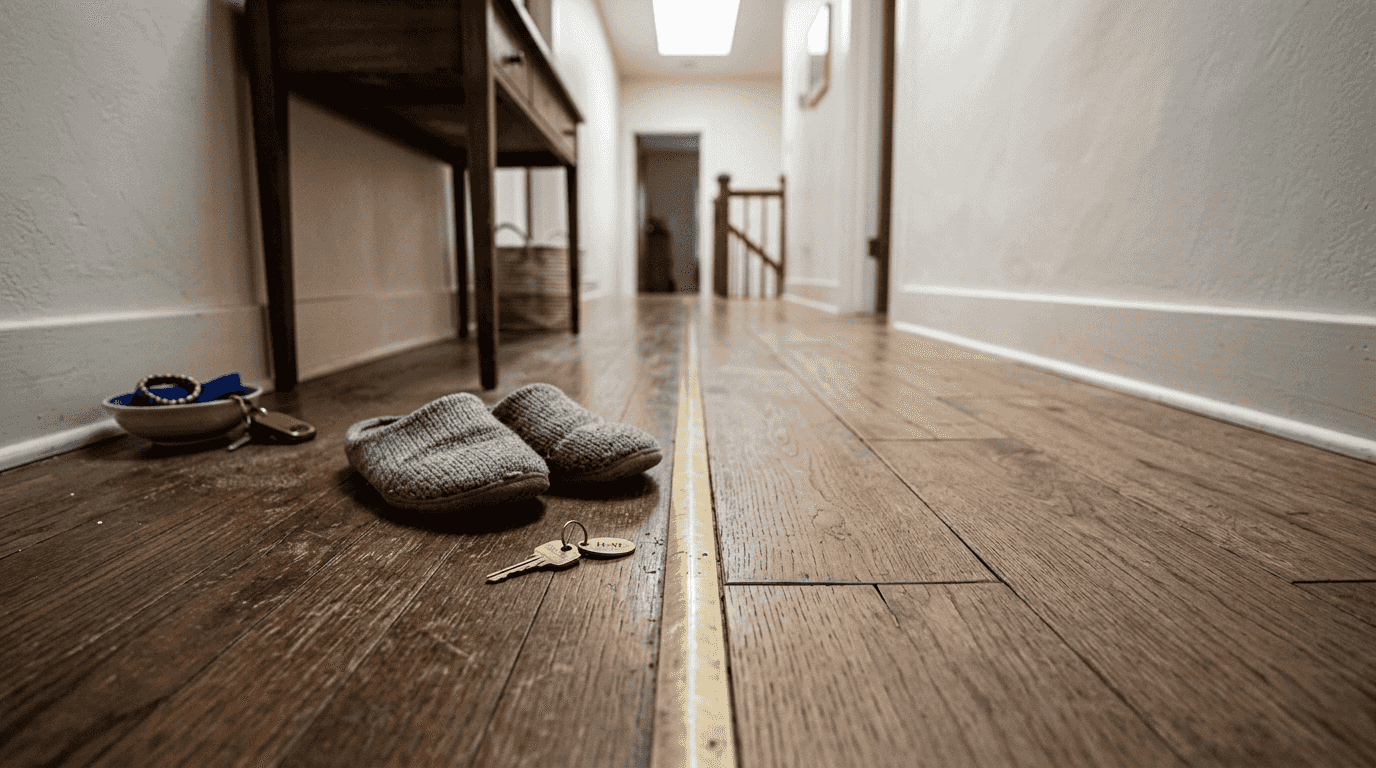
Wood density influences abrasion resistance. Empirical wear tests show denser species like hickory, maple, and oak experience less thickness loss from abrasion compared to softer woods like pine or fir. Denser wood fibers pack tighter, resisting compression and surface damage better. Hickory rates around 1820 on the Janka hardness scale, while red oak measures 1290, making hickory noticeably more dent-resistant under identical conditions.
Refinishing potential extends solid hardwood life dramatically. Each refinishing cycle removes 1/32 to 1/16 inch of wood, erasing decades of scratches and dullness. A 3/4-inch solid plank tolerates many cycles before thinning too much. Engineered floors with 1/8-inch veneers might handle one or two refinishings, then require replacement. This difference makes solid hardwood the superior long-term investment for homes planning to stay put.
Species alone doesn’t determine durability. Finish quality, grain orientation, and maintenance habits often outweigh wood hardness in real-world performance. A softer species with excellent finish and care can outlast a harder species neglected or poorly finished. Janka predicts dents but not abrasion fully; finish quality, grain, maintenance more impactful long-term than species alone. Choosing flooring for high traffic areas requires balancing species, finish, and care routines.
| Floor Type | Typical Lifespan | Refinishing Cycles | Best Use Case |
|---|---|---|---|
| Solid Hardwood | 50-100+ years | 5-10 times | Long-term homes, heirloom quality |
| Engineered Hardwood | 25-50 years | 1-3 times | Moisture-prone areas, budget-conscious |
Pro Tip: If you plan to stay in your Denver home for decades, invest in solid hardwood with a premium finish to maximize refinishing opportunities and lifespan.
Engineered floors suit specific situations. Basements and areas with humidity fluctuations benefit from engineered construction’s dimensional stability. The plywood core resists expansion and contraction better than solid wood. However, you sacrifice long-term refinishing potential. Weigh your priorities: immediate stability versus decades of renewal.
Enhancing durability: finishes, maintenance, and smart protection
Finish technology transforms wear resistance. Al2O3-added finishes (scratch/abrasion resistant) incorporate aluminum oxide particles into the topcoat, creating a harder surface that resists daily abrasion far better than traditional polyurethane alone. These finishes extend time between refinishings by years, protecting the wood beneath from premature exposure. Water-based polyurethanes with ceramic additives offer similar benefits while drying faster and emitting fewer fumes.
Furniture pads prevent concentrated damage. Felt pads under chair and table legs distribute weight across a larger surface area, reducing dent risk. Replace pads every 6-12 months as they compress and collect grit that can scratch when furniture moves. Use larger pads for heavier furniture to spread load further. This simple step eliminates a major wear source in dining rooms and home offices.
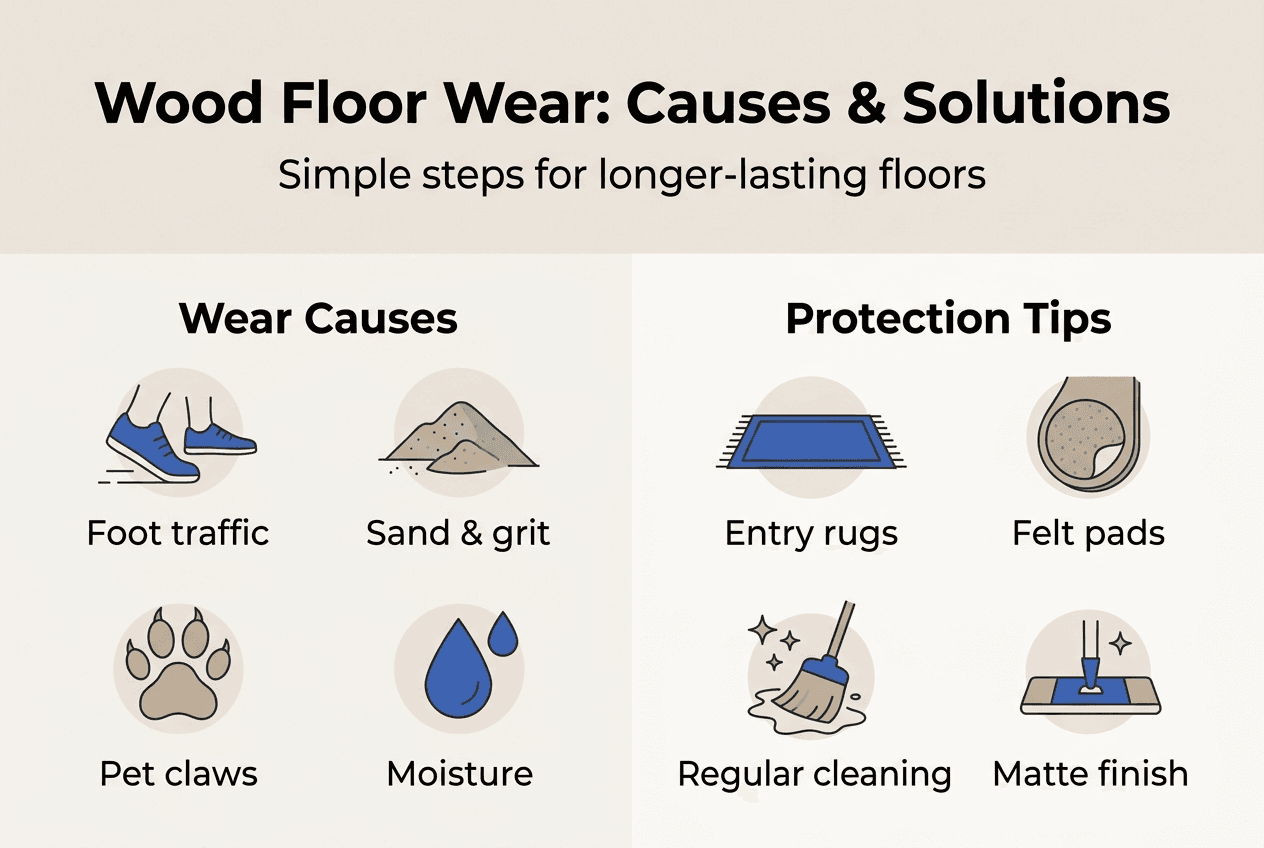
Area rugs shield high-traffic zones. Place rugs in entryways, hallways, and in front of sinks to absorb impact and trap debris. Choose rugs with non-slip, non-staining backings to avoid discoloration or finish damage. Rotate rugs periodically to ensure even wear and prevent UV fading patterns. Rugs also add warmth and style while protecting your investment.
Moisture and chemical avoidance preserves finish integrity. Never wet-mop hardwood floors; use damp microfiber cloths or approved hardwood cleaners. Standing water seeps into seams, swelling wood and breaking finish bonds. Avoid vinegar, ammonia, or harsh detergents that strip protective coatings. Clean spills immediately with a dry cloth, then follow with a barely damp wipe if needed. Denver’s dry climate helps, but winter snow tracking and summer humidity spikes still pose risks.
Sheen choice affects wear visibility. Matte sheens hide scratches better than glossy finishes because light diffuses across the surface rather than reflecting sharply. Scratches on gloss finishes catch light, making them more noticeable. Satin and matte finishes offer a practical middle ground, balancing aesthetics with wear concealment. Consider your lifestyle when selecting sheen during installation or refinishing.
| Protection Method | Benefit | Maintenance Frequency |
|---|---|---|
| Furniture pads | Prevents dents and scratches | Replace every 6-12 months |
| Area rugs | Shields high-traffic zones | Rotate quarterly, clean monthly |
| Daily sweeping | Removes abrasive particles | Daily in high-traffic areas |
| Humidity control | Prevents wood movement | Monitor year-round, adjust seasonally |
Maintenance habits sustain finish quality. Sweep or vacuum daily to remove grit. Use microfiber mops with hardwood-specific cleaners weekly. Trim pet nails monthly. Rearrange furniture annually to distribute wear. These routines sound simple, but consistency makes the difference between floors that last 30 years and those needing refinishing at 15.
Pro Tip: Invest in a quality hardwood floor finishes guide to understand finish options before installation or refinishing, ensuring you choose the best protection for your lifestyle.
Colorado’s climate demands attention. Low humidity in winter can shrink wood, opening gaps between planks. Humidifiers help maintain stable moisture levels. Summer monsoons bring brief humidity spikes; dehumidifiers prevent swelling. Following proper floor care for hardwood tailored to Denver’s conditions protects your floors year-round. When scratches do appear, hardwood scratch removal techniques can address minor damage before it worsens.
Restoring wood floors: refinishing and repair options
Refinishing reverses wear damage by removing the worn finish and thin wood layer, revealing fresh wood beneath. You’ll know it’s time when scratches penetrate the finish, dullness persists after cleaning, or discoloration spreads. Solid hardwood can be refinished multiple times, extending its lifespan dramatically. Engineered floors with thick veneers may handle one or two refinishings before reaching the core.
The refinishing process follows clear steps:
- Empty the room completely and seal doorways to contain dust.
- Sand the floor with progressively finer grits, removing old finish and smoothing the wood surface.
- Fill gaps and cracks with wood filler matched to your floor’s color.
- Apply stain if desired, allowing it to penetrate and dry fully.
- Seal with multiple coats of polyurethane or other protective finish, sanding lightly between coats.
- Cure the finish for 24-72 hours before replacing furniture and resuming normal use.
DIY refinishing saves money but demands skill and equipment. Renting a drum sander costs $50-100 daily, plus supplies. Mistakes like sanding too deep or applying finish unevenly can ruin floors, requiring professional correction. The process is physically demanding and time-consuming, often taking a weekend or longer for a single room. Dust containment is challenging, spreading fine particles throughout your home.
Professional services deliver consistent results. Experienced teams complete refinishing faster with superior equipment, minimizing disruption. They handle tricky areas like stairs, edges, and transitions seamlessly. Professionals also offer advanced finishes like UV-curable coatings that cure in hours, not days, reducing downtime. The investment pays off in quality and peace of mind, especially for whole-home projects.
Simple repairs address minor damage without full refinishing. Shallow scratches respond to scratch repair techniques like touch-up markers, wax sticks, or blending pens matched to your floor’s color. Deeper scratches may require wood filler, sanding, and spot refinishing. Small dents sometimes respond to steam treatment: place a damp cloth over the dent and apply a hot iron briefly to swell compressed fibers back into place.
Ongoing maintenance after restoration preserves results. Follow the care routines outlined earlier: daily sweeping, weekly damp mopping with approved cleaners, furniture pads, and humidity control. A well-maintained refinished floor can look new for 10-15 years before needing attention again. Neglect accelerates wear, shortening the interval between refinishings and reducing your floor’s total lifespan.
Consult a hardwood floor maintenance guide to develop a sustainable care plan. Understanding when to repair versus refinish versus replace helps you make cost-effective decisions. Minor wear needs simple fixes; widespread damage justifies refinishing; structural issues or thin veneers may require replacement. Assessing your floor’s condition honestly guides the right solution.
Protect and restore your Denver hardwood floors with expert care
Your hardwood floors represent a significant investment in your home’s beauty and value. Professional refinishing extends their life and restores their original appearance, erasing years of wear in days. Experts tailor restoration to Denver’s unique climate and your home’s specific needs, ensuring durable results that withstand Colorado’s dry winters and active lifestyles. Whether you need professional hardwood floor refinishing or guidance on preserving your floors between services, local specialists provide reliable solutions.
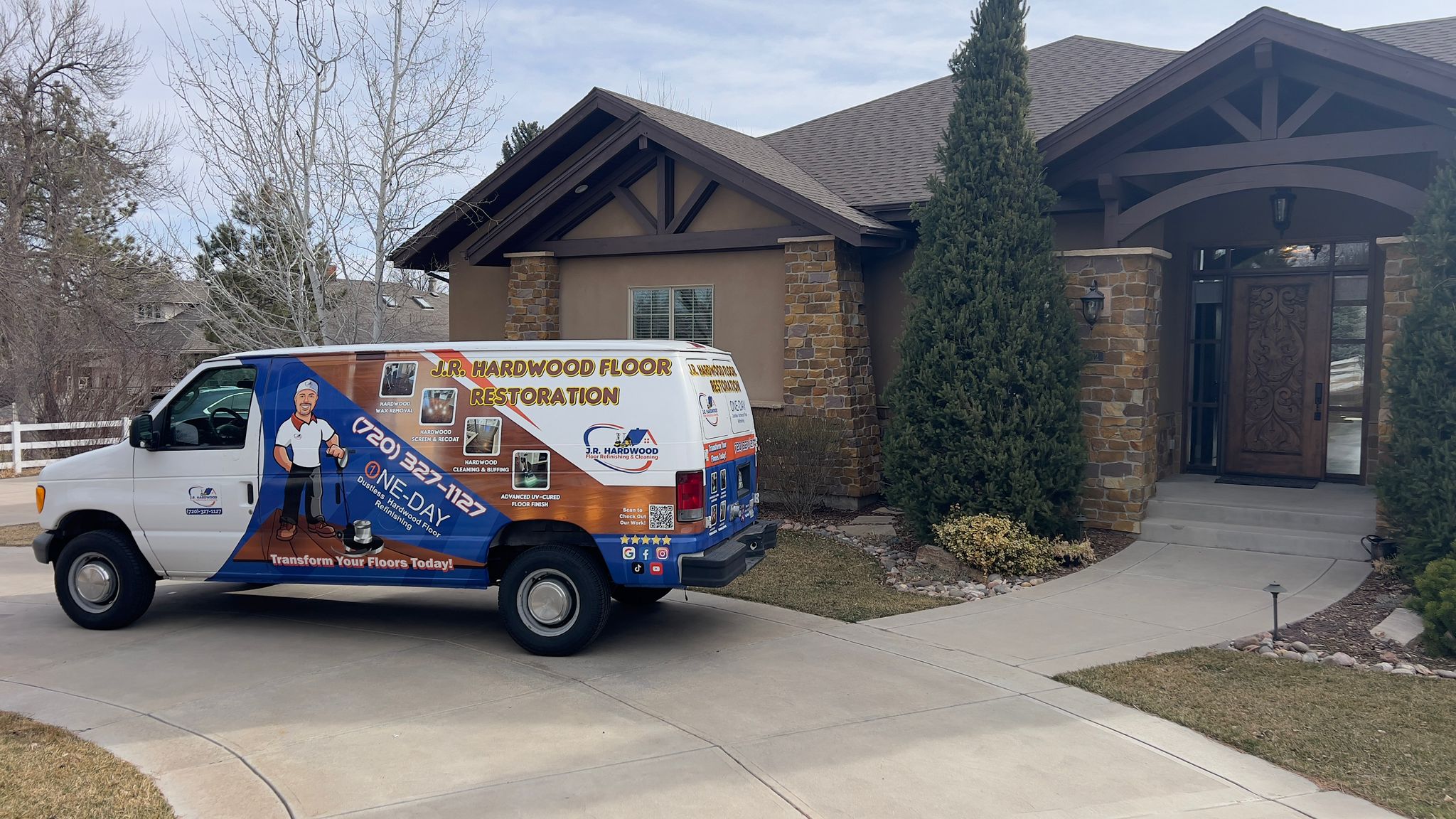
J.R. Hardwood Floor Refinishing & Cleaning combines award-winning craftsmanship with modern technology to deliver like-new transformations. From full sanding and restoration to screen and recoat services, the team removes scratches, dullness, and wear while protecting your floors for decades. Access detailed hardwood floor restoration guide resources and expert floor care tips Denver hardwoods to maintain lasting beauty. Free over-the-phone quotes and clear scheduling make professional care accessible and predictable.
Frequently asked questions about wood floor wear and care
How often should I refinish my hardwood floor in Denver?
Refinish every 7-10 years for high-traffic homes or 10-15 years for lighter use. Denver’s dry climate can accelerate finish wear, so monitor for dullness, scratches penetrating the finish, or widespread discoloration as signs refinishing is due.
Can pet claws permanently damage wood floors?
Yes, pet claws scratch the finish and can gouge the wood if left unchecked. Regular nail trimming, paw wipes to remove dirt, and area rugs in pet zones minimize damage. Minor scratches often repair with touch-up products; deep gouges may need professional attention.
What finish type best hides everyday scratches?
Matte and satin finishes hide scratches better than gloss because they diffuse light rather than reflecting it sharply. Aluminum oxide-enhanced finishes also resist scratching better, reducing visible wear over time.
Does Colorado’s climate affect wood floor wear?
Yes, Colorado’s low humidity causes wood to contract in winter, potentially opening gaps and stressing finishes. Summer humidity spikes can swell wood. Maintain indoor humidity between 35-55% year-round to minimize movement and finish cracking.
Are engineered floors a good choice for wear resistance?
Engineered floors offer decent wear resistance and better dimensional stability in moisture-prone areas. However, thin veneers limit refinishing to 1-3 cycles, making them less durable long-term than solid hardwood, which tolerates 5-10 refinishings over 50-100+ years.
How do I remove scratches without refinishing the entire floor?
Shallow scratches respond to touch-up markers, wax sticks, or blending pens matched to your floor’s color. Deeper scratches may need wood filler, light sanding, and spot refinishing. For widespread damage, full refinishing becomes more cost-effective than piecemeal repairs.