 Skip to content
Selling your Denver home means showcasing every detail, yet many homeowners discover their hardwood floors look dull, scratched, and worn after winters of ski boots and salt residue. Proper cleaning restores shine, protects your investment, and can add thousands to your home’s market value. This guide delivers expert-backed methods tailored specifically for Denver hardwood care, helping you prepare floors that impress potential buyers from the first showing.
Table of Contents
- Understanding Your Hardwood Floors And Local Challenges
- Preparing Your Hardwood Floors For Cleaning
- Step-By-Step Cleaning Process Before Listing Your Home
- Maintaining Shine And Protecting Floors After Cleaning
- Enhance Your Home’s Value With Professional Hardwood Services
- FAQ
Key takeaways
| Point | Details |
|---|---|
| Use pH-neutral cleaners | Protects polyurethane finishes and prevents residue buildup that dulls floors. |
| Vacuum regularly with soft tools | Removes grit that causes scratches, especially important during Denver’s snowy season. |
| Control indoor humidity | Maintain 35-55% humidity to prevent warping and extend floor life before listing. |
| Test products first | Apply new cleaners in hidden areas to avoid finish damage and preserve shine. |
| Avoid over-wetting floors | Light misting prevents streaking, warping, and moisture damage during cleaning. |
Understanding your hardwood floors and local challenges
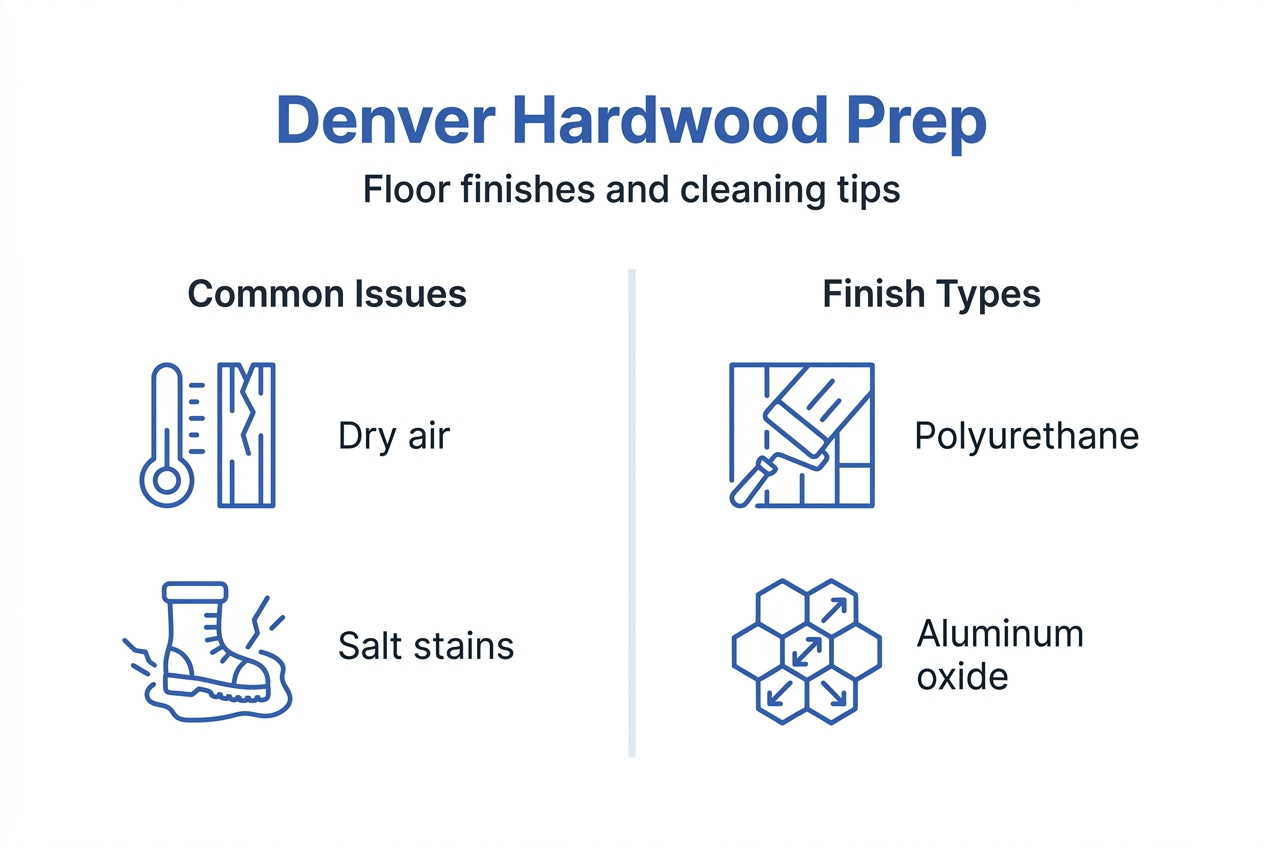
Before you start cleaning, identify your floor’s finish type. Most Denver homes feature polyurethane or aluminum-oxide urethane finishes, which require neutral or mildly alkaline cleaners to maintain their protective seal. Understanding this prevents costly mistakes that strip finish and reduce home value.
Denver’s unique climate creates specific challenges for hardwood floors. Ski boots cause damage through hard plastic shells, metal buckles, and tracked-in debris that scratch and gouge surfaces. Winter salt residue creates white haze that penetrates finish and proves difficult to remove without proper techniques.
Local factors affecting your floors include:
- Tracked-in sand, gravel, and road grit from mountain roads
- Ice-melting chemicals that leave corrosive residue
- Humidity swings between dry winter air and summer moisture
- High-traffic wear patterns from mudroom to living spaces
- UV exposure from Colorado’s intense sunshine fading finish
Recognizing these challenges helps you choose the right hardwood cleaning guide Colorado floors approach. Polyurethane finishes tolerate water-based cleaning when done correctly, but penetrating oil or wax finishes require completely different care. Inspect your floors under bright light to spot existing damage, dullness, or haze before you begin cleaning.
Preparing your hardwood floors for cleaning
Proper preparation protects your floors and ensures cleaning efforts deliver maximum results. Start by thoroughly sweeping or vacuuming using soft-bristle attachments to remove loose dirt, dust, and grit. This simple step prevents scratching during wet cleaning and is critical for Denver homes dealing with constant debris from outdoor activities.
Stabilize your indoor environment before cleaning begins. Maintain humidity between 35-55% and temperatures between 60-80°F to prevent warping and dimensional changes. Use humidifiers during dry winter months and dehumidifiers during humid summer periods to protect your investment.
Remove area rugs, furniture, and obstacles to expose the entire floor surface. This allows thorough cleaning and helps you identify problem areas that need extra attention before showings. Clear spaces also dry faster, reducing moisture exposure time.
Pro Tip: Create a designated winter entryway or mudroom with waterproof mats and boot trays to capture salt, moisture, and debris before they reach your hardwood floors, significantly reducing cleaning frequency and damage.
Address spills immediately by blotting with microfiber cloths rather than wiping, which spreads moisture. This prevents stains from setting and reduces the risk of water damage. Regular vacuuming and protective measures significantly extend floor life and appearance, making your pre-listing prep easier and more effective.
Gather your supplies before starting: pH-neutral hardwood cleaner, spray mop or spray bottle, microfiber mop heads, soft vacuum attachment, and quality hardwood polish. Having everything ready streamlines the process and prevents interruptions that could leave cleaning solution sitting too long on floors. Review proper floor care Denver hardwoods techniques to ensure you’re following best practices.
Step-by-step cleaning process before listing your home
Follow this proven sequence to safely clean and restore your hardwood floors for maximum buyer appeal.
-
Dry clean thoroughly: Vacuum the entire floor using a soft-bristle attachment, paying special attention to corners, edges, and under furniture. Follow with a dry dust mop to capture fine particles that vacuums miss.
-
Choose the right cleaner: Use pH-neutral cleaners formulated for hardwood to prevent damage and residue buildup. Avoid DIY mixtures like vinegar solutions or oil soaps that strip protective finish and leave dull film.
-
Apply cleaning solution correctly: Use a spray mop to lightly mist cleaner directly onto small sections of floor. Oversaturating hardwood with cleaning solution leads to streaking, buildup, and diminished shine.
-
Wipe and dry immediately: Follow your spray pattern with a microfiber mop, working in the direction of the wood grain. Open windows or use fans to accelerate drying and prevent moisture from penetrating seams.
-
Polish for restored shine: Apply quality hardwood floor polish using a clean microfiber applicator. Surface-level cleaning and polishing can revive floors without sanding, filling light scratches and restoring luster that attracts buyers.
Pro Tip: Test any new cleaning product on a hidden area like inside a closet first to ensure it doesn’t damage your specific finish or cause discoloration.
| Cleaning Approach | Do | Don’t | Impact |
|---|---|---|---|
| Products | pH-neutral hardwood cleaner | Vinegar, oil soap, ammonia | Protects finish vs. strips coating |
| Tools | Microfiber mop, soft vacuum | Steam mop, abrasive pads | Gentle cleaning vs. surface damage |
| Moisture | Light spray misting | Saturated mop, standing water | Quick drying vs. warping risk |
| Technique | Work with grain direction | Circular scrubbing motions | Smooth finish vs. visible marks |
This methodical approach ensures you clean effectively without causing damage. Regular light cleaning combined with periodic polishing delays the need for expensive sanding and refinishing, saving money while maintaining floor beauty. For comprehensive guidance, explore our floor cleaning best practices and hardwood restoration tips to understand when DIY cleaning suffices and when professional intervention becomes necessary.
Maintaining shine and protecting floors after cleaning
Cleaning delivers immediate results, but maintaining that showroom appearance through your listing period requires consistent care. Sweep or vacuum daily using soft-bristle attachments to reduce grit abrasion, especially in high-traffic areas where buyers will walk during showings.
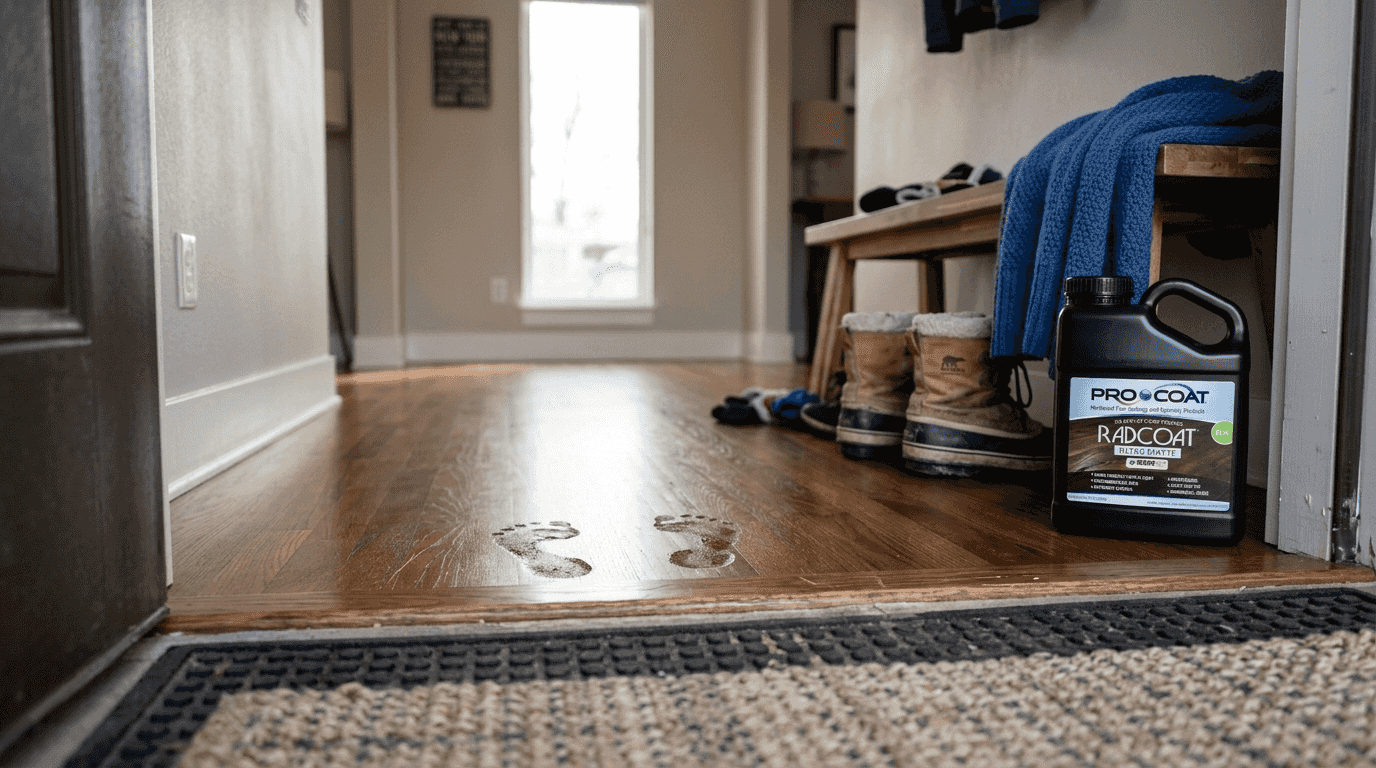
Place protective rugs or mats strategically in entryways and high-traffic zones to reduce scuffing and salt exposure. Choose breathable rug pads that won’t trap moisture underneath, which can cause discoloration and damage. During winter months, position extra mats near exterior doors to capture salt residue that creates white haze on hardwood surfaces.
| Protective Measure | Benefits | Considerations |
|---|---|---|
| Area rugs in entries | Captures 80% of tracked debris | Must use breathable pads |
| Humidity control 35-55% | Prevents warping and gaps | Requires monitoring equipment |
| Daily soft vacuuming | Removes abrasive grit | Takes 10-15 minutes daily |
| Immediate spill cleanup | Prevents stains and water damage | Requires quick response |
Avoid using oil soaps or generic polishes that leave residue causing dullness and attracting more dirt. These products create buildup that requires professional removal, potentially costing hundreds before your listing goes live. Stick with products specifically formulated for your finish type.
Maintain indoor humidity between 35-55% throughout the listing period to prevent warping and improve floor longevity. Denver’s dry climate often requires humidifiers in winter, while summer humidity may need dehumidification. Stable conditions prevent gaps, cupping, and crowning that alarm potential buyers.
Pro Tip: Use a wood stain marker or blending pencil to disguise small nicks and scratches before showings, instantly improving appearance without expensive repairs.
Implement quick cleanup strategies for inevitable spills and tracked-in moisture. Keep microfiber cloths accessible in every room with hardwood, allowing immediate blotting rather than waiting until moisture penetrates finish. This simple habit prevents water marks and stains that reduce perceived home value.
Consider establishing a shoes-off policy during the listing period to minimize wear and keep floors looking pristine between showings. Provide a attractive bench and shoe storage near entrances to make this easy for visitors. Visit our hardwood floor maintenance guide for additional long-term care strategies that preserve your investment beyond the sale.
Enhance your home’s value with professional hardwood services
While thorough cleaning significantly improves floor appearance, some situations benefit from professional refinishing to maximize listing impact. Deep scratches, worn finish, or persistent dullness may require expert restoration that DIY methods can’t achieve.
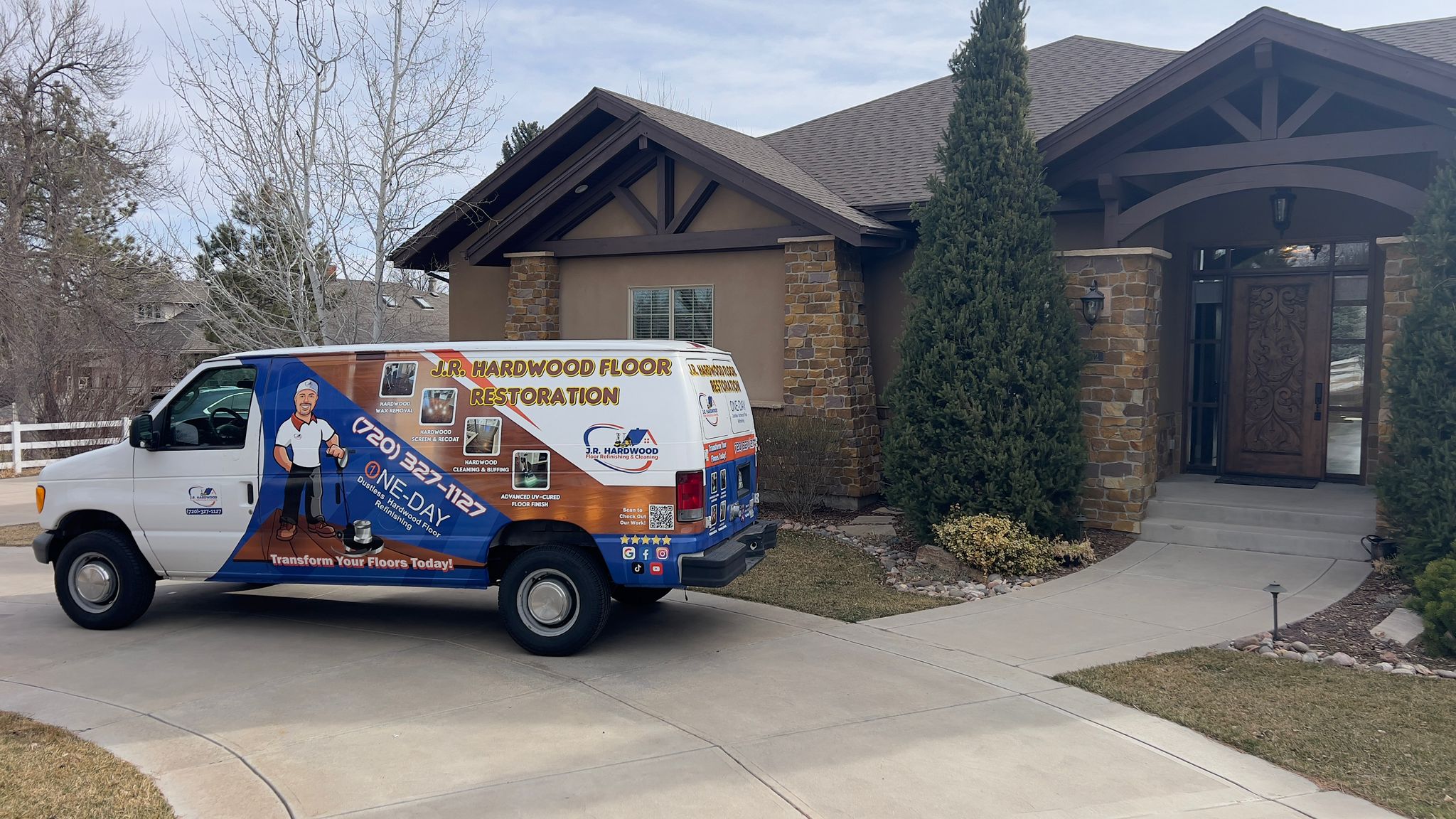
J.R. Hardwood Floor Refinishing & Cleaning specializes in transforming Denver area hardwood floors using eco-friendly products and premium finishes. Our team provides free over-the-phone quotes, clear scheduling, and expert guidance tailored to your floor’s condition and timeline before listing. We serve the entire Denver Metro Area including Parker, Castle Rock, Boulder, and Colorado Springs with award-winning craftsmanship backed by 5-star reviews.
Explore whether hardwood floor refinishing services make sense for your listing timeline and budget. Our hardwood floor refinishing guide compares DIY approaches with professional restoration, helping you make informed decisions that maximize return on investment while meeting your selling schedule.
FAQ
What is the best cleaner for hardwood floors before listing?
pH-neutral cleaners designed specifically for hardwood are best to protect finish and avoid residue. Avoid vinegar, oil soaps, and generic polishes that can dull floors and strip protective coatings, reducing buyer appeal and potentially requiring expensive restoration.
How often should I deep clean my hardwood floors before selling my home?
Deep clean every 4-6 weeks during the listing period, or monthly in high-traffic homes with pets or children. Combine deep cleaning with daily vacuuming and dry dusting for optimal results that maintain showroom appearance between buyer showings.
Can I use water-based cleaners on all hardwood floors?
Water-based cleaners work perfectly for polyurethane finishes but damage penetrating finishes like tung oil or paste wax. Identify your floor’s finish type before choosing cleaning methods to avoid costly damage that reduces home value.
What are common mistakes to avoid when cleaning hardwood floors?
Avoid oversaturating floors with water or cleaning solutions, which causes warping and dullness. Never use acidic or alkaline cleaners, vinegar, or oil soap products that strip finish. Regularly vacuum with soft tools to minimize grit scratches and prevent abrasion damage.