 Skip to content
Most American homeowners are surprised to learn that improper hardwood maintenance can reduce a floor’s lifespan by as much as 50 percent. Hardwood flooring is not just a style choice but a valuable investment that requires a thoughtful care routine to keep it looking its best. With the right approach, you can preserve its beauty, prevent costly repairs, and ensure your floors remain a standout feature in your home for years to come.
Table of Contents
- Defining Hardwood Maintenance And Its Purpose
- Types Of Hardwood Flooring And Their Needs
- Preventing Damage From Pets, Shoes, And Furniture
- Eco-Friendly Cleaning And Finish Options
- Avoiding Costly Maintenance Mistakes
Key Takeaways
| Point | Details |
|---|---|
| Hardwood Maintenance Importance | Regular maintenance prevents wear, structural degradation, and enhances the longevity and value of hardwood floors. |
| Tailored Care for Flooring Type | Different hardwood types, such as solid, engineered, and reclaimed, require specific maintenance strategies for optimal performance. |
| Preventive Measures Against Damage | Implement protective strategies, including trim pet nails and use furniture pads, to avoid scratches and dents in hardwood surfaces. |
| Moisture Management is Essential | Control indoor humidity levels between 30-50% to prevent warping and cracking of hardwood floors, ensuring their durability. |
Defining Hardwood Maintenance and Its Purpose
Hardwood floor maintenance represents a critical investment in preserving the beauty, functionality, and longevity of one of your home’s most significant surfaces. At its core, maintenance is about protecting your floors from everyday wear and preventing premature aging through strategic, proactive care. Wood floor experts from the National Wood Flooring Association emphasize that proper maintenance involves more than occasional cleaning – it requires consistent, mindful attention.
Maintenance encompasses several key strategies designed to shield hardwood from potential damage. These include immediate spill cleanup, using protective furniture pads, regular debris removal, and periodic professional cleaning. Cornell Cooperative Extension recommends using soft-bristled brooms and specialized wood floor cleaning products to maintain both appearance and durability. By implementing these techniques, homeowners can significantly extend their floor’s lifespan and preserve its original aesthetic appeal.
The fundamental purpose of hardwood maintenance goes beyond cosmetic preservation. It protects your significant financial investment by preventing structural degradation, minimizing costly repairs, and maintaining your property’s overall value. Regular maintenance prevents scratches, reduces wear patterns, controls moisture absorption, and helps floors resist environmental stressors that could compromise their structural integrity. Proactive care means addressing minor issues before they transform into major, expensive problems.
Pro Tip: Frequency Matters. Establish a consistent maintenance routine by sweeping or dust mopping hardwood floors 2-3 times weekly, and performing a deeper professional cleaning every 6-12 months to ensure maximum protection and longevity.
Types of Hardwood Flooring and Their Needs
Hardwood flooring offers homeowners a diverse range of materials, each with unique characteristics and maintenance requirements. The National Wood Flooring Association highlights three primary categories: solid wood, engineered wood, and composite engineered wood. Understanding the specific needs of each type is crucial for preserving their appearance, durability, and long-term performance.
Solid hardwood floors represent the traditional, most classic option. Crafted from single pieces of wood, these floors can be sanded and refinished multiple times, providing exceptional longevity. Species like Oak, Maple, and Walnut offer varying degrees of hardness and aesthetic appeal. Engineered wood floors, constructed with multiple layers of wood and plywood, provide greater stability and moisture resistance. Home inspectors note that these floors are particularly suitable for areas with fluctuating humidity levels, such as basements or rooms with radiant heating.
Reclaimed and exotic wood floors present unique maintenance challenges and opportunities. Reclaimed wood brings historical character and sustainability, while exotic wood species like Brazilian Cherry or Mahogany offer stunning visual appeal and exceptional durability. Each type requires specialized care, including specific cleaning techniques, humidity control, and periodic professional assessment to maintain their distinctive qualities. The selection of hardwood flooring depends on factors like foot traffic, environmental conditions, aesthetic preferences, and long-term maintenance commitment.
Pro Tip: Material Match. Always match your maintenance routine to your specific hardwood type, considering its unique composition, finish, and environmental sensitivity to ensure optimal preservation and longevity.
Here’s a summary of major hardwood floor types and their distinct maintenance considerations:
| Floor Type | Durability | Ideal Environments | Maintenance Focus |
|---|---|---|---|
| Solid Hardwood | Very high, refinishable | Living spaces, bedrooms | Sanding, refinishing as needed |
| Engineered Wood | Stable, moisture-resistant | Basements, kitchens | Humidity control, gentle cleaning |
| Composite Engineered | Good, cost-effective | High-traffic, pet households | Scratch prevention, regular cleaning |
| Reclaimed/Exotic Wood | Unique, often durable | Eco-conscious, custom interiors | Specialized cleaning, humidity control |
Preventing Damage From Pets, Shoes, and Furniture
Hardwood floors are beautiful but vulnerable surfaces that require strategic protection from everyday hazards. The National Wood Flooring Association recommends proactive measures to shield floors from potential damage caused by pets, furniture, and footwear. Understanding these risks and implementing preventative strategies can significantly extend your floor’s lifespan and maintain its pristine appearance.
Pet-related damage represents one of the most common challenges for hardwood floor owners. Sharp claws can create deep scratches, while pet accidents can cause permanent staining and warping. Trimming pet nails regularly, using protective area rugs in high-traffic zones, and immediately cleaning any liquid spills are critical protective steps. Diamond Certified experts suggest using felt pads under furniture legs to prevent scratching and strategically placing mats near entryways to catch dirt and moisture before it reaches your floors.
Footwear can be surprisingly destructive to hardwood surfaces. High heels, work boots, and athletic shoes with hard soles can leave permanent dents, scuff marks, and surface damage. Establishing a no-shoes policy indoors, providing a designated shoe removal area, and using soft-soled indoor slippers can dramatically reduce potential floor damage. Additionally, understanding the specific hardness and finish of your wood floors helps you develop more targeted protection strategies tailored to your home’s unique flooring characteristics.
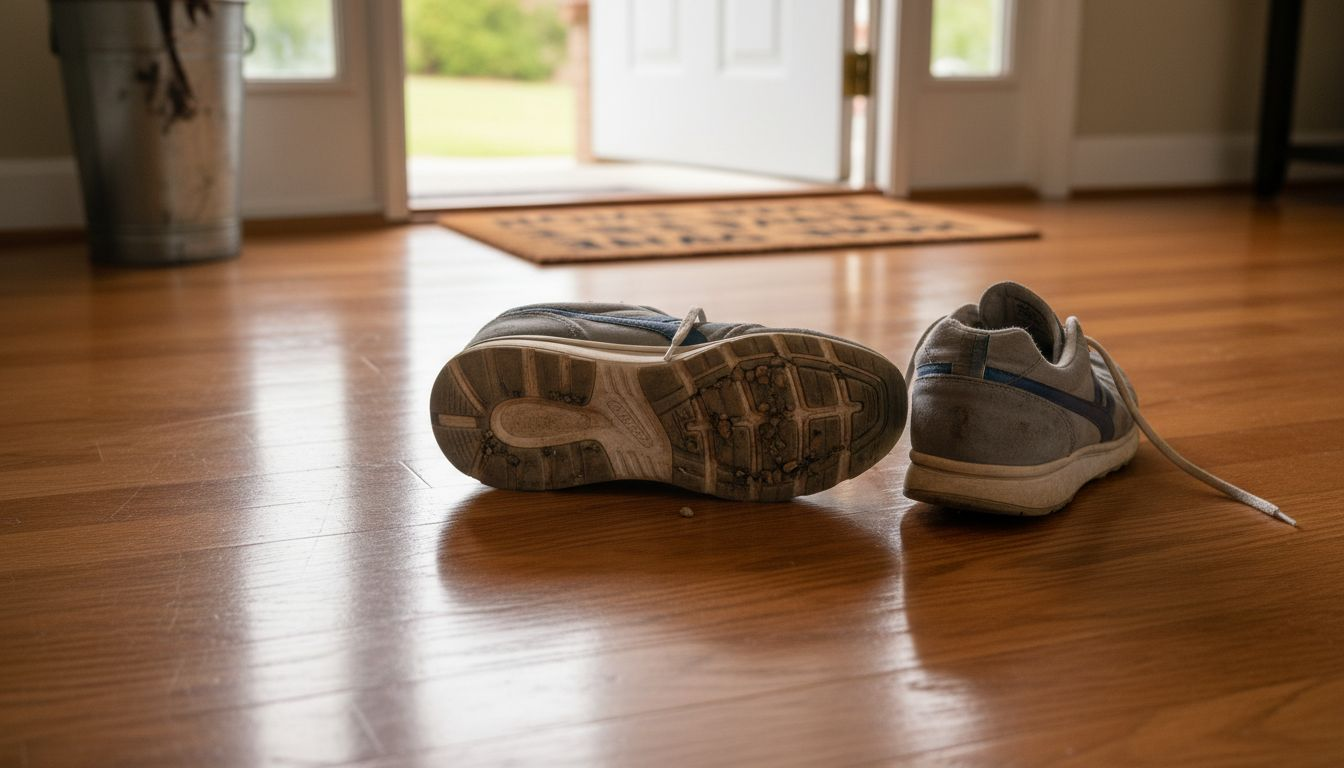
Pro Tip: Protective Barriers. Create a comprehensive floor protection plan by combining multiple strategies: use furniture pads, maintain a no-shoes policy, trim pet nails regularly, and place protective mats at key entry points to minimize potential surface damage.
Eco-Friendly Cleaning and Finish Options
Modern homeowners increasingly seek sustainable solutions for hardwood floor care that balance environmental responsibility with exceptional performance. The Homeowner’s Handbook to Real Wood Floors highlights the evolving landscape of eco-friendly finish options, presenting innovative approaches that minimize environmental impact while protecting and enhancing hardwood surfaces.
Water-based finishes represent a significant advancement in environmentally conscious floor treatment. These finishes offer crystal-clear protection, minimal volatile organic compound (VOC) emissions, and rapid drying times. Unlike traditional oil-based products, water-based finishes emit fewer harmful chemicals, making them an excellent choice for households concerned about indoor air quality. They provide a natural wood appearance, resist yellowing, and can be quickly reapplied with minimal surface preparation, offering both aesthetic and practical advantages.
Beyond finish selection, eco-friendly cleaning practices play a crucial role in sustainable hardwood maintenance. Natural cleaning solutions using ingredients like white vinegar, olive oil, and mild plant-based soaps can effectively clean surfaces without introducing harsh chemicals. Microfiber mops and cloths reduce the need for disposable cleaning materials, while concentrated, biodegradable cleaning products minimize packaging waste and environmental impact. Selecting cleaning products with transparent ingredient lists and third-party environmental certifications ensures that your floor maintenance routine supports both your home’s beauty and broader ecological sustainability.
Pro Tip: Green Cleaning Kit. Assemble a dedicated eco-friendly floor care kit with reusable microfiber cloths, plant-based cleaning concentrates, and natural oil treatments to maintain your hardwood floors while minimizing environmental footprint.
Avoiding Costly Maintenance Mistakes
Hardwood floor maintenance requires strategic knowledge to prevent expensive repairs and premature deterioration. The National Wood Flooring Association warns about several critical mistakes that can compromise your floor’s structural integrity and aesthetic appeal. Understanding these potential pitfalls is essential for homeowners seeking to protect their significant investment and maintain beautiful flooring for decades.
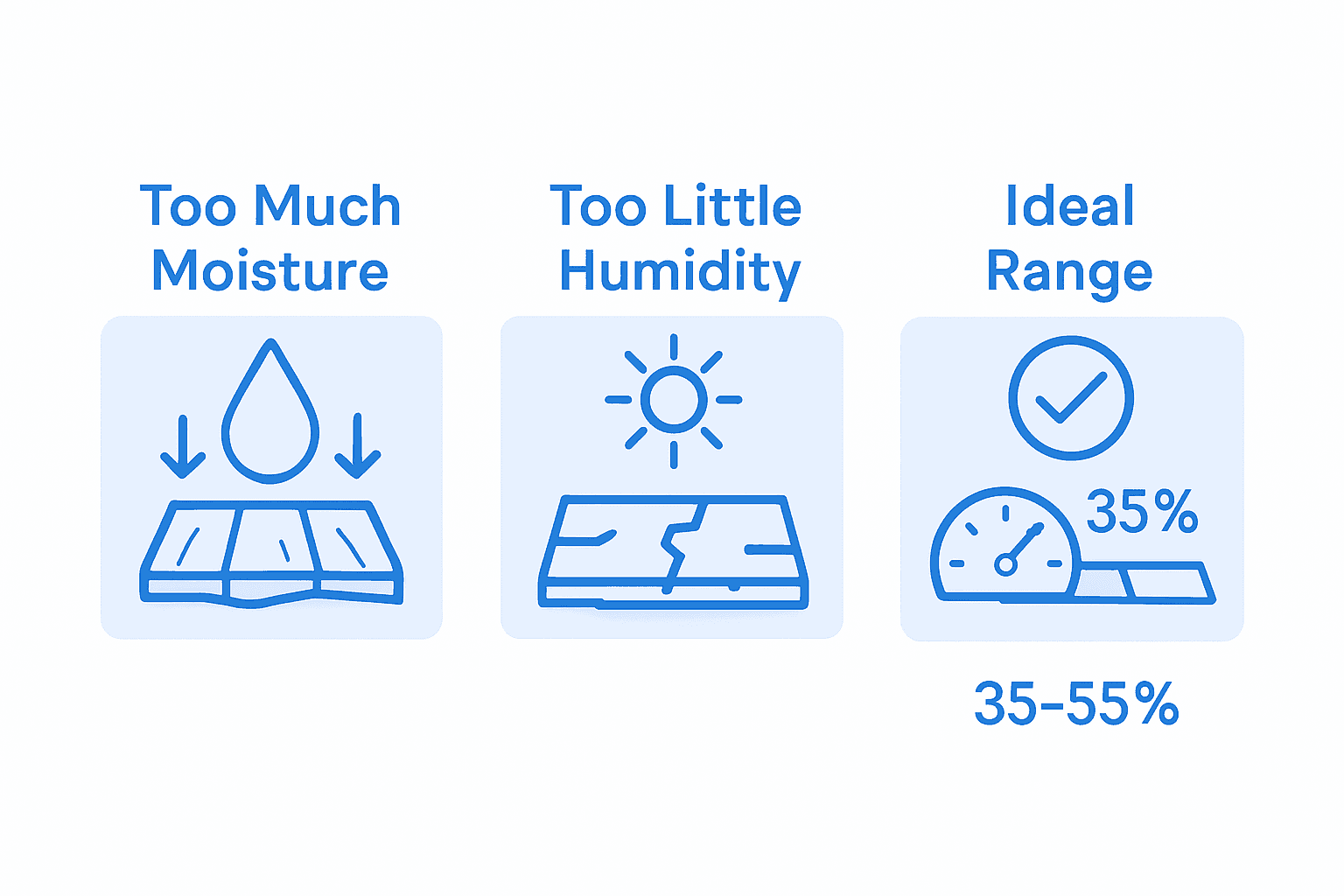
Moisture management represents one of the most critical aspects of hardwood floor preservation. Excessive humidity or direct water exposure can cause catastrophic damage like warping, cupping, and structural separation. Cornell Cooperative Extension emphasizes avoiding wet-mopping and using inappropriate cleaning products that can strip protective finishes or create slippery, dull surfaces. Indoor humidity should be carefully controlled, maintaining levels between 30 to 50 percent to prevent wood expansion, contraction, and potential cracking. Homeowners should invest in humidity monitoring tools and use dehumidifiers or humidifiers to maintain consistent environmental conditions.
Cleaning techniques and product selection play pivotal roles in preventing long-term damage. Avoid using universal floor cleaners, steam mops, or abrasive tools that can scratch or deteriorate wood surfaces. Microfiber mops with minimal moisture, specialized wood floor cleaning solutions, and gentle cleaning techniques are crucial. Regular maintenance should include immediate spill cleanup, protective padding under furniture, and systematic dust and debris removal to prevent scratching and surface degradation. Understanding your specific wood type, finish, and manufacturer recommendations helps develop a tailored maintenance approach that preserves your floor’s natural beauty.
Pro Tip: Prevention Kit. Create a dedicated hardwood floor maintenance kit with microfiber cloths, approved cleaning solutions, humidity monitoring tools, and protective pads to proactively protect your investment and avoid costly restoration expenses.
Below is a comparison of common hardwood maintenance mistakes and their long-term consequences:
| Mistake | Potential Damage | Prevention Strategy |
|---|---|---|
| Overexposure to moisture | Warping, cupping, cracking | Use humidity monitor, avoid wet-mopping |
| Using abrasive tools/cleaners | Surface scratches, dullness | Use microfiber, specialized products |
| Skipping regular cleaning | Embedded debris, scratches | Sweep 2-3 times per week |
| Ignoring furniture protection | Deep dents, persistent marks | Install felt pads under all furniture |
Preserve Your Hardwood Floors With Expert Care Today
Maintaining hardwood floors requires attention to detail and expert knowledge to avoid costly mistakes like moisture damage, scratches from pets or furniture, and wear over time. The challenges highlighted in this article emphasize the need for tailored solutions that protect your investment and keep your floors looking stunning for years. Whether you need professional refinishing, eco-friendly cleaning, or targeted restoration, trusting experts who understand the nuances of your hardwood type is crucial.
Discover how J.R. Hardwood Floor Refinishing & Cleaning can help you implement the maintenance and protection strategies discussed here. Serving the Denver Metro Area and surrounding Colorado communities, our team offers premium services including hardwood refinishing, sanding, and protective finishes designed to extend floor life and enhance appearance. Visit our Uncategorized Archives to explore helpful tips and learn about our comprehensive care approach. Don’t wait until minor issues become costly repairs. Contact us today for your free quote and give your hardwood floors the professional attention they deserve.
Frequently Asked Questions
What are the essential maintenance steps for hardwood floors?
To maintain hardwood floors effectively, homeowners should regularly sweep or dust mop 2-3 times a week, clean up spills immediately, use protective furniture pads, and schedule professional cleaning every 6-12 months.
How do different types of hardwood flooring affect maintenance needs?
Solid hardwood floors require sanding and refinishing, while engineered wood offers more moisture resistance and stability. Reclaimed and exotic woods may need specialized cleaning techniques and humidity control, so matching your maintenance routine to your specific wood type is crucial.
What are the best practices for preventing damage from pets on hardwood floors?
To prevent pet-related damage, regularly trim pet nails, use protective area rugs in high-traffic areas, and promptly clean any accidents. Additionally, consider placing mats near entrances to trap dirt and moisture.
What should I avoid when cleaning hardwood floors?
Avoid using wet mops, abrasive cleaning tools, and universal cleaners. Instead, use a microfiber mop with specialized wood floor cleaning solutions to prevent scratching and preserve your floor’s finish.
Recommended
- 5 Signs Your Hardwood Floors Need Refinishing – J.R. Hardwood Floor Refinishing & Cleaning
- The Ultimate Guide to Hardwood Floor Finishes – J.R. Hardwood Floor Refinishing & Cleaning
- What You Need to Know Before Installing Hardwood Floors
- When and Why to Buff Your Hardwood Floors
- Complete Guide to Revive Dull Wood Furniture | Simple Neat Home
- Nettoyage plancher bois : Guide pratique pour restaurer votre sol en 2025 | Ménage-NRJ