
Most American homeowners with pets in the Denver Metro Area worry about scratched, tired-looking hardwood floors and the stress of lengthy renovations. In fact, over 60 percent of pet owners say that maintaining smooth, beautiful flooring without disrupting their daily routine is a top priority. Knowing how modern sanding techniques, technology, and eco-friendly finishes shorten downtime while protecting your home and pets lets you enjoy lasting results and peace of mind.
Table of Contents
- What Hardwood Floor Sanding Involves
- Methods and Technologies for Sanding Floors
- Choosing Finishes and Eco-Friendly Options
- Mistakes to Avoid With Sanding Projects
- Pet Considerations and Minimizing Downtime
Key Takeaways
| Point | Details |
|---|---|
| Hardwood Floor Sanding Process | Involves preparation, mechanical sanding, and finishing stages to restore wooden floors. Proper techniques ensure an even and smooth surface for new finishes. |
| Sanding Equipment | Utilizing specialized machines like drum, belt, and edge sanders enhances efficiency and quality in floor restoration. Each tool serves a specific purpose for thorough coverage. |
| Finishing Options | Choosing the right wood floor finish impacts both durability and aesthetics; eco-friendly finishes with low VOCs are increasingly favored. Certifications assist in selecting sustainable products. |
| Common Mistakes | Inadequate preparation and improper grit progression can lead to unsatisfactory results. It’s crucial to follow a systematic approach and maintain cleanliness during the sanding process. |
What Hardwood Floor Sanding Involves
Hardwood floor sanding is a precision mechanical process designed to restore and rejuvenate wooden flooring surfaces. By systematically removing surface layers using specialized abrasive equipment, professionals transform worn, damaged floors into smooth, refreshed surfaces ready for new finishes.
The sanding process typically unfolds across three critical stages: preparation, mechanical sanding, and finishing. Preparation involves thoroughly inspecting the floor, addressing structural issues like protruding nails or significant damage, and ensuring the surface is clean and stable. During the actual sanding phase, progressively finer grit sandpapers methodically remove old finishes, scratches, and surface imperfections. Professionals use different sanders – drum, belt, and edge models – to comprehensively address every inch of the floor, ensuring uniform treatment.
Technical precision matters immensely during hardwood floor sanding. Professional technicians carefully select sandpaper grits ranging from coarse to fine, systematically working through multiple passes to achieve an immaculately smooth surface. This careful approach not only removes existing damage but also prepares the wood to optimally receive new stains or protective coatings. The goal is creating a perfectly even surface that looks pristine and remains structurally sound.
Pro tip: Always test sanding techniques on a small, inconspicuous floor area first to understand how your specific wood species responds to different sanding approaches.
Methods and Technologies for Sanding Floors
Hardwood floor sanding technologies have dramatically evolved, offering professionals and homeowners sophisticated tools for comprehensive floor restoration. Modern sanding equipment ranges from powerful drum sanders to precision edge tools, each designed to address specific restoration challenges and surface characteristics.
The primary sanding technologies include several specialized machines, each serving a unique purpose in the floor refinishing process. Drum sanders tackle large surface areas, removing old finishes and significant imperfections with aggressive abrasive action. Belt sanders, introduced in 1969, utilize continuous sandpaper belts that move against the wood grain, ensuring even and thorough sanding. Edge sanders become critical for reaching tight corners and areas inaccessible to larger equipment, guaranteeing complete floor coverage. Multi-disc sanders and buffers provide the finishing touch, smoothing out minor surface inconsistencies and preparing the floor for final coating.
Here’s a comparison of the main sanding machines and their uses:
| Machine Type | Main Use | Unique Advantage |
|---|---|---|
| Drum Sander | Large areas, heavy removal | Fast, aggressive surface removal |
| Belt Sander | Consistent, even sanding passes | Smooth, easy to control motion |
| Edge Sander | Corners and room perimeters | Accesses tight, hard-to-reach spots |
| Multi-disc Sander | Final smooth finishing | Delivers ultra-smooth surfaces |
Professional floor refinishing techniques involve strategic grit progression when selecting and using sanding technologies. Technicians typically begin with coarse-grit sandpaper to remove deep scratches, paint residue, and significant surface damage. Subsequent passes use progressively finer grits, systematically creating an increasingly smooth surface. This methodical approach ensures optimal wood preparation, allowing new finishes to adhere perfectly and creating a uniform, professional-grade result.
Pro tip: Invest in multiple sanding attachments and understand each tool’s specific function to achieve the most comprehensive and professional floor restoration possible.
Choosing Finishes and Eco-Friendly Options
Wood floor finishes represent a critical decision in hardwood floor restoration, balancing aesthetic preferences with long-term durability and environmental considerations. Surface and penetrating finishes offer unique protection strategies for homeowners seeking both beautiful and sustainable flooring solutions.
The landscape of wood floor finishes includes several primary categories. Surface finishes like water-based, oil-based, and UV-cured options create a protective layer atop the wood, while penetrating finishes such as natural oils and hard wax oils absorb directly into wood pores. Water-based finishes have gained significant popularity due to their lower volatile organic compound (VOC) emissions, providing an environmentally conscious alternative to traditional petroleum-based products. These modern finishes not only protect hardwood surfaces but also minimize indoor air quality concerns.
Eco-friendly wood finishes prioritize materials with minimal environmental impact, focusing on low-VOC formulations, renewable sourcing, and sustainable manufacturing processes. Certifications from organizations like the Forest Stewardship Council (FSC) help consumers identify responsible products. Homeowners can now select finishes that are simultaneously durable, aesthetically pleasing, and environmentally responsible – reducing chemical exposure while maintaining the natural beauty of hardwood floors.
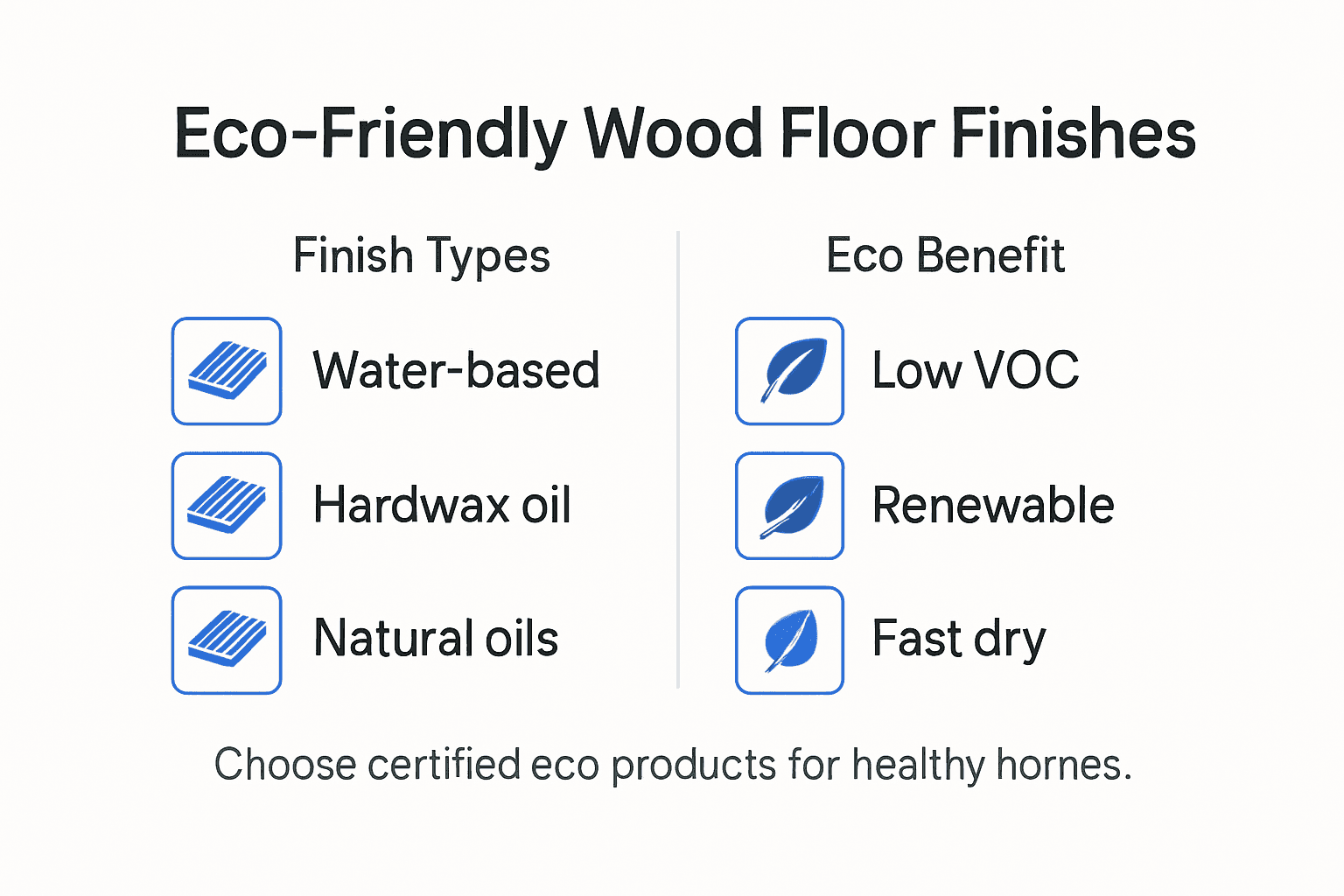
This summary highlights wood floor finishes and their eco-friendly attributes:
| Finish Type | Eco Benefit | Typical Appearance |
|---|---|---|
| Water-based | Low VOC emissions | Clear, light sheen |
| Oil-based | Durable but higher VOC | Rich, amber tone |
| Natural Oil | Renewable, low toxicity | Matte, natural look |
| UV-cured | Minimal curing emissions | Glossy, fast drying |
Pro tip: Request manufacturer environmental certifications and VOC content information before selecting your wood floor finish to ensure both performance and ecological responsibility.
Mistakes to Avoid With Sanding Projects
Hardwood floor sanding requires precision and careful technique to achieve professional results. Many homeowners unknowingly compromise their floor restoration by making critical errors that can permanently damage wood surfaces or create uneven, unprofessional finishes.
One of the most common mistakes involves inadequate surface preparation. Failing to thoroughly clean and inspect the floor before sanding can lead to significant issues. Dust, debris, and unaddressed structural imperfections can create obstacles that prevent proper finish adhesion and result in a subpar restoration. Homeowners often skip critical steps like filling cracks, removing protruding nails, and ensuring a completely clean surface. Uneven sanding techniques can also cause irreversible damage, with over-sanding weakening the wood’s structural integrity and under-sanding leaving visible scratches and imperfections.
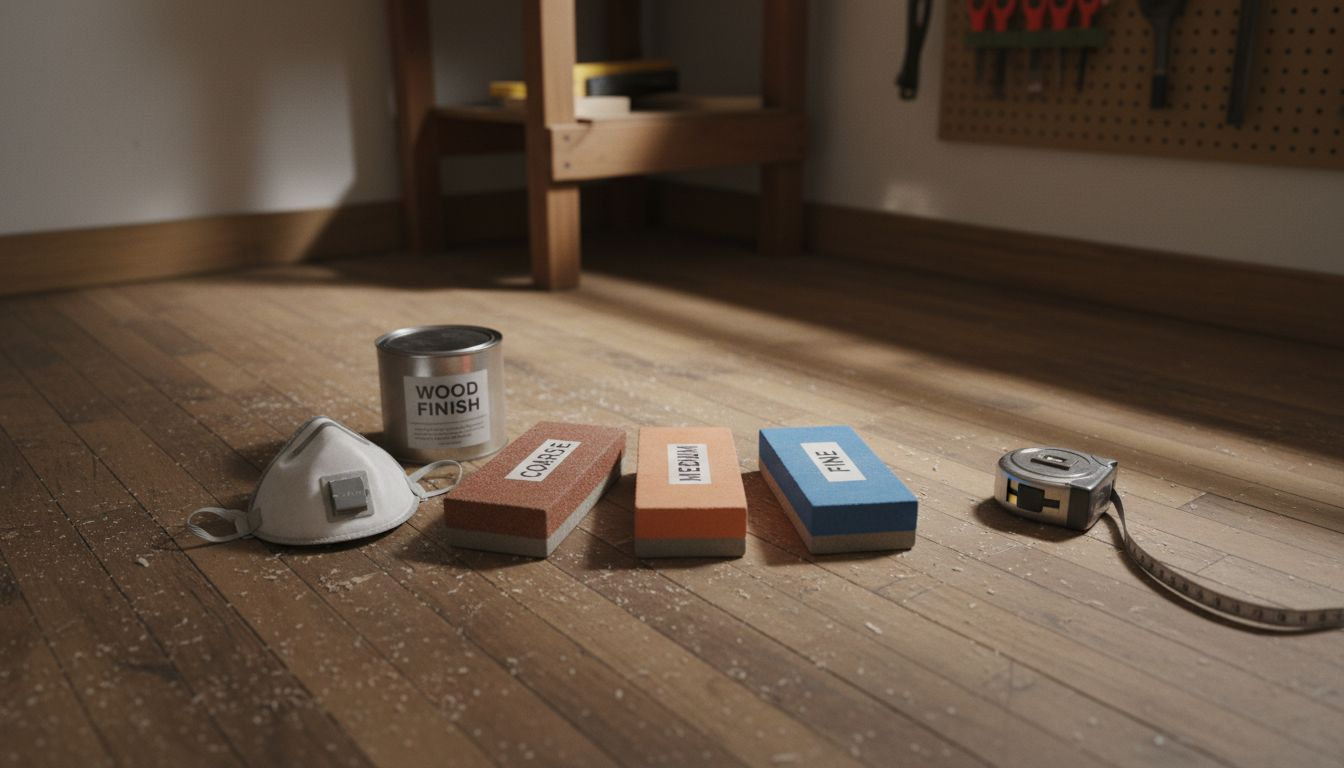
Technical sanding errors frequently stem from improper grit progression and equipment handling. Skipping intermediate grit levels or using inappropriate sandpaper can create visible scratches that compromise the floor’s smooth finish. Professional floor restoration demands a systematic approach, working methodically in small sections and maintaining consistent pressure and movement. Dust control represents another crucial consideration, as unmanaged debris can contaminate the sanding process and create uneven surfaces. Protecting surrounding areas and using appropriate dust collection equipment helps ensure a clean, professional-grade restoration.
Pro tip: Always test your sanding technique on a small, inconspicuous area first to understand how your specific wood species responds to different approaches and equipment.
Pet Considerations and Minimizing Downtime
Hardwood floor restoration demands careful planning for pet owners, balancing floor quality with animal safety and comfort. Selecting the right finishes and techniques can significantly reduce potential risks during the refinishing process while protecting both your floors and furry companions.
Choosing pet-friendly flooring materials and finishes requires strategic consideration. Hardwood species like oak and hickory provide superior durability against pet claws, while water-based and natural oil finishes offer faster drying times and reduced volatile organic compound (VOC) emissions. These finishes minimize harmful fumes that could potentially impact pet respiratory health. Homeowners should prioritize low-toxicity products and ensure thorough ventilation during the entire refinishing process to create a safe environment for their four-legged family members.
Minimizing project downtime represents another critical aspect of pet-friendly floor restoration. Professional floor specialists recommend carefully planned project timelines that isolate work areas, use quick-drying finishing techniques, and create safe zones for pets. Scheduling refinishing during periods when pets can be temporarily relocated, such as during vacation or boarding, helps reduce stress and potential exposure to dust and chemical treatments. Comprehensive cleaning and dust control further protect pets from potential allergens and respiratory irritants.
Pro tip: Create a detailed pet safety plan before starting your hardwood floor project, including temporary relocation arrangements and post-restoration acclimation strategies.
Restore Your Hardwood Floors with Expert Sanding and Finishing
Hardwood floor sanding demands precision and the right approach to bring back the durable beauty your floors deserve. If you are facing issues like scratches, uneven surfaces, or worn finishes, understanding the importance of proper grit progression and specialized sanding equipment is crucial. At J.R. Hardwood Floor Refinishing & Cleaning, we combine advanced sanding technologies with eco-friendly finishes to deliver flawless, long-lasting results that protect and enhance your hardwood surfaces.
Discover how our comprehensive services can transform your floors with expert sanding, refinishing, and protective coatings. Whether you need full restoration or a simple screen and recoat, rely on our local Colorado team to elevate your home or commercial space. Start by exploring solutions in our Uncategorized Archives and learn how we address common sanding challenges. Contact us today at J.R. Hardwood Floor Refinishing & Cleaning for a free quote and expert guidance tailored precisely to your floor’s needs. Your floors deserve the best care now.
Frequently Asked Questions
What is the hardwood floor sanding process?
Hardwood floor sanding involves three main stages: preparation, mechanical sanding, and finishing. It restores and rejuvenates wooden flooring by removing old finishes, scratches, and surface imperfections using specialized sanders and progressively finer grit sandpapers.
How do I choose the right finish for my hardwood floors?
Choosing a finish depends on aesthetics and durability. Surface finishes like water-based and oil-based create protective layers, while penetrating finishes absorb into the wood. Consider eco-friendly options with low VOC emissions for better indoor air quality.
What mistakes should I avoid during hardwood floor sanding?
Common mistakes include inadequate surface preparation, improper grit progression, and neglecting dust control. Ensure the floor is clean, inspect for damages, and follow a systematic sanding approach to achieve a smooth finish.
How can I keep my pets safe during the hardwood floor refinishing process?
To keep pets safe, choose low-toxicity finishes, ensure proper ventilation, and plan project timelines to isolate work areas. Consider relocating pets during the sanding and finishing process to minimize exposure to dust and fumes.
