 Skip to content
More than two thirds of American hardwood flooring is over twenty years old, making restoration a timely concern for homeowners across the Denver Metro Area. Aging floors gradually lose their shine and stability, yet costly replacements and lengthy disruptions are not the only options. Learn how eco-friendly techniques can rejuvenate your hardwood’s natural beauty and extend durability, all while minimizing downtime and environmental impact.
Table of Contents
- What Is Hardwood Floor Restoration?
- Popular Restoration Methods Compared
- Benefits of Dustless Screen and Recoat
- Choosing the Right Finish and Service
- Costs, Risks, and When Full Refinishing Is Needed
- Maintaining Restored Hardwood Floors
Key Takeaways
| Point | Details |
|---|---|
| Hardwood Floor Restoration Benefits | Professional restoration can extend the lifespan of hardwood floors by 10-15 years while renewing their aesthetic and structural integrity. |
| Restoration Methods | Methods like full sanding, screen and recoat, and dustless restoration serve different needs based on wear and damage levels. |
| Proper Finish Selection | Choosing the right finish is crucial for durability and maintenance needs; options vary in appearance and suitability for different environments. |
| Importance of Maintenance | Regular maintenance and periodic professional assessments are key to preserving the beauty and longevity of restored hardwood floors. |
What Is Hardwood Floor Restoration?
Hardwood floor restoration is a comprehensive process designed to renew and protect aging or damaged wooden flooring. Hardwood floors consist of planks milled from single pieces of timber, prized for their durability and timeless aesthetic. The restoration process goes beyond simple cleaning, involving strategic techniques to revive the floor’s original beauty and structural integrity.
Restoration typically involves several key stages: thorough cleaning, surface assessment, repairing damaged areas, sanding away surface imperfections, and applying protective finishes. Wood floor restoration helps preserve the natural beauty and durability of hardwood floors, transforming worn surfaces into stunning, like-new flooring. Homeowners can extend their floor’s lifespan by 10-15 years through professional restoration services.
The primary goals of hardwood floor restoration include:
- Removing surface scratches and wear
- Addressing minor structural damage
- Protecting wood from future deterioration
- Enhancing the floor’s overall appearance
- Maintaining the wood’s original character and charm
Pro tip: Schedule a professional floor assessment every 3-5 years to catch potential issues before they become expensive repairs.
Popular Restoration Methods Compared
Hardwood floor restoration encompasses several specialized techniques, each designed to address different levels of wear and damage. Floor sanding represents the most comprehensive restoration method, involving a three-phase process of preparation, precision sanding, and protective finishing. Professional technicians utilize various specialized equipment like drum sanders, belt sanders, and edge sanders to meticulously refinish wooden surfaces.
Restoration approaches can be categorized into three primary methods:
- Full Sanding and Refinishing: Ideal for extensively damaged floors
- Screen and Recoat: Suitable for minimal wear and surface imperfections
- Dustless Restoration: Environmentally friendly option with minimal disruption
The National Wood Flooring Association highlights multiple restoration techniques, each offering unique advantages depending on floor condition. Full sanding provides the most dramatic transformation, removing deep scratches and restoring original wood grain. Screen and recoat methods offer a lighter touch, addressing surface-level wear without extensive wood removal. Dustless techniques emerge as a modern solution, minimizing airborne particles and providing a cleaner restoration process.
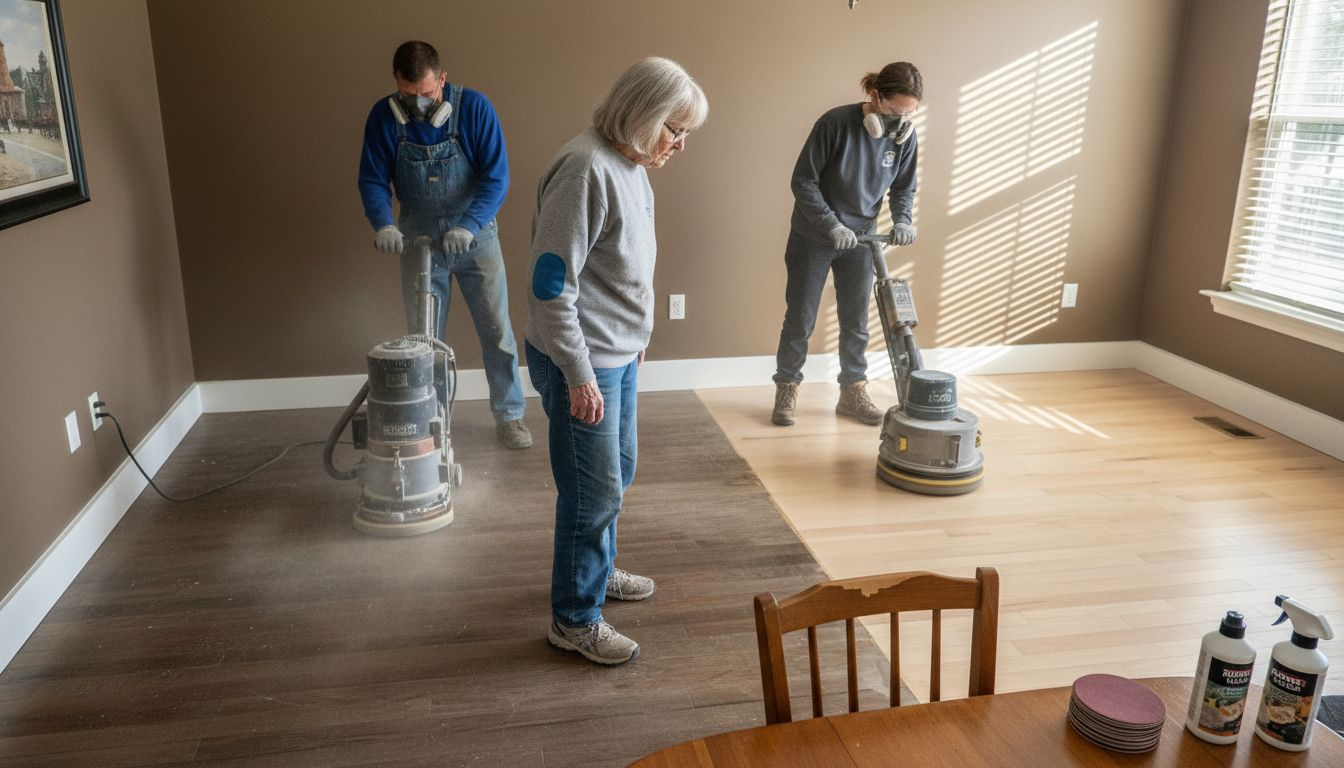
Each method varies in cost, duration, and effectiveness:
| Restoration Method | Depth of Repair | Duration | Cost Range |
|---|---|---|---|
| Full Sanding | Extensive | 3-5 days | $$$$ |
| Screen and Recoat | Moderate | 1-2 days | $$ |
| Dustless Restoration | Light | 1 day | $$$ |
Pro tip: Request multiple professional assessments to determine the most appropriate restoration method for your specific hardwood floor conditions.
Here’s a quick summary of when each hardwood floor restoration method is most appropriate:
| Method | Best For | Limitations |
|---|---|---|
| Full Sanding | Deep scratches, major wear | Longer downtime, higher cost |
| Screen and Recoat | Light surface dullness | Does not fix deep damage |
| Dustless Restoration | Allergy-sensitive homes | Not suitable for severe damage |
Benefits of Dustless Screen and Recoat
Dustless screen and recoat represents a revolutionary approach to hardwood floor maintenance, offering homeowners a sophisticated alternative to traditional refinishing methods. This innovative technique provides a gentle yet effective solution for restoring hardwood floors without the extensive mess and disruption associated with full sanding. By minimally abrading the existing finish and applying a fresh protective coat, the process breathes new life into worn surfaces while preserving the wood’s original character.
The primary advantages of dustless screen and recoat include:
- Dramatically reduced airborne dust particles
- Faster completion time (typically 1-2 days)
- Lower overall restoration costs
- Minimal disruption to home living spaces
- Environmentally friendly restoration approach
The National Wood Flooring Association confirms that this method is particularly effective for floors with moderate wear, addressing surface-level imperfections without compromising the wood’s structural integrity. Unlike full sanding, which removes significant wood material, screen and recoat gently refreshes the existing finish. This approach is especially beneficial for homeowners seeking to extend their floor’s lifespan without undertaking a complete and costly refinishing project.
The environmental and practical benefits make dustless screen and recoat an increasingly popular choice for modern homeowners:
| Benefit Category | Dustless Screen and Recoat | Traditional Sanding |
|---|---|---|
| Dust Production | Minimal | Extensive |
| Time to Complete | 1-2 days | 3-5 days |
| Cost | Moderate | High |
| Environmental Impact | Low | Significant |
Pro tip: Schedule a professional assessment to determine if your hardwood floors are ideal candidates for the dustless screen and recoat method.
Choosing the Right Finish and Service
Selecting the optimal hardwood floor finish requires careful consideration of multiple factors, ranging from lifestyle demands to aesthetic preferences and environmental conditions. Homeowners must balance durability, appearance, maintenance requirements, and long-term performance when making this critical decision. The right finish acts as a protective shield, transforming raw wood into a resilient surface that can withstand daily wear while maintaining its natural beauty.
Hardwood floor finishes come in several primary varieties:
- Water-based finishes: Quick-drying, low odor, minimal yellowing
- Oil-based finishes: Rich color enhancement, deeper penetration
- Moisture-cured finishes: Extremely durable, ideal for high-traffic areas
- Conversion varnish: Maximum protection for commercial spaces
- Natural oil finishes: Authentic wood appearance, easier spot repairs
The preparation process following sanding is crucial to achieving a superior hardwood floor restoration, involving meticulous cleaning, damage inspection, and surface repair. Professional services provide comprehensive assessments that go beyond simple aesthetic improvements, addressing structural integrity and potential underlying issues. The chosen finish not only impacts visual appeal but also determines maintenance requirements, durability, and the floor’s ability to resist moisture, scratches, and daily wear.
Comparative Analysis of Hardwood Floor Finishes:
| Finish Type | Durability | Drying Time | Maintenance | Cost |
|---|---|---|---|---|
| Water-based | Moderate | 2-4 hours | Low | Moderate |
| Oil-based | High | 24 hours | Moderate | Low |
| Moisture-cured | Very High | 2-6 hours | High | High |
| Conversion Varnish | Extreme | 4-8 hours | Moderate | Very High |
| Natural Oil | Moderate | 24-48 hours | High | High |
Pro tip: Request samples of different finish types and test them in a small, inconspicuous area to evaluate appearance and performance before making a final decision.
Compare the main considerations for choosing a hardwood floor finish type:
| Finish Type | Appearance Impact | Suitability |
|---|---|---|
| Water-based | Natural, clearer wood look | Busy households, quick projects |
| Oil-based | Adds warm, amber tones | Traditional decor, budget focus |
| Moisture-cured | Glossy, robust surface | High-traffic, commercial use |
| Conversion Varnish | Enhanced clarity, strong protection | Large, open spaces |
| Natural Oil | Subtle, matte finish | Vintage homes, easy spot repairs |
Costs, Risks, and When Full Refinishing Is Needed
Hardwood floor refinishing involves complex considerations of damage, cost, and restoration potential, requiring homeowners to carefully evaluate their floor’s condition before committing to a comprehensive restoration. Understanding when full refinishing becomes necessary can save significant time and money by preventing premature replacement or unnecessary expensive treatments.
Indicators that full refinishing is required include:
- Deep scratches extending beyond surface finish
- Visible wood discoloration or water damage
- Multiple areas with exposed bare wood
- Significant warping or structural inconsistencies
- Finish completely worn away in high-traffic zones
Professional refinishing costs typically range between $3 and $8 per square foot, with total project expenses varying based on room size, complexity, and existing damage. Homeowners should anticipate spending between $1,000 and $2,500 for an average room, with additional expenses for intricate areas like stairs or rooms with extensive repair needs. The investment directly correlates with preserving wood floor value and extending its functional lifespan.
Risk Assessment for Hardwood Floor Refinishing:
| Risk Factor | Potential Consequences | Mitigation Strategy |
|---|---|---|
| Over-Sanding | Reduced Floor Thickness | Professional Assessment |
| Improper Finishing | Uneven Surface | Skilled Technician Selection |
| Moisture Damage | Warping and Structural Issues | Comprehensive Moisture Testing |
| Material Incompatibility | Poor Adhesion | Professional Consultation |
| Inadequate Preparation | Premature Wear | Thorough Initial Inspection |
Pro tip: Request multiple professional assessments and detailed written quotes to ensure comprehensive understanding of your floor’s specific refinishing requirements.
Maintaining Restored Hardwood Floors
Maintaining restored hardwood floors requires a strategic approach to preserving their beauty and durability, with careful attention to cleaning techniques, protection strategies, and regular maintenance. Homeowners must develop a comprehensive care routine that shields their investment from daily wear while maintaining the floor’s original luster and integrity.
Key maintenance strategies for hardwood floors include:
- Regular dust mopping using microfiber tools
- Immediate cleanup of liquid spills with dry or slightly damp cloths
- Using pH-balanced wood floor cleaners
- Placing protective pads under furniture legs
- Implementing shoe-free or minimal-shoe policies
- Using area rugs in high-traffic zones
Periodic maintenance coatings can dramatically extend the life of restored hardwood floors, providing an additional protective layer that rejuvenates appearance and shields against potential damage. Professional recoating every 3-5 years helps preserve the floor’s finish, preventing the need for more extensive and costly full refinishing. Different household environments require tailored maintenance approaches, with factors like pet presence, children, and foot traffic influencing the recommended care strategy.
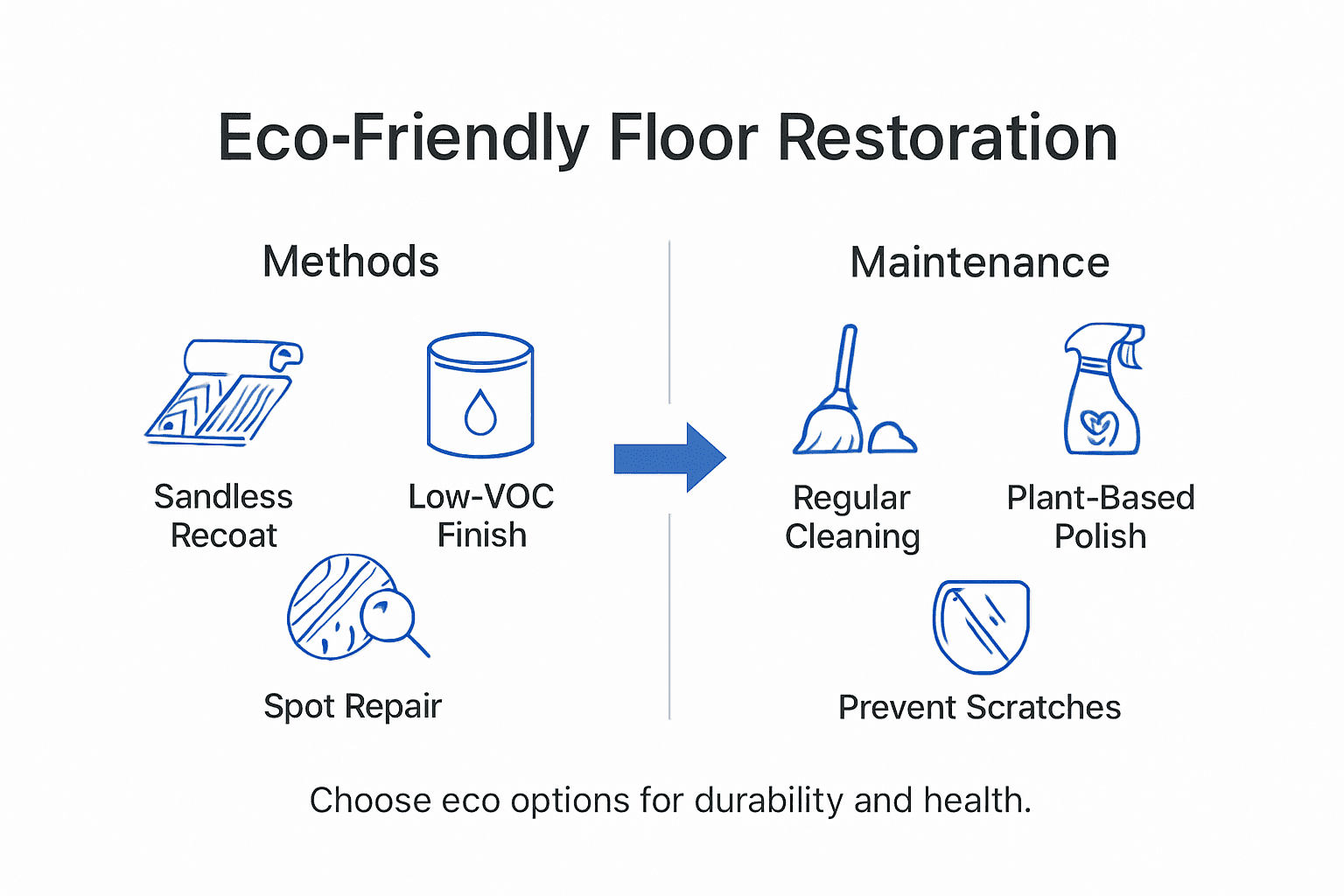
Maintenance Frequency and Recommended Actions:
| Maintenance Level | Frequency | Key Actions |
|---|---|---|
| Daily | As needed | Dust mopping, immediate spill cleanup |
| Weekly | Once per week | Thorough cleaning with wood-specific products |
| Monthly | Every 30 days | Deep cleaning, inspect for wear |
| Annually | Once per year | Professional assessment, potential recoating |
Pro tip: Create a dedicated cleaning station near entryways with microfiber cloths, wood-safe cleaners, and protective mats to minimize floor damage from daily traffic.
Restore Your Hardwood Floors with Expert Eco-Friendly Solutions
Hardwood floor restoration can feel overwhelming when faced with scratches, wear, and environmental concerns. This article highlights challenges like surface imperfections, dust issues, and the need for protective finishes that protect while preserving your floor’s natural beauty. At J.R. Hardwood Floor Refinishing & Cleaning, we understand these specific pain points and offer solutions aligned with modern eco-friendly practices discussed here — including dustless screen and recoat methods that minimize mess and maximize floor life.
Experience how our expert team combines award-winning craftsmanship and environmentally conscious products to bring new life to your floors. Whether you require full sanding and refinishing or a gentler screen and recoat, our Denver-based specialists provide detailed consultations with free over-the-phone quotes tailored to your needs. Start your floor’s transformation today and protect your investment by visiting Uncategorized Archives – J.R. Hardwood Floor Refinishing & Cleaning, explore our full range of services at J.R. Hardwood Floor Refinishing & Cleaning, or take the first step by requesting your personalized quote.
Frequently Asked Questions
What is hardwood floor restoration?
Hardwood floor restoration is a comprehensive process that renews and protects aging or damaged wooden flooring, involving cleaning, assessment, repairs, sanding, and applying protective finishes.
How long does the hardwood floor restoration process typically take?
The duration of hardwood floor restoration can vary depending on the method used. Full sanding usually takes 3-5 days, while screen and recoat methods can be completed in 1-2 days.
What are the benefits of dustless screen and recoat for hardwood floors?
Dustless screen and recoat is an eco-friendly approach that reduces airborne dust, completes the restoration faster (1-2 days), and minimizes disruption, making it ideal for homes.
When is full refinishing needed for hardwood floors?
Full refinishing is required when there are deep scratches, visible discoloration, multiple areas with exposed bare wood, significant warping, or a completely worn-out finish in high-traffic zones.