 Skip to content
Over 60 percent of American homeowners with pets admit their hardwood floors show signs of scratches and wear every year. Living in the Denver Metro Area brings even greater challenges with weather and active lifestyles. Discover how eco-friendly floor resurfacing can revive your hardwood, protect against pet damage, and deliver quick-drying, durable finishes that fit your sustainability goals and busy schedule.
Table of Contents
- What Is Floor Resurfacing? Key Concepts
- Types of Floor Resurfacing Methods
- Step-by-Step Floor Resurfacing Process
- Comparing Resurfacing to Refinishing
- Costs, Risks, and Common Missteps
- Benefits of Eco-Friendly Finishes and Fast Drying
Key Takeaways
| Point | Details |
|---|---|
| Floor Resurfacing vs. Refinishing | Resurfacing addresses deeper surface and structural issues, while refinishing focuses primarily on restoring the surface finish. |
| Cost Considerations | Resurfacing typically incurs higher costs due to its comprehensive nature, requiring more extensive labor and materials. |
| Preparation is Key | Thorough surface preparation is critical for a successful resurfacing job, ensuring proper adhesion and a long-lasting finish. |
| Eco-Friendly Options | Utilizing eco-friendly finishes not only promotes sustainability but also offers quicker drying times and improved indoor air quality. |
What Is Floor Resurfacing? Key Concepts
Floor resurfacing is a strategic restoration technique designed to breathe new life into worn hardwood surfaces without complete replacement. This specialized process involves carefully cleaning, repairing, and applying a fresh protective layer to restore your floor’s original beauty and functionality. Unlike full replacement, resurfacing allows homeowners to rehabilitate concrete and wood surfaces more economically and efficiently.
The core objective of floor resurfacing is comprehensive surface renewal. Professional technicians first assess the current floor condition, identifying areas of damage such as scratches, dullness, or minor structural issues. They then prepare the surface through meticulous cleaning, sanding, and targeted repairs. This preparation ensures that the new finishing layer will adhere properly and create a smooth, uniform appearance. The process works equally well for both residential and commercial spaces, providing a cost-effective alternative to complete floor replacement.
Key aspects of floor resurfacing include improving both aesthetic appeal and functional durability. By ensuring surface stability and slip resistance, the process not only enhances visual charm but also increases safety. Technicians apply specialized treatments that protect against future wear, seal existing minor imperfections, and restore the floor’s protective barrier. Modern resurfacing techniques can address various issues like UV damage, foot traffic wear, pet scratches, and general aging.
Pro Tip: Schedule a professional assessment during seasonal transitions to catch potential floor issues before they become extensive repair projects.
Types of Floor Resurfacing Methods
Floor resurfacing encompasses several specialized techniques tailored to different floor conditions and material types. Hardwood floors typically require precise restoration methods that preserve their structural integrity while renewing their appearance. Floor sanding techniques represent one of the most common approaches, involving specialized equipment designed to remove damaged surface layers and prepare floors for refinishing.
The primary resurfacing methods include screen and recoat, full sanding and refinishing, and chemical restoration. Screen and recoat involves lightly buffing the existing finish and applying a new protective layer, ideal for floors with minimal wear. Full sanding and refinishing is more intensive, using powerful sanders to completely remove the old finish and smooth out deeper scratches and imperfections. Chemical restoration offers a gentler alternative, using specialized cleaning and rejuvenation products to restore floor appearance without aggressive mechanical intervention.
Professional floor restoration experts often employ multiple techniques depending on the specific floor condition. Pavement resurfacing methods offer insights into how different surface treatments can be adapted for various materials. Wood floors might require a combination of approaches, such as spot repair, light sanding, and targeted finishing to address unique wear patterns. Factors like wood species, age of the floor, previous treatments, and extent of damage all influence the most appropriate resurfacing technique.
Pro Tip: Always test any resurfacing method in a small, inconspicuous area first to ensure compatibility with your specific hardwood floor type.
Step-by-Step Floor Resurfacing Process
Resurfacing hardwood floors requires a methodical approach that transforms worn surfaces into beautiful, protective spaces. Surface preparation techniques are critical to achieving a professional and long-lasting finish. The process begins with a comprehensive assessment of the floor’s current condition, identifying areas of damage, wear, and potential structural issues.
The floor resurfacing process typically involves several key stages. First, thorough cleaning removes dirt, grime, and existing finish using specialized cleaning solutions and equipment. Next, sanding becomes crucial – professionals use progressively finer sandpaper to smooth the surface, removing scratches and evening out imperfections. Technicians carefully sand the entire floor, paying special attention to high-traffic areas and regions with more significant damage. The hardwood floor refinishing guide recommends multiple sanding passes to achieve a perfectly smooth surface.
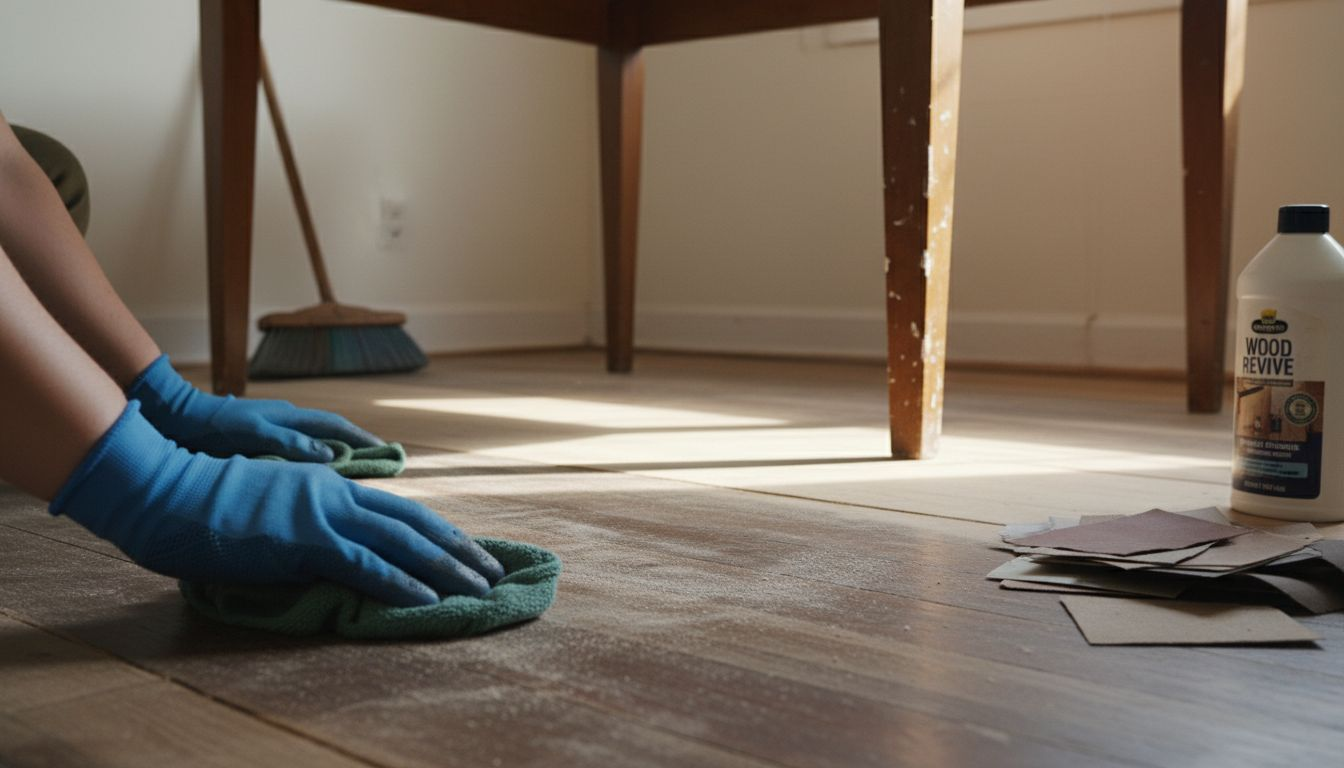
After sanding, the floor receives a meticulous inspection to ensure complete preparation. Technicians fill any remaining gaps or cracks with wood filler matched to the floor’s specific color and grain. Once the surface is smooth and repaired, a high-quality protective finish is applied. This final layer typically involves multiple coats of polyurethane or other protective sealants, each carefully applied and allowed to dry completely. The process requires precision, with each layer contributing to the floor’s durability, shine, and protection against future wear.
Pro Tip: Allow at least 24 hours of drying time between finish coats and avoid walking on the newly resurfaced floor during the curing process.
Comparing Resurfacing to Refinishing
Understanding the nuanced differences between floor resurfacing and refinishing helps homeowners make informed decisions about floor restoration. Wood floor restoration techniques reveal that while these processes might seem similar, they address floor damage at different levels of intensity and complexity. Refinishing typically involves sanding down the existing finish to bare wood, then applying new stain and protective coatings to restore the floor’s original appearance.
Resurfacing offers a more comprehensive approach compared to traditional refinishing. Resurfacing involves deeper surface rehabilitation that can address more significant structural issues beyond cosmetic wear. While refinishing focuses primarily on the top finish layer, resurfacing may include repairing underlying wood damage, filling deeper scratches, and applying multiple protective treatments to extend the floor’s lifespan. This approach is particularly valuable for floors with extensive wear, deep scratches, or minor structural compromises that simple sanding cannot resolve.
Cost and time investment differ significantly between these two approaches. Refinishing is generally quicker and less expensive, making it ideal for floors with minimal damage and a well-maintained finish. Resurfacing requires more extensive labor, specialized equipment, and potentially multiple treatment stages, which increases both time and cost. However, for floors with substantial damage or those needing comprehensive restoration, resurfacing provides a more thorough and long-lasting solution that can effectively reset the floor’s condition and protect against future wear.
Here is a side-by-side overview comparing floor resurfacing and refinishing approaches:
| Aspect | Floor Resurfacing | Floor Refinishing |
|---|---|---|
| Depth of Repair | Addresses surface and structural issues | Restores surface finish only |
| Typical Cost | Higher due to labor, materials | Lower, mainly finish and sanding |
| Time Required | Multiple days, more stages | Usually completed in 1-2 days |
| Ideal Floor Type | Heavily worn, damaged | Light to moderately worn |
| Result Longevity | Greater protection, extended life | Moderate durability, renewed look |
Pro Tip: Consult a professional floor restoration expert to assess your specific floor condition and determine whether refinishing or full resurfacing will provide the most cost-effective and durable solution.
Costs, Risks, and Common Missteps
Undertaking a hardwood floor restoration project requires careful financial and technical planning. Hardwood floor refinishing costs typically range from $1,000 to $2,500, depending on floor size, complexity, and current condition. These expenses can fluctuate based on factors like square footage, wood type, damage extent, and the specific restoration method chosen. Homeowners should budget not just for direct costs, but also potential unexpected repairs or additional treatments that might emerge during the restoration process.
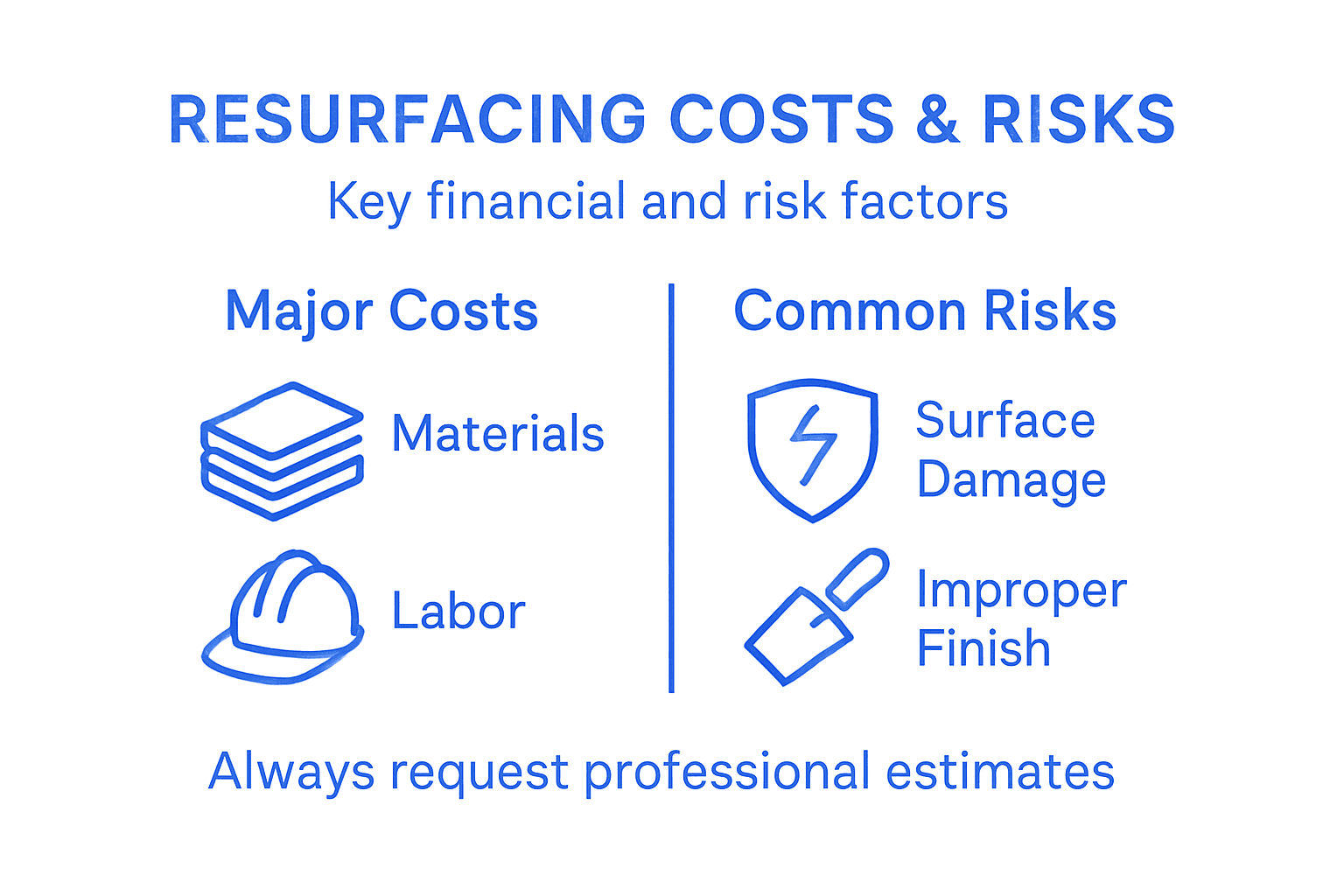
Significant risks accompany floor resurfacing that can compromise both aesthetic and structural outcomes. Improper technique, such as uneven sanding or inadequate surface preparation, can lead to permanent floor damage. Volatile organic compounds (VOCs) from finishing materials pose potential health hazards if proper ventilation is not maintained. Professional technicians understand how to mitigate these risks through careful material selection, precise application techniques, and comprehensive safety protocols. Surface rehabilitation strategies emphasize the importance of addressing underlying issues before applying surface treatments to prevent premature failure.
Common missteps in floor resurfacing often stem from underestimating the complexity of the process. Homeowners frequently attempt DIY restoration without fully understanding wood-specific requirements, leading to irreversible damage. Skipping critical preparation steps, using incorrect sanding equipment, or applying incompatible finishes can result in uneven surfaces, poor adhesion, and accelerated wear. Professional restoration experts recommend thorough floor assessment, precise material selection, and patient, methodical application to achieve optimal results.
Here is a summary of common risks and how professionals mitigate them during hardwood floor restoration:
| Risk | Potential Impact | Professional Mitigation |
|---|---|---|
| Uneven sanding | Permanent damage | Use precise sanding equipment |
| Poor surface preparation | Finish failure | Thorough cleaning and inspections |
| VOC exposure | Health hazards | Select low-VOC products, ventilate |
| Finish incompatibility | Peeling, poor adhesion | Test product on small area |
Pro Tip: Always request detailed written estimates that include potential additional costs and obtain multiple professional assessments before committing to a floor restoration project.
Benefits of Eco-Friendly Finishes and Fast Drying
Modern hardwood floor restoration prioritizes both environmental sustainability and performance through innovative finishing technologies. Eco-friendly flooring solutions dramatically reduce indoor air toxins by minimizing volatile organic compounds (VOCs) and utilizing sustainable materials. These advanced finishes not only protect hardwood surfaces but also contribute to healthier indoor environments, making them an increasingly popular choice for environmentally conscious homeowners.
The key advantages of eco-friendly finishes extend beyond environmental considerations. These specialized treatments offer superior durability, faster drying times, and enhanced protection against daily wear and tear. Low-VOC and water-based finishes provide excellent coverage while significantly reducing harmful chemical emissions. Technicians can apply these finishes more quickly, allowing homeowners to return to their spaces faster and with minimal disruption. The rapid curing process means less downtime and reduced exposure to potentially harmful substances during the floor restoration process.
Eco-friendly finishes represent a significant advancement in hardwood floor care, balancing aesthetic appeal with health and environmental consciousness. Modern formulations deliver remarkable performance characteristics, including enhanced scratch resistance, UV protection, and long-lasting shine. By selecting these advanced treatments, homeowners can achieve a beautiful floor restoration while supporting sustainable practices. The technology continues to evolve, offering increasingly sophisticated solutions that meet both aesthetic and environmental standards.
Pro Tip: Request a detailed breakdown of VOC levels and environmental certifications when selecting floor finishing products to ensure you’re making the most sustainable choice.
Restore Your Hardwood Floors with Trusted Experts
If your hardwood floors show signs of wear, deep scratches, or fading finish, professional floor resurfacing can bring their natural beauty back while protecting your investment. At J.R. Hardwood Floor Refinishing & Cleaning, we understand the challenges of floor restoration including the importance of precise sanding, eco-friendly finishing, and durable protection highlighted in this guide. We specialize in comprehensive services like full sanding and refinishing, screen and recoat treatments, and careful repair that extend your floor’s life and enhance safety.
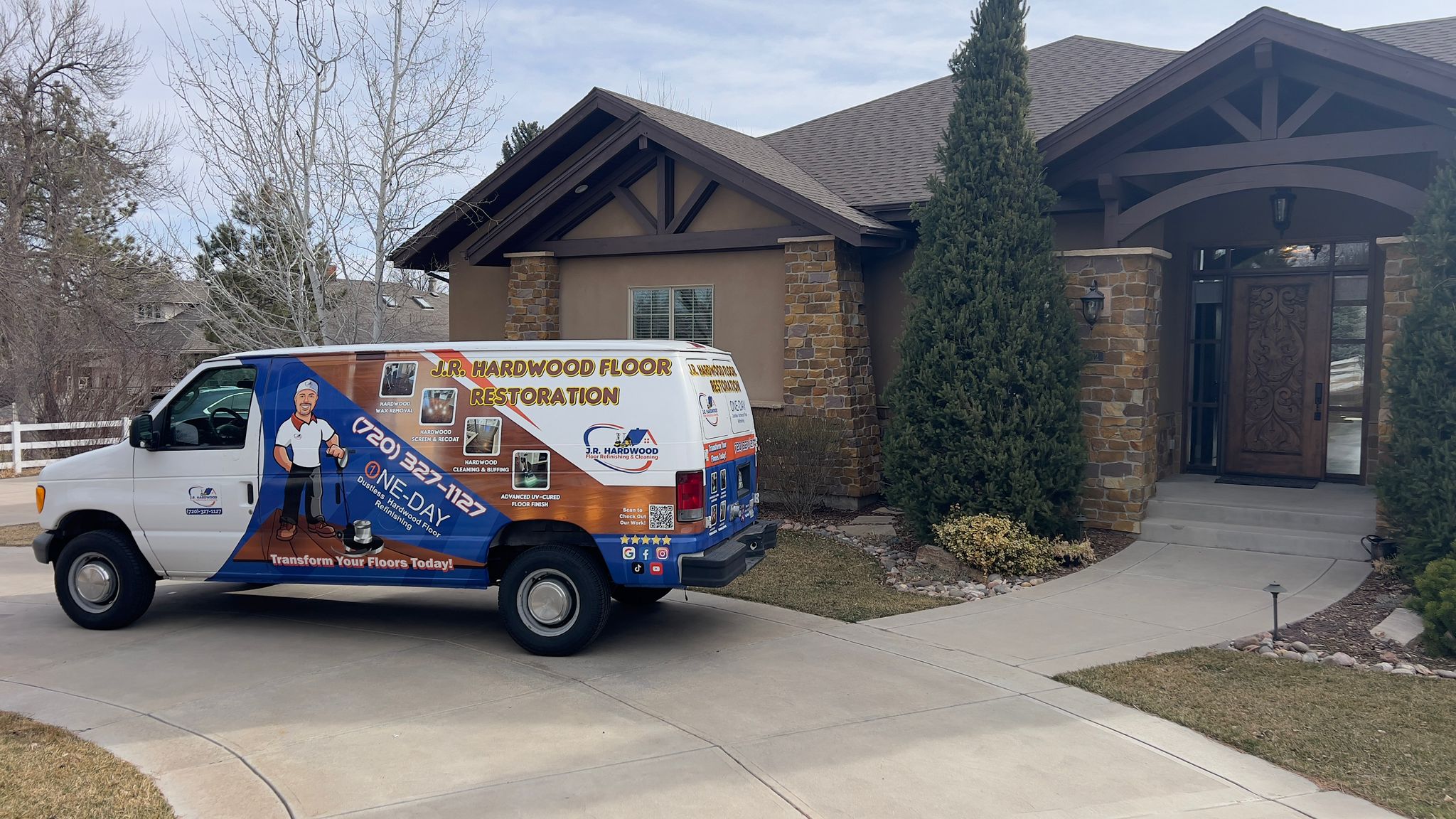
Discover how our expert craftsmanship and advanced techniques create like-new hardwood floors throughout the Denver Metro Area and surrounding Colorado communities. Visit Uncategorized Archives – J.R. Hardwood Floor Refinishing & Cleaning to learn more about our full range of services. Don’t wait until minor damage becomes costly repairs. Contact us now at https://www.jrhardwoodfloorrefinishingandcleaning.com/ for a free quote and personalized consultation. Let us help you confidently revive and protect your floors today.
Frequently Asked Questions
What is floor resurfacing and how does it work?
Floor resurfacing is a restoration technique that restores worn hardwood surfaces without complete replacement. It involves cleaning, repairing, and applying a new protective layer to enhance both the appearance and functionality of the floor.
What are the main types of floor resurfacing methods?
The primary methods of floor resurfacing include screen and recoat, full sanding and refinishing, and chemical restoration. Each method is tailored to address the specific condition and needs of the floor.
How does resurfacing differ from refinishing hardwood floors?
Resurfacing involves more extensive repairs that address both surface and structural issues, while refinishing focuses mainly on renewing the surface finish. Resurfacing is ideal for heavily worn floors, whereas refinishing suits lightly to moderately worn ones.
What should I expect during the floor resurfacing process?
The floor resurfacing process includes assessment, thorough cleaning, sanding, filling gaps, and applying multiple coats of protective finish. Professional technicians ensure careful preparation and application to achieve a smooth and durable result.
Recommended
- 5 Signs Your Hardwood Floors Need Refinishing – J.R. Hardwood Floor Refinishing & Cleaning
- When and Why to Buff Your Hardwood Floors
- The Ultimate Guide to Hardwood Floor Finishes – J.R. Hardwood Floor Refinishing & Cleaning
- Moisture Detection and Assessment for Flooring Issues in Tampa, FL: What Plumbing Services Can Help? – Home Therapist Cooling, Heating, and Plumbing
- Wooden Window Maintenance Explained: Complete Guide