 Skip to content
TL;DR:
- Floor condition impacts buyer perception more than material quality in home resale.
- Regular cleaning, buffing, and targeted refinishing preserve hardwood floors and maximize value.
- Proper finish choice for Denver accounts for UV exposure, low humidity, and seasonal changes.
Most Denver homeowners obsess over kitchen counters and bathroom tile when preparing to sell. But here’s what often gets missed: your floors are the first thing buyers feel underfoot and the largest visual surface in every room. The NAR’s 2025 report puts new wood flooring at 74% cost recovery, which is impressive on its own. But well-maintained and restored hardwood can push perceived value even higher. This guide walks you through exactly what to do, in what order, and why smart floor care is one of the most reliable ways to boost your Denver home’s resale value.
Table of Contents
- Why floor condition matters more than floor material
- Essential floor care routines for maximum return
- Floor finish types: What works best for Denver homes?
- When to refinish, restore, or replace: Decision guide
- Our take: Don’t overlook subtle floor upgrades for big value
- Ready to upgrade your floors for maximum value?
- Frequently asked questions
Key Takeaways
| Point | Details |
|---|---|
| Condition is king | Well-maintained floors in main areas have a bigger impact on buyers than just floor material. |
| Routine care pays off | Simple cleaning, buffing, and recoating every 12-18 months can extend floor lifespan and home value. |
| Choose the right finish | Water-based, UV-resistant floor finishes help prevent costly issues in Denver’s climate. |
| Strategic updates win | Focus your investment on high-traffic, visible rooms for the best return when selling. |
Why floor condition matters more than floor material
Here’s a truth that surprises a lot of homeowners: the condition of your floors matters more to buyers than what they’re made of. You could have solid white oak throughout your home, but if it’s dull, scratched, and worn down, buyers will assume the whole house hasn’t been well cared for. That mental shortcut costs sellers real money.
First impressions happen fast. The moment a buyer walks through your front door, their eyes sweep across the floor. In main living areas, kitchens, and dining rooms, floor condition sets the emotional tone of the entire showing. A gleaming, well-finished floor says “this home has been loved.” A scuffed, faded one whispers “what else is neglected?”
“Buyers don’t just buy the floor, they buy what the floor tells them about the house.”
This is why refinished existing hardwood consistently outperforms new low-cost flooring in resale situations. A fresh install of budget LVP or laminate might look clean, but it rarely has the warmth and authenticity of restored original hardwood. Buyers notice. And appraisers notice too.
Here’s a quick comparison to put it in perspective:
| Floor condition | Buyer perception | Typical value impact |
|---|---|---|
| Old hardwood, unrefined | Poor maintenance signal | Negative |
| Refinished original hardwood | High quality, move-in ready | Strong positive |
| New budget laminate/LVP | Acceptable but generic | Neutral to mild positive |
| New premium hardwood | Impressive but costly | Positive, lower ROI |
The 74% cost recovery figure for new wood flooring is solid, but refinishing existing hardwood typically costs a fraction of new installation while delivering a comparable or better visual result. That’s where the real value play is. Learn more about the full floor refinishing process to understand exactly what’s involved before your listing.
Bottom line: don’t let the floor material be your focus. Focus on condition, and you’ll see the payoff.
Essential floor care routines for maximum return
Maintaining that wow factor doesn’t require a major project every year. It requires consistency. Think of floor care like a skincare routine: small, regular habits prevent the big problems from forming in the first place.
Here are the core maintenance steps every Denver homeowner should know:
- Regular cleaning: Sweep or vacuum weekly to remove grit that scratches your finish. Use a hardwood-safe mop with minimal moisture, since Denver’s dry air already pulls moisture from wood.
- Clean and buff every 12 to 18 months: This periodic maintenance removes surface buildup and revives the sheen without any major disruption.
- Screen-and-recoat when the finish looks tired: This process lightly abrades the existing finish and applies a fresh coat. It’s perfect for floors that have lost their luster but don’t yet have deep scratches. Check out the screen-and-recoat process to see if it’s the right fit for your floors.
- Full sanding and refinishing for deep wear: When scratches go through the finish and into the wood, or when stains won’t come out, it’s time for a full refinish. This is the spa day your floors have been waiting for.
Denver’s climate adds a layer of complexity here. Low humidity levels, especially in winter, cause wood to contract and can accelerate finish wear. That means your maintenance intervals may be shorter than the national average.
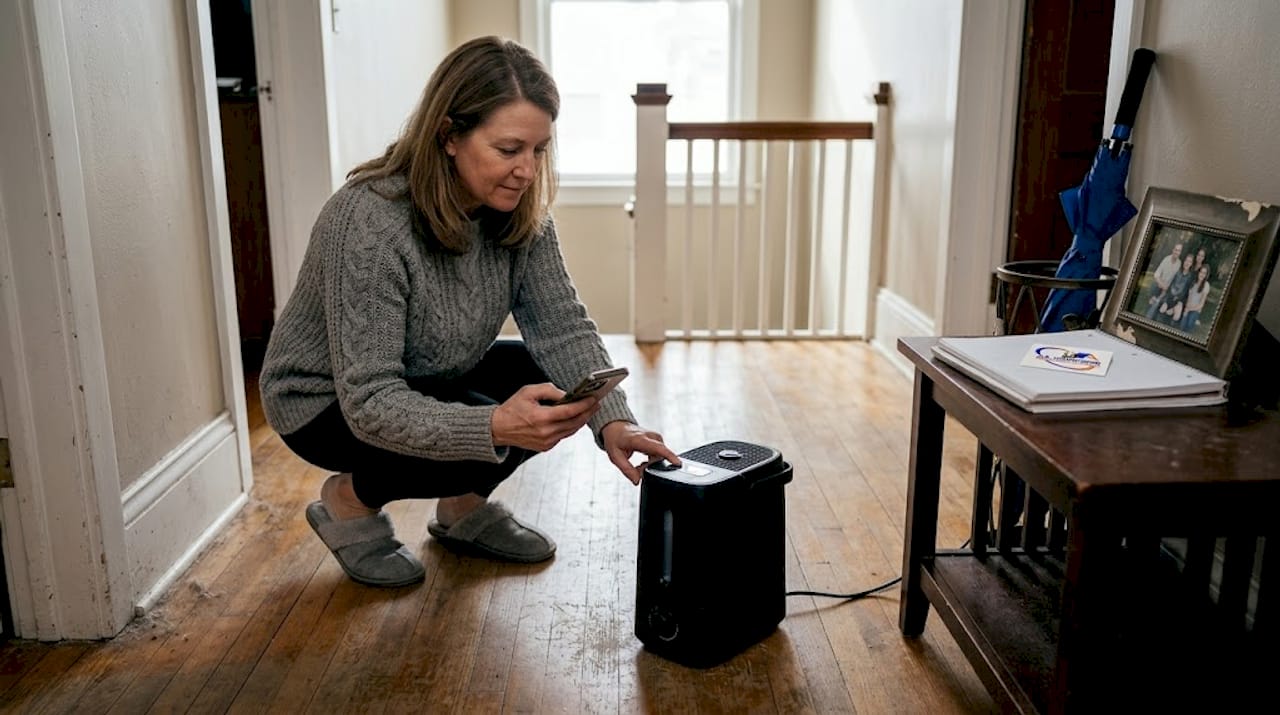
Pro Tip: Always start your floor care investments in the highest-traffic areas: entryways, living rooms, and kitchens. These are the spaces buyers spend the most time in during a showing, so they deliver the greatest return on your investment.
Sticking to this routine keeps your floors looking great year-round and prevents you from ever facing a full replacement bill when you’re ready to sell.
Floor finish types: What works best for Denver homes?
Proper maintenance keeps your floors looking great, but the right finish makes all the difference in Denver’s climate. At 5,280 feet above sea level, Denver homeowners deal with intense UV exposure, very low humidity, and dramatic seasonal swings. Your floor finish needs to handle all of it.
Here’s how the main finish types stack up for Denver conditions:
| Finish type | Durability | Drying time | UV resistance | Cost | Best for |
|---|---|---|---|---|---|
| Oil-based polyurethane | High | 3 to 5 days | Moderate | Lower | Budget-conscious projects |
| Water-based polyurethane | High | 1 to 2 days | Good | Moderate | Most Denver homes |
| UV-cured finish | Very high | Minutes | Excellent | Higher | High-traffic and sun-exposed areas |
Water-based and UV-resistant finishes are ideal for Denver because they resist the yellowing that oil-based products develop over time, and they flex better as humidity shifts cause wood to expand and contract. UV-cured finishes go a step further: they cure almost instantly under ultraviolet light, creating an incredibly hard surface that holds up beautifully in sun-drenched Colorado rooms.
Oil-based finishes have their place, especially for a warm amber tone that some homeowners love. But they take longer to dry, and they can yellow noticeably in bright rooms over a few years. That’s not the look buyers respond to.
For a deeper breakdown of your options, explore Denver floor finish options and review what the data says about floor finish durability in Colorado’s specific conditions.
Pro Tip: You don’t need to upgrade every room at once. Focus the premium finish on your main living areas and entryway. That’s where the cost-to-value ratio is strongest, and where buyers form their lasting impressions.
When to refinish, restore, or replace: Decision guide
Armed with the right knowledge about finishes, the next step is figuring out what your floors actually need. The good news? Full replacement is almost never the best financial move.
Here’s a simple process to guide your decision:
- Check for surface dullness only. If the finish looks flat but the wood underneath is intact, a clean and buff or screen-and-recoat is all you need. This is the most affordable option and still dramatically improves appearance.
- Look for scratches. Light scratches that are still in the finish layer, not the wood itself, respond well to screen-and-recoat. You can usually tell by running your fingernail across the scratch: if it doesn’t catch, it’s surface-level.
- Assess deep damage. Scratches that go into the wood, cupping, warping, or persistent staining mean it’s time for full sanding and refinishing. This hits the reset button completely and can add years of life to your floor.
- Evaluate structural damage. Boards that are cracked, rotting, or severely warped may need individual board replacement before refinishing. A professional assessment will tell you quickly.
- Consider full replacement only as a last resort. New flooring is expensive and rarely recovers its full cost. The benefits of refinishing almost always make it the smarter financial choice.
Cost recovery snapshot:
- Screen-and-recoat: typically 80 to 100% cost recovery in perceived value
- Full refinish: strong cost recovery, often matching or exceeding new flooring ROI
- Full replacement (budget): moderate cost recovery, lower buyer enthusiasm
- Full replacement (premium): high buyer appeal, but high cost with lower percentage return
Focus every update on visible, high-traffic areas. Buyers won’t inspect the floor in a back bedroom the way they’ll scrutinize your entryway and living room. Spend your resources where eyes land first.
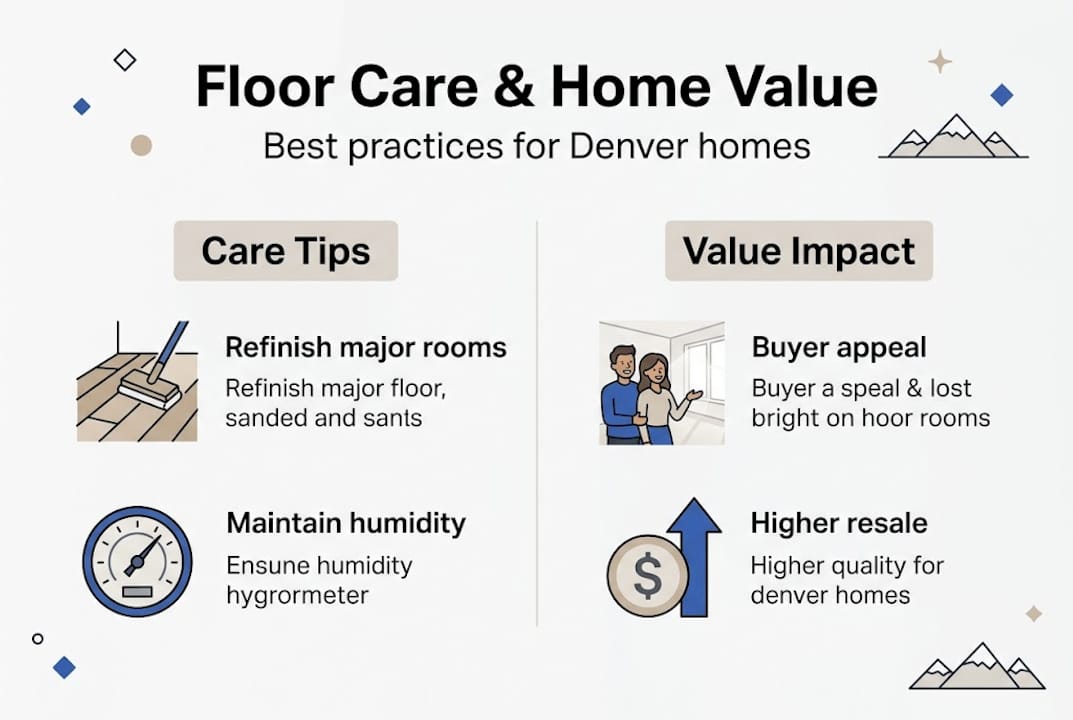
Our take: Don’t overlook subtle floor upgrades for big value
We’ve worked on floors across Denver, Parker, Castle Rock, and beyond, and one pattern keeps showing up: the homeowners who get the best return aren’t the ones who replace everything. They’re the ones who make targeted, smart decisions about condition and finish in the right rooms.
Buyers today want move-in ready. They don’t want projects. When they walk into a home and the floors look clean, bright, and well-finished, they relax. That feeling translates directly into stronger offers. What we tell every seller we work with is this: your floor is a signal of your overall home pride. Buyers read that signal instantly.
The 2025 NAR data confirms that condition in main areas trumps superficial upgrades spread thin across the whole house. Putting your energy into a beautiful finish in your living room and entryway will outperform patchy updates everywhere. And investing in modern finishes for durability means you’re not just selling a pretty floor; you’re selling one that will last for the next owner too. That’s a message buyers trust.
Ready to upgrade your floors for maximum value?
If you’ve been wondering whether your floors are holding back your home’s value, the answer is probably yes and the fix is simpler than you think. We make it easy for Denver homeowners to get started with a free over-the-phone quote based on photos and a quick conversation about your floor’s condition.
Not sure whether to DIY or call a pro? Read our honest breakdown of DIY vs. professional refinishing to make the right call for your situation. And if you want the full picture before booking anything, our hardwood refinishing guide walks you through every step. At J.R. Hardwood Floor Refinishing & Cleaning, we’re here to help you get the most from your floors, without the guesswork.
Frequently asked questions
How often should hardwood floors be refinished in Denver homes?
Hardwood floors typically need refinishing every 7 to 10 years, but Denver’s dry climate may mean you need screen-and-recoat treatments every few years to keep the finish fresh between full refinishes.
Does restoring original hardwood add more value than installing new flooring?
In most cases, yes. Refinished original hardwood signals authenticity and quality to buyers, which new budget flooring simply can’t replicate, and it costs significantly less.
Which floor finish is best for Denver’s climate?
Water-based and UV-resistant finishes are the top choice for Denver homes because they resist yellowing and handle the humidity swings and intense sun that Colorado is known for.
Is it worth refinishing only main rooms and leaving bedrooms for later?
Absolutely. Focusing on visible, high-traffic areas gives you the greatest value per dollar spent, since those are the spaces that shape a buyer’s first and lasting impression of your home.