 Skip to content
TL;DR:
- Flooring significantly influences home appeal and resale value, especially in Denver’s climate.
- Hardwood floors are most desirable, with refinishing often preferred over replacement for ROI.
- Budget-friendly options like luxury vinyl plank are practical for moisture-prone areas and boost appeal.
When you’re getting ready to sell your Denver home, flooring is one of the first things buyers notice, and one of the last things sellers think to update. That’s a costly mistake. The right floors can make a buyer fall in love at the front door, while worn or outdated flooring can send them straight to the next listing. In this guide, we’ll walk you through the top flooring options for resale, compare them side by side, and help you figure out exactly what your home needs to sell faster and for more money.
Table of Contents
- How flooring impacts home resale value
- Top flooring options for maximizing resale
- Head-to-head: Comparing the top flooring choices
- Which flooring is right for your home? Situational recommendations
- Our perspective: Why traditional advice sometimes misses the mark in Denver
- Upgrade your floors for a faster, higher sale
- Frequently asked questions
Key Takeaways
| Point | Details |
|---|---|
| Hardwood leads for value | Hardwood flooring consistently delivers the highest return on investment for Denver home sellers. |
| Consider climate and buyers | Choose flooring that matches local weather and buyer preferences to maximize appeal. |
| Refinishing beats replacing | Refinishing your existing hardwood often costs less and attracts more buyers than total replacement. |
| Use comparison tools | A side-by-side table helps weigh cost, appeal, and ROI for each flooring type. |
How flooring impacts home resale value
Buyers form opinions fast. Within seconds of walking through the door, they’re already deciding how they feel about your home. Floors cover every square foot of every room, so they have an outsized effect on that first impression. Scuffed, stained, or creaky floors say “this home needs work,” even if everything else is in great shape.
Here’s the thing: flooring isn’t just about looks. It signals to buyers how well the home has been maintained. Durable, well-kept floors suggest a homeowner who takes care of things. Worn-out floors, even if cosmetic, can make buyers wonder what else might need attention.
Upgrading floors can significantly increase a home’s value and appeal to buyers, which is why it’s one of the smartest pre-sale investments you can make. The key is choosing the right material for your home, your neighborhood, and your budget.
When it comes to Denver specifically, a few factors shape what buyers expect:
- Climate matters. Colorado’s dry air and dramatic temperature swings can cause some flooring materials to expand, contract, or crack. Buyers here know this, and they look for materials that hold up.
- Neighborhood comps matter. If every home on your block has hardwood, showing up with low-grade carpet puts you at a disadvantage.
- Condition matters as much as material. A refinished hardwood floor in great shape beats a brand-new cheap floor almost every time.
- Return on investment (ROI) matters. Not every flooring upgrade pays for itself. Choosing wisely means spending where it counts.
“The floor is the first thing buyers walk on and the last thing they forget. Get it right, and everything else in the home looks better.”
With an understanding of why flooring is so important, let’s explore specific options.
Top flooring options for maximizing resale
Now that you know what makes flooring influential, let’s break down the top resale-boosting choices.
Hardwood floors remain the most sought-after and high-return option for resale. If you already have them, you’re sitting on gold. If you don’t, installing them in key areas like the living room, dining room, and hallways can meaningfully move your sale price.
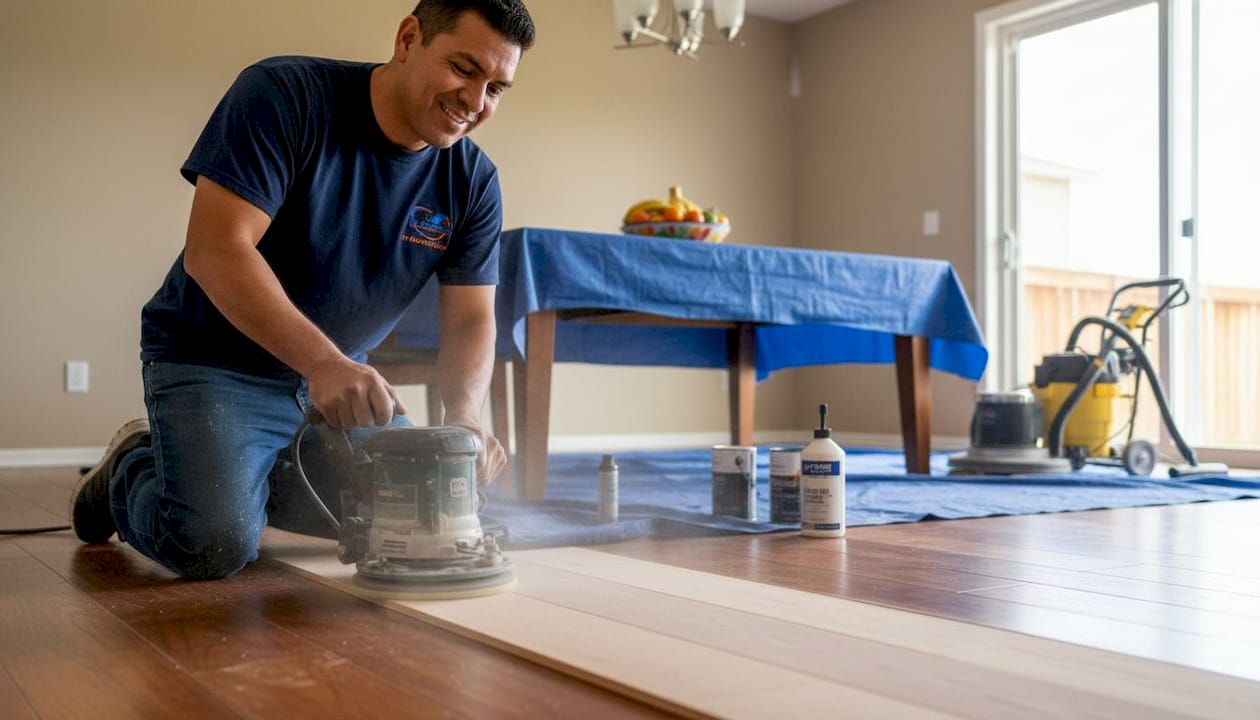
Here’s a quick look at the top contenders:
Solid hardwood
- Pros: Timeless appeal, can be refinished multiple times, strong buyer demand
- Cons: Higher upfront cost, sensitive to moisture and humidity changes
- Best for: Main living areas, older Denver homes with existing hardwood
Engineered hardwood
- Pros: More stable in Colorado’s dry climate, real wood appearance, can be refinished once or twice
- Cons: Slightly lower perceived value than solid hardwood
- Best for: Basements, areas with mild moisture exposure
Luxury vinyl plank (LVP)
- Pros: Waterproof, extremely durable, budget-friendly, great for high traffic areas
- Cons: Some buyers see it as a step down from real wood
- Best for: Kitchens, bathrooms, rental properties, budget-conscious sellers
Tile
- Pros: Durable, easy to clean, ideal for wet areas
- Cons: Cold underfoot, can feel stark if overused
- Best for: Bathrooms, entryways, laundry rooms
Carpet
- Pros: Comfortable, quiet, lower cost
- Cons: Least preferred by buyers in main living areas, shows wear quickly
- Best for: Bedrooms only, and only if it’s fresh and neutral
Pro Tip: If you have hardwood hiding under old carpet, pull a corner back before deciding to replace anything. Refinishing existing hardwood almost always costs less than new flooring and gives buyers exactly what they want.
Head-to-head: Comparing the top flooring choices
Let’s line up the leading flooring options side by side for a clear comparison.
| Flooring type | Durability | Buyer appeal | Typical ROI | Avg. cost per sq ft | Installation time |
|---|---|---|---|---|---|
| Solid hardwood | High | Very high | 70-80% | $8-$15 | 2-5 days |
| Engineered hardwood | High | High | 65-75% | $5-$12 | 1-3 days |
| Luxury vinyl plank | Very high | Moderate-high | 50-65% | $2-$6 | 1-2 days |
| Tile | Very high | Moderate | 45-60% | $3-$10 | 2-4 days |
| Carpet | Moderate | Low-moderate | 25-40% | $2-$5 | 1-2 days |
The numbers tell a clear story. Solid hardwood leads in buyer appeal and ROI, but it’s also the priciest. LVP punches above its weight for cost-conscious sellers who still want a clean, modern look. Carpet sits at the bottom for resale purposes, especially in living areas.
One thing worth noting: hardwood refinishing can yield up to 75% ROI, which means if you already have hardwood, refinishing it is almost always smarter than replacing it. You get the look buyers love at a fraction of the installation cost.
A common mistake sellers make is comparing flooring options purely on material cost without factoring in labor, timeline, and how each choice photographs. Homes sell online first. Floors that look warm and rich in listing photos attract more showings. LVP and carpet can look flat in photos, while hardwood and engineered wood add depth and warmth that buyers respond to emotionally.
The benefits of floor restoration go beyond aesthetics too. Restored floors signal move-in readiness, which is a huge selling point in today’s market where buyers want to avoid immediate projects.
Which flooring is right for your home? Situational recommendations
Armed with a side-by-side understanding, let’s match the best choice to your unique home and selling goals.
The first question to ask yourself is simple: what do you already have? If your home has hardwood floors, even old or dull ones, refinishing can breathe new life into existing hardwood, saving money while impressing buyers. Before spending on new flooring anywhere, get a professional assessment of what’s already under your feet.
Here’s a step-by-step checklist to guide your decision:
- Assess your current floors. Walk every room. Note scratches, stains, gaps, squeaks, and worn finish. Are the floors structurally sound?
- Check your neighborhood comps. Look at recent sales near you. What flooring did those homes feature? Matching or exceeding the standard is your goal.
- Know your buyer. Families with kids and pets love LVP for its toughness. Move-up buyers and empty nesters tend to prioritize hardwood.
- Set a realistic budget. Refinishing existing hardwood is the best ROI move if your floors qualify. New hardwood installation is a strong investment in the right price range. LVP is the smart choice for tight budgets.
- Think about Denver’s climate. Solid hardwood can be finicky in Colorado’s low humidity. Engineered hardwood or LVP may be more stable in certain areas of your home, especially basements.
- Prepare for listing photos. Whatever you choose, make sure floors are cleaned and prepped before listing your home. Dirty or dull floors hurt even the best photography.
Pro Tip: Don’t mix too many flooring types across your main floor. Buyers prefer visual flow. Consistent flooring throughout the main living areas makes your home feel larger and more cohesive.
For most Denver sellers, the winning formula is refinished hardwood in the main living areas, LVP in the basement or utility spaces, tile in bathrooms, and fresh neutral carpet only in bedrooms if needed.
Our perspective: Why traditional advice sometimes misses the mark in Denver
To wrap up, here’s a candid perspective drawn from local expertise.
A lot of national real estate guides will tell you to just “install hardwood everywhere” or “LVP is the future.” We’ve seen both of those recommendations backfire for Denver sellers. The truth is, many generic guides fail to account for Denver’s unique climate and buyer tastes.
Colorado’s dry winters are brutal on solid hardwood that isn’t properly acclimated or finished. We’ve walked into homes where brand-new hardwood was already gapping because no one accounted for the humidity drop in January. That’s a costly lesson.
More importantly, we’ve found that floor condition matters more than floor type to most buyers. A beautifully refinished 30-year-old oak floor beats a poorly installed new floor every single time. Buyers aren’t just buying material. They’re buying confidence that the home is cared for.
Our on-the-ground advice: don’t overlook the power of a professional clean and refinish before you spend a dollar on replacement. The transformation can be dramatic, and the savings are real. Focus on condition first, material second, and you’ll be ahead of most sellers in this market.
Upgrade your floors for a faster, higher sale
Ready to make a flooring upgrade that pays off at closing?
At J.R. Hardwood Floor Refinishing & Cleaning, we help Denver Metro homeowners get their floors listing-ready without overspending. Whether you’re weighing refinishing vs. a full DIY approach or want to understand what your existing floors are worth saving, we’re here to walk you through it.
Our complete guide to refinishing is a great place to start if you want to understand the process before committing. We offer free over-the-phone quotes based on photos and a quick conversation, so there’s no pressure and no guesswork. Reach out before you list, and let’s make sure your floors are working for you, not against you.
Frequently asked questions
What type of flooring adds the most value to a home in Denver?
Hardwood is most sought after and recommended for resale, typically providing the highest ROI and broadest buyer appeal in the Denver Metro Area.
Should I refinish or replace my hardwood floors before selling?
If your floors are structurally sound, refinishing is almost always the better investment. Refinishing can restore the look of existing hardwood for significantly less than full replacement.
Is luxury vinyl plank (LVP) a good option for resale?
Yes, especially for budget-conscious sellers or homes with moisture-prone areas. Durable, affordable LVP boosts appeal in modern homes and holds up well in Colorado’s climate.
Does carpet hurt home resale value?
Carpet works in bedrooms but is less desirable in main living areas, where buyers strongly prefer hard surface flooring.