 Skip to content
Most homeowners think all floor finishes are basically the same, just different sheens and colors. That’s a costly mistake. The finish you choose directly determines how long your floors last, how they handle Denver’s dry climate, and whether they’ll still look great after years of foot traffic. Hardwood and laminate floors each offer distinct finish types with unique benefits for durability, maintenance, and aesthetics. This guide breaks down the real differences so you can make a smart choice for your renovation project and protect your investment.
Table of Contents
- Understanding Hardwood Floor Finishes
- Laminate Floor Finishes: Durability And Style For Denver Homes
- Choosing The Right Finish For Your Home And Lifestyle
- Maintenance And Refinishing: Maximizing Floor Finish Longevity
- Expert Hardwood Floor Refinishing And Finishing Services In Denver
- Frequently Asked Questions
Key takeaways
| Point | Details |
|---|---|
| Hardwood finishes vary widely | Oil-based, water-based, and aluminum oxide finishes each offer different durability levels, sheen options, and maintenance needs. |
| Laminate provides built-in protection | Melamine and aluminum oxide wear layers deliver superior scratch and moisture resistance compared to many hardwood finishes. |
| Water-based finishes excel in Denver | Lower VOC emissions and faster drying times make water-based options ideal for Colorado’s air quality concerns and quick project timelines. |
| Traffic levels guide finish selection | High-traffic areas demand harder finishes like water-based polyurethanes or aluminum oxide coatings for long-term performance. |
| Professional refinishing extends life | Expert application and periodic refinishing preserve hardwood beauty and finish integrity far better than DIY approaches. |
Understanding hardwood floor finishes
Hardwood floors deliver timeless beauty, but the finish you apply makes all the difference in how they perform. Oil-based polyurethane has been the traditional choice for decades, offering a warm amber tone and deep grain enhancement. It’s durable and affordable but takes longer to dry and releases higher levels of volatile organic compounds during application. Water-based polyurethane dries faster, stays clear over time, and produces minimal odor. Water-based finishes offer 3x hardness and 90% less VOCs compared to traditional finishes, making them increasingly popular in Denver where air quality matters.
Aluminum oxide finishes provide exceptional hardness by incorporating microscopic ceramic particles into the coating. These finishes resist scratches and wear better than standard polyurethanes, though they typically come factory-applied on prefinished planks. Oil-modified finishes blend oil and water-based properties, offering a middle ground for homeowners seeking moderate durability with some color enhancement. Each finish type affects how light reflects off your floor, from high-gloss mirror-like surfaces to matte finishes that hide imperfections and reduce glare.
Gloss levels range from matte to high-gloss, with satin being the most popular choice for residential spaces. Matte finishes minimize surface reflections and show fewer scratches, perfect for busy households. Semi-gloss and high-gloss finishes amplify wood grain beauty but reveal every footprint and dust particle. Your choice impacts daily maintenance and long-term appearance, so consider how much cleaning you’re willing to do.
Maintenance varies significantly by finish type. Water-based finishes require pH-neutral cleaners and regular dust mopping to prevent buildup. Oil-based finishes tolerate more aggressive cleaning products but need periodic recoating to maintain protection. Aluminum oxide finishes demand the least maintenance, often lasting 25 years or more without refinishing in residential settings. For Denver homeowners dealing with dry air and temperature swings, proper humidity control protects any finish from cracking or peeling. Check out the ultimate guide to hardwood floor finishes for deeper technical details.
Pro Tip: Test finish samples on scrap wood or inconspicuous areas before committing to an entire floor. Lighting conditions in your home dramatically affect how finishes look, and what appears perfect in a showroom might not match your space.
| Finish Type | Durability | VOC Levels | Dry Time | Color Impact |
|---|---|---|---|---|
| Oil-based polyurethane | High | High | 24-48 hours | Amber tone develops |
| Water-based polyurethane | Very high | Very low | 2-4 hours | Clear, no yellowing |
| Aluminum oxide | Extremely high | Low | Factory-applied | Minimal |
| Oil-modified | Moderate to high | Moderate | 12-24 hours | Slight amber |
Understanding these differences helps you align finish selection with your priorities, whether that’s eco-friendliness, quick installation, or maximum longevity. Learn more about floor finish durability Denver considerations specific to Colorado’s climate.
Laminate floor finishes: durability and style for Denver homes
Laminate flooring construction differs fundamentally from hardwood, using multiple layers bonded together under high pressure. The wear layer sits on top, a transparent coating that protects the photographic layer beneath. This wear layer determines scratch resistance, moisture tolerance, and overall finish durability. Below that, a high-resolution image replicates wood grain, stone, or tile patterns. The core layer provides structural stability, typically made from high-density fiberboard, while a backing layer resists moisture from below.
Melamine is the most common laminate finish, created by infusing resin into decorative paper before bonding it to the core. It offers decent scratch resistance for light to moderate traffic areas at an affordable price point. Aluminum oxide coatings take durability further by adding ceramic particles to the wear layer, similar to hardwood aluminum oxide finishes. These laminate finishes often provide superior scratch and moisture resistance compared to some hardwood finishes. Acrylic coatings represent premium laminate finishes, delivering enhanced clarity and impact resistance for commercial-grade performance.
AC ratings classify laminate durability on a scale from AC1 to AC5, with higher numbers indicating greater wear resistance. AC3-rated laminates suit most residential applications, while AC4 and AC5 handle heavy commercial traffic. Denver homeowners with active families or pets should prioritize AC4 or higher ratings for main living areas. The wear layer thickness directly correlates with longevity, ranging from 6 mil for basic products to 20 mil for premium options.
Cost comparisons favor laminate for budget-conscious renovations. Quality laminate with durable finishes typically costs $3 to $7 per square foot installed, while comparable hardwood ranges from $8 to $15 per square foot. Installation is faster and simpler with laminate’s click-lock systems, reducing labor expenses. However, hardwood adds more resale value and can be refinished multiple times, potentially offsetting the higher initial investment over decades.
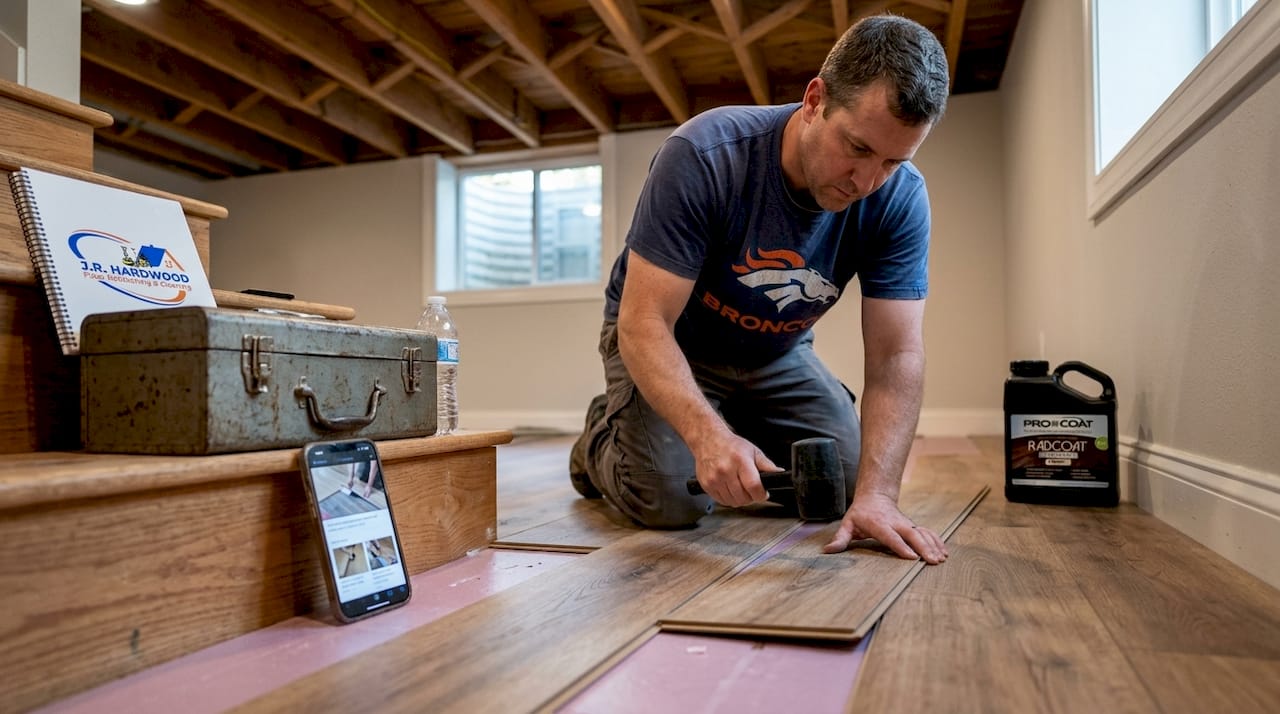
Moisture resistance gives laminate a significant edge in Denver basements, bathrooms, and kitchens where humidity fluctuates. The wear layer and core construction resist water damage better than most hardwood finishes, though standing water still causes problems if left unaddressed. Explore modern floor finishes in Colorado to understand regional performance factors.
Pro Tip: Look for laminate products with attached underlayment padding. This feature simplifies installation, improves sound dampening, and provides better moisture protection than separate underlayment layers.
| Feature | Laminate Finishes | Hardwood Finishes |
|---|---|---|
| Scratch resistance | Excellent with aluminum oxide | Good to very good depending on type |
| Moisture tolerance | Very good | Poor to moderate |
| Refinishing capability | None, must replace | Multiple times over floor life |
| Cost per square foot | $3-$7 installed | $8-$15 installed |
| Installation complexity | Easy, DIY-friendly | Moderate to difficult |
| Appearance authenticity | Realistic but printed | Genuine wood grain |
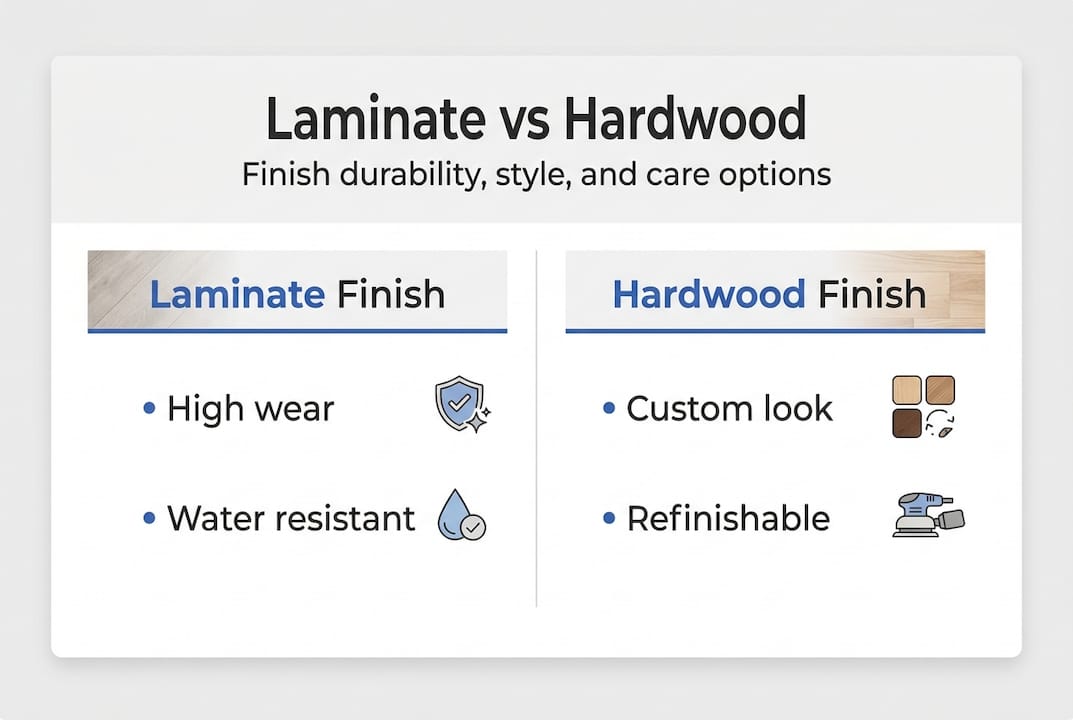
For high-traffic zones like entryways and hallways, consider flooring for high traffic areas that balance durability with aesthetic appeal. Laminate finishes excel in these demanding environments when properly selected.
Choosing the right finish for your home and lifestyle
Your daily life should drive finish selection more than any other factor. Households with children and pets need finishes that withstand spills, scratches, and constant activity. Water-based polyurethanes or aluminum oxide coatings deliver the durability required for these scenarios. Empty nesters or couples without pets can prioritize aesthetics over maximum hardness, selecting finishes that enhance wood grain beauty even if they require more careful maintenance.
Denver’s climate presents unique challenges for floor finishes. Low humidity in winter causes wood to contract, while summer moisture makes it expand. Proper finish selection can extend floor life significantly in Denver’s variable climate and high-traffic home areas. Finishes with good flexibility accommodate this movement without cracking. Water-based finishes handle these cycles better than rigid oil-based options, maintaining their protective seal through seasonal changes.
Follow this decision-making workflow to match finishes with your needs:
- Assess your household’s activity level and identify high-traffic zones requiring maximum durability.
- Evaluate moisture exposure in each room, prioritizing water-resistant finishes for kitchens, bathrooms, and basements.
- Determine your maintenance commitment, choosing low-maintenance options if you prefer minimal upkeep.
- Consider aesthetic goals, selecting finishes that complement your design vision and lighting conditions.
- Calculate your budget, balancing upfront costs with long-term value and refinishing expenses.
- Consult flooring professionals for personalized recommendations based on your specific floor type and condition.
Room function influences finish selection significantly. Bedrooms tolerate lower-durability finishes since foot traffic stays light and moisture exposure is minimal. Living rooms and dining areas need moderate to high durability depending on furniture arrangement and daily use patterns. Kitchens demand moisture-resistant finishes, making laminate or water-based polyurethanes smart choices. Entryways experience the harshest conditions with dirt, moisture, and constant traffic, requiring the toughest finishes available.
Aesthetic preferences matter too. Modern designs often favor matte or satin finishes that create understated elegance without excessive shine. Traditional homes might benefit from semi-gloss finishes that highlight wood grain character and architectural details. Open floor plans need consistent finish types across connected spaces to maintain visual flow.
Pro Tip: Don’t sacrifice durability for aesthetics in high-traffic areas. You can always add area rugs or runners to protect floors while achieving your desired look, but you can’t undo finish damage without refinishing.
Pet owners should prioritize scratch-resistant finishes and avoid high-gloss options that show every claw mark. Dogs and cats test floor durability daily, so aluminum oxide coatings or premium laminate wear layers provide the best defense. Nail trimming and paw pad maintenance reduce floor damage regardless of finish type.
For renovation projects, consider whether you want site-finished or prefinished hardwood. Site-finished floors allow custom stain colors and seamless finish coats across the entire surface. Prefinished planks arrive with factory-applied finishes, speeding installation but creating slight bevels between boards. Review replace vs refinish floors Denver options when existing floors need attention. Master high-traffic floor care tips to protect your investment after installation.
Maintenance and refinishing: maximizing floor finish longevity
Routine maintenance preserves finish integrity and extends floor life dramatically. Hardwood floors with any finish type benefit from daily dust mopping or vacuuming with soft brush attachments. Weekly damp mopping using manufacturer-recommended cleaners removes grime without damaging the protective coating. Avoid excessive water, which seeps into seams and causes swelling even with durable finishes. Place mats at exterior doors to trap dirt and moisture before they reach your floors.
Laminate maintenance is simpler but still requires attention. Sweep or vacuum regularly to prevent abrasive particles from scratching the wear layer. Clean spills immediately since standing water damages edges and seams over time. Use laminate-specific cleaners that don’t leave residue or dull the finish. Never use steam mops on laminate floors, as heat and moisture penetrate seams and destroy the core layer.
Refinishing breathes new life into worn hardwood floors, but timing matters. Sand and refinish when the existing finish shows significant wear, scratches penetrate to bare wood, or discoloration becomes widespread. Most solid hardwood tolerates 3 to 5 refinishing cycles depending on plank thickness. Engineered hardwood has a thinner wear layer, limiting refinishing to 1 or 2 times at most. Professional refinishing extends hardwood floor life and preserves finish integrity better than DIY in many cases.
Laminate cannot be refinished since the wear layer and photographic image sit on the surface. Damaged planks require replacement, which is straightforward with click-lock systems but impossible to match perfectly if the product line has been discontinued. This limitation makes initial finish quality crucial for laminate longevity.
Professional refinishing services deliver superior results through proper equipment, technique, and finish application. Professionals use dustless sanding systems that contain 99% of particles, preventing contamination throughout your home. They apply finishes in controlled conditions with optimal temperature and humidity, ensuring proper curing and maximum durability. DIY refinishing often results in uneven coats, bubbles, or premature finish failure from improper preparation.
Best practices for extending finish life include:
- Use furniture pads under all chair and table legs to prevent scratches and dents.
- Trim pet nails regularly and place mats under food and water bowls.
- Maintain indoor humidity between 35% and 55% year-round to prevent wood movement.
- Recoat high-traffic areas every 3 to 5 years before finish wears through to bare wood.
- Address spills and stains immediately to prevent absorption and permanent damage.
- Avoid harsh chemicals, abrasive cleaners, and excessive water during routine cleaning.
Pro Tip: Many homeowners over-clean their floors, using too much water or cleaning solution. This breaks down finishes faster than normal wear. Clean only when visibly dirty, and use minimal moisture for best results.
Screen and recoat services provide a cost-effective alternative to full refinishing when the existing finish is intact but dull. This process lightly abrades the surface to promote adhesion, then applies a fresh finish coat. It takes one day instead of several and costs significantly less than complete refinishing. Explore hardwood floor refinishing options to determine the right service level for your floors. Follow the floor cleaning checklist for consistent maintenance between professional services.
Expert hardwood floor refinishing and finishing services in Denver
Choosing the right finish is just the first step. Professional application ensures your floors deliver the durability and beauty you expect for years to come. J.R. Hardwood Floor Refinishing & Cleaning brings decades of experience to Denver Metro Area homes, combining advanced techniques with eco-friendly products for superior results. Whether you’re refinishing existing hardwood or installing new floors, expert guidance helps you avoid costly mistakes and achieve finishes that withstand Colorado’s unique climate challenges.
Our team specializes in water-based finishes that offer exceptional hardness with minimal environmental impact, perfect for health-conscious homeowners. We also provide comprehensive consultations to match finish types with your lifestyle, traffic patterns, and aesthetic preferences. From Parker to Boulder, our 5-star-rated services deliver predictable outcomes backed by detailed communication at every stage. Ready to protect your flooring investment with professional-grade finishes? Discover the difference expert refinishing makes by exploring hardwood floor refinishing diy vs professional service, reviewing our complete guide to hardwood floor refinishing, or learning about modern floor finishes durability style Colorado options we recommend.
Frequently asked questions
What is the most durable floor finish for Denver homes?
Water-based polyurethanes with aluminum oxide additives provide the highest durability for Denver’s climate and high-traffic conditions. These finishes resist scratches, handle humidity fluctuations, and maintain clarity without yellowing over time. For laminate floors, AC4 or AC5-rated products with aluminum oxide wear layers deliver commercial-grade performance suitable for busy households. Learn more about floor finish durability Denver factors that impact longevity.
How do water-based and oil-based hardwood finishes compare?
Water-based finishes dry faster, produce minimal odor, and stay clear throughout their lifespan, making them ideal for occupied homes and modern aesthetics. Water-based finishes have 3x hardness and produce 90% fewer VOC emissions than oil-based options. Oil-based finishes offer a warm amber tone that enhances wood grain and costs less upfront, but they yellow over time and require longer drying periods with strong odors during application.
Can laminate flooring be refinished like hardwood?
No, laminate cannot be sanded or refinished because the decorative layer and wear layer are thin surface coatings over a fiberboard core. Sanding would destroy the printed image and expose the core material. Damaged laminate planks must be replaced individually, which is possible with click-lock systems but may not match perfectly if the product has been discontinued. Hardwood floors can be refinished 3 to 5 times depending on plank thickness.
What finish is best for high-traffic areas in Denver homes?
Choose finishes with proven scratch and wear resistance for maximum longevity in entryways, hallways, and living rooms. Durable finishes with aluminum oxide coatings and water-based polyurethanes perform well in busy household areas. Matte or satin sheens hide imperfections better than high-gloss options, reducing visible wear over time. For laminate, AC4-rated products or higher provide the protection needed for constant foot traffic and active families.