 Skip to content
TL;DR:
- Surface restoration efficiently repairs and refines floors to like-new condition, saving up to 90% of replacement costs.
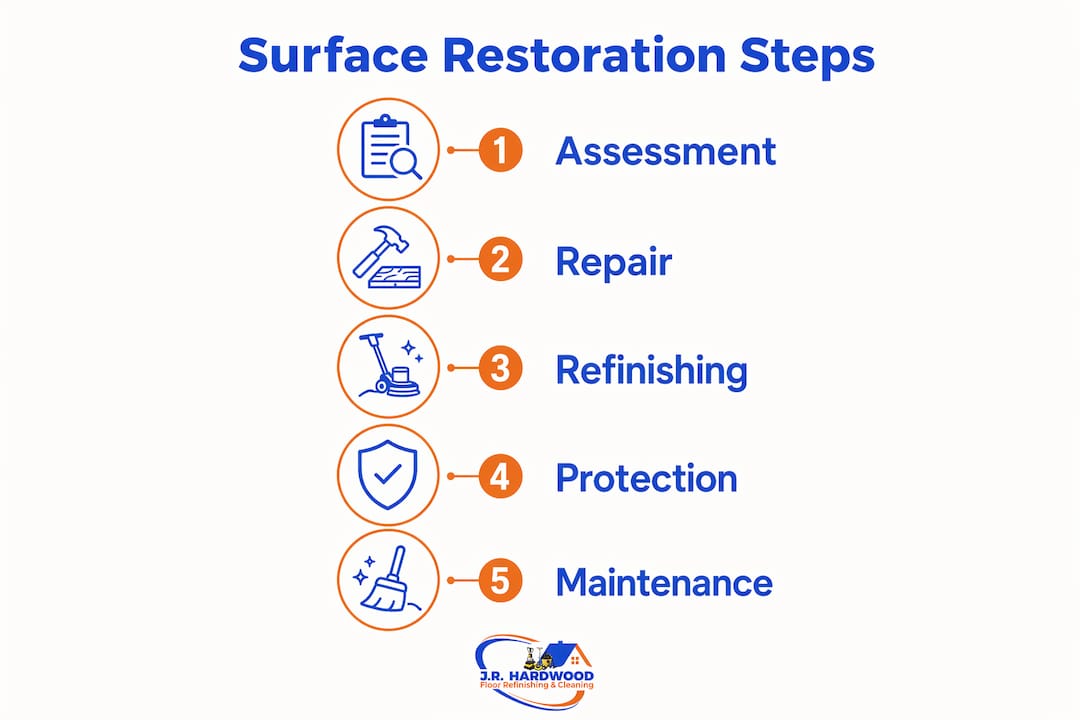
- It involves assessment, damage repair, surface grinding or sanding, polishing, and sealing specific to each flooring material.
Surface restoration is the professional process of repairing and refinishing flooring surfaces to return them to like-new condition without full removal or replacement. Think of it as a spa day for your floors. Instead of tearing everything out and starting over, skilled technicians assess the damage, repair problem areas, and refinish the surface so it looks and performs as it did when it was new. This process applies to hardwood, stone, concrete, and terrazzo floors. The core steps in explaining surface restoration are always the same: assess the condition, repair damage, refinish the surface, and apply protective treatments. Understanding this process helps you make smarter, more cost-effective decisions about your floors.
What does surface restoration involve for different flooring types?
Surface restoration covers a wide range of techniques depending on the material underfoot. Each floor type has its own set of procedures, tools, and limits. Here is a breakdown of what the process looks like for the most common surfaces.
Hardwood floor restoration techniques
Hardwood restoration ranges from light maintenance to full refinishing, depending on the damage level. Hardwood resurfacing (also called screening and recoating) lightly abrades the existing finish without sanding down to bare wood. This works well for light scratches and minor surface wear. Deep gouges, water stains, or cupped boards require full sanding and refinishing or targeted repairs before any coating goes on.
The main hardwood surface restoration techniques include:
- Screen and recoat: Scuffs the existing finish and applies a fresh topcoat. Best for floors with light wear and no structural damage.
- Full sanding and refinishing: Removes all old finish down to bare wood, repairs damage, and applies new stain and finish coats. This is the reset button for heavily worn floors.
- Spot repair: Fills gouges, replaces damaged boards, or addresses stains before refinishing.
- Wax removal: Strips old wax buildup before applying modern polyurethane or oil finishes.
Pro Tip: If your hardwood floor has been coated with wax in the past, tell your contractor before scheduling any work. Wax and polyurethane finishes are not compatible, and skipping wax removal causes peeling and adhesion failure.
Stone and terrazzo restoration
Stone and terrazzo floors get their glow back through a sequenced mechanical process. Terrazzo restoration typically involves condition assessment, cleaning, crack repair with color-matched filler, and then successive diamond grinding stages moving from coarse to fine grits before honing and polishing. This sequenced abrasive progression is what separates a professional result from a patchy, uneven finish. Skipping grits leaves visible scratch patterns that show up clearly under light.
Stone surfaces like marble, travertine, and limestone follow a similar path. Technicians test for Mohs hardness and porosity before selecting the right diamond tooling and chemical treatments. Sealing is the final step, acting like sunscreen for the stone by blocking moisture and staining agents.
Concrete restoration
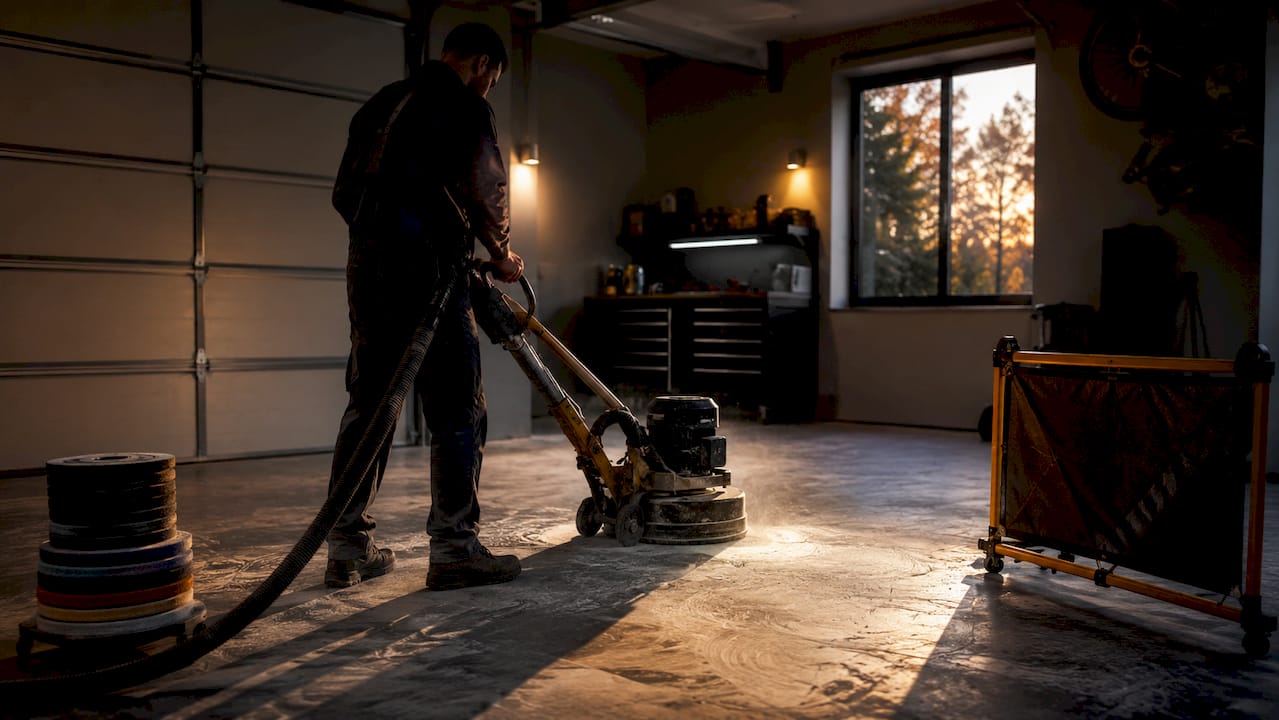
Concrete restoration is a different animal. The goal is to mechanically refine the slab using progressively finer diamond tools from around 30 grit up to 3000 grit, creating a dense, reflective finish without any topical coating. Before any grinding begins, technicians determine the correct Concrete Surface Profile (CSP). The CSP scale from 1 to 9 measures surface roughness. Thin acrylic sealers need a CSP of 1 to 2, while thick epoxy broadcast systems require CSP 3 to 4. Getting this wrong is the number one reason coatings fail prematurely.
What are the benefits of surface restoration compared to replacement?
Restoration typically costs 10 to 30% of replacement price, which translates to 70 to 90% in cost savings. For a homeowner or property manager, that difference is significant. Replacing a 1,000-square-foot hardwood floor in Denver can run tens of thousands of dollars once you factor in materials, labor, disposal, and downtime. Restoration gets you a like-new result for a fraction of that.
Beyond the savings, here are the other reasons restoration wins:
- Less disruption: Restoration is faster and less invasive than replacement. You are not dealing with weeks of construction, subfloor work, or furniture in storage.
- Environmental benefit: Preserving original materials keeps them out of landfills. Restoring an original hardwood or terrazzo floor is one of the most sustainable choices you can make for your property.
- Historic preservation: Original hardwood, stone, and terrazzo floors often have character and craftsmanship that modern replacements cannot replicate. Restoration keeps that history intact.
- Longevity through protection: Proper sealing and finishing after restoration adds years of protection. A well-maintained restored floor can outlast a cheap replacement by decades.
“The key to successful surface restoration is a thorough assessment to determine if the surface can be returned to like-new condition rather than just cleaned or cosmetically improved.” — Stone Care Glossary
This point matters more than most people realize. A surface that only gets a cosmetic touch-up without proper prep will look good for six months and then fail. Real restoration addresses the root condition of the floor, not just the surface appearance.
How to know when surface restoration is right for your floor
Not every floor is a candidate for restoration, and knowing the difference saves you time and money. The table below outlines the most common scenarios.
| Floor condition | Best approach |
|---|---|
| Light surface scratches, dull finish | Screen and recoat or clean and buff |
| Moderate wear, minor stains, no structural damage | Full refinishing or stone honing and resealing |
| Deep gouges, water damage, cupping | Spot repair followed by full restoration |
| Severe structural damage, rot, or subfloor failure | Replacement required |
| Historic or original surface with sentimental value | Restoration strongly preferred |
Uniform wear across a floor is almost always restorable. Localized damage, like a water stain near a sink or a gouge from dropped furniture, can usually be repaired as part of the restoration process. The tricky cases are floors with widespread water damage or structural issues beneath the surface. A professional assessment catches these problems before work begins, which is why skipping the assessment phase is never a good idea.
Pro Tip: For occupied commercial properties, ask your contractor about dust control and staged scheduling. HEPA-filtered vacuums and containment barriers keep the rest of your building clean while work is in progress.
Post-restoration maintenance is also part of the decision. A restored hardwood floor needs regular cleaning with pH-neutral products and periodic recoating every few years. Stone and terrazzo floors benefit from routine sealing to maintain their protective barrier. If you are not prepared to follow a maintenance plan, restoration results will not last as long as they should.
What does a professional surface restoration project look like step by step?
Knowing what to expect from start to finish makes the whole process feel much less overwhelming. Here is how a professional floor restoration project typically unfolds.
- Free assessment: A technician visits your property (or reviews photos for an over-the-phone quote) to evaluate the surface type, finish condition, damage patterns, and realistic outcomes. For stone and terrazzo, this includes Mohs hardness testing and porosity analysis.
- Written proposal: A detailed written proposal documents the surface type, recommended process, materials, timeline, and expected results. Professional proposals are typically delivered within 48 hours of the assessment.
- Scheduling and preparation: Work is scheduled around your life. Furniture is moved, surfaces are protected, and dust containment is set up. For occupied buildings, work is staged to minimize disruption.
- Grinding and honing: Technicians begin with coarser diamond tooling to remove damage and level the surface, then progress through finer grits. For hardwood, this means drum or orbital sanding. For stone and concrete, it means diamond pads moving from 30 grit up to 800 or higher.
- Polishing and densifying: Concrete slabs receive a densifier treatment to harden the surface before final polishing. Stone and terrazzo reach their final sheen through progressively finer polishing pads.
- Sealing and finishing: The right protective treatment is applied based on the surface type. Hardwood gets polyurethane, oil, or UV-curable finish. Stone gets a penetrating sealer. Concrete gets a topical coating matched to the CSP profile.
- Final walkthrough: You inspect the finished surface with the technician, confirm the results meet expectations, and receive a maintenance plan tailored to your floor type.
Poor surface preparation is the primary cause of coating failures. Every step in this list builds on the one before it. Rushing the prep phase to save time almost always means redoing the work sooner than expected.
Key takeaways
Surface restoration returns flooring to like-new condition through assessment, repair, refinishing, and protection, and it costs a fraction of full replacement while preserving original materials.
| Point | Details |
|---|---|
| Restoration vs. replacement cost | Restoration typically costs 10 to 30% of replacement, saving homeowners 70 to 90%. |
| Surface-specific techniques matter | Hardwood, stone, terrazzo, and concrete each require different tools, grits, and treatments. |
| Assessment is non-negotiable | A professional condition assessment determines whether restoration or replacement is the right call. |
| Preparation drives results | Poor surface prep is the leading cause of coating failure across all floor types. |
| Maintenance extends the investment | A post-restoration care plan keeps floors performing well for years after the project ends. |
What I have learned after years of restoring floors in Colorado
I have seen homeowners spend three times more than necessary because they assumed their floor needed full replacement. Nine times out of ten, when we show up for an assessment, the floor is restorable. The damage looks worse than it is because dirt, dull finish, and surface scratches amplify each other visually. Once we sand or grind down to a clean surface, the transformation is dramatic.
The biggest misconception I run into is that restoration and refinishing are the same thing. They are related, but restoration is the broader process. Refinishing is one step within it. Many vendors will quote you a refinishing job when what your floor actually needs is a full restoration that includes repair work, proper surface profiling, and the right protective finish for your specific material. If a proposal does not mention surface assessment, material testing, or a maintenance plan, ask why.
I also want to be honest about limits. Some floors genuinely need replacement, and a good contractor will tell you that upfront rather than take your money for a restoration that will not hold. At Jrhardwoodfloorrefinishingandcleaning, we have turned down jobs where replacement was clearly the better answer. That kind of honesty is what builds long-term trust with homeowners and property managers across Denver and the surrounding communities.
One more thing that gets overlooked: the finish you choose after restoration matters as much as the prep work. A beautiful sanded hardwood floor sealed with the wrong product will look worn again within a year. We match the finish to the floor’s traffic level, location in the home, and your lifestyle. That is the difference between a restoration that lasts two years and one that lasts ten.
— J.R.
Ready to restore your floors? Here is how we can help
At Jrhardwoodfloorrefinishingandcleaning, we make the restoration process straightforward and stress-free for homeowners and property managers across the Denver Metro Area, Parker, Castle Rock, Boulder, and Colorado Springs. We offer free over-the-phone quotes based on your description and photos, so you get honest guidance before committing to anything. Our team uses eco-friendly products and premium finishes to deliver results that look great and last. If you are weighing your options, our guide to professional vs. DIY refinishing breaks down exactly what is involved and why professional results hold up longer. With 5-star reviews across multiple platforms and a transparent scheduling process, we are ready to help your floors look their best again.
FAQ
What is surface restoration in flooring?
Surface restoration is the professional process of repairing and refinishing a floor to return it to like-new condition without full replacement. It includes assessment, damage repair, grinding or sanding, polishing or refinishing, and protective sealing.
How much does surface restoration cost compared to replacement?
Restoration typically costs 10 to 30% of replacement, generating savings of 70 to 90%. The exact cost depends on the floor type, damage extent, and square footage.
What floor types can be restored?
Hardwood, stone (marble, travertine, limestone), terrazzo, and concrete floors are all candidates for professional restoration. The right technique depends on the material and the type and extent of damage present.
How do I know if my floor needs restoration or replacement?
Uniform surface wear, light scratches, dull finish, and minor stains are signs that restoration will work. Widespread structural damage, rot, or subfloor failure typically means replacement is the better path. A professional assessment gives you a clear answer before any money is spent.
How long does a restored floor last?
A properly restored and sealed floor can last many years with routine maintenance. Hardwood floors benefit from recoating every few years, while stone and terrazzo floors need periodic resealing to maintain their protective barrier and appearance.