
A lot of Denver homeowners start looking at white stained wood floors after they’ve lived with dark, orange, or heavily amber floors for a few years. The room feels heavier than they want. Natural light doesn’t bounce the way it could. In older homes near Wash Park, Park Hill, and Bonnie Brae, that shift can completely change how the house feels without changing the footprint at all.
That said, white floors are one of the easiest looks to get wrong. In Denver hardwood floor refinishing, the prep, stain choice, and topcoat matter more than homeowners expect. Add Colorado’s dry air, seasonal movement, pets, and busy households, and it becomes clear why the finish system matters just as much as the color. If you’re considering a lighter floor, especially with a modern UV-Cure System, the details decide whether the floor looks clean and architectural or chalky and uneven.
Embracing the Light The Appeal of White Stained Wood Floors
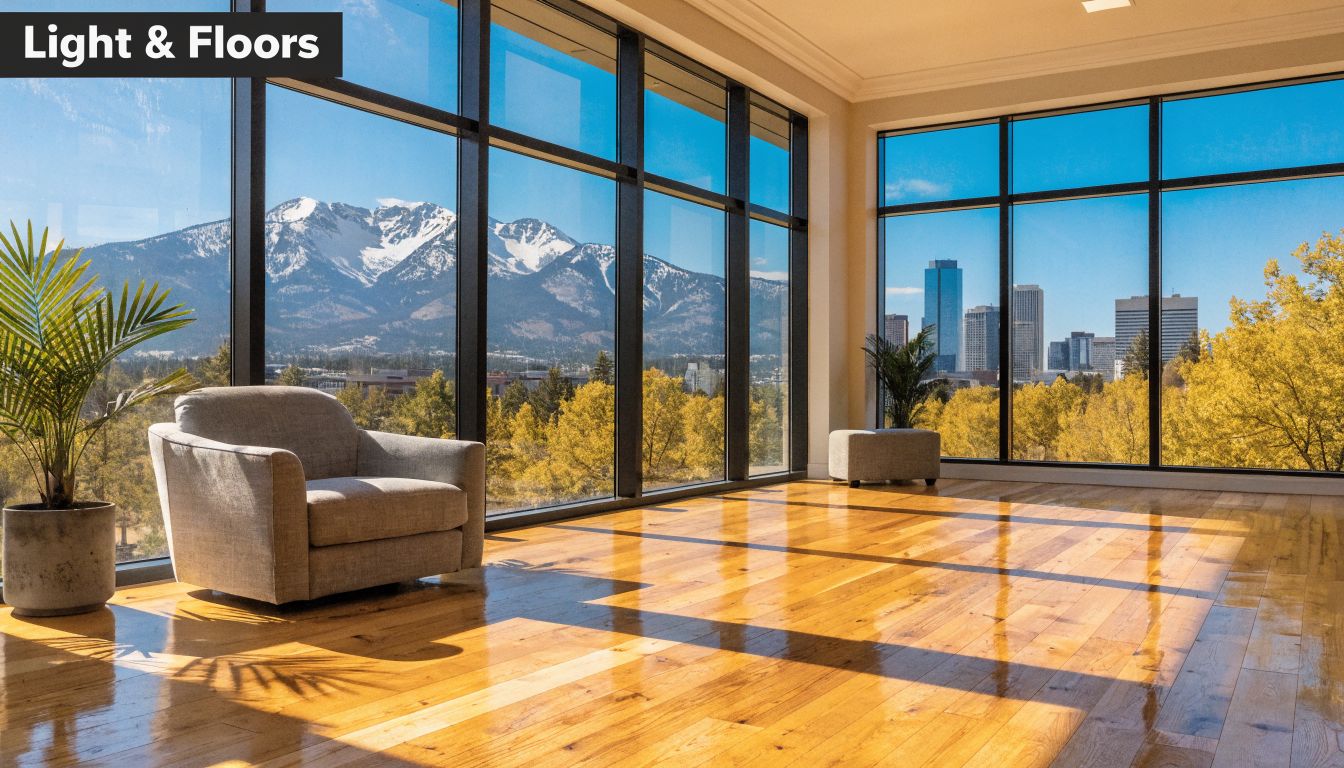
White stained floors work because they change the whole room, not just the color under your feet. In a Washington Park bungalow, light floors can open up narrower rooms and make trim, cabinetry, and natural light stand out. In newer homes around Highlands Ranch or Parker, they can keep big open layouts from feeling flat or overly beige.
The appeal isn’t new. During the Baroque Era (1625-1714), wooden floors, including early stained varieties, emerged as a luxury feature in affluent European homes. The French introduced parquetry and marquetry patterns using hand-cut contrasting hardwoods, which were meticulously stained, hand-scraped, scrubbed with sand, and polished. That period helped establish staining as a foundational way to improve both appearance and protection, as noted in this history of wood floors.
Why homeowners gravitate to lighter floors
A white or lightly whitened floor can do a few things really well:
- Brighten darker interiors by reflecting window light instead of absorbing it
- Tone down red or orange undertones in older oak
- Support modern finishes and cabinetry without making the room feel cold
- Make mixed furniture styles work together more easily
In Denver homes with strong sun exposure, white stained wood floors also tend to photograph well for listings and remodel portfolios. That matters for homeowners in neighborhoods where presentation carries real weight.
White floors look simple from a distance. Up close, the best ones still show wood character.
The look people usually want
The preference is for unpainted floors, where the grain remains visible. The aim is for a room that feels lighter, cleaner, and less yellow. On white oak, that often means a soft, translucent result. On red oak, it takes more planning because the grain pattern and natural undertones push back harder.
If you’re exploring that look, it helps to see examples of white stained oak floors before you settle on a formula. The target isn’t “white” in the abstract. The target is a finish that fits your wood species, your light, and how you live in the home.
Whitewash vs Pickling vs True Stain Choosing Your Method
People often use these terms interchangeably, but they’re not the same. The method changes the final look, how much grain shows, and how forgiving the process is. If you choose the wrong approach for the wood you already have, the floor can end up looking cloudy, streaky, or flatter than you intended.
What each method really means
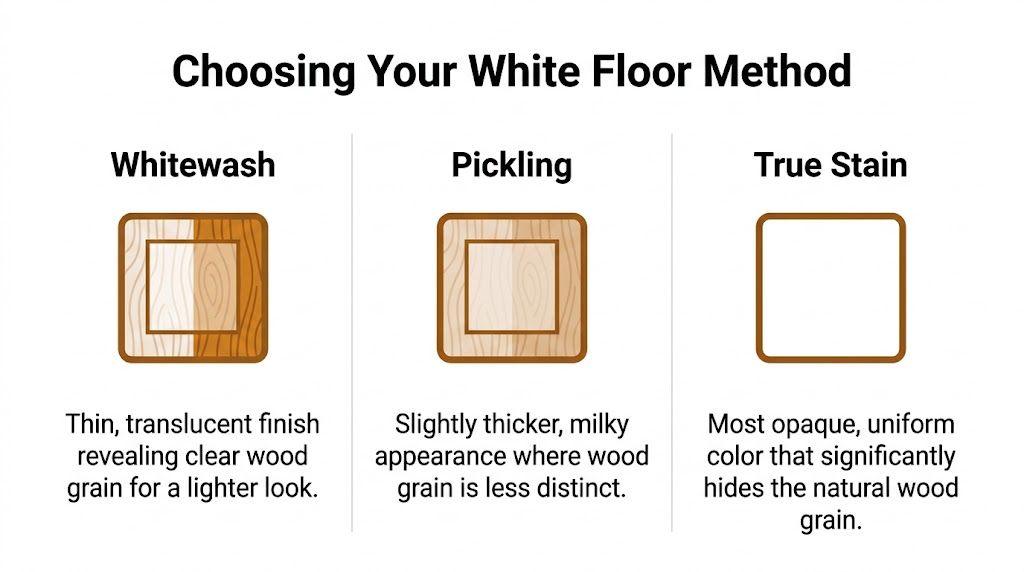
Whitewash usually refers to a thinner, more translucent effect. The goal is to lighten the floor while keeping the wood texture and grain obvious.
Pickling or liming gives a milkier look. It often settles into the grain and can create more contrast, especially on open-grained woods.
True white stain pushes closer to a more uniform color result. It can still show grain, but it tends to mute variation more than a classic whitewash.
Comparison of White Staining Techniques
| Technique | Typical Look | Best For | Professional Tip |
|---|---|---|---|
| Whitewash | Light, translucent, grain-forward | Homeowners who want an airy floor without hiding natural character | Best when the sanding is extremely even because light transparency reveals mistakes |
| Pickling | Slightly milkier and more textured in the grain | Rustic or character-heavy floors where visible grain is part of the design | Test in multiple boards because grain depth changes the final contrast |
| True Stain | More uniform and more controlled from board to board | Cleaner, more contemporary interiors | Works best when the species and stain formula are matched carefully |
What works best on different floors
White oak usually responds better to a whitewashed or lightly stained treatment because the look stays refined instead of pink or muddy. Red oak can still be lightened, but it often needs more sample work because its grain and undertones create a different result.
That’s where a lot of homeowners get surprised. A finish they love on a sample photo may have been done on white oak, while their home has red oak. Same color name. Different floor. Very different outcome.
Practical rule: Don’t pick the method from the stain label alone. Pick it from the species, grain pattern, and the level of grain visibility you want after finish coats go on.
The real trade-off
The more natural and translucent the floor, the more sanding quality matters. The more opaque the whitening effect, the easier it is to lose the wood’s warmth and character. Good white stained wood floors sit in the middle. They feel brighter, but they still read as hardwood.
For most Denver homes, the sweet spot is a controlled whitewash or a soft true stain that keeps the floor from feeling painted. That’s especially true in homes with mountain views, natural stone, warm white walls, or mixed wood furnishings where an over-bleached look can feel out of place fast.
Professional Prep The Secret to a Flawless White Finish
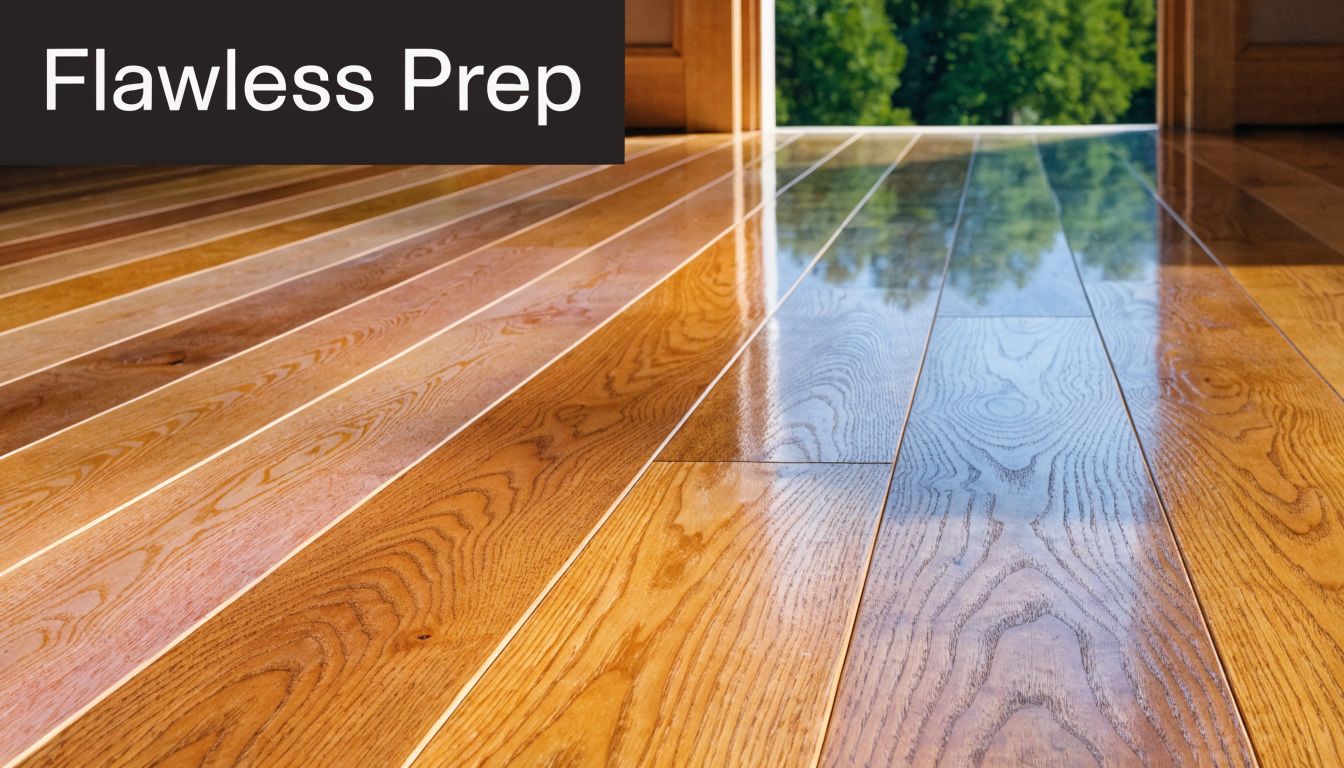
White floors expose prep mistakes faster than dark floors. Old finish left in the grain, uneven edge sanding, chatter marks, and patched areas all show up more clearly once a light stain goes down. That’s why a white floor job is won or lost before the stain ever touches the wood.
Dust-free sanding matters more than people think
In occupied homes, dust containment isn’t just about cleanliness. It affects the result. Fine airborne dust can settle back into open grain or onto the floor before stain and finish stages. A proper dust-free setup helps keep the surface cleaner and more consistent.
The prep sequence also has to be deliberate. White finishes don’t forgive skipped grits or rushed edging. Professionals usually work through a full sanding progression and spend extra time blending field, perimeter, and corners so one area doesn’t absorb more color than the next.
What prep should include
A solid prep plan usually involves:
- Assessing the existing floor for wax, old coatings, repairs, pet stains, and board replacement needs
- Removing previous finish completely so the new white tone isn’t contaminated by amber residue
- Balancing the sanding pattern between the main field and edges
- Checking stain samples on the actual floor instead of choosing from a can label
If you’ve looked at full sanding and refinishing services, that’s the kind of process homeowners should expect when the goal is a high-end white finish.
A white floor can look expensive or sloppy with the exact same stain. Prep is what separates the two.
Why Colorado homes need extra attention
Denver-area homes deal with dry winters, stronger sun, and seasonal movement. If boards have gaps, minor cupping history, or inconsistent wear, a light stain won’t hide any of it. In older neighborhoods like Congress Park or Sloan’s Lake, that’s common. The floor can still look excellent, but only if the prep work respects what the wood has already been through.
This is also where wax removal, deep cleaning, or board replacement can become part of the project. If there’s contamination in the surface, whitening products often react unpredictably. That’s why “just buff it and stain it” usually isn’t the right call for this look.
The Art of Application A Step-by-Step Professional Walkthrough
A white floor can look clean and modern, or streaky and flat. The difference usually shows up during application.
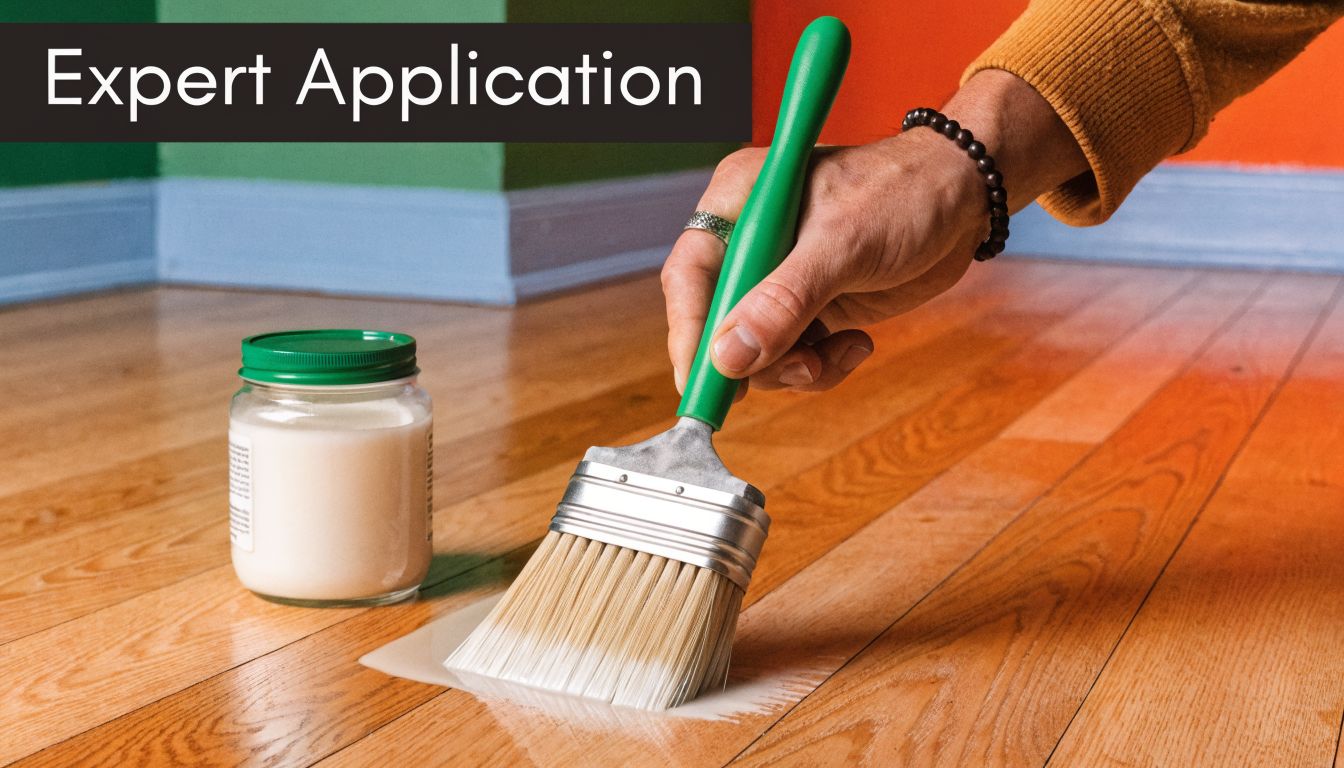
In Denver homes, I see this in everything from newer builds in Central Park to older white oak floors in Wash Park. Homeowners often love the idea of a light Scandinavian look, but white stain has very little forgiveness. A dark stain can hide minor wipe errors. White highlights them.
The sequence that creates a clean result
A professional application follows a tight sequence and a steady pace across the room. On white oak, many crews sand to a fine final grit, then test whether the floor wants a straight white stain, a diluted blend, or a custom mix softened with neutral. The stain goes down in controlled sections, the wet edge is maintained, and the wipe is timed based on temperature, humidity, and how thirsty the wood is that day.
That last part matters in Colorado. Dry air can shorten working time, especially in winter, and strong sunlight through large west-facing windows can speed things up even more. On a floor in Hilltop or Bonnie Brae, two areas of the same room may not accept color at the same rate.
What the actual steps look like
Check the floor under strong side lighting
Every sanding scratch, filler patch, and edge mismatch becomes more visible once the floor turns white. The floor gets inspected before any color is applied.Decide whether to water-pop
Water-popping can help open the grain and create more even stain acceptance, but it is not automatic. Some floors look better without it, especially if the target is a softer, quieter white instead of a bold washed look.Apply the stain in small, controlled sections
White stain should be laid down thin and evenly. Flooding the surface usually creates a heavy, cloudy look that reads more painted than stained.Wipe with a consistent method
Pressure, timing, and cloth changes all affect the final color. If one section gets wiped later than the next, you can see it across the room.Let the floor dry fully before coating
White pigments and residual moisture need time to settle out. If finish goes on too soon, the floor can lose clarity and the topcoat may not lay down the way it should.
A lot of DIY articles skip over that timing piece, but it is one of the reasons white jobs are harder than they look. Homeowners browsing a typical sanding and refinishing hardwood floors process usually do not see how much adjustment happens on site from one species, room, and season to the next.
A short video can help you visualize how much technique goes into a real refinishing process.
Why white application takes a practiced hand
General remodel crews often know how to coat a floor. White stain asks for more than that. The crew has to read the grain, spot absorption changes early, and make corrections before they dry into the floor.
Custom blends are often the better choice in high-traffic Colorado homes with pets because they can soften the white effect and keep wear paths from looking too stark over time. I often prefer a restrained white tone over a bright, chalky one for that reason. It ages better, it shows less contrast around dents and scratches, and it gives the finish system, especially a clear UV-cured topcoat, a better base to work with later.
That is why homeowners should hire a floor refinisher with real color-work experience, not a contractor adding floors to a larger punch list. On white stained wood floors, application skill shows up in every board.
Durable Finishes for White Floors From Water-Based to Instant UV Cure
A white stain gives you the look. The finish gives you the life of the floor. Those are two different jobs, and homeowners often mix them together.
The key point is simple. Stain alone does nothing to protect the floors. Its job is color. Protection from spills, scratches, and traffic comes from the sealant, which is why white floors need a clear, non-yellowing topcoat. That distinction is explained well in this article on white oak hardwood flooring and sealant choice.
Why oil-based finishes are usually the wrong fit
Traditional oil-based polyurethane adds amber tone. On a medium-brown floor, that can be acceptable. On white stained wood floors, it works against the whole design. The floor starts warmer than intended and continues shifting away from the original color.
Water-based systems are a much better fit because they stay clearer. They help preserve the lighter tone and keep the whitening work from being buried under yellowing film.
Water-based finish vs UV-Cure System
For Denver hardwood floor refinishing, the conversation now turns practical.
Standard water-based finish is a strong choice for homeowners who want a clear coat and good durability with a familiar refinishing process.
Instant UV cure takes that a step further for households that can’t afford long downtime. The finish is cured immediately with UV technology, which means the surface is ready for use much faster than a traditional air-cured system.
That’s a major advantage in homes with kids, dogs, tight remodeling schedules, or property turnover deadlines.
The lighter the floor color, the more important it is to choose a finish that won’t change it.
Where UV curing stands out
UV-cured systems make the most sense when:
- You want same-day usability instead of waiting around a curing schedule
- You have pets and want a tougher protective layer in active areas
- You’re refinishing during a remodel and need the floor ready for the next trade
- You own a rental or listing property and downtime has real cost attached to it
If you want a deeper overview of finish options and how they behave on different wood tones, this guide to hardwood floor finishes is worth reviewing.
Maintaining Your White Wood Floors in High-Traffic Homes
White floors can hold up well in busy homes, but they don’t reward neglect. The good news is that the maintenance is straightforward when the floor was finished correctly from the start.
The first goal is to protect the finish film from abrasion. Most visible wear on hardwood comes from grit, not dramatic accidents. Small particles at the entry act like sandpaper every time someone walks across them.
Daily habits that help
A few routines make a big difference:
- Use microfiber regularly to pick up dust, grit, and pet hair before it gets ground in
- Place mats at entrances so spring moisture and winter debris stay near the door
- Clean with a pH-neutral hardwood product instead of vinegar, soap-heavy mixes, or steam
- Add felt to furniture legs and check it before it gets packed with dirt
For homeowners who also want general household protection ideas for wood surfaces, this guide to protecting wood from scratches and stains has useful crossover advice.
What not to do
Avoid the common shortcuts:
- Don’t use steam mops. Heat and moisture are a bad combination for finished wood.
- Don’t over-wet the floor. Damp cleaning is fine. Saturation isn’t.
- Don’t wait for heavy wear before calling for maintenance. A worn topcoat is much harder to fix than a lightly tired one.
Light floors don’t fail because they’re light. They fail when people let the finish wear down too far.
When to refresh instead of fully refinish
Not every worn-looking floor needs to be sanded to bare wood again. If the color is still in good shape and the issue is surface dullness or light wear, a screen and recoat can restore protection without a full refinish. For homes that just need grime removal and luster improvement, a professional clean and buff can also be a smart maintenance step.
That’s especially useful in Denver homes with dogs, school traffic, or frequent backyard access where the finish takes the abuse but the underlying stain still looks good.
Why White Stain Projects Need a Pro Denver Hardwood Floor Refinishing Insights
A white stain floor can look clean on a sample board and still go sideways fast in a real house. I see it in Denver bungalows, Wash Park remodels, and newer Parker homes. The homeowner sands carefully, tests a color they like, and ends up with lap marks, cloudy edges, or a floor that reads pink in one room and gray in the next.
White finishes are unforgiving because they put every sanding and application decision on display. Oak absorbs color unevenly if the prep is off by even a little. Edges can flash lighter or darker than the field. A finish that looks clear in the can can warm the whole floor once it cures, especially if the wrong system is paired with a pale stain.
That is why professional value shows up so clearly on this kind of project. The job is not just getting a lighter color onto wood. The job is controlling the whole system so the floor looks intentional from wall to wall.
Here is what a pro is really managing:
- Species behavior, especially how red oak, white oak, and mixed boards take whitening products differently
- Sanding consistency, so the stain does not grab harder in one pass and lighter in the next
- Edge-to-field blending, which is where many DIY white floors fall apart
- Color balance, so the floor stays bright without looking flat, chalky, or cold
- Finish selection, especially if the goal is to keep the final look clear instead of amber
In Colorado, climate adds another layer. Dry winters, strong sun, and wide temperature swings are hard on finish systems and expose weak prep. Homes with dogs, kids, and constant in-and-out traffic need more than a pretty stain. They need a finish plan that holds up in real use.
This is one reason I steer homeowners toward modern UV-cure systems when the project and budget allow it. On white stained floors, UV curing helps lock in a cleaner final appearance and gets the floor back into service fast. That matters in busy households where shutting down the main level for days is a real problem, not a small inconvenience.
The money side matters too. A failed white stain job usually costs more to correct than a standard refinish because the fix often means sanding everything back to bare wood and starting over. In higher-value homes around Cherry Hills Village, Greenwood Village, and Castle Pines, that risk gets expensive quickly. Even in more modest homes, paying twice for sanding, stain, and finish is a tough lesson.
Homeowners can absolutely have good taste and strong DIY skills. White stain still asks for tight process control, sharp judgment, and product choices that work together under Denver conditions. That combination is what a seasoned refinisher brings to the house.
Your Partner for Flawless Denver Hardwood Floor Refinishing
A white floor has to earn its keep in a Denver house. It needs to stay clean-looking through dry winters, summer sun, muddy spring entries, and the daily traffic that comes with kids, dogs, and busy main floors. The projects that hold up are the ones built around the wood species, the home’s light exposure, and a finish system that fits how the house is used.
That is the standard we bring to Denver hardwood floor refinishing.
On white stain work, small choices show up fast. Red oak can pull pink if the stain blend is off. Maple can turn blotchy if prep is rushed. A finish with too much amber can wipe out the fresh, bright look the homeowner wanted in the first place. In older homes I have seen in Wash Park and Park Hill, getting that balance right often matters more than the stain color on the label.
Our process stays disciplined from sanding through final topcoat. We use dust-controlled sanding, test the whitening approach instead of guessing, and build the finish system around durability and color clarity. For many homes, modern UV-cure finishes are the best fit because they cure fast, hold a cleaner look on white floors, and cut downtime in a way families notice immediately.
The practical benefit is simple. You get a floor that looks sharp and goes back into service quickly, without the long wait, heavy odor, and soft finish window that come with older systems.
J.R. Hardwood Floor Refinishing & Cleaning works with homeowners in Parker, Denver, Aurora, Castle Rock, Highlands Ranch, Littleton, Centennial, Boulder, Colorado Springs, and nearby communities who want the job done once and done right. Some homes need a full sand and refinish. Others need a screen and recoat, wax removal, deep cleaning, board replacement, or help matching new wood to existing floors. The right scope depends on the floor in front of us, not a canned package.
📞 Phone: 720-327-1127
🌐 Website: jrhardwoodfloorrefinishingandcleaning.com
📺 YouTube: See our YouTube channel
📍 Service Area: We proudly serve Denver, Parker, Aurora, Castle Rock, Highlands Ranch, Littleton, Centennial, Boulder, Colorado Springs, and the entire surrounding metro area.
If you want white stained wood floors that look refined instead of chalky, and durable instead of delicate, J.R. Hardwood Floor Refinishing & Cleaning can help you choose the right stain method, the right finish, and the right refinishing plan for your wood, your traffic level, and your timeline.
