 Skip to content
Most American homeowners underestimate just how quickly hardwood floors can show signs of wear. The truth is, even minor scratches and daily foot traffic can trigger a slow but steady decline in both appearance and durability. Since hardwood flooring is often one of the largest investments in any Colorado home, knowing the real causes and overlooked warning signs of a worn floor becomes critical. This guide sheds light on common misconceptions, helping you spot problems early and protect your home’s value.
Table of Contents
- Defining Worn Hardwood And Common Misconceptions
- Types Of Wear And Common Floor Damage
- Key Restoration Techniques And Processes Explained
- Comparing Restoration With Floor Replacement
- Financial, Durability, And Eco-Friendly Benefits
Key Takeaways
| Point | Details |
|---|---|
| Understanding Worn Hardwood | Worn hardwood reflects deeper issues beyond surface scratches, including structural challenges. Recognizing the signs of wear is essential for timely intervention and maintenance. |
| Restoration vs. Replacement | Restoration is often more cost-effective than replacement, preserving the original value of hardwood floors. Evaluating the structural condition helps determine the best approach. |
| Recognizing Damage Types | Common hardwood floor damage includes mechanical wear, chemical damage, and moisture-related issues. Early detection and proactive maintenance can extend the life of your floors. |
| Benefits of Professional Restoration | Investing in professional restoration enhances property value, offers financial savings, and supports eco-friendly practices. Properly restored floors can significantly elevate the appeal and longevity of your home. |
Defining Worn Hardwood and Common Misconceptions
Hardwood floors represent more than just a surface to walk on – they are an investment that reflects your home’s character and quality. Understanding what constitutes worn hardwood goes beyond surface-level scratches or dullness. In reality, wear manifests through multiple complex indicators that homeowners often misinterpret.
Wear progression typically follows predictable patterns, starting with surface-level micro-abrasions that gradually transform into more significant structural challenges. Common causes of hardwood floor wear include daily foot traffic, improper cleaning techniques, furniture movement, and environmental humidity fluctuations. These factors create cumulative damage that can dramatically reduce your floor’s aesthetic and functional value if left unaddressed.
Several widespread misconceptions prevent homeowners from taking timely restoration action. Many believe minor scratches are merely cosmetic issues, when in fact they can compromise wood’s protective layers, making it vulnerable to moisture penetration and accelerated deterioration. Another prevalent myth suggests that hardwood floors are indestructible – this couldn’t be further from the truth. Wood is an organic material that requires consistent maintenance and strategic care to preserve its structural integrity and visual appeal.
Recognizing authentic wear requires a nuanced understanding beyond surface appearances. Professional assessment considers multiple factors: depth of scratches, wood species resilience, finish condition, and underlying structural stability. By understanding these intricate details, Colorado homeowners can make informed decisions about when and how to restore their cherished hardwood floors, transforming potential liability into lasting value.
Types of Wear and Common Floor Damage
Hardwood floors endure constant stress from daily activities, making them susceptible to various forms of damage that can compromise their structural integrity and aesthetic appeal. Common wood floor damage types range from surface-level scratches to more complex structural issues that require professional intervention.
The most prevalent forms of hardwood floor damage include surface abrasions, which occur from dirt, sand, and regular foot traffic. Impact marks from dropped items, furniture movement, and pet claws can create deep gouges that penetrate beyond the protective finish. Environmental factors like humidity fluctuations and temperature changes also contribute significantly to wood floor deterioration, causing phenomena such as cupping, crowning, and warping that compromise the floor’s fundamental structure.

Professional assessments reveal multiple damage categories that homeowners should recognize. Mechanical wear includes scratches and dents from daily use, while chemical damage results from improper cleaning solutions or spills that penetrate wood fibers. Moisture-related issues represent another critical concern, with wood floor structural problems like buckling and separation emerging from prolonged water exposure or extreme humidity conditions.
Understanding these damage types empowers Colorado homeowners to take proactive maintenance steps. Regular cleaning, using protective floor mats, implementing furniture pads, and maintaining consistent indoor humidity levels can significantly extend hardwood floor life. By recognizing early signs of wear and addressing them promptly, you can transform potential floor damage from a costly renovation challenge into a manageable maintenance opportunity.
Key Restoration Techniques and Processes Explained
Restoring hardwood floors is a nuanced process that demands precision, expertise, and a comprehensive understanding of wood’s unique characteristics. Floor sanding techniques represent the foundational approach to revitalizing worn and damaged hardwood surfaces, involving multiple critical stages that transform deteriorated flooring into stunning, renewed spaces.
The restoration process typically begins with thorough preparation, which includes comprehensive surface cleaning, identifying and addressing structural issues, and selecting appropriate sanding equipment. Professional technicians utilize specialized machinery with progressively finer abrasive materials to systematically remove damaged surface layers, ensuring a smooth and even result. Different wood species and existing finish conditions require tailored approaches, with some demanding more aggressive sanding techniques while others need delicate, minimal intervention.
Beyond mechanical restoration, hardwood floor refinishing methods encompass multiple sophisticated techniques. These include screen and recoat processes for minor wear, complete sanding and refinishing for extensive damage, and specialized UV-curable finishing that provides instant durability. Each technique addresses specific damage levels, from superficial scratches to deep structural compromises, allowing homeowners to select the most appropriate restoration approach based on their floor’s unique condition.
Modern restoration goes beyond simple repair, integrating advanced technologies and eco-friendly products that protect and enhance hardwood’s natural beauty. Professionals now employ moisture-mapping techniques, precision sanding equipment, and cutting-edge finishing solutions that not only restore appearance but also provide long-lasting protection against future damage. By understanding these intricate restoration processes, Colorado homeowners can make informed decisions that transform worn floors into vibrant, resilient surfaces that tell a story of careful maintenance and timeless craftsmanship.
Comparing Restoration With Floor Replacement
Homeowners face a critical decision when confronting significant hardwood floor damage: whether to invest in professional restoration or completely replace the existing flooring. Floor restoration comparison techniques reveal that the choice depends on multiple intricate factors beyond simple cost considerations.
Economic analysis demonstrates that restoration frequently offers substantial financial advantages over total replacement. Professional refinishing typically costs 50-75% less than complete floor replacement, preserving the original hardwood’s inherent value and character. Restoration also minimizes disruption to your living space, requiring days instead of weeks for completion. Additional benefits include maintaining the home’s original architectural integrity, avoiding extensive demolition, and reducing environmental waste associated with total floor removal.

The decision-making process involves carefully evaluating several critical factors. Structural condition represents the primary consideration – floors with foundational damage or extensive wood deterioration might require complete replacement. Conversely, surfaces with surface-level wear, moderate scratching, or finish degradation are ideal candidates for comprehensive restoration. Factors like wood species, age of the flooring, depth of damage, and underlying structural health all play pivotal roles in determining the most appropriate intervention strategy.
Ultimately, restoration is not just a technical process but an investment in your home’s long-term value and aesthetic appeal. Professional assessment provides the most reliable pathway to making an informed decision, offering detailed insights into your specific flooring’s potential for renewal. By understanding the nuanced differences between restoration and replacement, Colorado homeowners can make strategic choices that balance immediate needs with long-term financial and aesthetic considerations.
Financial, Durability, and Eco-Friendly Benefits
Hardwood floor restoration represents a strategic investment that transcends simple aesthetic improvements, offering multifaceted advantages for Colorado homeowners. Hardwood floor durability insights reveal that properly maintained wood flooring can endure decades, providing exceptional long-term value that far exceeds initial restoration costs.
Financial benefits emerge from multiple dimensions of the restoration process. Professional refinishing dramatically reduces expenses compared to complete floor replacement, with potential savings ranging from 50-75%. Beyond immediate monetary advantages, restored hardwood floors significantly enhance property value, creating an attractive selling point for potential buyers. Homeowners can expect increased market valuation, with some estimates suggesting a return on investment of up to 80% of restoration expenses through improved property appraisal.
Maintenance strategies for hardwood longevity play a crucial role in preserving both financial and environmental sustainability. Eco-friendly restoration approaches minimize waste by avoiding complete floor removal, reducing landfill contributions and the environmental impact associated with manufacturing new flooring materials. Modern restoration techniques incorporate sustainable practices, using low-VOC finishes and environmentally conscious products that protect both your floors and the broader ecosystem.
Ultimately, hardwood floor restoration represents a holistic approach to home maintenance that balances economic sensibility with environmental responsibility. By investing in professional restoration, Colorado homeowners can extend their floor’s lifespan, reduce long-term replacement costs, and contribute to sustainable home improvement practices. The cumulative benefits extend far beyond immediate aesthetic improvements, creating a lasting investment in both property value and environmental stewardship.
Restore Your Colorado Hardwood Floors with Expert Care
Worn hardwood floors can feel like a lost investment when scratches, dents, and discoloration start to take over. These issues not only diminish the beauty of your home but also threaten the durability and longevity of your floors. If you recognize signs of wear such as surface abrasions, moisture damage, or finish degradation, don’t wait until costly replacement becomes the only option. The article highlights how targeted restoration techniques like sanding, refinishing, and eco-friendly finishing can bring new life back to your floors while preserving their character and value.
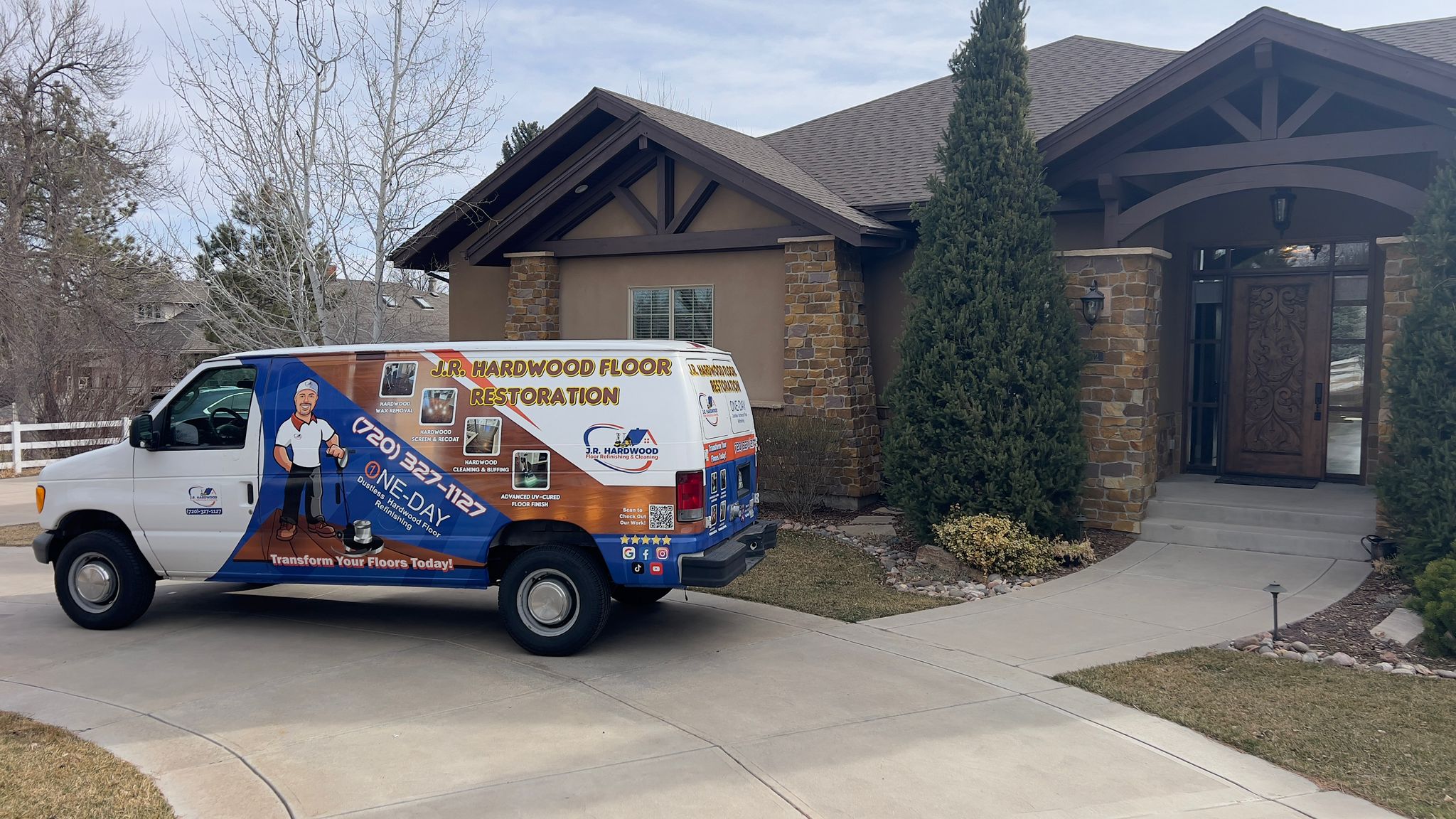
At J.R. Hardwood Floor Refinishing & Cleaning, we specialize in restoring worn hardwood floors for homeowners across Colorado including Denver, Boulder, and Castle Rock. Our comprehensive services utilize proven methods tailored to your floor’s unique condition, from full sanding and restoration to screen and recoat options. We combine craftsmanship with modern technology and eco-conscious products to protect and extend your flooring’s life. Discover more about our tailored solutions in our Uncategorized Archives – J.R. Hardwood Floor Refinishing & Cleaning and take the first step by requesting a free quote at J.R. Hardwood Floor Refinishing & Cleaning. Restore the lasting value of your hardwood floors today and enjoy a renewed space that reflects care and quality.
Frequently Asked Questions
What causes hardwood floors to wear over time?
Daily foot traffic, improper cleaning techniques, furniture movement, and fluctuations in environmental humidity are common causes of hardwood floor wear.
How can I identify if my hardwood floor is worn?
Look for signs such as surface scratches, deep gouges, structural issues like cupping and warping, and dullness in the finish.
Is it better to restore or replace worn hardwood floors?
Restoration is often more cost-effective and less disruptive than replacement, preserving the original flooring’s character while offering substantial savings.
What are the benefits of hardwood floor restoration?
Restoration enhances property value, extends floor lifespan, provides significant cost savings compared to replacement, and engages eco-friendly practices that reduce waste.
Recommended
- 5 Signs Your Hardwood Floors Need Refinishing – J.R. Hardwood Floor Refinishing & Cleaning
- The Ultimate Guide to Hardwood Floor Finishes – J.R. Hardwood Floor Refinishing & Cleaning
- Blog – Saying Goodbye to Wax
- The Complete Guide to Professional Hardwood Floor Installation – J.R. Hardwood Floor Refinishing & Cleaning