 Skip to content
Nearly one in four American homes features hardwood floors, and in the Denver Metro Area, daily life with kids, pets, and high foot traffic puts those surfaces to the ultimate test. Denver’s variable seasons paired with active households can fast-track surface damage, impacting your floors’ beauty and lifespan. Discover practical ways to shield your hardwood investment year-round and learn what truly keeps American wood floors looking and performing their best.
Table of Contents
- What Maintaining Wood Floors Really Means
- Common Wood Floor Types In Colorado Homes
- How Proper Care Extends Floor Life
- Dustless Restoration And Maintenance Methods
- Financial And Aesthetic Benefits Of Upkeep
- Risks Of Neglecting Wood Floor Maintenance
Key Takeaways
| Point | Details |
|---|---|
| Comprehensive Maintenance | Proper wood floor maintenance involves proactive strategies to prevent damage and extend the lifespan of flooring in Colorado homes. |
| Floor Type Selection | Choosing between solid and engineered wood floors should depend on specific environmental conditions and intended uses in your home. |
| Regular Care Importance | Consistent care, including daily dusting and immediate spill management, is crucial for maintaining the beauty and integrity of wood floors. |
| Neglect Consequences | Failing to maintain wood floors can lead to significant structural damage and costly replacements, emphasizing the need for routine upkeep. |
What Maintaining Wood Floors Really Means
Maintaining wood floors in Colorado homes is far more nuanced than simply occasional cleaning. It represents a comprehensive approach to preserving the beauty, structural integrity, and long-term value of your home’s flooring. Wood floor maintenance goes beyond surface-level care, involving strategic protection against environmental challenges unique to Colorado’s dynamic climate.
At its core, maintaining wood floors means implementing a proactive defense strategy. This includes regular cleaning and protective techniques that address potential damage before it becomes significant. For Colorado homeowners, this means understanding how seasonal shifts—from dry winters to humid summers—can impact wood surfaces. Dust, dirt, and temperature variations can gradually degrade wood finishes, creating microscopic damage that accumulates over time.
Effective wood floor maintenance involves several critical practices: daily dust removal, immediate spill management, proper humidity control, and periodic professional assessment. Homeowners should invest in soft microfiber mops, pH-balanced wood cleaners, and strategically placed floor mats to minimize dirt tracking. Preventive measures like furniture pads and managing indoor humidity are equally crucial in extending floor longevity. These techniques help prevent scratches, warping, and finish degradation, ultimately protecting your investment.
Pro tip: Keep a microfiber mop and wood-specific cleaning solution in an easily accessible location to encourage daily maintenance and quick response to spills.
Common Wood Floor Types in Colorado Homes
In Colorado homes, hardwood flooring represents a significant investment that requires careful selection based on local environmental conditions. Wood floor types vary significantly, with each offering unique characteristics suited to the state’s challenging climate. Solid and engineered wood flooring emerge as the two primary options for homeowners seeking durability and aesthetic appeal.
Solid hardwood floors, crafted from a single piece of timber, remain a classic choice for many Colorado residences. These floors can be sanded and refinished multiple times, providing exceptional longevity and flexibility. Different cutting techniques like flat-sawn and quarter-sawn impact the wood’s appearance and performance, allowing homeowners to customize their flooring’s visual character. Species like Oak, Maple, and Hickory are particularly popular due to their natural resilience and ability to withstand Colorado’s temperature fluctuations.
Engineered wood flooring offers a more stable alternative, especially in areas prone to humidity changes. Constructed with multiple layers, engineered floors provide enhanced dimensional stability that makes them ideal for basements, ground floors, and rooms with potential moisture exposure. The top layer mimics solid hardwood’s appearance while underlying layers provide structural integrity. This construction makes engineered floors particularly well-suited to Colorado’s diverse climate, where rapid temperature and humidity shifts can challenge traditional solid wood installations.
Pro tip: Before selecting a wood floor type, collect wood samples and test them in your specific room to observe how they respond to your home’s unique lighting and environmental conditions.
Here is a comparison of solid hardwood and engineered wood flooring commonly used in Colorado homes:
| Characteristic | Solid Hardwood | Engineered Wood |
|---|---|---|
| Structure | Single piece of timber | Multi-layered construction |
| Refinishing Potential | Can be sanded many times | Limited refinishing |
| Climate Suitability | Prone to humidity changes | Highly stable in all climates |
| Popular Uses | Living rooms, bedrooms | Basements, moisture-prone areas |
| Notable Advantages | Long lifespan, customizable | Less warping, easy installation |
How Proper Care Extends Floor Life
Extending the life of hardwood floors requires a strategic and consistent approach to maintenance, particularly in Colorado’s challenging environmental conditions. Wood floor preservation is not just about occasional cleaning, but about implementing a comprehensive care strategy that protects your investment for decades. Proper maintenance prevents premature wear and damage, ensuring your floors remain beautiful and functional for years to come.
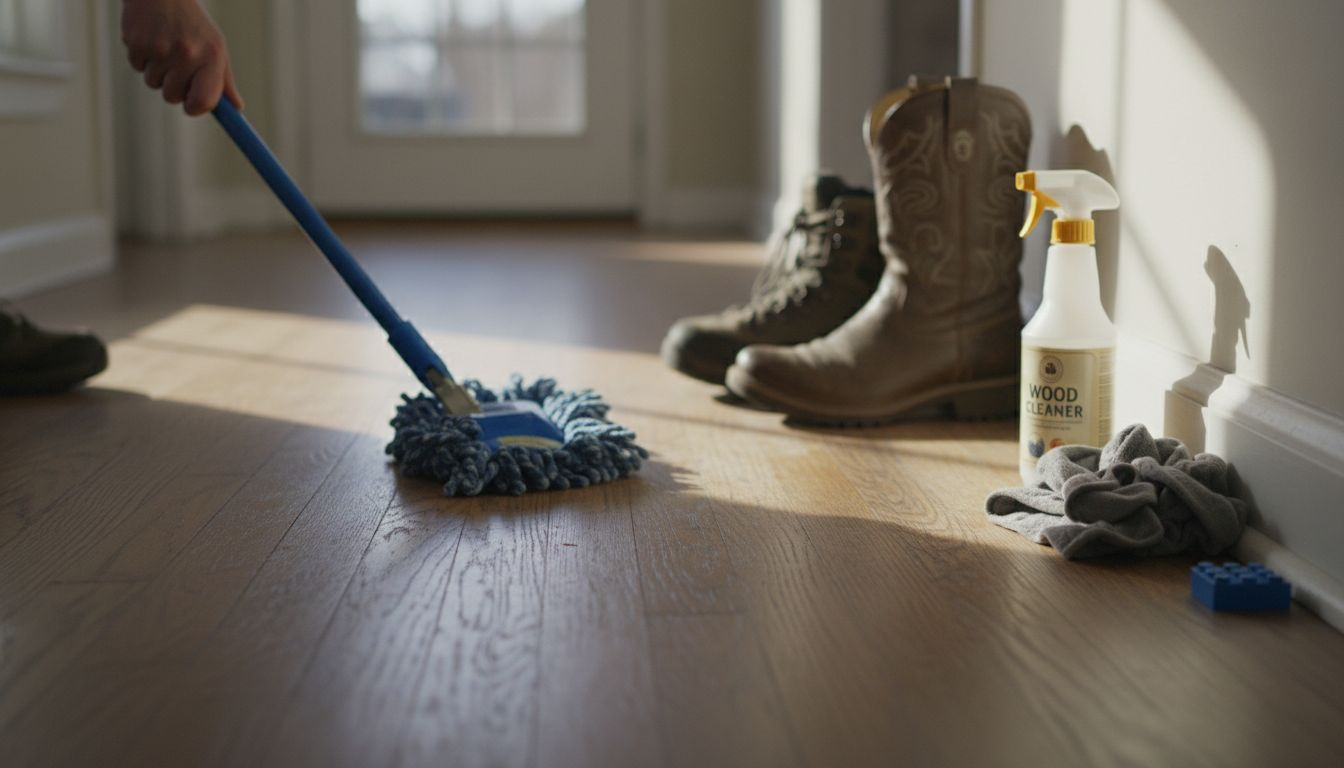
The foundation of floor longevity begins with daily and weekly care practices. Regular dusting and sweeping remove abrasive dirt particles that can scratch and degrade wood surfaces. Immediate attention to spills prevents moisture penetration, which can cause warping, discoloration, and structural damage. Homeowners should avoid wet mops and steam cleaners, as these can compromise the wood’s protective finish and cause long-term deterioration. Instead, use soft microfiber mops and wood-specific cleaning solutions designed to maintain the floor’s natural protective layers.
Periodic professional maintenance plays a critical role in extending floor life. Recoating and refinishing processes renew the protective finish, addressing surface scratches and wear before they become significant damage. Professional screen and recoat services can typically be performed multiple times, depending on the floor’s thickness and condition. This proactive approach can potentially extend a hardwood floor’s life beyond 100 years, transforming routine maintenance from an expense into a valuable long-term investment in your home’s aesthetic and structural integrity.
Pro tip: Create a maintenance calendar that schedules regular cleaning, inspections, and professional touch-ups to systematically protect your hardwood floors throughout the year.
To help you maximize your wood floor’s durability, here is a summary of recommended maintenance actions and their key benefits:
| Maintenance Action | Frequency | Key Benefit |
|---|---|---|
| Dusting/Sweeping | Daily/Weekly | Prevents scratches, maintains shine |
| Spill Cleanup | Immediately | Stops moisture damage |
| Humidity Control | Ongoing | Reduces risk of warping/cracking |
| Professional Assessment | Annually/Biannually | Detects early issues, saves costs |
| Recoating/Refinishing | As needed | Extends floor lifespan |
Dustless Restoration and Maintenance Methods
Dusty, intrusive floor restoration is a thing of the past. Modern wood floor maintenance techniques have revolutionized how Colorado homeowners protect and renew their hardwood surfaces. Advanced dustless restoration methods provide a clean, efficient approach to maintaining wood floors without the traditional mess and disruption associated with standard refinishing processes.
Dustless restoration leverages specialized equipment that captures nearly 99% of airborne particles during sanding and refinishing. This technology is particularly crucial in Colorado homes, where indoor air quality and minimal disruption are paramount. Professional technicians use advanced vacuum systems and precision sanding tools that simultaneously remove surface imperfections while containing dust. The process allows homeowners to restore floors without relocating furniture, covering surfaces, or dealing with extensive cleanup, making it an ideal solution for occupied homes and those with allergies or respiratory sensitivities.
Professional wood flooring standards emphasize the importance of minimizing environmental impact while maintaining floor integrity. These methods not only protect indoor air quality but also extend the lifespan of hardwood floors by allowing more frequent and less invasive maintenance. Technicians can address surface wear, light scratches, and minor imperfections without the extensive sanding and refinishing traditionally required, preserving the wood’s structural composition and original character.
Pro tip: Request a detailed walkthrough of the dustless restoration process before scheduling, ensuring you understand exactly how technicians will protect your home and floors during maintenance.
Financial and Aesthetic Benefits of Upkeep
Maintaining hardwood floors is more than routine cleaning—it’s a strategic investment in your home’s long-term value and aesthetic appeal. Wood floor preservation represents a smart financial approach that protects against costly future replacements and enhances property attractiveness. Financial benefits of wood floor maintenance extend far beyond simple upkeep, creating tangible economic advantages for Colorado homeowners.
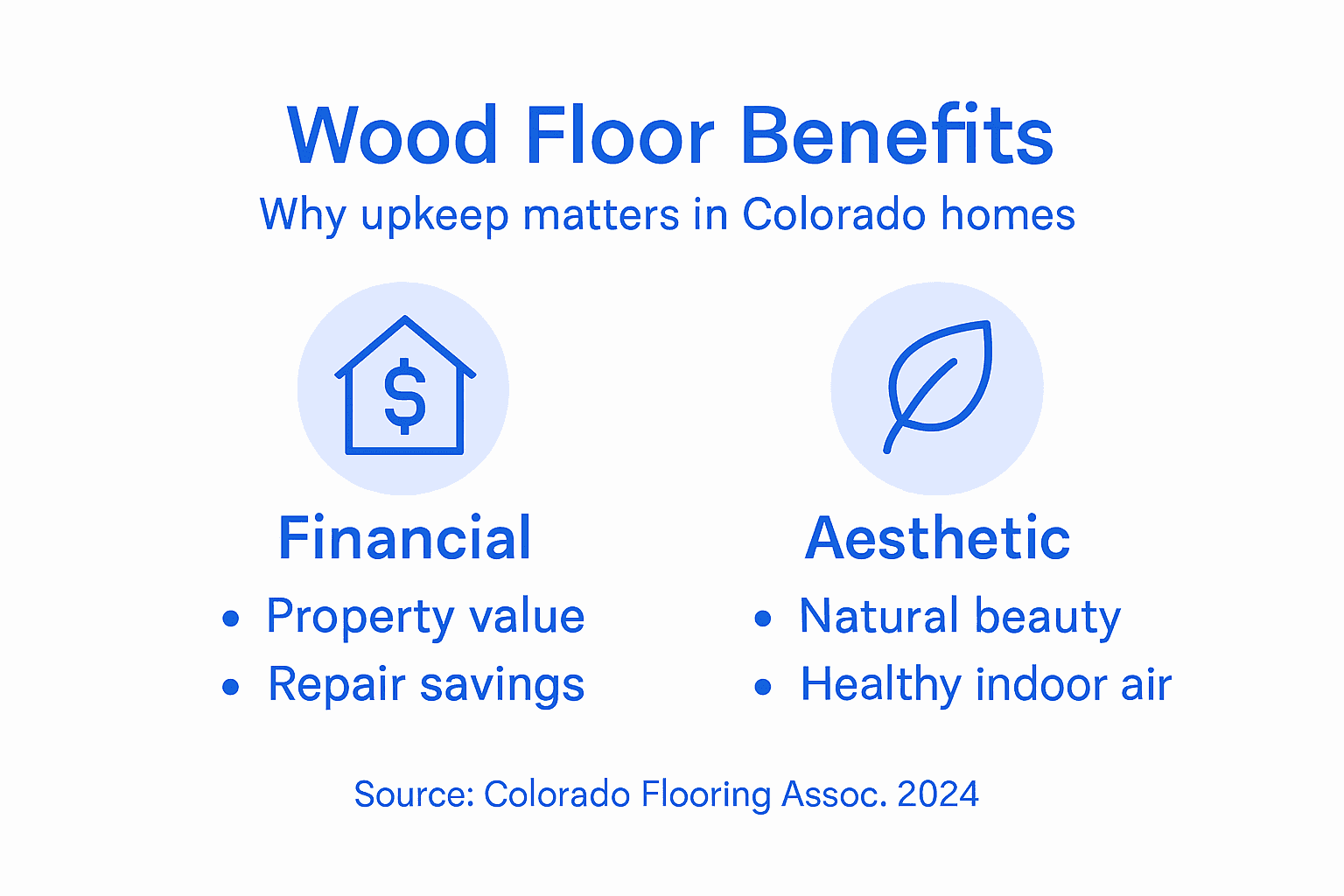
The economic impact of consistent floor maintenance becomes evident through prevention of extensive damage and delayed replacement cycles. Regular care can extend a hardwood floor’s lifespan by decades, potentially saving thousands of dollars in replacement costs. Professional refinishing and timely repairs address minor imperfections before they transform into major structural issues, maintaining the floor’s original quality and preventing expensive comprehensive renovations. Homeowners who invest in routine maintenance typically see a significant return through increased property value and reduced long-term repair expenses.
Environmental considerations enhance the aesthetic and financial benefits of wood floor maintenance. Well-maintained floors contribute to a home’s overall visual harmony, adapting seamlessly to changing interior design trends while preserving their natural beauty. The sustainable approach of extending wood floor life reduces waste and supports carbon storage, creating an environmentally responsible strategy that simultaneously maintains your home’s elegant appearance and structural integrity.
Pro tip: Schedule annual professional floor assessments to catch and address potential issues before they become expensive repairs, treating maintenance as a proactive investment rather than a reactive expense.
Risks of Neglecting Wood Floor Maintenance
Wood floors represent a significant home investment that can quickly deteriorate without proper attention. Floor maintenance negligence creates a cascade of destructive consequences that extend far beyond cosmetic concerns. Wood preservation requires consistent protective strategies to prevent accelerated structural degradation that can render floors irreparable.
Colorado’s unique environmental conditions amplify the risks of wood floor neglect. Extreme temperature variations, low humidity, and rapid seasonal shifts can cause significant wood expansion, contraction, and moisture-related damage when floors are not properly sealed and maintained. Unaddressed issues like minor scratches, surface wear, and finish degradation can quickly evolve into serious structural problems. Wooden floors left unprotected become vulnerable to warping, cracking, and permanent deformation, potentially requiring complete replacement at substantially higher costs than routine maintenance.
Biological threats pose another critical risk to unmaintained wood floors. Without regular cleaning and protective treatments, wood becomes susceptible to fungal growth, insect infestations, and progressive decay. Microscopic damage from dirt, grit, and unaddressed moisture can create entry points for destructive organisms, compromising the floor’s structural integrity. Professional maintenance not only prevents these risks but also preserves the wood’s natural beauty, ensuring your floors remain a valuable aesthetic and functional element of your home.
Pro tip: Invest in a moisture meter to regularly check your wood floors’ humidity levels, catching potential environmental stress before it causes permanent damage.
Protect and Restore Your Colorado Wood Floors with Expert Care
Maintaining wood floors in Colorado means facing challenges like fluctuating humidity and temperature changes that can damage your floors over time. If you want to preserve your floors’ natural beauty, prevent warping, and extend their lifespan with proven care methods such as dustless restoration and protective refinishing, you need a trusted local expert. At J.R. Hardwood Floor Refinishing & Cleaning, we specialize in addressing these specific concerns by using eco-friendly products and advanced techniques tailored for Colorado homes.
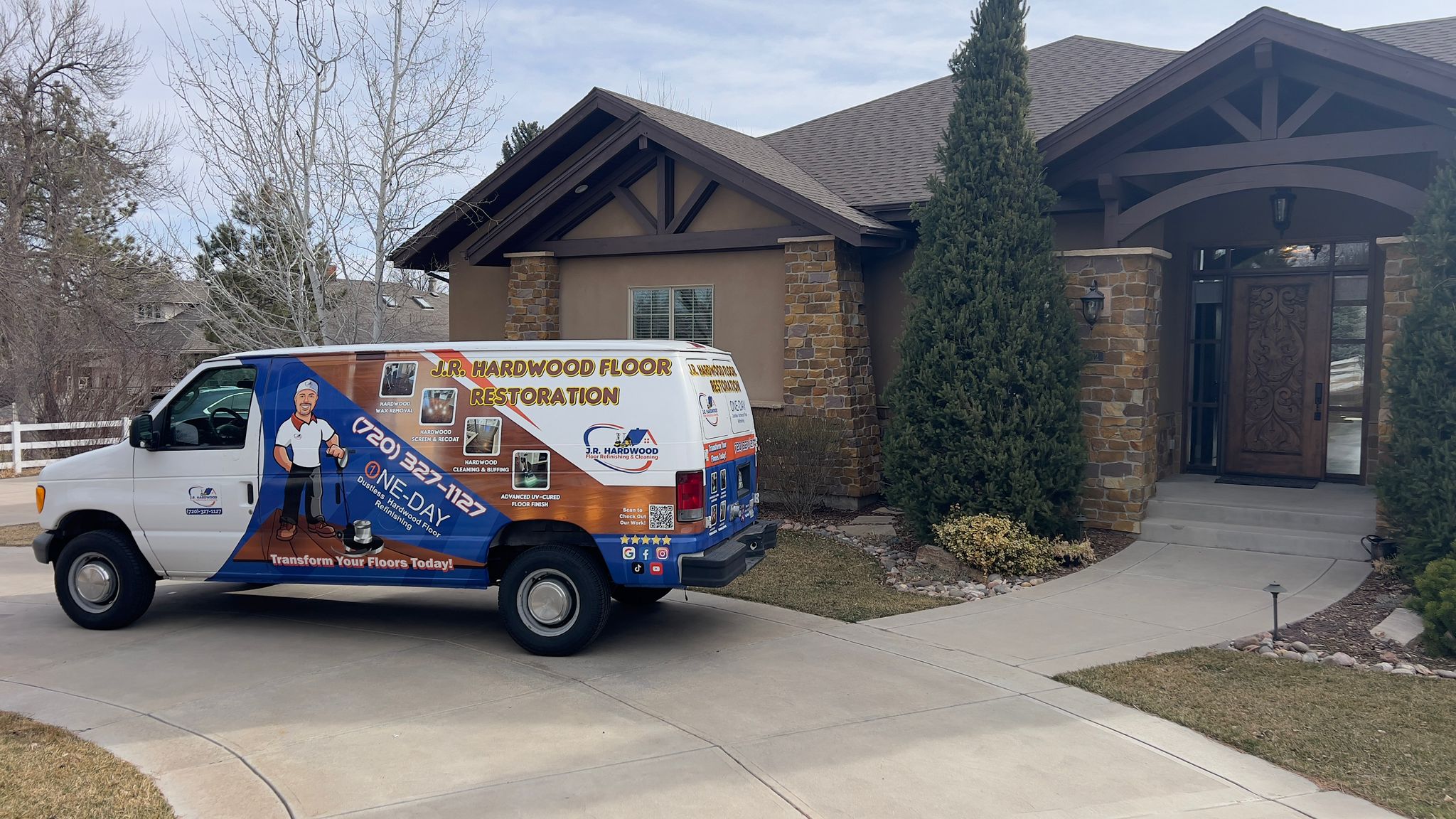
Discover how our full range of services protects your investment and revitalizes every inch of your hardwood floors. With free quotes, expert guidance, clear scheduling, and a commitment to craftsmanship, we help you avoid costly damage from neglect and keep your floors looking like new. Take the first step toward lasting floor beauty and durability by exploring our Uncategorized Archives or visiting our main site at J.R. Hardwood Floor Refinishing & Cleaning. Contact us today to bring expert care and peace of mind to your wood flooring.
Frequently Asked Questions
What are the essential steps for maintaining wood floors?
To maintain wood floors, homeowners should implement daily dust removal, immediate spill management, proper humidity control, and periodic professional assessments. Additionally, using soft microfiber mops and pH-balanced wood cleaners helps preserve the finish.
How do Colorado’s climate conditions affect wood floor maintenance?
Colorado’s climate, characterized by dry winters and humid summers, can lead to wood expansion, contraction, and moisture-related damage if not properly maintained. Regular upkeep is essential to prevent issues such as warping and cracking.
What are the differences between solid hardwood and engineered wood flooring?
Solid hardwood flooring is crafted from a single piece of timber and can be sanded and refinished multiple times, while engineered wood consists of multiple layers for enhanced stability in fluctuating humidity. Engineered wood is ideal for moisture-prone areas, whereas solid hardwood is favored for its longevity and aesthetic flexibility.
How often should professional maintenance be scheduled for wood floors?
Professional maintenance should typically be scheduled annually or biannually. Regular assessments and services like recoating and refinishing can help address minor issues before they become significant, protecting the lasting beauty and integrity of wood floors.