 Skip to content
TL;DR:
- Regular floor assessments help Colorado homeowners detect hidden moisture and structural issues early.
- Professional inspections prevent costly repairs by identifying root causes before surface damage appears.
Floor condition assessment is the process of evaluating your floors to identify damage, wear, and underlying issues that affect safety, longevity, and appearance. For Colorado homeowners and property managers, knowing why assess floor condition matters is the difference between a small repair bill and a full replacement project. Slips, trips, and falls account for more than 25% of all nonfatal workplace injuries involving days away from work. That number alone makes regular floor inspections a safety priority, not just a cosmetic one. Whether you have hardwood in a Denver bungalow or LVP in a Castle Rock rental, a thorough evaluation tells you exactly what your floors need before problems get expensive.
Why assess floor condition before problems get costly
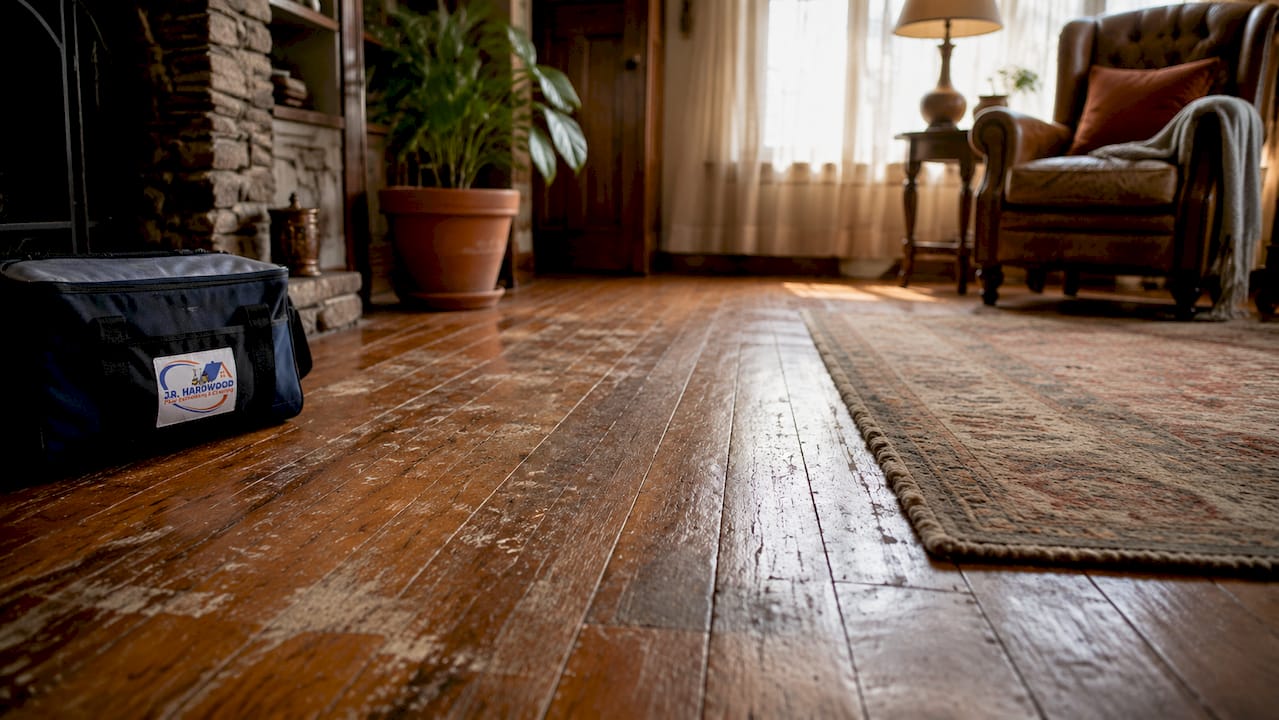
Floor condition assessment is the industry term for what most homeowners call a “floor inspection” or “floor check.” Both phrases describe the same practice: a systematic review of your floor’s surface, structure, and substrate to guide maintenance or restoration decisions. Skipping this step is like ignoring a check engine light. You might be fine for a while, but the underlying problem keeps growing.
Colorado’s climate adds a layer of urgency. Dry winters pull moisture out of hardwood, causing gaps and cupping. Wet spring thaws push moisture back in, stressing adhesives and subfloor panels. A floor that looks fine in october may show real problems by march. Regular evaluation catches these seasonal shifts before they become structural damage.
Professional inspections identify root causes rather than just surface symptoms. That distinction matters because fixing a symptom without addressing the cause leads to the same problem returning within months. A qualified inspector does not just note scratches. They trace moisture migration, check subfloor integrity, and flag adhesive failures that a visual scan would miss entirely.
What are the key signs of floor damage to evaluate?
Recognizing damage early is the first practical step in any floor condition evaluation. Floors communicate their problems clearly once you know what to look for.
Visible surface signs to watch for:
- Scratches and dents: Light surface scratches are normal wear. Deep cracks, gouges, and splintering signal structural damage that needs professional attention.
- Warping and cupping: Boards that bow upward at the edges point to moisture imbalance beneath the surface.
- Gaps between boards: Small seasonal gaps are expected in hardwood. Persistent wide gaps suggest subfloor movement or significant moisture loss.
- Discoloration and staining: Dark spots often indicate water intrusion. Gray or black staining on hardwood frequently means mold growth has started underneath.
- Soft spots or bounce: Walking across a floor and feeling give underfoot signals subfloor damage, not just surface wear.
Laminate floors show damage differently than hardwood. Swelling at seams, bubbling, and peeling top layers all point to moisture getting under the planks. In Colorado basements and ground-floor spaces, this is especially common after snowmelt season.
Pro Tip: Press firmly on any soft or bouncy spot with your foot and listen. A hollow sound means the flooring has separated from the subfloor. That separation needs evaluation before it spreads to surrounding boards.
Underlying issues are often invisible to the naked eye. Moisture intrusion, adhesive failure, and subfloor rot can exist for months before the surface shows any sign. This is exactly why a thorough floor inspection goes beyond what you can see standing in a room.
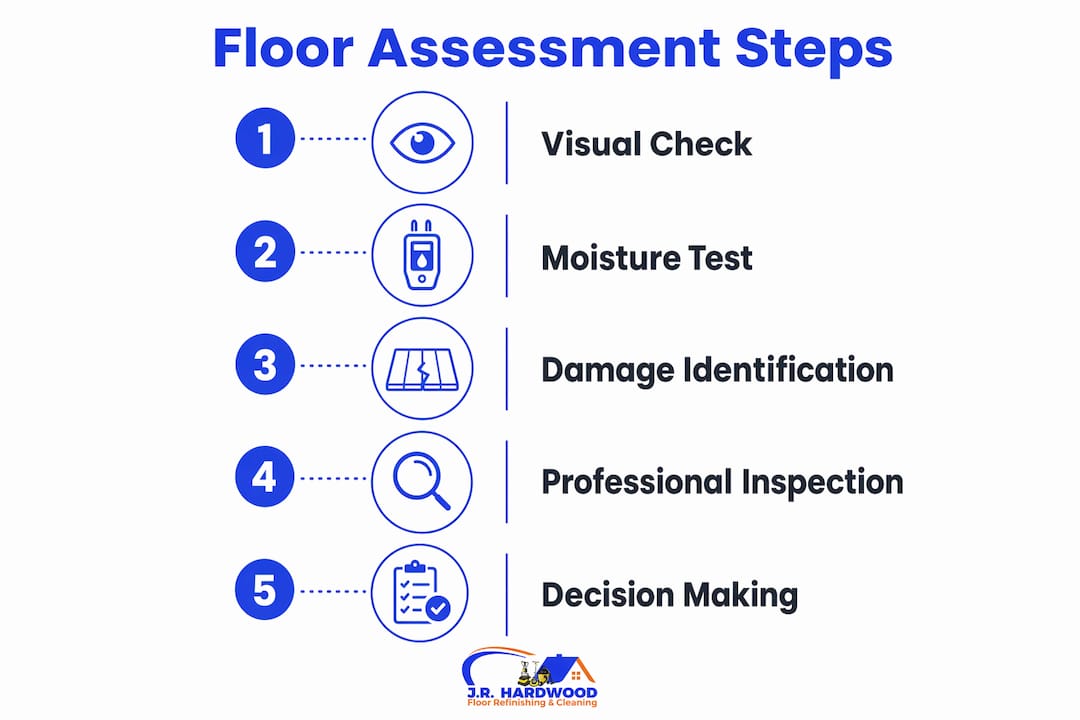
How to evaluate floor condition: tools, methods, and professional roles
A solid floor condition evaluation combines what you can do yourself with what only a professional can measure accurately. Think of it as a two-layer check: your eyes and hands first, then instruments and expertise second.
Step-by-step evaluation process:
- Visual walkthrough: Walk every square foot of the floor in good lighting. Look for discoloration, surface scratches, gaps, and any areas where the finish has worn through completely.
- Tactile check: Run your hand across the surface. Rough patches, raised grain, or splintering indicate finish failure or wood damage that needs attention.
- Bounce and sound test: Walk slowly and press firmly. Soft spots, creaking, or hollow sounds point to subfloor separation or damage beneath.
- Moisture meter reading: Professionals use calibrated moisture meters to measure wood moisture content. Readings outside the acceptable range for your floor type signal a problem that visual checks cannot catch.
- Flatness testing: ASTM E1155 flatness testing measures surface variation over short distances. This matters because an uneven substrate causes flooring to flex, crack, and lose bond integrity over time.
- Subfloor inspection: A professional lifts a vent cover or threshold to examine the subfloor directly. This reveals rot, pest damage, or moisture staining that the finished floor conceals.
Pre-installation inspections prevent costly project delays by catching subfloor and moisture issues before new flooring goes down. The same logic applies to existing floors. Catching a problem early costs far less than repairing damage that has spread across an entire room.
Certified inspectors hold credentials from organizations like the CFI (Certified Flooring Installers) or the NWFA (National Wood Flooring Association). These credentials mean the inspector follows standardized methods, not guesswork. For Colorado homeowners dealing with seasonal moisture swings, a post-winter inspection in april or may is the best time to catch damage from the cold months.
Pro Tip: Schedule your professional floor evaluation in late spring. That timing catches any moisture-related damage from winter and gives you the full summer season to complete repairs before the next cold cycle begins.
Repair vs. replacement: how to decide based on floor condition
Assessment results directly drive your repair or replacement decision. Getting this choice right saves you money and avoids the frustration of fixing a floor that needed replacing, or replacing one that only needed a refinish.
Repair is the right choice when damage affects less than 15–20% of the floor surface and the substrate meets acceptable tolerances. Replacement becomes necessary when damage is widespread, moisture levels exceed safe thresholds, or the floor no longer meets building code requirements.
| Decision factor | Repair | Replacement |
|---|---|---|
| Damage coverage | Less than 15–20% of floor area | More than 20% of floor area |
| Subfloor condition | Sound and dry | Rotted, warped, or structurally compromised |
| Moisture levels | Within acceptable range | Above 75–80% relative humidity in concrete substrate |
| Material compatibility | Matching material available | Original material discontinued or incompatible |
| Cost comparison | Repair cost is less than 50% of replacement | Repair cost approaches or exceeds replacement cost |
Economic logic matters here too. A screen and recoat on a hardwood floor costs a fraction of full sanding and refinishing. Full refinishing costs far less than replacement. Knowing where your floor sits on that spectrum, based on a real assessment, lets you spend exactly what the situation requires. Nothing more.
For Colorado rental properties, replacement decisions also carry code compliance implications. If moisture damage has reached the subfloor, local building codes may require remediation before any new flooring installation. A professional assessment documents the condition and guides you through that process correctly.
Benefits of regular floor condition assessments in Colorado homes
Consistent floor evaluations pay off in ways that go well beyond avoiding one big repair bill. Think of regular assessments as giving your floors a routine checkup, the same way you service your HVAC before winter hits.
Key benefits of scheduled floor inspections:
- Accident prevention: Slip and fall injuries represent more than 25% of nonfatal workplace injuries with days away from work. Worn finishes, loose boards, and uneven surfaces all increase that risk in residential and commercial spaces.
- Extended floor life: Catching finish wear early allows a screen and recoat before the wood itself gets damaged. That single service can add years to a floor’s life.
- Lower long-term costs: Professional floor care reduces hardwood wear significantly when combined with regular evaluations. Preventive care is always cheaper than reactive repair.
- Better home value: Floors in documented good condition are a selling point. Colorado buyers notice floor quality immediately, and a well-maintained floor adds real value at closing.
- Seasonal damage control: Colorado’s humidity swings between dry winters and wet springs stress hardwood more than most climates. Annual assessments catch moisture-related damage before it becomes structural.
Effective preventive maintenance requires consistent documentation and systematic inspection, not just occasional spot cleaning. Property managers who keep written inspection records can track changes over time, catch recurring issues, and make smarter decisions about when to invest in restoration versus replacement.
Common pitfalls in floor condition evaluation and how to avoid them
The biggest mistake homeowners make is treating a visual check as a complete assessment. Surface appearance tells only part of the story. A floor can look fine and still have serious moisture problems brewing underneath.
Pitfalls to avoid:
- Skipping moisture checks: Moisture imbalance is a leading hidden cause of premature floor failure. Without a moisture meter reading, you are guessing.
- Ignoring subfloor validation: Surface repairs on a compromised subfloor will fail again. Always confirm the substrate is sound before investing in refinishing.
- Skipping flatness measurements: An uneven subfloor causes new flooring to flex and crack at seams. ASTM E1155 testing catches this before installation.
- No documentation: Without written records and photos, you have no baseline to compare against at the next inspection.
- Delaying after visible damage appears: Once you can see warping or deep staining, the underlying problem has usually been active for months. Act quickly.
Colorado’s low winter humidity creates a specific risk: hardwood contracts and develops gaps that homeowners often dismiss as normal. Some gaps are seasonal and close in summer. Persistent gaps that do not close indicate a deeper moisture or subfloor issue that needs professional evaluation.
Pro Tip: Take dated photos of any floor damage you notice and store them in a home maintenance folder. That photo record becomes invaluable when comparing conditions year over year or when getting quotes from floor care professionals.
Knowing the signs your hardwood needs refinishing helps you act at the right time rather than waiting until damage forces your hand.
Key Takeaways
Regular floor condition assessment protects your safety, extends floor life, and prevents small problems from becoming expensive replacements.
| Point | Details |
|---|---|
| Assess before problems escalate | Catching damage early costs far less than repairing widespread structural or moisture issues. |
| Use professional tools | Moisture meters and ASTM E1155 flatness testing reveal problems that visual checks miss entirely. |
| Apply the 15–20% repair rule | Repair when damage covers less than 15–20% of the floor; replace when damage exceeds that threshold. |
| Schedule seasonal evaluations | Late spring is the best time for Colorado homeowners to assess floors after winter moisture stress. |
| Document every inspection | Written records and dated photos create a baseline that guides smarter long-term maintenance decisions. |
What I have learned from years of Colorado floor assessments
After working on floors across Denver, Parker, Castle Rock, and Boulder, I can tell you the most expensive floor jobs we see share one thing in common: the homeowner waited. Not because they did not care, but because the floor looked okay from across the room. The damage was happening underneath, quietly, for months or years before it became impossible to ignore.
Colorado’s climate is genuinely tough on floors. The dry air in january pulls moisture out of hardwood faster than almost anywhere else in the country. I have walked into homes where the gaps between boards were wide enough to catch a quarter. The owners thought it was just winter. Sometimes it is. But sometimes those gaps are telling you the subfloor has shifted or the moisture barrier has failed, and that is a very different conversation.
The homeowners who come to us early, the ones who schedule an evaluation when they first notice something feels off, almost always end up with a refinish or a screen and recoat. The ones who wait often need full replacement. The cost difference is significant. The disruption difference is even bigger.
My honest advice: treat a floor assessment the way you treat a dental checkup. You do not wait until it hurts. You go on a schedule, catch small problems early, and keep the bigger problems from ever starting. Your floors will last longer, look better, and cost you less over time. That is not a theory. We see it play out every single week.
— J.R.
How Jrhardwoodfloorrefinishingandcleaning can help you evaluate and restore your floors
If you are ready to move from wondering about your floor’s condition to actually knowing, Jrhardwoodfloorrefinishingandcleaning is here to help. We serve homeowners and property managers across the Denver Metro Area, Parker, Castle Rock, Boulder, and Colorado Springs with expert floor evaluations, free over-the-phone quotes, and clear guidance on exactly what your floors need.
Our team uses eco-friendly products and premium finishes to address everything from surface scratches to full subfloor concerns. Whether your floors need a simple clean and buff or a complete restoration, we tailor every recommendation to your floor’s actual condition. Check out our refinishing options guide to see how professional assessment leads to the right service choice every time. Call us today for your free quote and let us give your floors the attention they deserve.
FAQ
Why assess floor condition before refinishing or replacing?
Assessment identifies whether your floor needs a simple refinish, a full restoration, or replacement. Skipping this step risks investing in the wrong service and repeating the same problems within months.
What are the most common signs of floor damage in Colorado homes?
Warping, cupping, persistent gaps, dark staining, and soft spots are the most common indicators. Colorado’s seasonal humidity swings make moisture-related damage especially frequent in hardwood floors.
How often should homeowners evaluate their floor condition?
A professional floor inspection once a year is a reliable standard for most homes. Late spring is the best timing for Colorado homeowners to catch any damage from the dry winter months.
Can I assess my floor condition myself?
A basic visual and tactile check is a good starting point, but professional tools like moisture meters and ASTM E1155 flatness testing reveal hidden problems that a DIY walkthrough cannot detect.
When does floor damage require replacement instead of repair?
Replacement is recommended when damage covers more than 15–20% of the floor or when moisture levels in the substrate exceed safe thresholds for installation.