
Many American households in the Denver Metro Area discover that professionally restored hardwood floors can increase home value by as much as 10 percent. As years pass, even the most cherished floors show wear that a quick cleaning cannot fix, making comprehensive restoration more important than ever. This overview looks at how the right restoration process tackles deep damage, uses eco-friendly products, and creates results that are ready for immediate family life.
Table of Contents
- Floor Restoration Explained For Homeowners
- Types Of Floor Restoration Services
- Key Steps In Hardwood Restoration
- Eco-Friendly Products And Safety Measures
- Costs, Timelines, And Common Challenges
Key Takeaways
| Point | Details |
|---|---|
| Comprehensive Process | Floor restoration is more than cleaning; it revitalizes hardwood floors by addressing deep damage and enhancing aesthetics and functionality. |
| Specialized Services | Different types of restoration, including surface restoration, deep restoration, and complete reconstruction, cater to varying damage levels and homeowner needs. |
| Eco-friendly Practices | Modern restoration prioritizes the use of sustainable, low-VOC products and robust safety measures to ensure environmental responsibility and worker safety. |
| Cost and Timeline Variability | Restoration costs and timelines can vary widely based on factors like floor condition, wood type, and repair extent, making detailed assessments essential before beginning work. |
Floor restoration explained for homeowners
Floor restoration is a comprehensive process of revitalizing worn or damaged hardwood floors, transforming them from tired and aged surfaces into beautiful, renewed spaces. Unlike simple cleaning or basic refinishing, restoration involves deep treatment that addresses multiple layers of damage, bringing floors back to their original splendor. This specialized service goes beyond surface-level improvements by addressing structural and aesthetic concerns in floor maintenance.
The restoration process typically involves several critical steps designed to repair, protect, and enhance hardwood flooring. Professionals first conduct a thorough assessment of the floor’s condition, identifying issues like deep scratches, water damage, uneven surfaces, or wear patterns. They then use specialized techniques such as sanding to remove damaged layers, filling cracks and gaps, and applying protective finishes that seal and strengthen the wood. These interventions not only improve appearance but also extend the floor’s functional lifespan, preventing further deterioration.
Homeowners benefit significantly from professional floor restoration. Beyond aesthetic improvements, the process helps maintain property value, eliminates potential safety hazards from damaged surfaces, and can dramatically reduce the need for complete floor replacement. Proper restoration techniques also consider critical factors like air sealing and structural integrity, ensuring that floors are not just visually appealing but also structurally sound and energy-efficient.
Pro tip: Before scheduling a restoration, take clear, well-lit photographs of your floor’s problem areas to help professionals quickly assess and customize their restoration approach.
Types of floor restoration services
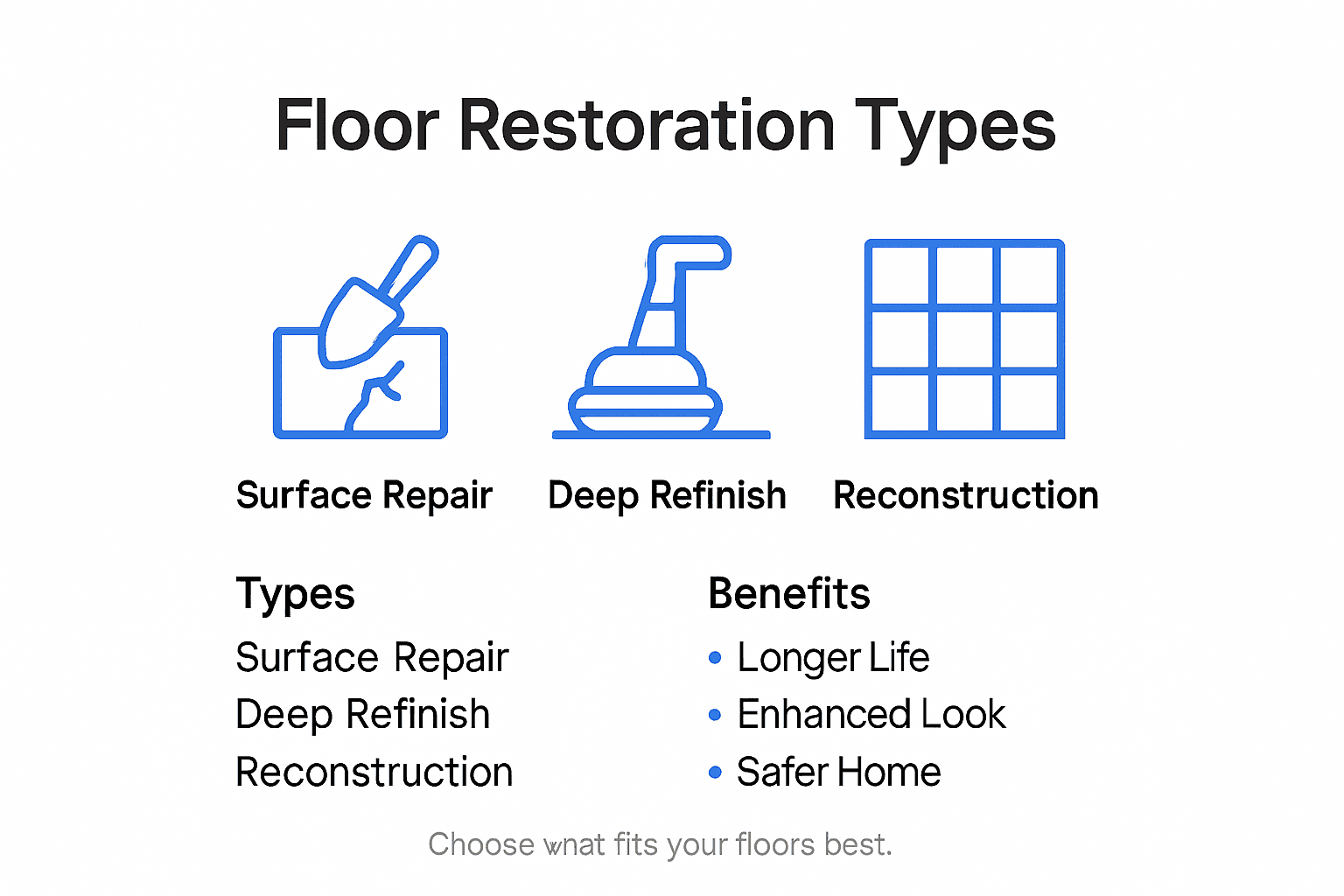
Floor restoration encompasses several specialized service types, each tailored to address specific levels of wood floor damage and wear. Preservation techniques range from basic cleaning to comprehensive structural interventions, allowing homeowners to select the most appropriate treatment for their specific flooring needs. The primary categories include surface restoration, deep restoration, and complete floor reconstruction, with each approach offering unique benefits and addressing different levels of floor deterioration.
Surface restoration represents the most minimal intervention, focusing on addressing light scratches, minor wear, and surface-level imperfections. This service typically involves cleaning, light sanding, and applying a new protective finish to refresh the floor’s appearance. Deep restoration goes further by addressing more significant damage, including deeper scratches, moderate water damage, and uneven surfaces. Professionals use advanced techniques like thorough sanding, comprehensive repair of damaged boards, and applying multiple layers of specialized protective finishes to rebuild and strengthen the floor’s structure.
Complete floor reconstruction represents the most extensive restoration service, reserved for floors with severe structural damage or extensive wear. This approach uses low-impact restoration methods that carefully rebuild and stabilize the entire floor system, potentially involving replacing multiple damaged boards, reinforcing subfloors, and implementing comprehensive structural repairs. Such intensive restoration not only revitalizes the floor’s appearance but also ensures long-term durability and performance, effectively extending the floor’s functional lifespan by decades.
Pro tip: Before selecting a restoration service, request detailed assessments from multiple professionals to understand the full range of potential interventions for your specific floor condition.
Here is a comparison of major floor restoration service types and when each is appropriate:
| Restoration Type | Best For | Typical Methods | Lifespan Extension |
|---|---|---|---|
| Surface Restoration | Light scratches, minor wear | Cleaning, light sanding, recoating | 2-5 years |
| Deep Restoration | Moderate damage, water issues | Full sanding, board repair, sealing | 7-15 years |
| Complete Reconstruction | Severe structural problems | Board replacement, structural work | 20+ years |
Key steps in hardwood restoration
Hardwood floor restoration is a meticulous process that requires careful planning and systematic execution. Comprehensive restoration follows a structured approach similar to ecological site preparation and restoration techniques, ensuring thorough and effective floor rehabilitation. The key steps typically involve an initial comprehensive assessment, surface preparation, repair and replacement, sanding, and protective finishing.
The first critical phase is a detailed floor inspection, where professionals carefully evaluate the extent of damage, identifying issues like deep scratches, water stains, structural weaknesses, and uneven surfaces. During this assessment, experts determine whether surface restoration, deep restoration, or complete reconstruction is most appropriate. Surface preparation follows, which involves thorough cleaning, removing old finishes, and addressing any minor imperfections. This stage is crucial for creating a smooth, clean foundation that allows subsequent restoration techniques to be most effective.
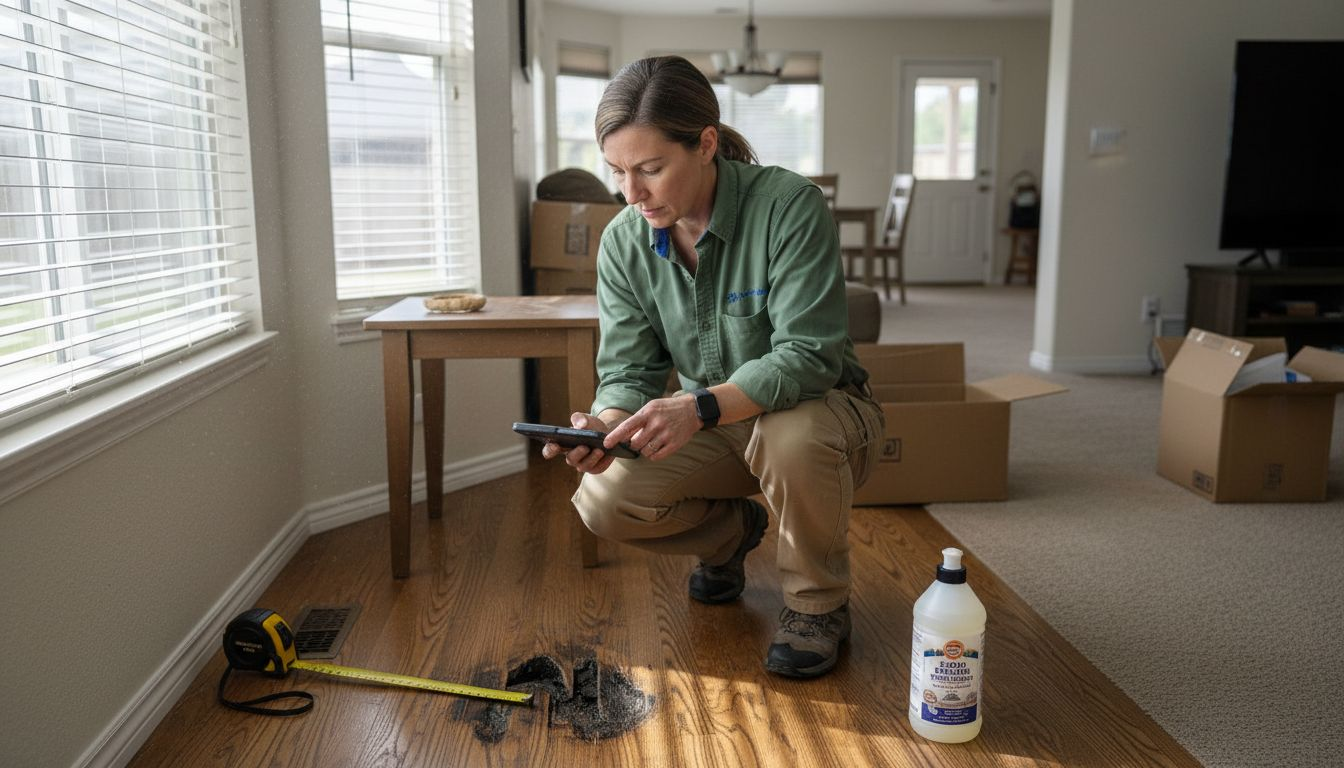
The core restoration stages include precision sanding to remove damaged layers, carefully filling cracks and gaps with matching wood materials, and replacing severely damaged boards. Professionals use specialized sanding equipment to create a uniformly smooth surface, ensuring that the floor’s structural integrity remains intact. The final stages involve applying multiple layers of protective finishes, which not only enhance the wood’s appearance but also provide critical protection against future wear, moisture, and environmental damage. Each layer is meticulously applied and allowed to cure, creating a durable surface that can withstand daily use while maintaining the floor’s natural beauty.
Pro tip: Request wood samples and finish swatches during the restoration consultation to ensure the final result matches your home’s aesthetic and color palette.
Eco-friendly products and safety measures
Environmental consciousness and worker safety have become paramount in modern floor restoration practices. Best management practices emphasize using sustainable products and implementing comprehensive safety protocols, ensuring both ecological responsibility and human protection during restoration processes. Modern restoration professionals prioritize selecting low-VOC finishes, biodegradable cleaning solutions, and minimally invasive treatment techniques that reduce environmental impact.
The selection of eco-friendly restoration products involves careful consideration of chemical composition, long-term environmental consequences, and potential health risks. Recent studies have highlighted significant occupational health concerns associated with traditional floor treatment chemicals, particularly those containing harmful compounds like PFAS. Responsible restoration companies now utilize water-based finishes, natural oil treatments, and plant-derived sealants that provide superior protection while minimizing toxic emissions and potential respiratory risks.
Safety measures extend beyond product selection, encompassing comprehensive workplace protocols, proper protective equipment, and advanced ventilation techniques. Professionals implement rigorous safety standards including personal protective equipment like respirators, protective eyewear, and specialized gloves. Workspace preparation involves creating controlled environments with proper air circulation, dust containment systems, and careful management of chemical application to prevent exposure and ensure a safe restoration process for both workers and homeowners.
Pro tip: Request a detailed safety and environmental impact report from your restoration professional to understand the specific eco-friendly practices being used during your floor restoration project.
Costs, timelines, and common challenges
Comprehensive cost estimation for hardwood floor restoration requires understanding multiple complex factors that influence project pricing and duration. The total investment typically ranges from $3 to $8 per square foot for surface restoration, escalating to $8 to $15 per square foot for comprehensive restoration involving significant repairs. These costs fluctuate based on floor condition, wood type, room size, and extent of damage, making each restoration project unique in its financial requirements.
Timeline considerations are equally nuanced, with projects ranging from a single day for minor surface treatments to potentially one week for extensive floor reconstruction. Project management approaches emphasize detailed cost breakdown and timeline estimation techniques, helping homeowners understand potential disruptions and budget implications. Common challenges include unexpected subfloor damage, wood grain inconsistencies, moisture issues, and potential structural complications that can extend both timeline and cost projections.
Homeowners frequently encounter several predictable restoration challenges that impact overall project success. Wood species variations, historical home modifications, previous amateur repair attempts, and environmental exposure can create unexpected complications. Moisture testing, thorough initial assessments, and professional evaluations become critical in mitigating potential risks. Skilled restoration professionals typically recommend setting aside an additional 10-15% of the projected budget to address unforeseen issues, ensuring financial flexibility throughout the restoration process.
Below is a summary of primary cost and timeline factors impacting floor restoration projects:
| Influencing Factor | Impact on Cost | Impact on Timeline |
|---|---|---|
| Floor Condition | More damage increases cost | Severe issues add days |
| Wood Type | Rare woods cost more | Exotic woods require care |
| Room Size | Larger rooms raise price | More area means longer time |
| Extent of Repairs | Structural fixes increase budget | Complex repairs add duration |
| Previous Repairs | Amateur fixes add cost | May need extra preparation |
Pro tip: Request a comprehensive written estimate with explicit contingency planning that details potential additional costs and precise timeline expectations before beginning your floor restoration project.
Restore Your Floors With Confidence and Care
Understanding the true value of floor restoration means recognizing the critical challenges your hardwood floors face every day from scratches and water damage to structural wear. This article highlights the importance of choosing the right restoration method to not only enhance your floors’ appearance but also protect their integrity for years to come. If you want to avoid costly replacements and preserve your home’s value, expert care with eco-friendly products and proven techniques is essential.
At J.R. Hardwood Floor Refinishing & Cleaning, we specialize in comprehensive hardwood floor restoration services tailored to your floor’s unique condition. From full sanding and restoration to deep repairs and protective finishes, our skilled team uses state-of-the-art methods combined with premium, sustainable products to bring your floors back to life while ensuring lasting durability. Discover more about our approach in our Uncategorized Archives – J.R. Hardwood Floor Refinishing & Cleaning and learn how we can solve your toughest floor challenges.
Are you ready to transform your worn hardwood floors into stunning surfaces that feel like new again? Contact us today for a free, no-obligation quote based on your photos and floor details. Visit J.R. Hardwood Floor Refinishing & Cleaning and take the first step toward durable, beautiful floors designed to protect your investment and elevate your living space.
Frequently Asked Questions
What is floor restoration?
Floor restoration is a comprehensive process that revitalizes worn or damaged hardwood floors, addressing structural and aesthetic concerns to bring them back to their original condition.
Why should homeowners consider floor restoration?
Homeowners should consider floor restoration to maintain property value, eliminate safety hazards from damaged floors, and reduce the need for complete floor replacement. It also enhances the visual appeal of the home.
How long does the floor restoration process typically take?
The timeline for floor restoration can vary; minor surface treatments may take just a day, while extensive restorations can last up to a week, depending on the level of damage and repair required.
What are the different types of floor restoration services available?
Floor restoration services generally include surface restoration for minor damage, deep restoration for moderate issues, and complete reconstruction for severe structural problems, each tailored to specific needs.
