 Skip to content
Every homeowner in Colorado knows the struggle of keeping hardwood floors looking beautiful when busy lives, changing seasons, and playful pets threaten their surface every day. The climate in the Denver Metro Area exposes wood to constant cycles of expansion and shrinkage, while daily activities cause scratches, dents, and dulling. By understanding the key threats to hardwood floors, you can take proactive steps that protect your investment and prevent premature wear.
Table of Contents
- What Damages Hardwood Floors Explained
- Moisture and Climate Impacts on Wood
- Pet Damage, Scratches, and Heavy Traffic
- Effects of Cleaning Products and Maintenance Habits
- Preventing Damage With Professional Solutions
Key Takeaways
| Point | Details |
|---|---|
| Moisture Management | Maintaining indoor humidity between 35-55% prevents warping and other damage from moisture fluctuations. |
| Physical Protection | Using felt pads under furniture and entry mats can significantly reduce scratches and wear from everyday use. |
| Proper Cleaning Techniques | Utilizing pH-balanced cleaners and minimizing excess water preserves the wood finish and prevents long-term damage. |
| Professional Maintenance | Regular inspections and professional restoration can extend the lifespan of hardwood floors significantly, addressing underlying issues effectively. |
What Damages Hardwood Floors Explained
Colorado homeowners face numerous challenges when preserving their hardwood floors, with environmental and physical factors consistently threatening their beautiful surfaces. Understanding these risks helps prevent premature wear and costly repairs. Hardwood floors can suffer damage from multiple sources, ranging from everyday household activities to specific regional climate conditions.
Moisture represents one of the most significant threats to hardwood flooring in Colorado. Extreme temperature variations and humidity shifts can cause wood to expand, contract, and eventually warp. Wood floor maintenance requires careful attention to prevent these environmental stressors. Liquid spills, pet accidents, and improper cleaning techniques can rapidly deteriorate wood finishes, creating microscopic damage that accumulates over time.
Physical wear remains another critical factor in hardwood floor degradation. Furniture movement, high foot traffic, pet claws, and dropped objects can create scratches, dents, and gouges that compromise the floor’s protective finish. Dirt and small particulates act like sandpaper, gradually wearing down the floor’s surface with each step. Shoes with hard soles, especially high heels, can create concentrated pressure points that damage wood fibers, while outdoor debris tracked inside accelerates surface abrasion.
Pro tip: Place protective felt pads under furniture legs and use entry mats to dramatically reduce physical damage to your hardwood floors.
Here’s a summary of major hardwood floor threats and suggested prevention strategies:
| Threat Type | Description | Prevention Strategy |
|---|---|---|
| Moisture & Humidity | Causes warping and cracks | Maintain 35-55% indoor humidity |
| Physical Wear | Scratches, dents from use and traffic | Use rugs, felt pads, trim pet nails |
| Pet Damage | Claws and scratching marks | Apply nail caps, provide scratch pads |
| Cleaning Chemicals | Strips finish, causes discoloration | Use pH-balanced cleaners only |
| Abrasive Dirt | Acts like sandpaper, erodes surface | Place entry mats, sweep frequently |
Moisture and Climate Impacts on Wood
Colorado’s unique climate presents significant challenges for hardwood floors, with dramatic temperature and humidity fluctuations creating constant stress on wood surfaces. Understanding these environmental dynamics helps homeowners protect their investment and maintain floor integrity through strategic moisture management techniques.
Wood moisture content plays a critical role in floor performance, causing dimensional changes that can compromise structural stability. Wood naturally expands and contracts based on atmospheric conditions, with the fiber saturation point determining how dramatically these shifts occur. In Colorado’s dry climate, wood floors experience significant moisture loss, leading to potential shrinkage, cracking, and separation between planks.
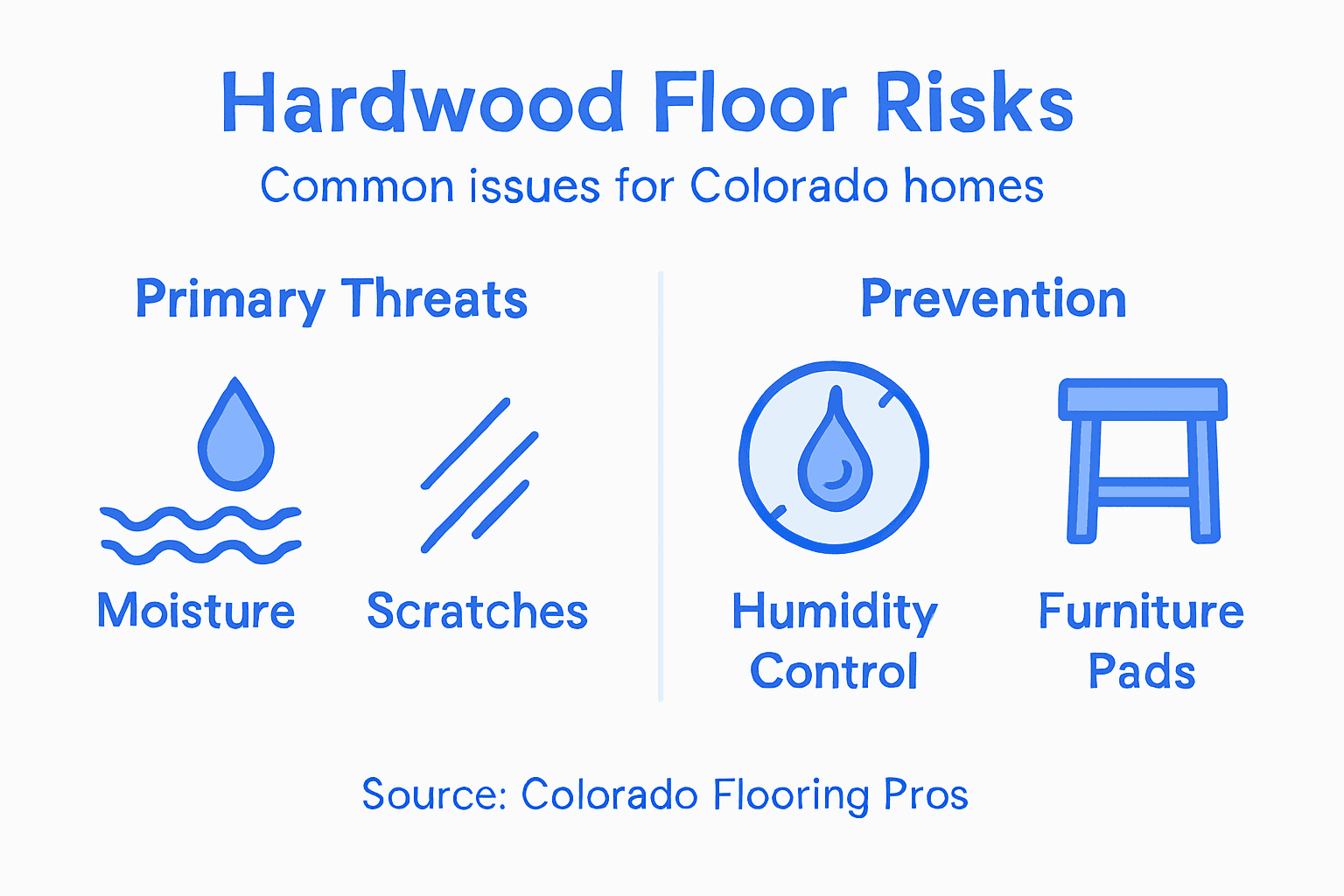
The mechanical properties of hardwood are directly impacted by moisture levels. Wood mechanical strengths can dramatically reduce when exposed to inconsistent humidity, potentially weakening the floor’s overall durability. This is particularly true in regions like Colorado, where low humidity and rapid temperature changes create an unpredictable environment for wood flooring. Maintaining consistent indoor humidity between 35-55% helps mitigate these risks and preserve the wood’s natural resilience.
Pro tip: Install a whole-home humidification system to maintain consistent moisture levels and protect your hardwood floors from climate-related damage.
Pet Damage, Scratches, and Heavy Traffic
Pets and heavy foot traffic represent two of the most significant threats to hardwood floor longevity in Colorado homes. The combination of active pets, frequent movement, and daily wear can rapidly deteriorate even the most well-maintained wood surfaces, creating long-term damage that extends beyond surface-level scratches.
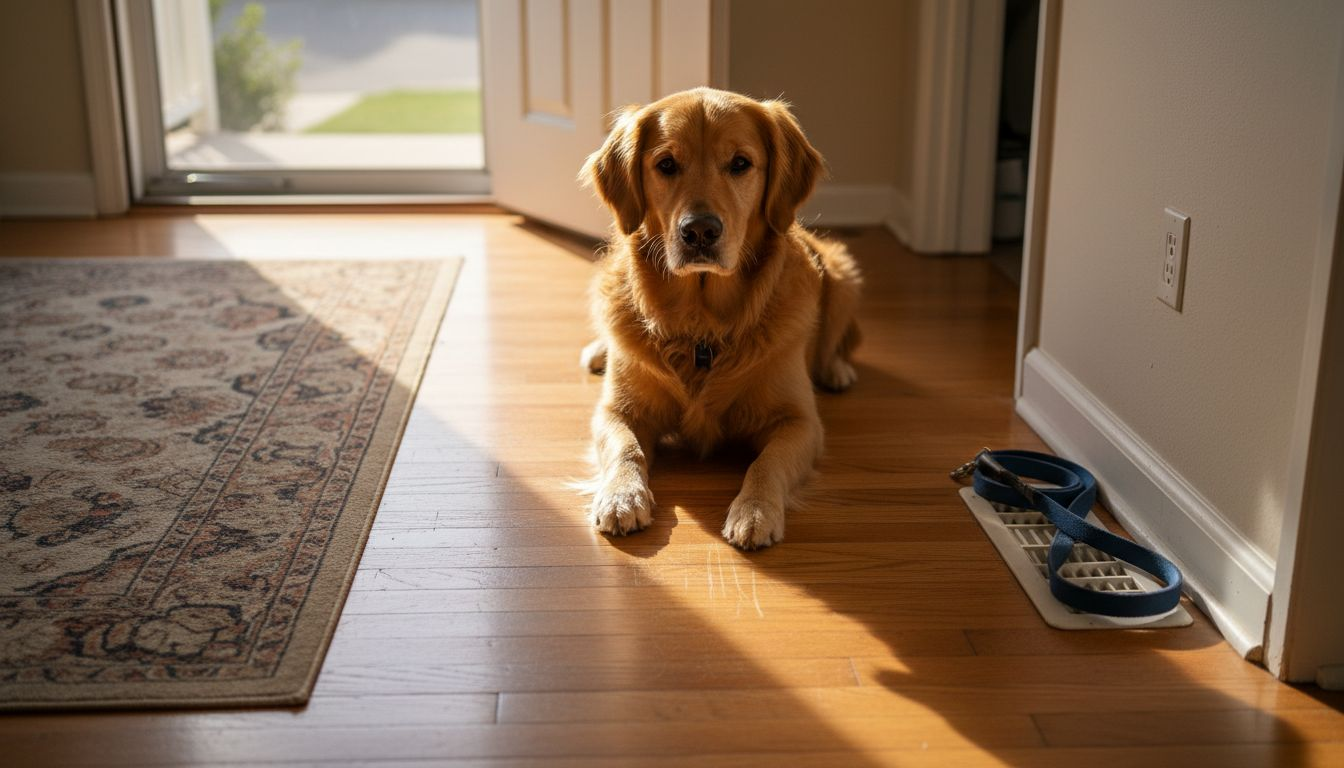
Protective strategies for hardwood floors become critical in managing potential damage from pets and high-traffic areas. Dog and cat nails can create deep, permanent scratches that compromise the protective finish, while constant foot traffic gradually wears down the floor’s surface. Mobility aids like walkers and furniture movement can also introduce significant abrasion, especially when dragged across unprotected wood surfaces.
Cats and dogs naturally engage in behaviors that can harm hardwood floors. Pet scratching behaviors are instinctive, with animals marking territory or stretching in ways that can cause considerable damage. Regular nail trimming, protective floor coverings in high-traffic zones, and strategically placed area rugs can significantly mitigate these risks. Additionally, providing alternative scratching surfaces for cats and using protective pads under pet beds and furniture can help preserve the floor’s integrity.
Pro tip: Invest in soft nail caps for pets and place protective felt pads under furniture legs to minimize hardwood floor scratches and wear.
Effects of Cleaning Products and Maintenance Habits
Hardwood floors in Colorado homes require meticulous care and strategic maintenance to prevent premature wear and damage. The wrong cleaning approach can transform a protective surface into a vulnerable one, potentially causing irreversible deterioration that extends far beyond simple aesthetic concerns.
Wood floor cleaning techniques are crucial in preserving floor integrity. pH-balanced cleaners specifically designed for hardwood surfaces protect the finish and prevent microscopic damage that accumulates over time. Excess water, harsh chemicals, and abrasive cleaning tools can strip protective layers, leaving wood vulnerable to moisture penetration, discoloration, and structural weakening.
Household cleaning chemicals pose significant risks to hardwood floor finishes, with many commercial products containing volatile organic compounds that can gradually degrade wood surfaces. Homeowners should prioritize non-toxic, wood-specific cleaning solutions and implement minimal moisture techniques. Dry dusting, using microfiber mops, and spot cleaning with soft cloths can effectively maintain floor appearance while preventing potential long-term damage from aggressive cleaning methods.
Pro tip: Always test new cleaning products in a small, inconspicuous area and use manufacturer-recommended wood floor cleaning techniques to protect your investment.
Preventing Damage With Professional Solutions
Professional hardwood floor restoration represents the most effective strategy for preserving and protecting wood surfaces in Colorado homes. Homeowners who invest in expert maintenance can significantly extend their floor’s lifespan and prevent irreversible damage that accumulates through daily wear and environmental stress.
Professional refinishing techniques provide comprehensive restoration by addressing deep scratches, worn finishes, and structural vulnerabilities. Certified professionals use specialized equipment and techniques to sand, clean, and refinish hardwood floors, removing years of accumulated damage while applying protective coatings that restore original beauty and durability. This meticulous process goes far beyond simple surface cleaning, offering a transformative solution that rebuilds and reinforces wood flooring.
National Wood Flooring Association standards guide professional floor care, ensuring that restoration experts follow rigorous protocols designed to maximize floor performance and longevity. These industry-recognized guidelines help technicians diagnose underlying issues, recommend precise treatments, and implement targeted solutions that address specific damage patterns unique to Colorado’s challenging climate conditions. By adhering to these professional standards, homeowners can trust that their hardwood floors receive expert-level care tailored to their specific environmental challenges.
Pro tip: Schedule an annual professional inspection to catch and address potential hardwood floor issues before they become costly, extensive repairs.
The following table compares professional and DIY hardwood floor maintenance approaches:
| Aspect | Professional Restoration | DIY Maintenance |
|---|---|---|
| Effectiveness | Restores deeply damaged floors | Good for routine upkeep |
| Equipment | Uses specialized, industrial tools | Relies on home-grade supplies |
| Long-Term Impact | Significantly extends floor lifespan | Slows regular surface wear |
| Cost | Higher upfront, saves on major repairs | Low ongoing, higher risk of errors |
Protect and Restore Your Hardwood Floors with Expert Care
Hardwood floors in Colorado face unique challenges from moisture swings, heavy traffic, and pet damage. If you want to stop scratches, warping, and finish wear before it becomes costly, professional solutions are the key. At J.R. Hardwood Floor Refinishing & Cleaning, we specialize in addressing exactly these concerns through eco-friendly refinishing, sanding, and restoration that revitalizes your floors and safeguards them against Colorado’s harsh climate and daily wear.
Don’t wait for minor issues to escalate. Take control with trusted services tailored for Denver Metro and surrounding areas. Learn more about effective floor care strategies in our Uncategorized Archives. Contact us today for a free quote and expert guidance. Protect your investment, enhance your home’s beauty, and enjoy hardwood floors that last for years to come.
Frequently Asked Questions
What are the main causes of damage to hardwood floors?
Moisture, physical wear from foot traffic and furniture movement, pet damage, and harsh cleaning chemicals are the primary causes of hardwood floor damage.
How can I prevent moisture damage to my hardwood floors?
Maintaining indoor humidity between 35-55% is essential. Consider installing a whole-home humidification system and promptly clean up spills to prevent moisture-related issues.
What can I do to minimize scratches and dents on my hardwood floors?
Use protective felt pads under furniture, place area rugs in high-traffic zones, and regularly trim your pets’ nails to reduce scratches and dents on the floor surface.
How do cleaning products affect hardwood floors?
Using harsh chemicals or excess water can strip finishes and damage the wood. It’s essential to use pH-balanced cleaners specifically designed for hardwood surfaces and to implement minimal moisture cleaning techniques.