 Skip to content
TL;DR:
- Hardwood flooring increases home value and helps homes sell faster, with many buyers favoring the feature. Proper assessment, timing, and staging maximize return on investment, often favoring refinishing over replacement. Highlighting hardwood’s durability and refinishability can boost sales appeal and negotiating power.
Hardwood flooring is the single most buyer-requested feature in residential real estate, and sellers who prepare it correctly see real results. Homes with hardwood floors sell faster and for up to 10% more, with 82% of realtors saying hardwood helps homes sell faster and 90% confirming it drives higher offers. The best tips for selling with hardwood floors go beyond a quick mop and hope. They cover professional assessment, smart refinishing choices, color selection, staging, and marketing language that turns your floors into a genuine negotiating asset.
1. Assess your floors before you do anything else
The first step in any hardwood selling strategy is knowing exactly what you are working with. Not every floor needs a full sand and refinish. Buff-and-coat (also called screen and recoat) lightly abrades the existing finish and applies a fresh topcoat. It costs less and takes less time than full sanding. Full sanding removes the top layer of wood entirely and is the right call for deep scratches, pet stains, or heavy discoloration.
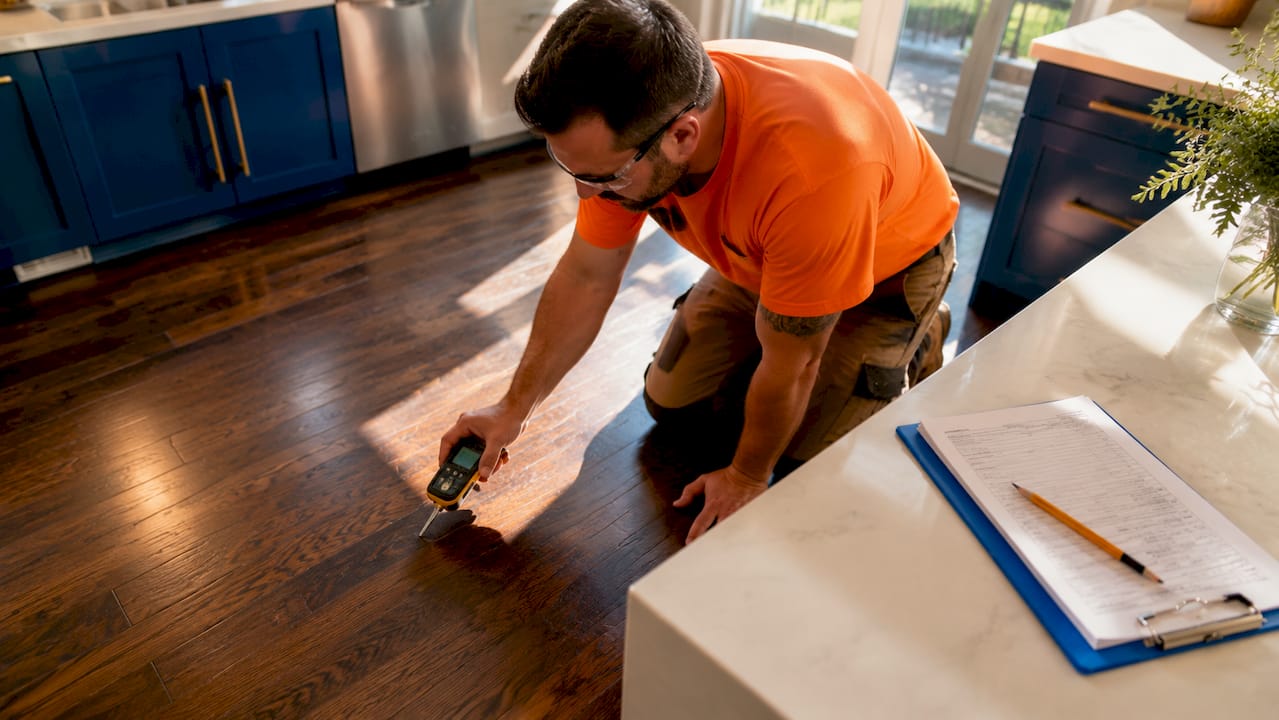
A professional assessment tells you which treatment your floors actually need. One thing most homeowners do not know: the wear layer must be at least 3/4 inch thick for sanding to be safe and effective. If the wood is too thin, sanding can cause permanent damage. Skipping this check is one of the most expensive mistakes sellers make.
Here is what to look for during your assessment:
- Deep scratches or gouges that catch your fingernail require full sanding
- Dull, flat finish with no visible damage is a strong candidate for buff-and-coat
- Pet stains or dark discoloration often require sanding and may need board replacement
- Cupping or warping signals a moisture issue that must be fixed before any surface treatment
- Worn finish in high-traffic paths can usually be addressed with a targeted screen and recoat
Pro Tip: Schedule your professional floor assessment 6–8 weeks before your target listing date. That window gives you time to complete the right treatment, allow proper curing, and still have a buffer for any surprises.
2. Time your refinishing correctly
Timing is everything when it comes to hardwood flooring tips for sellers. Plan refinishing 3–6 weeks before listing to allow the finish to harden fully and off-gassing to clear before buyers walk through. A freshly refinished floor that still smells like chemicals is a red flag in a showing, not a selling point.
The curing window matters too. Polyurethane finishes typically need 48–72 hours before foot traffic and up to two weeks before furniture is moved back in. Wait at least 7 days after refinishing is complete before staging furniture. Moving heavy pieces in too soon creates indentations in the soft finish that are impossible to fix without starting over.
Pro Tip: Complete all painting before refinishing, not after. Paint drips on refinished floors are permanent damage. Sand first, paint second, then refinish. This sequence protects your investment and keeps the floors pristine for photos.
3. Choose the right stain color for broad buyer appeal
Color choice is one of the most underestimated hardwood flooring tips in the seller’s playbook. Neutral, natural tones and medium browns photograph best and appeal to the widest range of buyers in 2026. Red Oak and White Oak are the two most popular species on the market right now, and both take neutral stains beautifully.
Avoid trendy or highly personalized stains. Gray-washed floors had a moment, and that moment has passed for most markets. A buyer who loves gray floors is a smaller pool than a buyer who loves warm, natural wood tones. Your goal is to make the floors feel like a warm, inviting hug that any buyer can picture in their own life.
Think of stain selection like choosing a paint color for a home you are selling. You would not paint every wall deep burgundy. The same logic applies to floors. Neutral is not boring. Neutral is smart.
4. Focus refinishing on the “money shot” rooms
You do not have to refinish every square foot of hardwood in the house. Focus your refinishing budget on the main entryway, living room, and kitchen. These are the rooms buyers see first in listing photos and the spaces that form their first impression during showings.
Bedrooms and hallways matter, but they are rarely the deciding factor. Buyers judge homes primarily from listing photos of key rooms. A stunning living room floor photographed with great lighting will do more for your sale price than perfectly refinished guest bedroom floors that never make it into the photo gallery.
This targeted approach is one of the smartest best practices for selling hardwood because it maximizes your return without overspending. You get the visual impact where it counts most and keep your costs in check.
5. Understand your ROI before spending a dollar
Here is the number that should drive every decision you make about your floors. Refinishing existing hardwood delivers approximately 147% ROI for home sellers. Installing brand-new hardwood delivers approximately 118% ROI. That gap is significant, and it means refinishing almost always beats replacement as a pre-sale investment.
The cost difference is equally striking. Refinishing typically runs $1,000 to $2,500 for an average home. New hardwood installation often exceeds $15,000 depending on square footage and market. You are spending a fraction of the cost and getting a higher return. That math is hard to argue with.
Here is a quick comparison to guide your decision:
| Treatment | Typical Cost | Turnaround | Best For | ROI |
|---|---|---|---|---|
| Buff and coat | $300–$800 | 1–2 days | Minor dullness, light wear | High |
| Full sand and refinish | $1,000–$2,500 | 3–5 days | Deep scratches, stains, heavy wear | ~147% |
| Full replacement | $10,000–$20,000+ | 1–2 weeks | Irreparable damage, wrong species | ~118% |
Pro Tip: Get a professional refinishing assessment before committing to replacement. Many floors that look like they need to be torn out can be fully restored for a fraction of the cost.
6. Stage your home to let the floors shine
Staging and hardwood floors are a team. The floors should be the last thing touched before photography and the first thing buyers notice when they walk in. Keep rugs minimal in key rooms so the wood grain is visible. Use furniture placement to draw the eye along the length of the boards, which makes rooms feel larger.
Lighting matters more than most sellers realize. Natural light hitting a freshly finished floor creates a warmth and depth that no filter can replicate. Schedule your listing photography on a bright morning, open every blind and curtain, and let the floors do the talking.
Here are staging tips that work specifically for hardwood:
- Remove area rugs in the entryway and living room for photos so buyers see the full floor
- Use low-profile furniture that does not block sightlines to the floor
- Add soft lighting in darker rooms to bring out the wood’s natural warmth
- Clean floors the morning of photography with a dry microfiber mop, not a wet one
- Place felt pads under all furniture legs before staging to protect the finish
7. Use hardwood’s permanence as a marketing tool
Hardwood flooring is a permanent, high-value asset that can be refinished multiple times over its lifetime. That is a fact worth putting in your listing description and repeating during showings. Buyers who are comparing your home to one with LVP or carpet need to understand what they are actually getting.
Synthetic floors look good on day one. Hardwood looks good on day one and on day 3,000. It can be sanded and refinished again and again, adapting to new owners and new styles. That story is a negotiating point. Use it.
Tips for marketing hardwood in your listing copy include phrases like “original hardwood throughout,” “recently refinished,” and “solid hardwood, not engineered.” These terms signal quality to buyers who know what they are looking for and educate buyers who do not.
8. Coordinate your pre-sale timeline like a project manager
The biggest mistake sellers make is treating floor refinishing as an afterthought. It should be one of the first items on your pre-sale checklist, not the last. Here is a timeline that works:
- Week 8–10 before listing: Schedule professional floor assessment
- Week 6–8 before listing: Complete any repairs, painting, and prep work
- Week 4–6 before listing: Refinish or buff-and-coat floors
- Week 3–4 before listing: Allow curing and off-gassing
- Week 2–3 before listing: Stage furniture (minimum 7 days after refinishing)
- Week 1 before listing: Professional photography with floors as the hero feature
- Listing day: Floors are pristine, cured, and ready to impress
This sequence protects your investment at every step. Rushing any part of it creates problems that are expensive to fix and stressful to manage during an already busy time.
Key takeaways
Hardwood floors prepared with the right assessment, refinishing treatment, and staging strategy deliver the highest ROI of any pre-sale home improvement.
| Point | Details |
|---|---|
| Refinishing beats replacement | Refinishing delivers ~147% ROI versus ~118% for new installation at a fraction of the cost. |
| Assess before you spend | A professional check of the wear layer determines whether buff-and-coat or full sanding is needed. |
| Timing is non-negotiable | Refinish 3–6 weeks before listing and wait 7 days before staging to protect the finish. |
| Focus on key rooms | Prioritize the entryway, living room, and kitchen for the biggest visual and photographic impact. |
| Market hardwood’s story | Hardwood’s ability to be refinished repeatedly makes it a premium asset worth highlighting in listings. |
What I have learned after years of prepping floors for sale
I have walked through hundreds of homes in the Denver Metro Area where sellers were about to make the same costly mistake: skipping the assessment and going straight to replacement. They see worn floors and assume the worst. Nine times out of ten, those floors just need a proper sand and refinish, or sometimes just a buff-and-coat, and they come back looking better than the day they were installed.
The other thing I see constantly is bad timing. Sellers refinish their floors and then immediately move furniture back in, or they schedule photography the day after the finish is applied. The floors look dull in photos, the finish gets scuffed, and the whole investment is wasted. Timing is not a minor detail. It is the difference between floors that sell a home and floors that just exist in it.
One more thing I want to say directly: do not let a buyer talk you down on price because of floors that are in perfectly restorable condition. Hardwood’s authenticity and refinishability are real, documented advantages over synthetic alternatives. Know that, say it with confidence, and price accordingly. Your floors are an asset. Treat them like one.
— J.R.
Ready to prep your floors for a faster, higher-value sale?
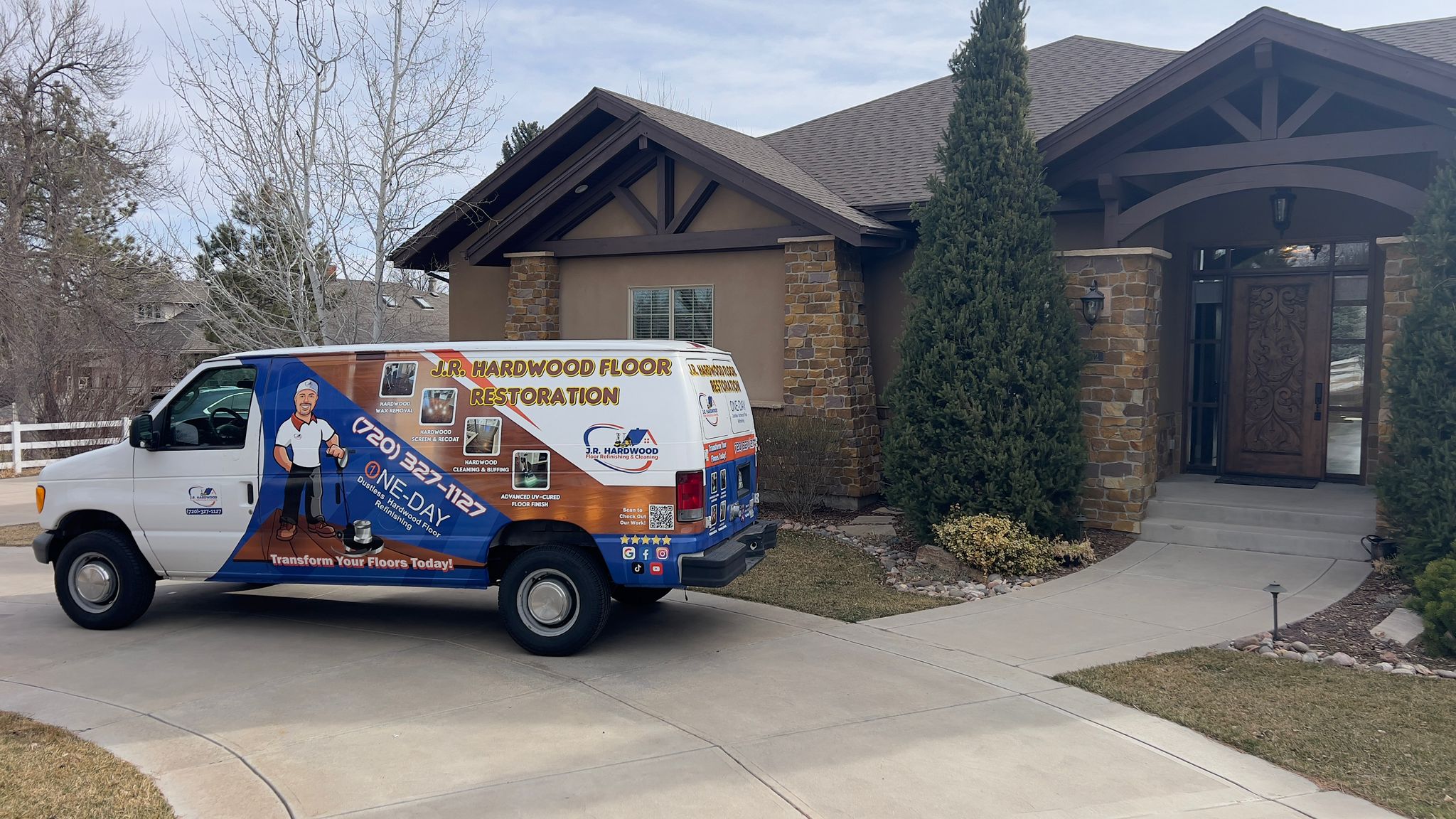
At Jrhardwoodfloorrefinishingandcleaning, we help homeowners and real estate agents across Denver, Parker, Castle Rock, Boulder, and Colorado Springs get their floors sale-ready with professional refinishing, screen and recoat, and expert guidance tailored to each floor’s condition. We use eco-friendly products and premium finishes that look stunning in listing photos and hold up through showings.
Getting started is simple. We offer free over-the-phone quotes based on your description and photos, so you know exactly what to expect before we arrive. Whether your floors need a full DIY vs. professional refinishing comparison or you are ready to book a professional treatment, we are here to help you make the right call. Reach out today and let us give your floors the glow-up they deserve before your first showing.
FAQ
How much does refinishing hardwood floors cost before selling?
Refinishing typically costs $1,000 to $2,500 for an average home and delivers approximately 147% ROI, making it one of the highest-return pre-sale investments available to sellers.
Should I refinish all my hardwood floors before listing?
Focus refinishing on the entryway, living room, and kitchen since these are the rooms buyers see first in listing photos and during showings. Bedrooms and less visible areas can often be skipped to save cost.
How long does hardwood floor refinishing take before a home sale?
Full sanding and refinishing takes 3–5 days for the work itself, followed by 48–72 hours of curing and 2–3 weeks of off-gassing. Plan the full process 3–6 weeks before your listing date.
What is the difference between buff-and-coat and full refinishing?
Buff-and-coat lightly abrades the existing finish and adds a new topcoat, making it ideal for dull floors with no deep damage. Full sanding removes the top wood layer entirely and is needed for scratches, stains, or heavy wear.
Does hardwood flooring really help sell a home faster?
Yes. 82% of realtors say hardwood helps homes sell faster, and 90% say it can increase offer prices, making it one of the most consistently valued features in residential real estate.