 Skip to content
TL;DR:
- Choosing materials with thick wear layers and durable coatings enhances scratch resistance.
- Regular habits like using entry mats, felts, and trimming pets’ nails prolong floor life.
- Preventative maintenance and proper installation are key to ensuring floors stay beautiful over time.
Your floors take a beating every single day. Dog nails, dropped keys, dragged chairs, gritty boots fresh from a Colorado trail — it all adds up fast. Before you know it, those beautiful floors you loved when you moved in look tired and worn. The good news? With the right flooring choices and a few smart habits, you can have floors that stay gorgeous for years. This guide walks you through everything: what makes a floor truly scratch-resistant, which materials hold up best in Colorado homes, and how to protect and restore your investment no matter what life throws at it.
Table of Contents
- Understand what makes a floor scratch-resistant
- Top flooring options for scratch resistance
- Must-know habits and routines to prevent scratches
- Repairing and restoring scratched floors
- Choosing the right scratch-resistant floor for your needs
- Why scratch-resistant floors aren’t just about the material
- Expert flooring help for lasting scratch resistance
- Frequently asked questions
Key Takeaways
| Point | Details |
|---|---|
| Choose the right material | Laminate, LVP, and select tiles are the top choices for scratch resistance in high-traffic Colorado homes. |
| Follow maintenance routines | Simple habits like using rugs and sweeping regularly keep floors looking new and minimize scratches. |
| Repair scratches promptly | Addressing scratches soon prevents further damage and keeps your floors lasting longer. |
| Match your lifestyle | Consider children, pets, and traffic levels when selecting and caring for floors for the best long-term results. |
Understand what makes a floor scratch-resistant
Not every floor that looks tough actually is. There’s a real difference between hardness and scratch resistance, and mixing them up leads to a lot of disappointed homeowners.
Hardness measures how much force it takes to dent a material. Scratch resistance measures how well a surface holds up against surface abrasion. A floor can be very hard but still scratch easily if the surface coating is thin or low quality. As we always say, scratch resistance depends on both the material and the surface coating — not all hard woods or laminates perform equally.
Here’s what actually matters when evaluating scratch resistance:
- Wear layer thickness: For LVP, a wear layer of 12 mil or more is ideal for high-traffic areas. Thicker equals better protection.
- Surface coating: Aluminum oxide finishes are among the toughest available. Polyurethane is common and reliable, but aluminum oxide adds a serious extra layer of defense.
- AC rating (for laminates): This stands for Abrasion Class. AC3 is solid for most homes; AC4 and AC5 are built for heavy residential or commercial use.
- Janka hardness rating (for wood): This scale measures wood’s resistance to denting. Hickory scores around 1,820; white oak sits at 1,360; Brazilian cherry tops 2,800.
| Material | Scratch resistance | Best for |
|---|---|---|
| Laminate (AC4+) | Very high | Busy family homes |
| Luxury vinyl plank | Very high | Pets, kids, rentals |
| Engineered hardwood | Moderate to high | Style-focused homes |
| Solid hardwood | Moderate | Low-traffic rooms |
| Tile | Extremely high | Kitchens, bathrooms |
Keep in mind: The coating on top of your floor does as much work as the material underneath. A cheap finish on a premium wood still leaves you vulnerable.
Colorado’s dry climate also plays a role. Low humidity can cause wood floors to shrink and create micro-gaps that collect dirt and grit, which then act like sandpaper underfoot. Choosing materials and finishes designed to handle these conditions makes a real difference.
Top flooring options for scratch resistance
With those concepts in mind, let’s look at the top floor materials that stand up best to scratches.
Laminates and luxury vinyl plank offer high scratch resistance, making them ideal for high-traffic homes with children or pets. But each material has its own personality, so let’s break them down.
| Flooring type | Scratch resistance | Water resistance | Cost range | Best situation |
|---|---|---|---|---|
| Laminate (AC3/AC4) | High | Moderate | $ to $$ | Kids, budget-conscious homes |
| Luxury vinyl plank | Very high | Excellent | $$ | Pets, basements, rentals |
| Engineered hardwood | Moderate | Low to moderate | $$ to $$$ | Style-forward, moderate traffic |
| Tile | Excellent | Excellent | $$ to $$$ | Kitchens, entryways |
| Natural stone | High | Moderate | $$$+ | Luxury spaces, low traffic |
Laminate is the budget-friendly champion. A good AC4-rated laminate can handle years of heavy foot traffic. The surface is a tough resin layer, not actual wood, so scratches don’t penetrate the way they do on natural materials.
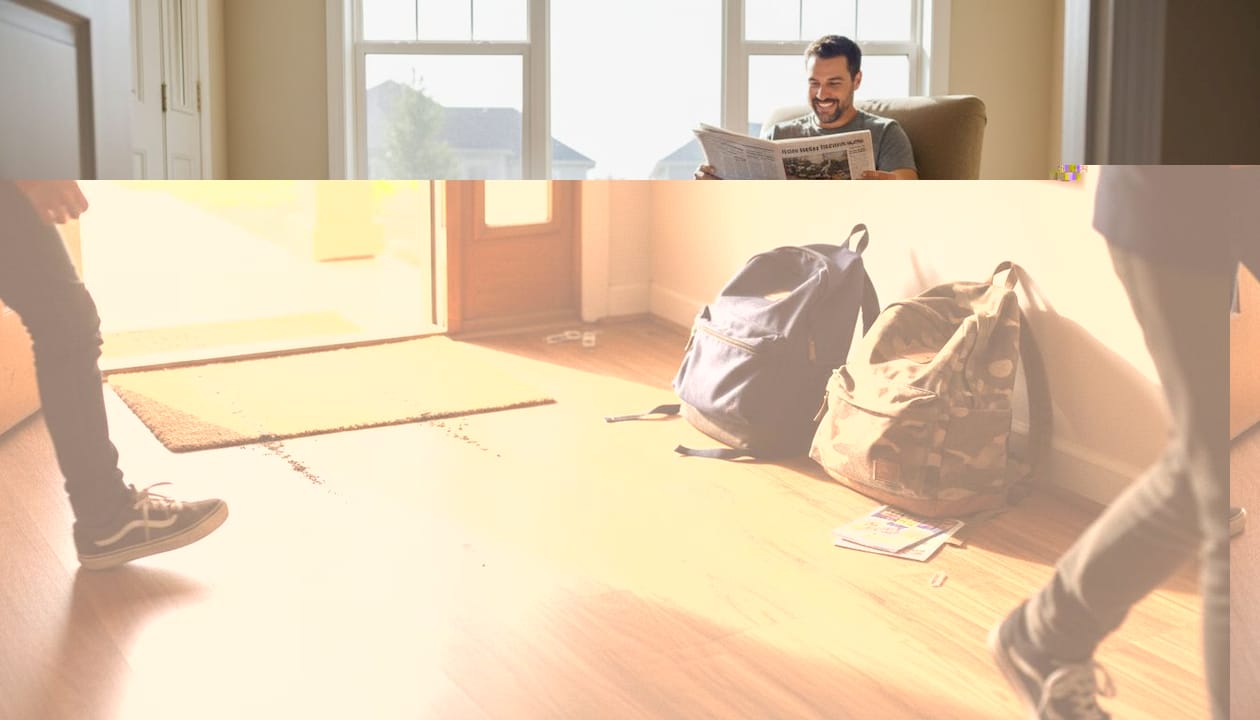
Luxury vinyl plank (LVP) is our top pick for most Colorado homes with pets or kids. It’s waterproof, incredibly durable, and comes in styles that genuinely look like real wood. Check out our flooring for homes with pets guide for more detail on why LVP earns its reputation.
Engineered hardwood gives you the warmth and look of real wood with better dimensional stability than solid hardwood. The scratch resistance depends heavily on the wear layer thickness and the finish applied.
Tile is nearly indestructible against scratches, though the grout lines can collect dirt and the tiles themselves can chip if something heavy drops on them.
Pro Tip: If you’re torn between laminate and LVP, go with LVP if you have pets or any moisture concerns. It wins on durability and is just as stylish.
Must-know habits and routines to prevent scratches
Choosing the right material is critical, but everyday habits make a major difference in how scratch-resistant your floors remain.
Think of your floor like a car’s paint job. Even the toughest finish gets worn down by neglect. The good news is that simple steps like entry mats, felt pads, and regular cleaning are proven to minimize floor scratching. Here’s how to build those habits into your routine:
- Place entry mats at every door. Grit and small rocks tracked in from outside are the number one cause of surface scratches. A good mat catches most of it before it reaches your floor.
- Sweep or vacuum daily in high-traffic areas. Dirt sitting on the floor acts like sandpaper every time someone walks over it. A quick sweep takes two minutes and saves your finish.
- Put felt pads under every piece of furniture. Chairs are especially damaging because they move constantly. Replace felt pads every six months since they wear down and collect debris.
- Trim your pet’s nails regularly. Long nails on dogs and cats act like tiny chisels on your floor surface. This one habit alone can extend your floor’s life by years.
- Use area rugs in high-activity zones. Living rooms, hallways, and play areas benefit most. Rugs absorb the impact of heavy foot traffic and protect the floor underneath.
- Avoid dragging furniture. Always lift, never drag. Even a short drag across the room can leave a visible gouge.
For a deeper look at protecting your floor’s lifespan, we’ve put together resources specifically for Denver-area homes dealing with Colorado’s unique climate conditions.
Pro Tip: Put a small basket near your front door for shoes. A no-shoes policy is one of the single most effective things you can do to protect any floor type.
Repairing and restoring scratched floors
Even with the best prevention, some scratches are inevitable, so let’s cover how to restore your floors effectively.
Refinishing or spot repairs can bring scratched floors back to life, especially for wood and LVP. The approach depends on what type of floor you have and how deep the damage goes.
For hardwood floors:
- Light surface scratches can often be treated with a stain pen or a wax stick matched to your floor color.
- Moderate scratches may respond well to a screen and recoat service, which buffs the surface and applies a fresh layer of finish without full sanding.
- Deep gouges or widespread wear typically require full sanding and refinishing — essentially giving your floor a complete reset.
For laminate floors:
- Minor scratches can be filled with a laminate repair kit, which uses colored putty to blend the damage.
- Deep scratches or chips usually mean replacing the affected planks. Laminate cannot be sanded or refinished.
For LVP:
- Small scratches can sometimes be minimized with a vinyl floor repair kit.
- Damaged planks are relatively easy to replace since most LVP uses a click-lock system.
Good to know: Wood floors have a real advantage here. They can be sanded and refinished multiple times over their lifespan, essentially getting a fresh start every decade or so. That’s something laminate and LVP simply can’t do.
Exploring your floor scratch repair methods before damage gets worse is always the smarter move. Small issues caught early are far cheaper and easier to fix.
Choosing the right scratch-resistant floor for your needs
Finally, let’s pull together everything you’ve learned so you can choose the best option with confidence.
The right floor depends on your specific situation. Pet owners and property managers often need to prioritize scratch resistance over appearance alone. Here’s a quick-reference guide to help you match your needs to the right material:
| Your situation | Best flooring choice | Why |
|---|---|---|
| Dogs or cats | LVP (12 mil+ wear layer) | Waterproof, scratch-resistant |
| Young kids | Laminate AC4 or LVP | Tough surface, easy to clean |
| Rental property | LVP | Durable, low maintenance |
| Elegant look | Engineered hardwood | Real wood appearance, more stable |
| Kitchen or bath | Tile or LVP | Water resistance is essential |
| Tight budget | Laminate AC3 | Great value, solid protection |
A few extra tips to guide your decision:
- Mix materials by room. LVP in high-traffic areas, engineered hardwood in bedrooms, tile in wet areas. This approach balances durability and aesthetics without breaking the budget.
- Ask about wear layer specifics when getting quotes. A salesperson saying a floor is “durable” isn’t enough. Ask for the exact mil thickness and AC rating.
- Get multiple estimates. Pricing varies widely in Colorado, and a good contractor will walk you through the options rather than just pushing the most expensive product.
- Think long-term. A slightly higher upfront cost for better scratch resistance often saves money on repairs and replacements over five to ten years.
The protective methods for pets we recommend are also great starting points for rental properties and commercial spaces where heavy use is a daily reality.
Why scratch-resistant floors aren’t just about the material
Here’s something we’ve seen play out hundreds of times: a homeowner invests in premium flooring, skips the proper installation steps, and ends up with floors that scratch just as fast as what they replaced. The material matters, but it’s only one piece of the puzzle.
Poor installation leads to gaps and movement that accelerate wear. Skipping an acclimation period before installing wood or engineered floors causes warping. Neglecting a simple cleaning routine lets grit build up and act like sandpaper day after day.
We’ve also seen the opposite: a modest laminate floor that looks nearly new after ten years because the homeowner used entry mats, kept pet nails trimmed, and called us in for a professional clean and buff every couple of years. That’s the real secret. Consistent care beats expensive materials every time.
Our full refinishing guide digs into how proper technique and timing can extend a floor’s life well beyond what most people expect. The best floor for your home is the one you actually take care of.
Expert flooring help for lasting scratch resistance
You now have a solid foundation to make smart flooring decisions and protect what you already have. But sometimes, the best next step is talking to someone who’s seen it all firsthand.
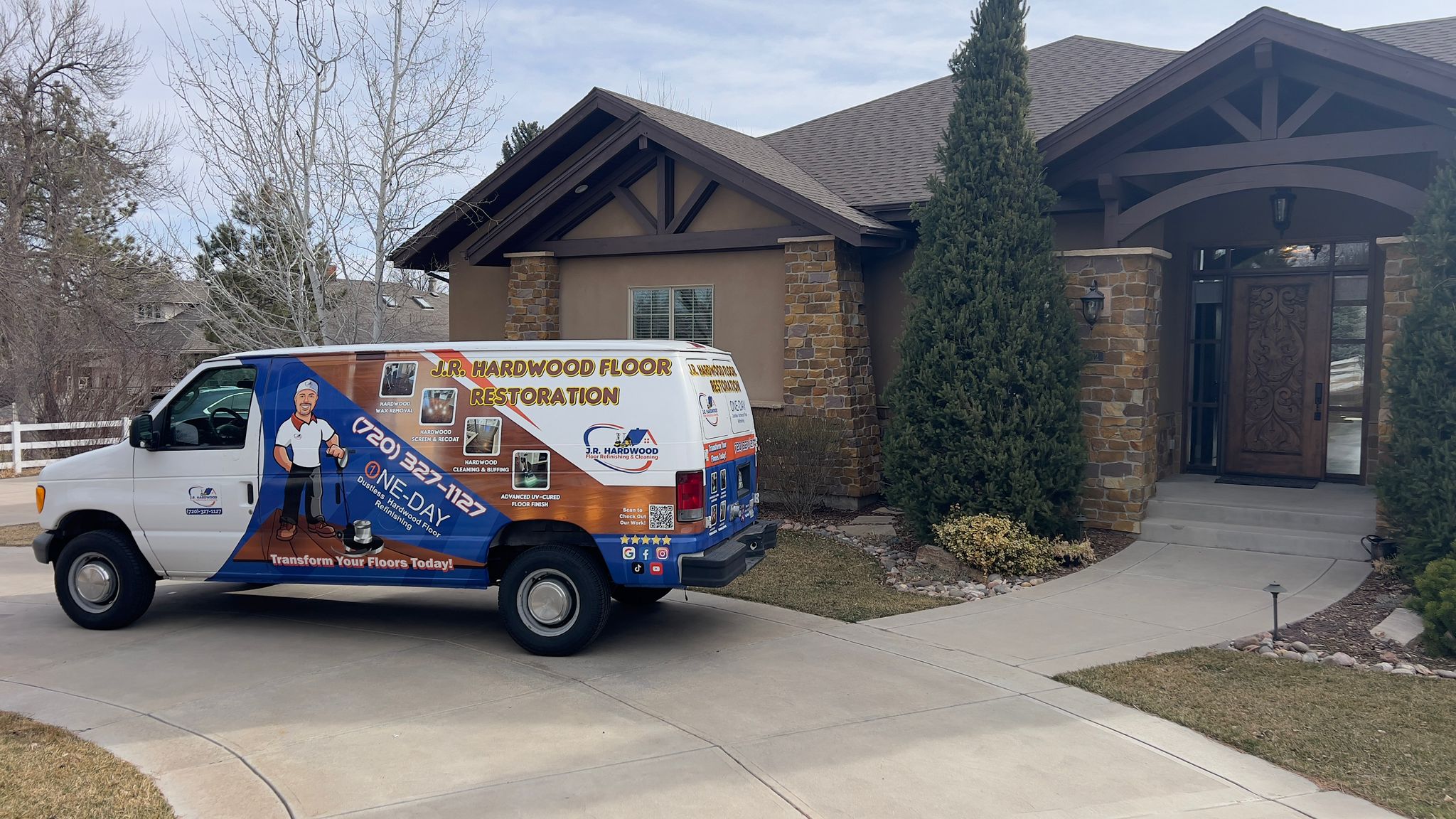
At J.R. Hardwood Floor Refinishing & Cleaning, we help Colorado homeowners and property managers get the most out of every floor. Whether you’re weighing DIY vs professional refinishing, need a full restoration, or just want to know what your floors actually need, we’re here for it. Our complete refinishing guide is a great place to start. When you’re ready to talk specifics, reach out to our Colorado floor experts for a free over-the-phone quote. We make it easy, clear, and worth every penny.
Frequently asked questions
What is the most scratch-resistant flooring material?
Luxury vinyl plank and high-rated laminate floors are among the most scratch-resistant options available, while certain tiles also offer exceptional durability for kitchens and entryways.
How do I keep my hardwood floors scratch-free?
Use rugs, felt pads on furniture, trim pet nails regularly, and clean often to remove the dirt and grit that cause the most damage. Entry mats, felt pads, and regular cleaning are proven to minimize scratching over time.
Are scratches on laminate or LVP repairable?
Minor scratches can often be concealed with a repair kit, but deep damage in laminate usually means replacing the affected planks. Spot repairs can restore looks effectively for LVP as well.
What’s the best way to repair a scratched wood floor?
Light scratches may be fixed with a stain pen or wax stick, while deeper damage often calls for professional sanding and refinishing to fully restore the surface. Our hardwood scratch removal guide covers both DIY and pro strategies.
Does pet traffic affect scratch resistance?
Yes, frequent pet activity increases floor wear significantly, so extra durable materials and regular maintenance are especially important. Pet owners often need to prioritize scratch resistance when selecting and caring for their floors.