 Skip to content
TL;DR:
- Cleaning floors with proper tools and sequence enhances home staging by creating a clean, spacious, and well-maintained appearance. Decluttering, cleaning baseboards, and addressing transitions improve perceived space and overall impression for potential buyers. Hiring professionals is advised for deep scratches or wear that cleaning alone cannot fix, ensuring the floors look their best during showings.
Staging homes with clean floors is the single most effective, low-cost signal that a property is well maintained. Buyers form their first impression within seconds of walking through the door, and floors are the largest visible surface in any room. Industry guides consistently categorize deep cleaning floors as the primary pre-listing investment for a fast sale. Clean floors do more than look good. They anchor furniture arrangements, make rooms feel larger, and tell buyers the home has been cared for. Whether you are a homeowner prepping for your first showing or a real estate agent managing multiple listings, getting the floors right is where effective staging begins.
What tools and methods work best for staging homes with clean floors?
The right equipment makes a real difference in achieving a show-ready finish. Using the wrong tools leaves residue, streaks, or moisture that can actually hurt your staging efforts. Here is what works across the most common floor types.
Equipment you need:
- Microfiber mop: Traps dust and fine particles instead of pushing them around. Works on hardwood, laminate, and tile.
- HEPA-filter vacuum: Captures allergens and fine debris without redistributing them into the air. Critical for carpet and area rugs.
- Soft scrubber or grout brush: For tile grout lines that trap grime and discolor over time.
- Spray bottle with diluted cleaner: Gives you control over moisture levels, which is key for hardwood and laminate.
Cleaning agents by floor type:
| Floor Type | Recommended Agent | What to Avoid |
|---|---|---|
| Hardwood | pH-neutral hardwood cleaner | Vinegar, steam, excess water |
| Laminate | Laminate-specific spray cleaner | Soap-based products, wet mopping |
| Tile | Mild alkaline cleaner | Bleach on grout, abrasive pads |
| Carpet | Enzyme-based spot cleaner | Overwetting, harsh solvents |
Cleaning floors back to front and working toward the exit prevents you from stepping on freshly cleaned surfaces and re-soiling them. This simple sequencing step is one of the most overlooked parts of the process. Moisture control matters just as much as the cleaning agent you choose. Proper moisture management prevents slip hazards and stops rapid re-soiling, keeping floors in show-ready condition longer.
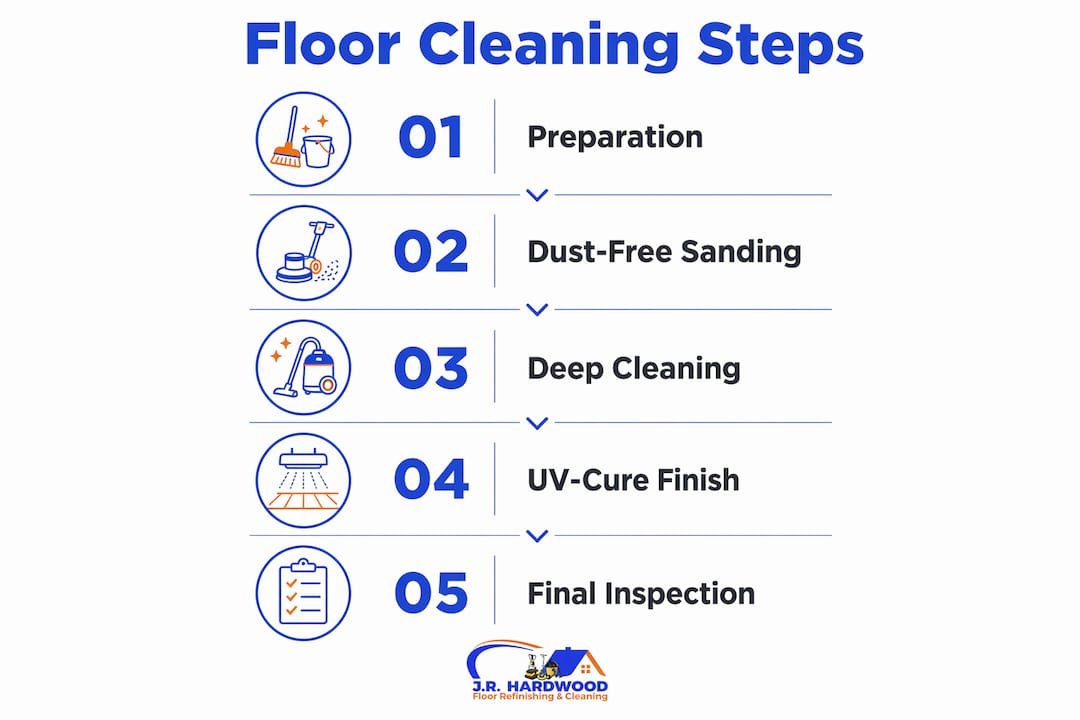
Pro Tip: Mist the floor lightly rather than soaking it. A damp microfiber mop, not a wet one, is the right tool for hardwood and laminate every time.
How do you arrange and declutter floors for maximum staging impact?
Decluttering is not just about tidiness. It is about making your floors the star of the room. Removing 30–40% of personal items and clearing horizontal surfaces by at least 60% directly improves perceived spaciousness. That spaciousness starts at floor level.
Follow these steps to get the most out of your floor space:
- Pack away small rugs and floor coverings. Scattered accent rugs chop up the visual flow of a room. Removing them exposes the full floor surface and lets buyers appreciate the material underneath.
- Float furniture off the walls. Furniture pushed against walls actually makes a room feel smaller. Pull pieces inward and anchor them on a single, appropriately sized area rug to define the space without hiding the floor.
- Store personal items and clutter. Shoes by the door, toys on the floor, and stacked magazines all draw the eye downward for the wrong reasons. Box them up and move them off-site before showings.
- Clean and restore baseboards. Neglected baseboards visually shrink a room and undermine even the cleanest floors. Wiping them down or touching up paint frames the floor and signals care throughout the space.
- Check transitions between rooms. Scuffed or lifted transition strips between flooring types catch the eye immediately. Replace or clean them so the floor reads as one cohesive surface.
Pro Tip: Stand in the doorway of each room before a showing and look down. That is exactly what buyers do. If the floor does not look open and clean from that angle, adjust your furniture placement or remove one more rug.
For a full room-by-room approach, the seller’s floor preparation guide from Jrhardwoodfloorrefinishingandcleaning walks through every surface type in detail.
What are common mistakes in cleaning floors for staging?
Most staging floor mistakes come down to two things: too much product and too little attention to sequence. Both are easy to fix once you know what to watch for.
- Overusing soap or cleaner. Excess soap leaves a sticky film that attracts dirt and reduces slip resistance. Use the recommended amount on the label, and always rinse with clean water afterward.
- Leaving floors damp before showings. Wet floors are a safety hazard and a red flag for buyers. Allow adequate drying time, and use fans to speed the process if needed.
- Skipping baseboards. Buyers notice baseboards even when they do not realize it. Dirty or scuffed baseboards make the whole floor look less clean.
- Cleaning in the wrong direction. Starting at the door and working inward means you walk over what you just cleaned. Always start at the far end of the room and work toward the exit.
- Ignoring grout lines on tile. Discolored grout makes tile floors look old and dirty even after mopping. A grout brush and a mild alkaline cleaner restore the contrast between tile and grout.
“Floors are frequently treated as a surface of last resort in cleaning routines. That mindset undermines staging efforts more than almost any other oversight.”
When DIY cleaning is not enough, professional services like those offered by Jrhardwoodfloorrefinishingandcleaning can deep clean, buff, and refinish surfaces to a level that no mop and bucket can match. Knowing when to call in a pro is itself a staging skill. You can also review the floor care tips for realtors resource for agent-specific guidance on when professional intervention pays off.
How does floor cleanliness influence buyer perception and sale speed?
Clean floors signal something deeper than surface tidiness. They tell buyers the home has been maintained from the ground up. The entry floor’s condition sets the tone for every room that follows, and buyers form their overall impression of property care within the first few seconds of walking in.
Floors also affect indoor air quality in ways buyers feel even if they cannot name. Clean floors reduce dust and allergens that accumulate over time, improving comfort during showings. A buyer who sneezes twice in the entryway is already forming a negative association with the home. Effective cleaning captures particles rather than redistributing them, which is why HEPA-filter vacuums outperform standard models in staging prep.
Visually, clean and open floors make rooms feel larger. This is not a trick. It is how human perception works. When the floor surface is visible and uncluttered, the brain reads the room as more spacious. That perceived space directly influences how buyers feel about the asking price. Agents who prioritize clean floor staging consistently report stronger buyer engagement at showings.
“Buyer first impressions hinge heavily on entrance flooring cleanliness, shaping overall perceptions of property care.”
Pairing clean floors with cabinet refinishing for staging creates a cohesive, well-maintained look that buyers notice throughout the home, not just underfoot.
Key Takeaways
Clean, well-staged floors are the foundation of effective home presentation, directly influencing buyer perception, perceived space, and sale speed.
| Point | Details |
|---|---|
| Clean floors signal maintenance | Deep cleaning is the top pre-listing investment for signaling a well-cared-for home. |
| Sequence prevents re-soiling | Always clean from the back of the room toward the exit to keep surfaces show-ready. |
| Declutter to expose floor space | Remove 30–40% of personal items and small rugs to make rooms feel larger and more open. |
| Baseboards frame the floor | Cleaning baseboards alongside floors visually completes the space and raises perceived care. |
| Moisture and residue are hazards | Excess soap and damp floors reduce slip resistance and attract dirt, undermining staging goals. |
What I have learned from years of floor staging prep
After working on hundreds of floors before listings go live, I can tell you the thing most homeowners and agents miss is the baseboard. Everyone mops the floor and calls it done. But when the baseboard is scuffed, yellowed, or caked with old wax, the floor looks dirty even when it is not. Cleaning or touching up the baseboard at the same time as the floor is one of those insider moves that costs almost nothing and makes a visible difference in listing photos.
The second thing I see constantly is product overuse. Homeowners want the floor to smell clean, so they pour in extra cleaner. What they get instead is a sticky surface that shows every footprint by the time the first buyer walks through. Less product, more rinsing, and a dry finish is always the right call.
I also want to push back on the idea that staging is just about aesthetics. Eco-friendly, residue-free cleaning compounds do more than appeal to buyers who care about indoor air quality. They actually extend the life of the finish, which matters if you are trying to avoid a full refinish before listing. We use products at Jrhardwoodfloorrefinishingandcleaning that clean thoroughly without stripping the protective layer from hardwood. That is the kind of detail that separates a floor that photographs beautifully from one that looks great in person and holds up through twenty showings.
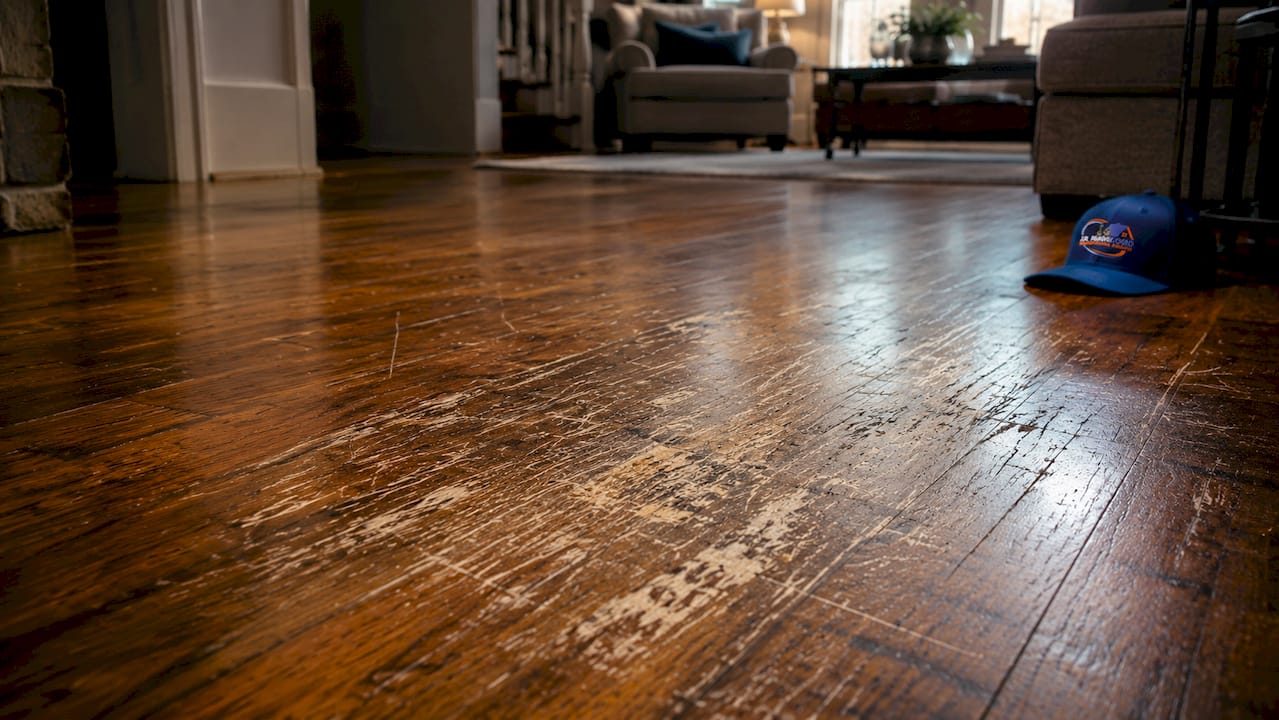
If your floors have scratches, dullness, or wear patterns that cleaning alone will not fix, do not try to hide them with rugs. Buyers lift rugs. Address the floor directly with a screen and recoat or a full refinish, and you will get a return that far exceeds the cost.
— J.R.
Ready to give your floors a professional edge before listing?
Your floors deserve more than a quick mop before buyers walk through the door. Jrhardwoodfloorrefinishingandcleaning serves homeowners and real estate agents across the Denver Metro Area, Parker, Castle Rock, Boulder, and Colorado Springs with services built specifically for pre-listing prep.
From deep cleaning and buffing to full hardwood refinishing and Instant UV-curable finishing, we tailor every service to your floor’s condition and your timeline. Eco-friendly products protect your finish while delivering the clean, bright look that photographs well and holds up through multiple showings. Not sure whether your floors need a clean and buff or a full refinish? Read our DIY vs. professional refinishing guide to make the right call. Free over-the-phone quotes are available based on verbal descriptions and photos. Reach out to Jrhardwoodfloorrefinishingandcleaning and get your floors show-ready on your schedule.
FAQ
What is the most important floor area to clean before a showing?
The entry floor is the highest priority. Buyer first impressions form within seconds, and the entryway floor sets the tone for how buyers evaluate the entire home.
How do I clean hardwood floors without damaging them for staging?
Use a pH-neutral hardwood cleaner applied with a lightly dampened microfiber mop. Avoid excess water, vinegar, and steam, which can warp or dull the finish over time.
Should I remove area rugs when staging a home?
Removing most small and mid-sized rugs exposes the full floor surface and makes rooms feel larger. Keep only one appropriately sized rug per room to anchor the furniture arrangement.
How soon before a showing should I clean the floors?
Clean floors the day before or the morning of the showing. Allow full drying time and avoid walking on them with outdoor shoes after cleaning to keep them in show-ready condition.
When should I hire a professional instead of cleaning floors myself?
Hire a professional when floors have visible scratches, dullness, deep stains, or worn finish that mopping cannot fix. A screen and recoat or refinish restores the surface to a condition that staging alone cannot achieve.