 Skip to content
TL;DR:
- Colorado’s extreme climate demands proactive laminate floor maintenance, including grit prevention, moisture control, and climate management. Proper routines such as regular sweeping, cautious cleaning, controlling humidity, and quick spill response significantly extend floor life. Following climate-specific care tips helps homeowners avoid damage and maintain durable, beautiful floors over time.
Colorado is beautiful, but it isn’t exactly gentle on laminate floors. Between the bone-dry winters, intense heating cycles, and the grit and road salt that gets tracked in from November through April, your floors face a unique set of challenges that generic care guides simply don’t prepare you for. The good news is that most laminate damage is completely preventable. With the right daily habits and a few climate-smart strategies, you can keep your floors looking fresh for years, sidestep costly replacements, and protect the investment you’ve made in your home.
Table of Contents
- Prioritize prevention: Stop scratches and entryway grit
- Master moisture: The do’s and don’ts for cleaning laminate
- Climate-smart care: Managing Colorado humidity and temperature
- Tackle spills and stains: Fast action and proper remedies
- The overlooked secrets to lasting laminate in Colorado
- Colorado’s top resource for resilient floors
- Frequently asked questions
Key Takeaways
| Point | Details |
|---|---|
| Prevent scratches | Use mats and regular sweeping to stop grit and scratches before they start. |
| Control moisture | Damp-mop only and avoid soaking your laminate, even if it’s labeled water resistant. |
| Balance climate | Keep Colorado indoor humidity and temperature stable for less laminate damage. |
| Clean safely | Choose approved laminate cleaners and skip harsh chemicals, steamer mops, and DIY mixes. |
| Act fast on spills | Wipe up spills quickly and follow proven stain removal methods to protect your floors. |
Prioritize prevention: Stop scratches and entryway grit
Now that you understand the unique care demands of Colorado, let’s break down the practical steps for protecting laminate from everyday threats.
Scratches are the number one enemy of laminate floors, and the biggest culprits are things you might not even think about: sandy boots, pet nails, chair legs, and the fine grit that clings to shoes after walking across an icy parking lot. Colorado winters are especially rough because ice melt products leave behind a fine, abrasive residue that acts like sandpaper underfoot. That residue doesn’t just scratch the surface. Over time, it wears down the protective wear layer on your laminate, dulling the finish and shortening the floor’s life.
The good news is that floor longevity best practices start with incredibly simple steps. Here’s what we recommend:
- Sweep or vacuum at least twice a week. Use a vacuum with a hard-floor attachment. Never use a beater bar, as it can scratch the surface. Sweep and vacuum regularly, use doormats at every entrance, protect furniture legs with felt pads, and always lift heavy items rather than dragging them.
- Place doormats at every exterior door. A mat outside to catch the bulk of the dirt, and another just inside the door, creates a two-step grit trap that works wonders.
- Add felt pads to all furniture legs. Every chair, table, and sofa should have felt pads underneath. Check them every few months because they wear down and can fall off.
- Never drag heavy furniture. Even sliding an ottoman a few feet can leave a visible scratch. Use furniture sliders or ask for an extra set of hands when rearranging.
- Trim pet nails regularly. This is one of the most overlooked steps for protection from pet scratches. Long nails on dogs and cats create constant micro-scratches, especially in high-traffic hallways.
Pro Tip: Keep a boot tray and a second welcome mat just inside your entry door during snowy or muddy months. Guests and family members can swap shoes or leave wet boots there before stepping onto your floors. It takes about 30 seconds to set up and saves you from hours of cleaning and potential floor damage.
If you’re building a new space or replacing worn floors, choosing durable laminate options upfront is one of the smartest long-term investments you can make.
Master moisture: The do’s and don’ts for cleaning laminate
Preventing scratches is just part of the picture. Next, see how the wrong cleaning methods can do more harm than help.
Moisture is laminate’s quiet nemesis. Unlike hardwood, laminate can’t be sanded down and refinished when water damage sets in. Once the core swells or the planks buckle, the only real fix is replacement. That’s why getting your cleaning routine right is so important.
Follow these simple cleaning steps and you’ll keep your floors in great shape:
- Sweep or dry-mop first. Always remove loose dirt and debris before introducing any moisture. Skipping this step means you’re just pushing grit around in a wet mop.
- Dampen your mop, don’t soak it. Wring out your mop until it’s barely damp. You shouldn’t see water sitting on the floor after you mop. Excess water can warp laminate, especially if it wicks into the seams between planks.
- Use only manufacturer-approved cleaners. Every laminate brand has recommended products. Stick to them. Manufacturer-approved cleaners protect the finish without leaving a cloudy residue.
- Dry the floor after mopping. A dry microfiber cloth passed over the floor after mopping removes any remaining moisture and leaves the surface streak-free.
- Never use a steam mop. This one surprises a lot of homeowners. Steam mops can damage laminate by forcing heat and moisture into the core, and using one may void your warranty entirely.
“Excess water can damage or warp laminate, especially at seams.” Keep this rule front of mind every time you clean.
Products to avoid completely include bleach, ammonia-based cleaners, vinegar and baking soda mixes, and any wax or oil-based products. These either strip the finish, leave a filmy residue, or create a buildup that actually attracts more dirt over time. It might feel like you’re giving your floors a deep clean, but harsh DIY mixes often do the opposite.
Pro Tip: If your floors look dull even after cleaning, it’s often from cleaning product buildup rather than actual wear. A quick pass with a pH-neutral laminate cleaner diluted properly can restore the shine without any scrubbing.
Climate-smart care: Managing Colorado humidity and temperature
With cleaning handled safely, let’s address one of the top hidden threats to laminate in Colorado: extreme dryness, heat, and humidity swings.

Colorado’s climate is one of the driest in the country. Indoor relative humidity during winter can drop into the low teens when the heat kicks on, and that level of dryness is brutal for laminate floors. The planks contract, gaps open between boards, and over time the structural integrity of the click-lock connections can weaken. Summer brings the opposite problem, with monsoon moisture driving humidity up quickly.
Indoor climate control is one of the most important, and most overlooked, parts of laminate care. The sweet spot is keeping indoor temperature between 65 and 85°F and indoor relative humidity between 35% and 65% year-round.
Here’s a quick reference for the tools you need:
| Condition | Problem for laminate | Solution |
|---|---|---|
| Below 35% humidity | Planks shrink, gaps form | Whole-home or room humidifier |
| Above 65% humidity | Planks swell, buckling | Dehumidifier or air conditioning |
| Below 65°F consistently | Adhesives and core stiffen | Raise thermostat, add insulation |
| Above 85°F consistently | Expansion stress, warping | Fans, shades, air conditioning |
A few practical steps to keep conditions stable:
- Use a whole-home humidifier connected to your HVAC system in winter. These are far more effective than small portable units in larger spaces.
- Run your AC or a dehumidifier in late summer when Colorado’s monsoon season spikes indoor humidity.
- Avoid placing laminate in areas with extreme temperature swings, like sunrooms or spaces with large south-facing windows without UV-blocking blinds.
- Check your humidity with a simple digital hygrometer, available at most hardware stores for under $20. Once you know your baseline, adjusting becomes second nature.
Pairing these climate habits with strategies from our Colorado floor protection guide is the most thorough approach you can take. And if you’re planning a new install, our humidity-ready installation tips explain how to prep your subfloor and acclimate your flooring before it ever gets nailed down.
Tackle spills and stains: Fast action and proper remedies
Daily care and careful climate control set the stage. Now, here’s what to do when the inevitable spills and sticky stains happen.
Spills are going to happen. Coffee, red wine, muddy paw prints, a knocked-over glass of juice. The key isn’t avoiding spills entirely. It’s reacting fast and using the right technique. Blot and wipe spills quickly, then follow manufacturer guidance for spot treatment. For trickier messes like candle wax or gum, harden the substance with an ice pack and gently scrape it away with a plastic scraper. Never use metal tools, which can gouge the surface.
Here’s a step-by-step guide for common spills:
- Blot, don’t wipe. Wiping spreads the mess. Blotting lifts it. Use a clean, dry cloth or paper towel.
- Follow with a slightly damp cloth if needed. Just a small amount of moisture on the cloth, not pooled on the floor.
- For sticky or set stains, use a manufacturer-approved spot cleaner. Let it sit for the recommended time, then blot clean.
- For wax or gum, apply an ice pack to harden the material, then use a plastic scraper at a low angle. Finish with a damp cloth.
- Dry the area completely. Even a small amount of lingering moisture near seams can cause damage over time.
Here’s a comparison of common stains and their best remedies:
| Stain type | First response | Safe cleaner to use | What to avoid |
|---|---|---|---|
| Red wine | Blot immediately | Manufacturer-approved cleaner | Rubbing, harsh chemicals |
| Mud | Let dry, then sweep | Damp cloth | Scrubbing wet mud |
| Pet accidents | Blot fast | Enzyme-based pet cleaner | Soaking the area |
| Candle wax | Ice pack to harden | Plastic scraper, then damp wipe | Metal scrapers, heat |
| Grease/oil | Blot with dry cloth | pH-neutral cleaner | Oil-based removers |
One important point that surprises many homeowners: even waterproof laminate still requires spill management. Waterproof designs resist moisture penetration through the surface, but water sitting at seams or edges can still find its way into the core over time. Don’t let “waterproof” become an excuse to ignore spills. Fast cleanup is always the right call.
For a deeper look at keeping things clean without harsh chemicals, our eco-friendly floor care tips page is packed with practical, safe alternatives.
The overlooked secrets to lasting laminate in Colorado
Armed with practical tips and research-backed actions, it’s worth stepping back for a broader view. Why do some homes’ laminate floors look perfect after years of use, while others don’t make it past a couple of seasons?
In our experience working with Colorado homeowners from Parker to Boulder to Colorado Springs, the answer almost never has to do with the quality of the flooring itself. It usually comes down to one thing: following advice that wasn’t designed for this climate.
Generic care guides assume average conditions. They’re written for homes in moderate climates where humidity stays in a comfortable range and winter means light rain, not road salt and freeze-thaw cycles. When you live in Colorado, “average” doesn’t apply. Our altitude, our dry air, and our dramatic seasonal swings mean you need tips calibrated for where you actually live.
We also see a lot of damage from well-meaning homeowners who think that a new generation of “waterproof” laminate means they can clean more aggressively. Some sources suggest steam cleaning may be fine for newer laminate types, but reputable manufacturers still broadly advise against it, and using a steam mop can void your warranty even on premium products. The risk simply isn’t worth it.
The floors we see holding up beautifully years later almost always belong to homeowners who do three things consistently: they keep grit out, they keep moisture minimal, and they control indoor humidity. It sounds simple. And honestly, it is. The challenge is building these habits and sticking to them, especially during busy seasons. Following longevity best practices tailored to Colorado’s environment is what separates floors that age gracefully from those that need early replacement.
Colorado’s top resource for resilient floors
For even greater durability and peace of mind, discover local pros who know how to truly protect, repair, and restore Colorado floors.
We know how much thought goes into choosing and maintaining your floors, and we’re here to make that process easier. Whether you need guidance on scratch-resistant laminate for high-traffic spaces or want a reliable floor cleaning checklist to keep your routine on track, J.R. Hardwood Floor Refinishing & Cleaning has you covered across the Denver Metro Area and beyond.
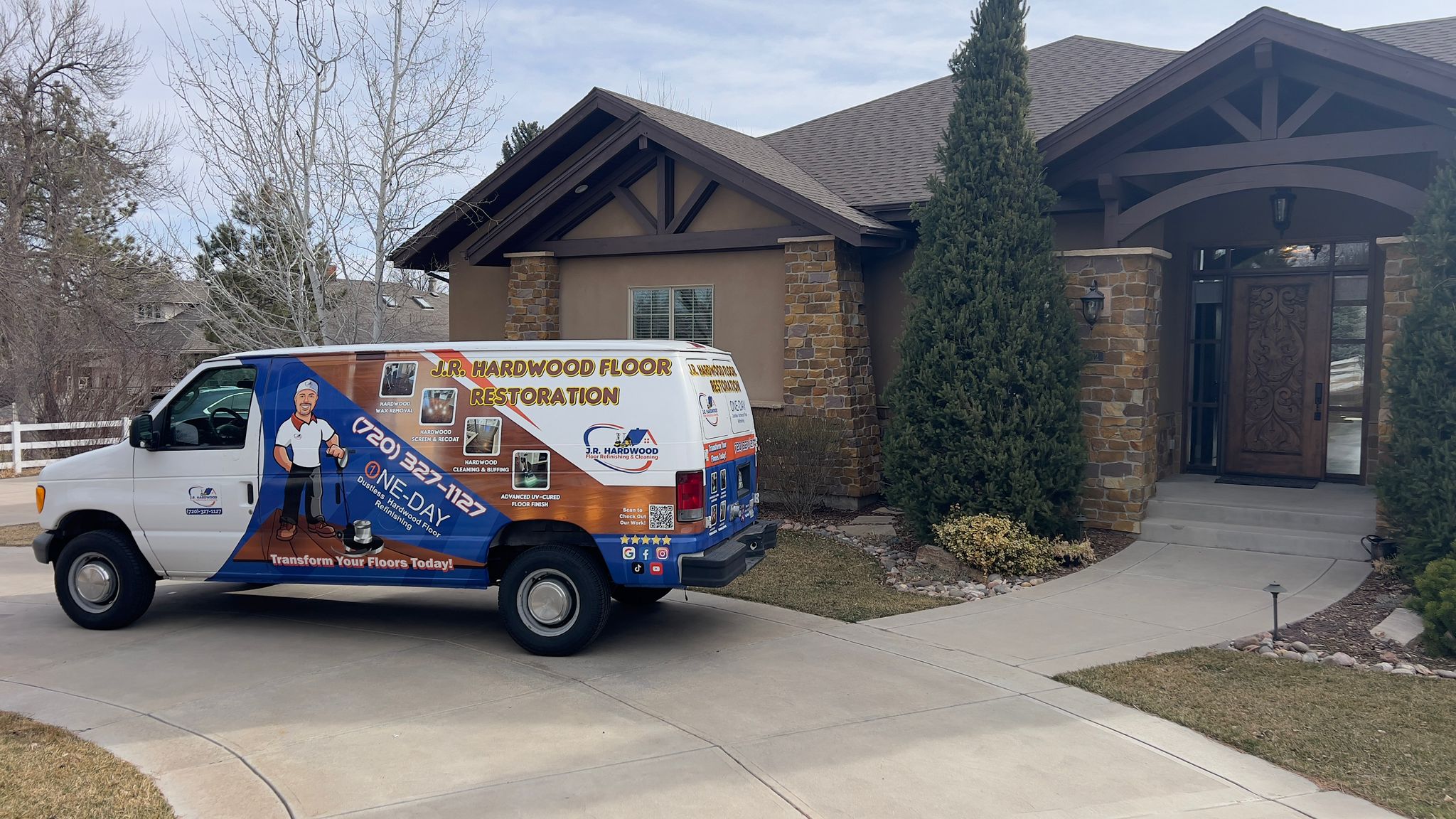
If damage has already set in, our team provides expert evaluation and restoration, including full laminate installation and refinishing services. Explore your refinishing service options and see what a professional touch can do to breathe new life into tired floors. Call us for a free over-the-phone quote, and let’s give your Colorado floors the care they deserve.
Frequently asked questions
Can I use a steam mop on laminate floors?
No, steam mops are not recommended because the combination of heat and moisture can damage the layered core and may void your warranty entirely.
How often should I sweep or vacuum laminate floors?
You should sweep or vacuum at least two to three times a week. Sweeping with a hard-floor attachment prevents grit buildup that scratches and dulls the surface over time.
What should I do if my laminate floors get wet?
Blot spills immediately with a dry cloth and dry the area completely. Excess water at seams is the most common cause of warping and swelling in laminate floors.
Are vinegar or homemade cleaners safe for laminate?
No, DIY mixes like vinegar or baking soda can strip the protective finish and leave behind a residue that dulls your floors and attracts dirt.
What indoor temperature and humidity levels are best for laminate?
Keep your home between 65 and 85°F and maintain relative humidity between 35% and 65% year-round to prevent gaps, buckling, and expansion stress on your laminate planks.