 Skip to content
TL;DR:
- Instant curing technology in flooring Harden floors within hours using UV light or chemical reactions. It results in floors that are more durable, scratch-resistant, and environmentally friendly compared to traditional methods.
Instant curing technology in flooring is defined as any coating process that hardens a floor finish within seconds to a few hours, rather than the 24–72 hours required by traditional methods. The two leading approaches are UV curing, which uses ultraviolet light to trigger photo-polymerization, and polyaspartic coatings, which cure through a rapid chemical reaction. Both methods deliver floors that are harder, more scratch resistant, and safer for indoor air quality than conventional polyurethane curing in flooring. For homeowners who cannot afford days of displaced furniture and for commercial property managers who need overnight turnarounds, these advanced flooring technologies are not a luxury. They are the practical choice.
How does instant curing technology work in flooring?
UV curing and polyaspartic coatings work through completely different chemistry, but they share one outcome: a floor that is ready to use far sooner than traditional finishes allow.
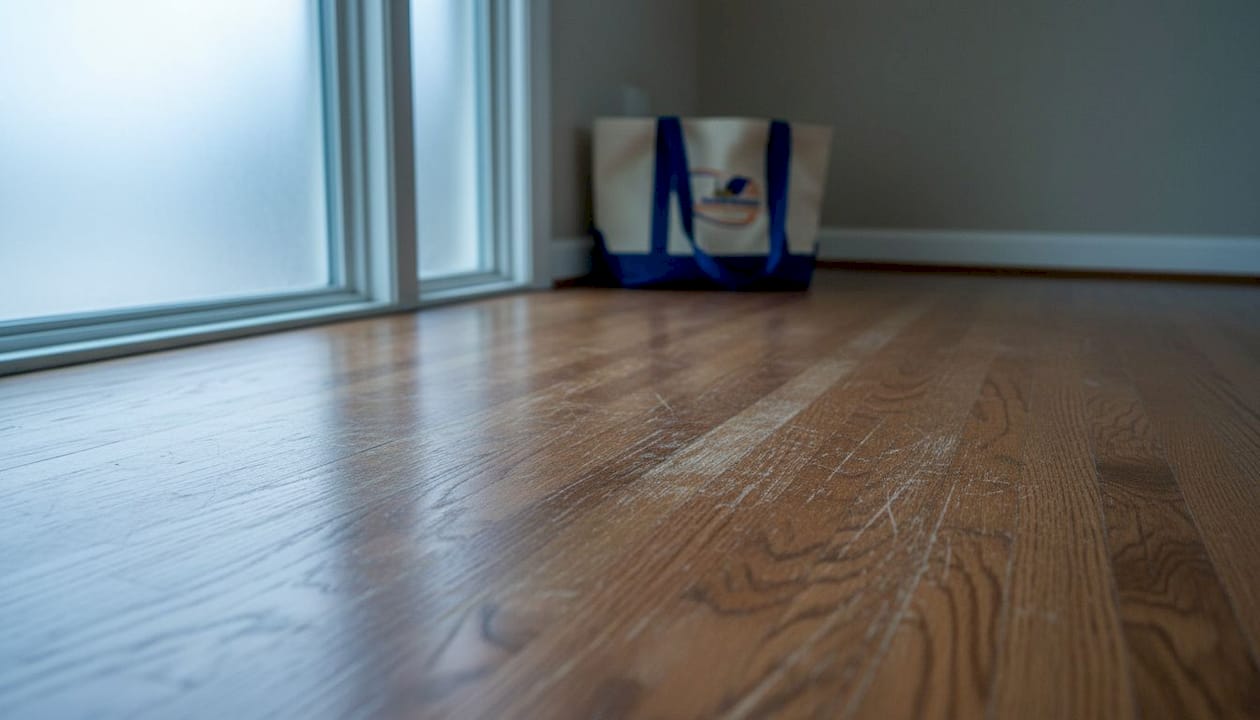
UV curing relies on photo-polymerization. A liquid coating containing special photoinitiators is applied to the floor, then exposed to a UV light source. The UV light triggers an almost instant chain reaction that cross-links the coating molecules into a hard, dense film. The process takes seconds to minutes under the lamp. One critical challenge is oxygen inhibition: atmospheric oxygen can cause surface tackiness by interrupting the curing reaction at the top layer. Professionals address this with specialized equipment or nitrogen blanket systems that displace oxygen during curing.
Polyaspartic coatings cure through a chemical reaction between two components mixed at the time of application. Unlike solvent-based finishes that harden as solvents evaporate, polyaspartics cure from the inside out. Polyaspartic coatings reach full hardness in as little as 1–2 hours and allow light foot traffic in 2–4 hours. That timeline makes them a favorite for commercial spaces that need a weekend or overnight installation window.
Here is a quick comparison of how each rapid floor curing method differs from traditional approaches:
- UV curing: Seconds to minutes under the lamp; requires mobile UV equipment; produces zero VOCs after cure
- Polyaspartic coatings: 1–4 hours to light use; two-component mix applied on-site; strong chemical resistance
- Traditional solvent-based polyurethane: 24–72 hours between coats; cures by solvent evaporation; higher VOC output during application
- Water-based polyurethane: 2–4 hours between coats; lower VOCs than solvent-based; less durable than UV-cured alternatives
Pro Tip: If you are scheduling a UV-cured finish for a room with large windows, ask your applicator how they manage oxygen inhibition. The answer tells you a lot about their experience level.
What are the durability and performance benefits of instant curing flooring?
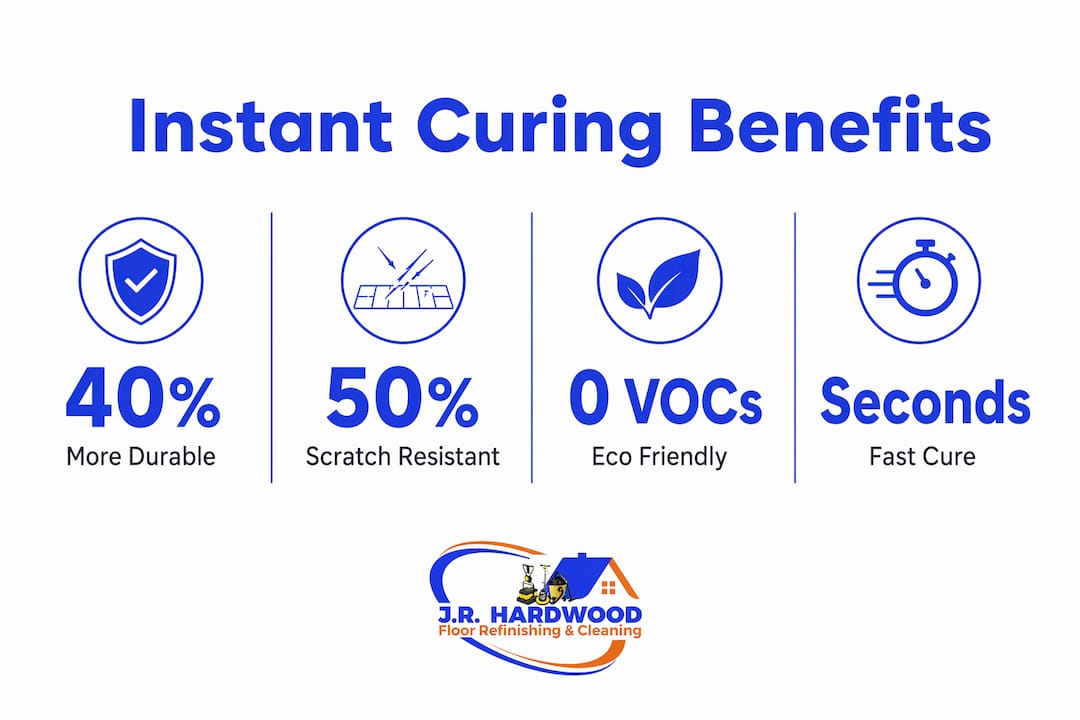
UV-cured finishes are 20–40% more durable and up to 50% more scratch resistant than traditional polyurethanes, as measured by ASTM D4060 abrasion tests. UV finishes reach 4H pencil hardness and tolerate 500 or more abrasion cycles, compared to roughly 200 cycles for standard alternatives. That gap is meaningful in a busy kitchen or a high-traffic commercial lobby.
The environmental story is equally strong. UV-curable coatings contain virtually zero VOCs and release no off-gassing after curing, meeting EPA 2026 air quality standards. Traditional solvent-based finishes off-gas for days after application, which matters for families with young children, pets, or respiratory sensitivities. Zero off-gassing after cure means you can move back in the same day.
Factory-applied finishes like aluminum oxide take UV curing to its highest level. Factory-applied aluminum oxide finishes cure instantly under controlled UV conditions, producing superior hardness and consistency that on-site application cannot fully replicate. The controlled factory environment eliminates the oxygen inhibition problem entirely. Floors arrive at your home already finished and ready to install.
“UV-curing provides exceptional speed, but UV-stability for color retention is better achieved by polyaspartic or polyurethane topcoats. In commercial spaces with significant sunlight exposure, polyaspartics are the smarter long-term choice because they resist yellowing that epoxies cannot avoid.”
Polyaspartic topcoats also maintain color and gloss better under UV exposure than traditional epoxy coatings. For a sun-drenched Colorado home or a retail space with floor-to-ceiling windows, that color stability is a real advantage. You can explore durable coating examples for Colorado spaces to see how these finishes hold up in real residential and commercial settings.
What should homeowners and commercial property managers consider before choosing instant curing flooring?
The benefits of fast curing floors are real, but so are the practical constraints. Knowing them upfront saves you from surprises on project day.
Equipment cost and access is the biggest barrier for DIY attempts. Mobile UV-light machines needed on-site cost upward of $5,000, which makes professional service the only realistic option for most homeowners and property managers. The equipment is also bulky and requires trained operators. This is not a weekend rental situation.
Spot repair difficulty is the trade-off you accept for that exceptional hardness. Spot repairs on UV-cured floors are difficult because the finish forms a single, highly cross-linked layer that does not blend easily with touch-up products. A scratch on a UV-cured floor may require refinishing a full section rather than dabbing on a repair product. Plan for that reality before you commit.
Here is a practical pros and cons summary to guide your decision:
Pros:
- Floors ready for use in hours, not days
- Superior scratch and abrasion resistance verified by ASTM D4060
- Zero VOC off-gassing after cure, meeting EPA 2026 standards
- Strong chemical resistance, especially with polyaspartic topcoats
- Ideal for commercial spaces needing overnight or weekend turnarounds
Cons:
- Requires professional-grade equipment costing $5,000 or more
- Spot repairs are harder than with traditional finishes
- Factory-applied UV finishes cannot be replicated on-site with the same consistency
- Higher upfront cost compared to standard polyurethane refinishing
Pro Tip: For commercial properties, schedule UV or polyaspartic refinishing on a Friday evening. Most spaces are ready for Monday morning foot traffic, which means zero lost business days.
Rapid polyurethane curing systems offer a middle ground worth knowing about. Rapid-cure polyurethane systems deliver commercial floors back to service within an overnight or weekend window, combining speed and durability for high-use environments. They cost less than full UV systems and still cut downtime dramatically compared to traditional polyurethane curing in flooring.
How can property managers and homeowners apply instant curing technology effectively?
Getting the most from any fast-curing system comes down to preparation, professional selection, and understanding how layered systems work together. Follow these steps to set your project up for success.
-
Assess your floor’s current condition. UV and polyaspartic coatings bond best to clean, properly sanded substrates. Deep scratches, old wax, or residual coatings must be removed first. Skipping this step causes adhesion failures that no fast-curing chemistry can fix. Jrhardwoodfloorrefinishingandcleaning always inspects floors before recommending a finish system.
-
Choose the right system for your traffic level. Residential floors with moderate traffic do well with UV-cured finishes applied on-site. High-traffic commercial floors benefit most from layered systems combining epoxy base coats with polyaspartic topcoats. The epoxy base fills and bonds to the substrate; the polyaspartic topcoat cures fast and resists chemicals and UV light.
-
Hire a professional with the right equipment. Ask specifically whether the contractor owns mobile UV curing equipment or uses polyaspartic systems. A contractor who cannot answer that question clearly has probably not worked with either. Check reviews and ask to see completed projects. The UV-curable finish process involves more steps than a standard recoat, and experience shows in the result.
-
Prepare the space properly before the crew arrives. Remove all furniture, rugs, and floor vents. Seal off adjacent rooms to control dust from any sanding. Good ventilation matters during application even with low-VOC systems, because the liquid coating before curing still contains reactive compounds. After curing, ventilation is purely optional since off-gassing stops.
-
Plan your maintenance routine in advance. UV-cured and polyaspartic floors clean easily with pH-neutral products. Avoid wax-based cleaners, which can cloud the finish. Because spot repairs are harder, protect high-wear areas with felt pads under furniture legs and entry mats at exterior doors. Prevention is genuinely easier than repair with these finishes.
-
Consider eco-friendly refinishing options. Zero-VOC UV systems align well with Colorado’s indoor air quality priorities. Jrhardwoodfloorrefinishingandcleaning uses eco-friendly products throughout its process, which is especially relevant for households with children, pets, or allergy concerns. The eco-friendly refinishing guide for Colorado homes walks through low-VOC options in detail.
Key Takeaways
Instant curing technology in flooring delivers floors that are harder, safer, and ready to use in hours, but the best results require professional equipment, proper surface preparation, and a coating system matched to your traffic level.
| Point | Details |
|---|---|
| UV curing speed and hardness | UV-cured finishes reach 4H pencil hardness and tolerate 500+ abrasion cycles, far exceeding traditional polyurethane. |
| Zero VOC after cure | UV-curable coatings release no off-gassing post-cure, meeting EPA 2026 indoor air quality standards. |
| Polyaspartic for commercial use | Polyaspartic topcoats cure in 1–4 hours and resist yellowing, making them ideal for sun-exposed commercial floors. |
| Professional equipment required | Mobile UV curing machines cost upward of $5,000, making DIY application impractical for most property owners. |
| Spot repair trade-off | UV-cured floors are difficult to touch up locally; plan for section refinishing rather than spot repairs. |
What I’ve learned after years of applying instant curing finishes
Most homeowners come to us thinking UV-cured floors are just “faster polyurethane.” They are not. The chemistry is fundamentally different, and so is the performance ceiling. I have seen UV-cured floors in busy Denver restaurants hold up for years without the dullness or micro-scratching that traditional finishes show within months. That durability is real, and it is not marketing.
The part nobody talks about enough is the maintenance trade-off. I tell every customer upfront: if you scratch a UV-cured floor badly enough to need repair, you are not dabbing on a touch-up. You are refinishing a section. For most people, that trade-off is worth it because the finish is so hard that serious scratches are rare. But it is a trade-off, and you deserve to know it before you sign anything.
The other thing I have noticed is that layered systems, specifically an epoxy base with a polyaspartic topcoat, outperform single-coat UV systems in commercial settings. The epoxy gives you adhesion and fill. The polyaspartic gives you speed and color stability. Together, they are the closest thing to a complete solution I have seen in this industry. We use this approach regularly for commercial clients in the Denver Metro Area who need their floors back in service by Monday morning.
My honest advice: do not choose a fast-curing system just because it sounds impressive. Choose it because your timeline, traffic level, and maintenance habits actually match what the technology delivers. When they do match, the results are genuinely worth it.
— J.R.
Professional UV-curable floor finishing for Colorado homes and businesses
Jrhardwoodfloorrefinishingandcleaning brings instant UV-curable finishing to homeowners and commercial property managers across the Denver Metro Area, Parker, Castle Rock, Boulder, and Colorado Springs.
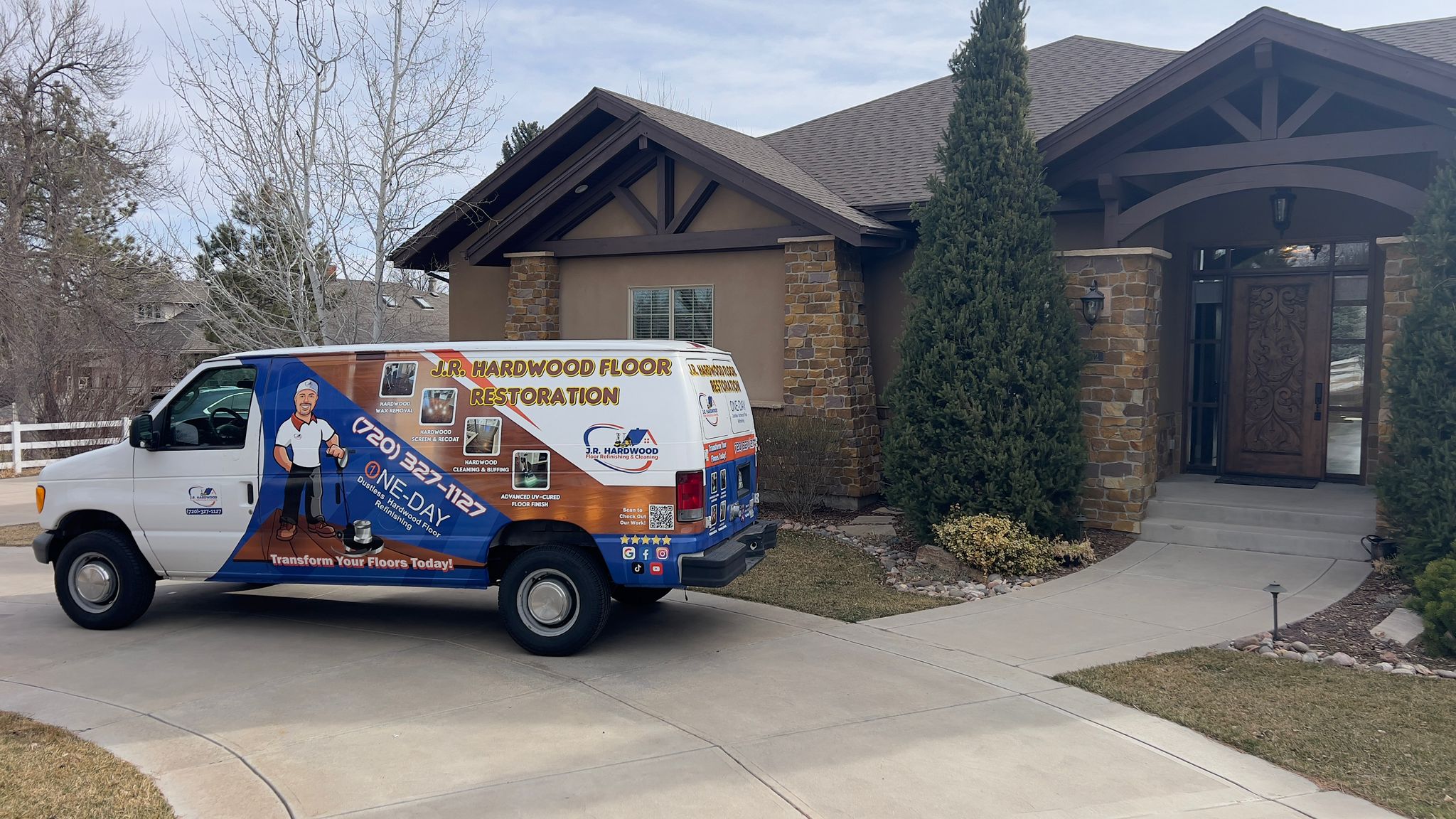
We use eco-friendly, zero-VOC UV-curable finishes that cure the same day, so your floors are protected and ready to use without the multi-day wait of traditional refinishing. Our team handles everything from surface preparation to final inspection, and we offer free over-the-phone quotes based on your floor’s condition and photos. Not sure whether professional service or a DIY approach fits your situation? The DIY vs. professional refinishing guide breaks down the real costs and trade-offs so you can decide with confidence. Reach out to us and let’s find the right finish for your floor.
FAQ
What is instant curing technology in flooring?
Instant curing technology in flooring is a process that hardens floor coatings within seconds to a few hours using UV light or rapid chemical reactions, rather than the 24–72 hours required by traditional methods. The two main types are UV photo-polymerization and polyaspartic coatings.
How long does a UV-cured floor finish take to cure?
UV-cured finishes harden within seconds to minutes under the UV lamp, and floors are typically ready for foot traffic the same day. Polyaspartic coatings reach full hardness in 1–2 hours and allow light use within 2–4 hours.
Are instant curing floor finishes safe for indoor air quality?
UV-curable coatings contain virtually zero VOCs and release no off-gassing after curing, meeting EPA 2026 indoor air quality standards. This makes them one of the safest finish options for homes with children, pets, or residents with respiratory sensitivities.
Can I repair a UV-cured floor myself if it gets scratched?
Spot repairs on UV-cured floors are difficult because the finish is a single, highly cross-linked layer that does not blend easily with standard touch-up products. Most repairs require a professional to refinish the affected section rather than apply a spot fix.
Is instant curing flooring worth it for commercial properties?
Rapid floor curing methods are especially valuable for commercial properties because they allow overnight or weekend installations with floors ready for Monday morning traffic. Polyaspartic systems in particular combine fast cure times with strong chemical resistance and UV color stability, making them well suited to high-traffic commercial environments.