 Skip to content
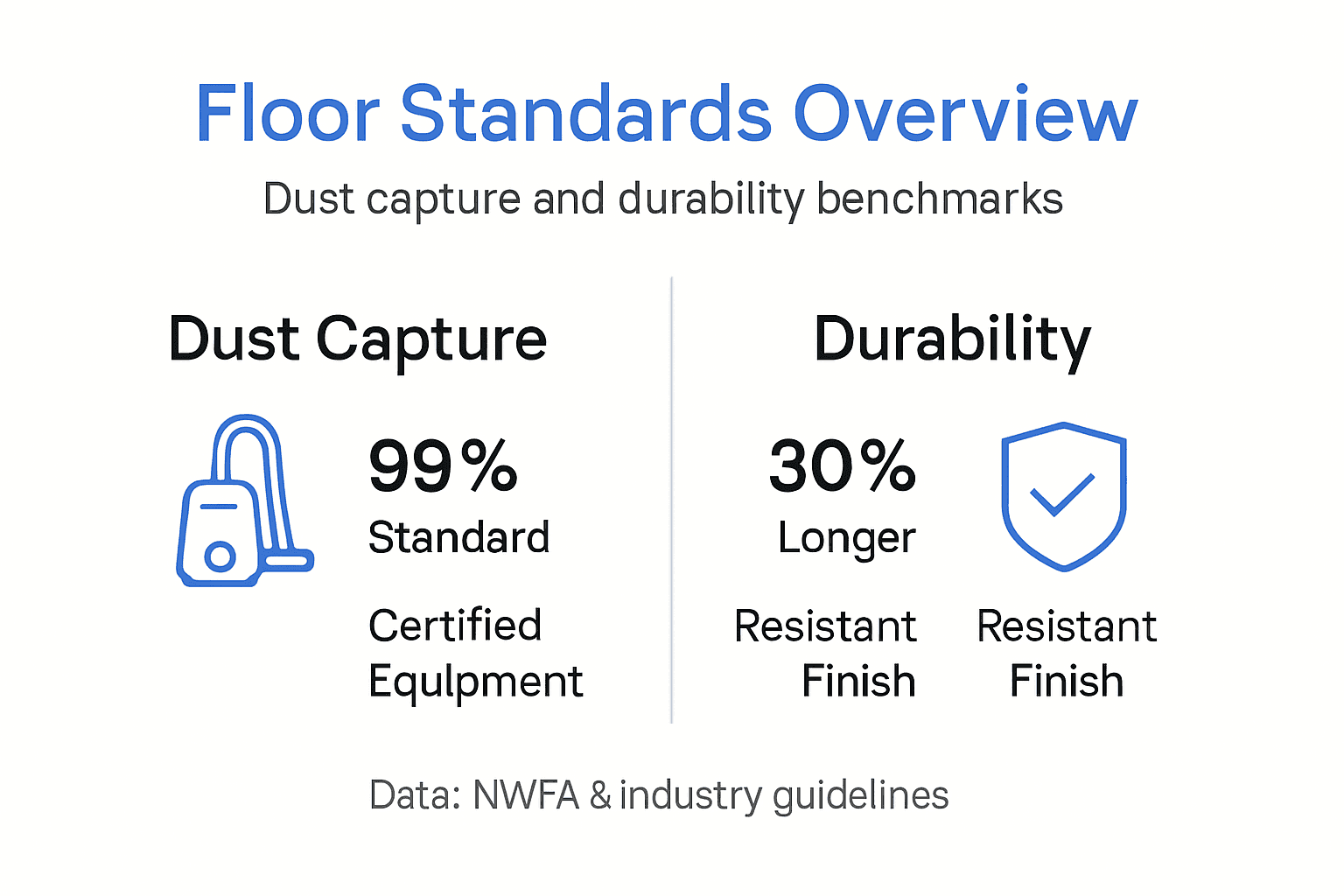
Modern hardwood floor refinishing technology has transformed indoor air quality. Dustless sanding systems now capture over 99% of sanding dust, drastically reducing airborne particles that once plagued Denver homes during refinishing projects. This article clarifies how following established industry standards delivers healthier indoor environments, longer-lasting finishes, and beautiful floors that protect your investment for decades.
Table of Contents
- Understanding Industry Standards For Hardwood Floor Refinishing
- Eco-Friendly Finishing Options And Their Benefits
- Common Misconceptions In Hardwood Floor Refinishing
- Eco-Friendly Refinishing Techniques And Best Practices
- Durability Benchmarks And Maintenance For Long-Lasting Floors
- Making An Informed Choice: Selecting Professionals And Products In Denver
- Enhance Your Denver Home With Professional Eco-Friendly Hardwood Floor Refinishing
- Frequently Asked Questions About Hardwood Floor Refinishing Standards
Key Takeaways
| Point | Details |
|---|---|
| Industry Standards Matter | NWFA technical standards ensure proper sanding depth, finish application, and quality inspection for consistent results. |
| Eco-Friendly Finishes Outperform | UV-cured finishes offer 30% greater durability than natural oils with zero on-site VOC emissions. |
| Dustless Technology Protects Health | Modern sanding equipment captures 99% of dust particles, dramatically improving air quality during refinishing. |
| Durability Extends Investment | Water-based and UV-cured finishes typically last 10-15 years before requiring recoating, reducing lifecycle costs. |
| Professional Certification Matters | NWFA-certified contractors deliver predictable outcomes by following proven refinishing protocols. |
Understanding Industry Standards for Hardwood Floor Refinishing
The National Wood Flooring Association establishes globally recognized technical standards that define quality expectations for sanding, finishing, and refinishing hardwood floors. These standards specify proper sanding depths to avoid damaging wear layers, optimal finish application techniques for durability, and comprehensive inspection criteria that contractors must meet. Without these benchmarks, refinishing outcomes become unpredictable, leading to premature wear, inconsistent appearances, and costly repairs.
Certified professionals trained in NWFA protocols understand how to assess floor condition accurately and select appropriate techniques. A floor with minor surface scratches may only need screening and recoating, preserving the existing finish and saving homeowners time and money. Heavily worn floors with deep gouges require full sanding through multiple grits to create a smooth, uniform surface ready for new finish application.
Industry standards also guide moisture content testing, subfloor preparation, and acclimation periods that prevent common problems like cupping, crowning, or finish adhesion failures. When contractors skip these foundational steps, floors may look acceptable initially but develop issues within months. For Denver homeowners exploring hardwood floor refinishing options, understanding these standards helps set realistic expectations.
Key elements covered by NWFA standards include:
- Proper sequence of sanding grits from coarse to fine for optimal smoothness
- Minimum and maximum finish coat thickness for durability without cracking
- Inspection protocols for checking levelness, color consistency, and surface defects
- Environmental controls for temperature and humidity during application and curing
Eco-Friendly Finishing Options and Their Benefits
Water-based polyurethanes represent a major advancement in environmentally responsible floor finishing. These products emit significantly fewer volatile organic compounds compared to traditional oil-based finishes, typically containing less than 250 grams per liter of VOCs versus 450-550 grams for conventional options. Lower emissions translate directly to better indoor air quality, allowing families to return home sooner after refinishing with minimal odor.
UV-cured finishes take eco-friendliness further by eliminating on-site chemical off-gassing entirely. These finishes cure instantly under ultraviolet light at the factory, creating a hardened surface 30% more durable than natural oils. The process generates zero solvent emissions in your home, making UV-cured products ideal for households with children, elderly residents, or individuals with chemical sensitivities.
Natural oils and waxes appeal to homeowners seeking biodegradable options but come with trade-offs. While these products break down naturally without synthetic chemicals, many contain petroleum-based solvents that off-gas during application. They also require more frequent maintenance, typically needing reapplication every 1-2 years compared to 10-15 years for modern polyurethanes. Property managers concerned about long-term maintenance costs should weigh these factors carefully.
Here’s how major finish types compare:
| Finish Type | VOC Level | Durability | Maintenance Frequency | Best For |
|---|---|---|---|---|
| Water-Based Polyurethane | Low (< 250 g/L) | 10-15 years | Every 3-5 years | High-traffic residential areas |
| UV-Cured | Zero on-site | 12-18 years | Every 5-7 years | Commercial spaces, allergies |
| Oil-Based Polyurethane | High (450-550 g/L) | 8-12 years | Every 2-4 years | Traditional aesthetics |
| Natural Oils/Waxes | Variable | 1-3 years | Annually | Low-traffic, maintenance-tolerant owners |
For wood floor refinishing projects in Denver, selecting finishes with documented low VOC levels protects both immediate health and long-term indoor air quality.
Pro Tip: Request product data sheets showing exact VOC content before committing to any finish. Manufacturers must provide these specifications, and legitimate eco-friendly products will have third-party certifications like Greenguard or FloorScore prominently displayed.
Common Misconceptions in Hardwood Floor Refinishing
Many homeowners assume natural oils automatically provide healthier refinishing options than synthetic finishes. The reality contradicts this intuition. UV-cured finishes contain no solvents whatsoever and emit zero toxic fumes during or after installation, while natural oil products often rely on petroleum distillates as carriers that off-gas for days or weeks.
Traditional oil-based finishes maintain a reputation for durability that overshadows their health impacts. These products release high concentrations of VOCs that contribute to respiratory irritation, headaches, and long-term indoor air pollution. Modern water-based alternatives now match or exceed the durability of conventional finishes without the chemical exposure, making the health trade-off unnecessary.
Another persistent myth suggests eco-friendly finishes sacrifice longevity for environmental benefits. Current testing proves the opposite in many cases.
UV-cured finishes deliver up to 30% greater scratch resistance and wear tolerance than conventional natural oils, lasting 12-18 years in residential applications before requiring refinishing.
This extended lifespan actually reduces environmental impact by minimizing the frequency of resource-intensive refinishing cycles. Fewer refinishing projects mean less material consumption, reduced energy use, and decreased waste generation over the floor’s lifetime. For those exploring eco-friendly floor restoration, these durability advantages align sustainability with practical performance.
Common myths debunked:
- Natural always means healthier: Many natural products contain harsh chemical solvents
- Traditional finishes are tried and true: VOC emissions pose documented health risks
- Eco-friendly equals fragile: Modern green finishes often outperform conventional options
- All low-VOC claims are equal: Verify third-party certifications rather than trusting marketing
Eco-Friendly Refinishing Techniques and Best Practices
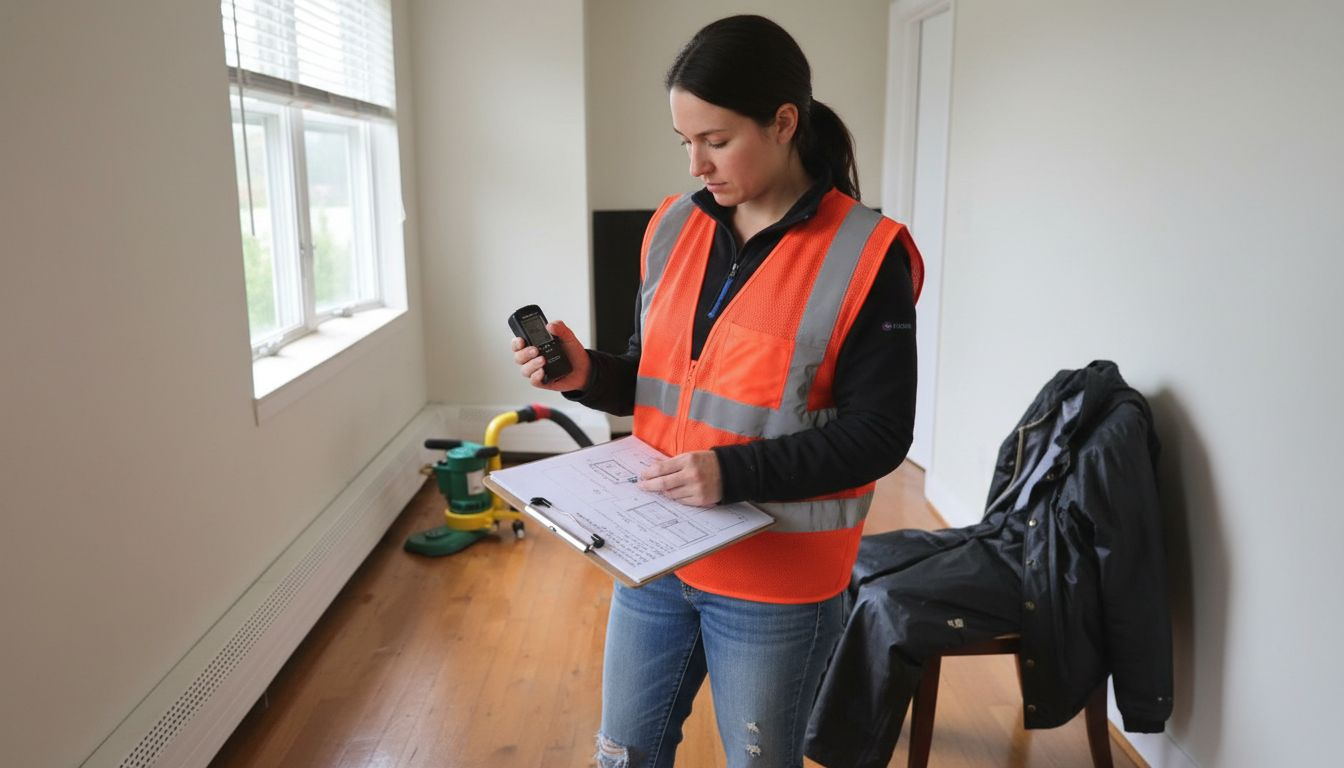
Professional eco-conscious refinishing follows a systematic approach that prioritizes both results and environmental responsibility. The process begins with thorough floor assessment to determine appropriate techniques, checking for structural damage, moisture issues, and finish wear patterns that guide method selection.
Dustless sanding technology represents the most significant health advancement in refinishing. These systems connect high-powered vacuums directly to sanding equipment, capturing over 99% of dust particles at the source. Traditional sanding creates clouds of fine particulates that settle throughout homes, infiltrating HVAC systems, cabinets, and lungs. Dustless systems eliminate this exposure, protecting respiratory health while drastically reducing cleanup time.
Here’s the step-by-step eco-friendly refinishing process:
- Conduct moisture testing and structural inspection to identify any underlying issues
- Remove furniture and protect adjacent spaces with plastic barriers and door seals
- Perform dustless sanding using progressively finer grits (typically 36, 60, 80, 100, 120)
- Vacuum thoroughly between each grit change to prevent cross-contamination
- Apply eco-friendly wood filler to gaps and cracks, allowing proper cure time
- Apply first finish coat using low-VOC or zero-VOC products per manufacturer specifications
- Light buffing between coats with fine abrasives for optimal adhesion
- Apply final protective coats, ensuring proper film thickness and even coverage
- Allow full cure time before replacing furniture or resuming normal traffic
Proper ventilation during application accelerates curing while minimizing concentrated fume exposure. Opening windows, using fans to create cross-ventilation, and running HVAC systems with fresh air intake optimizes air exchange without compromising finish quality. Temperature and humidity control matters too, maintaining conditions within manufacturer-specified ranges ensures proper chemical reactions and film formation.
For hardwood sanding and refinishing in Colorado’s variable climate, professionals monitor conditions closely to prevent finish failures.
Pro Tip: Schedule refinishing during mild weather when you can keep windows open for natural ventilation. Avoid extreme heat or cold that forces you to seal the home, trapping fumes and slowing cure times.
Durability Benchmarks and Maintenance for Long-Lasting Floors
Finish lifespan varies dramatically based on product chemistry, application quality, and maintenance practices. Water-based and UV-cured finishes typically deliver 10-15 years of protection before requiring recoating in residential settings, significantly outlasting traditional options when properly maintained. Commercial spaces with heavier foot traffic may see 5-8 years, still representing excellent value.
Regular maintenance extends finish life substantially while preserving appearance. Simple practices make the difference:
- Sweep or vacuum daily to remove abrasive dirt particles that scratch finishes
- Use manufacturer-approved pH-neutral cleaners, avoiding harsh chemicals or excessive water
- Place protective pads under furniture legs to prevent concentrated pressure points
- Maintain consistent indoor humidity between 35-55% to prevent wood movement
- Immediately wipe up spills to prevent moisture penetration and staining
Comparing finish types helps inform decisions:
| Finish Type | Expected Lifespan | Recoating Frequency | Annual Maintenance Level |
|---|---|---|---|
| UV-Cured | 12-18 years | Every 6-8 years | Low |
| Water-Based Poly | 10-15 years | Every 4-6 years | Low to Moderate |
| Oil-Based Poly | 8-12 years | Every 3-5 years | Moderate |
| Natural Oils | 1-3 years | Annually | High |
Property managers evaluating lifecycle costs should consider both initial investment and ongoing maintenance expenses. A higher upfront cost for UV-cured finishes often proves economical over time by reducing recoating frequency and minimizing tenant disruptions. Fewer refinishing cycles also preserve more of the original wood wear layer, extending the floor’s total usable life before replacement becomes necessary.
For Denver homeowners reviewing floor restoration options, balancing durability with budget constraints requires understanding these performance trade-offs. Investing in quality finishes and consistent maintenance delivers the best return.
Making an Informed Choice: Selecting Professionals and Products in Denver
Choosing qualified refinishing contractors requires evaluating credentials, equipment, and product knowledge. Start by asking about NWFA certification, which demonstrates formal training in industry standards and best practices. Certified professionals understand proper techniques, common pitfalls, and solutions for challenging situations that uncertified contractors might mishandle.
Denver’s climate presents unique considerations for hardwood refinishing. Low humidity, especially during winter months, causes wood to contract and finishes to cure differently than in humid regions. Experienced local contractors account for these factors, adjusting application techniques and recommending appropriate products for Colorado conditions. Check whether candidates use dustless sanding equipment and offer multiple eco-friendly finish options.
Local regulations regarding VOC emissions continue evolving as air quality concerns grow. Denver Metro Area contractors should stay current with state and county requirements, using compliant products that meet or exceed environmental standards. Verify that proposed finishes carry relevant certifications and ask for documentation showing VOC content levels.
When evaluating hardwood floor refinishing services, ask these essential questions:
- What NWFA certifications do your lead installers hold?
- Which specific eco-friendly finish products do you regularly use?
- Do you use dustless sanding systems on all jobs?
- Can you provide references from recent projects similar to mine?
- What is your warranty policy for workmanship and finish performance?
- How do you handle moisture testing and subfloor preparation?
- What is your timeline from start to finish, including cure time?
- Do you carry comprehensive liability insurance and workers’ compensation?
Reviewing customer feedback across multiple platforms provides insight into consistency and reliability. Look for patterns in reviews rather than focusing on isolated complaints or praise. Companies with strong reputations typically demonstrate responsiveness to concerns, clear communication throughout projects, and outcomes matching initial promises.
For comprehensive guidance on selecting contractors, the hardwood floor refinishing Q&A addresses common questions. Comparing best hardwood floor refinishing services helps identify providers meeting your specific requirements for quality, sustainability, and value.
Enhance Your Denver Home with Professional Eco-Friendly Hardwood Floor Refinishing
Applying industry standards and eco-friendly practices requires expertise that J.R. Hardwood Floor Refinishing & Cleaning brings to every Denver Metro project. Our dustless sanding technology captures 99% of particles while our UV-curable finishing delivers zero on-site emissions with exceptional durability.
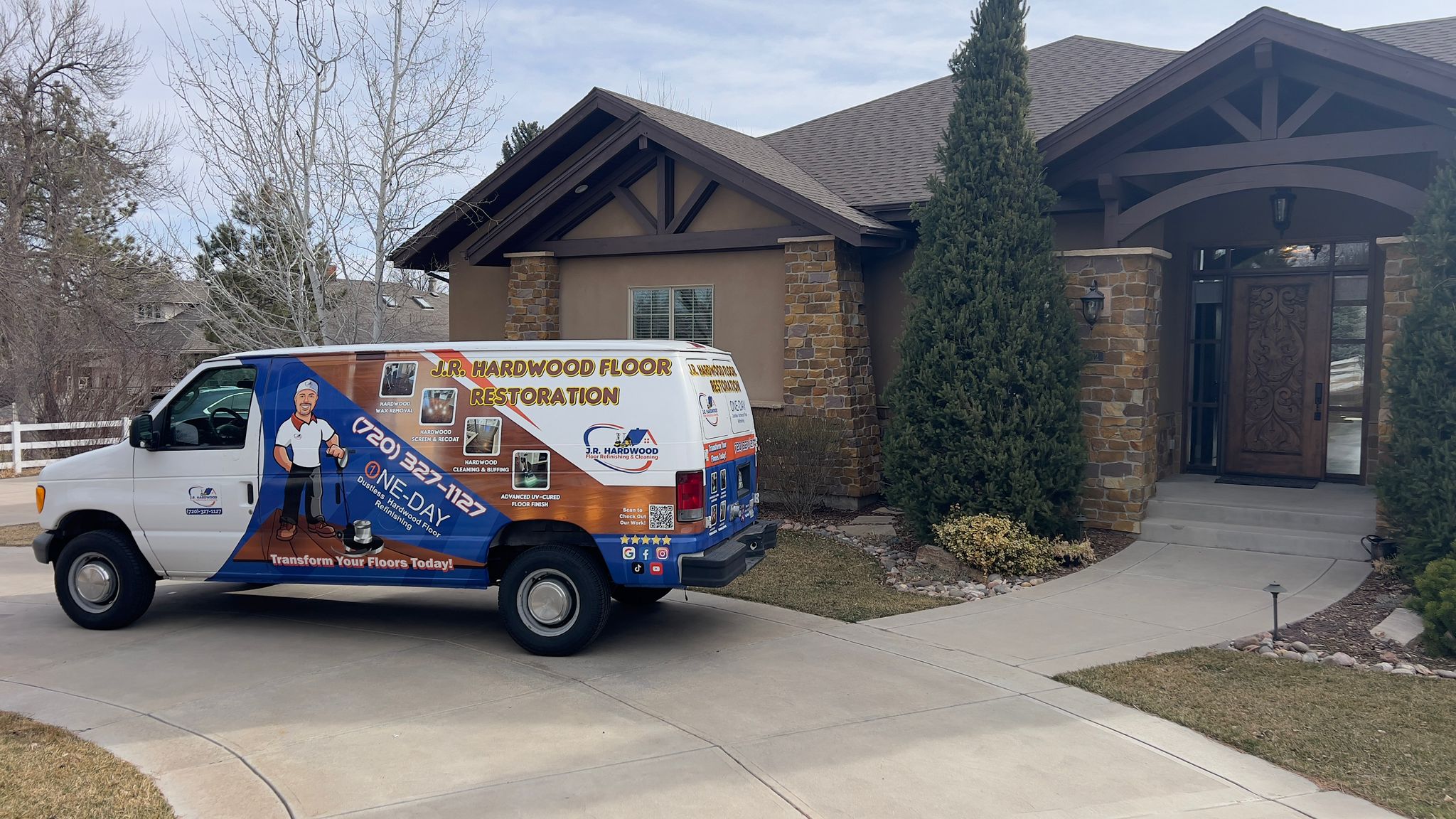
Our NWFA-trained professionals follow rigorous protocols for assessment, preparation, and application that ensure predictable, lasting results. We guide clients through finish selection based on traffic patterns, aesthetic preferences, and environmental priorities, explaining trade-offs clearly so you make informed decisions. From Parker to Boulder, our 5-star reviews reflect our commitment to craftsmanship and communication.
Whether you need professional refinishing services for your home or want to explore options in our complete refinishing guide, we provide transparent estimates and clear timelines. Contact us for a free consultation to discuss how our hardwood refinishing and cleaning services can transform your floors while protecting your family’s health and your investment’s value.
Frequently Asked Questions About Hardwood Floor Refinishing Standards
How quickly can I return home after eco-friendly hardwood floor refinishing?
Water-based finishes allow reentry within 24 hours, though full curing takes 3-7 days before resuming normal activity. UV-cured finishes cure instantly, permitting immediate use. Traditional oil-based products require 3-5 days before safe reentry due to VOC emissions.
Why does NWFA certification matter when choosing a refinishing contractor?
NWFA-certified professionals receive formal training in proper sanding depths, finish application techniques, and quality standards that prevent common mistakes. Certification demonstrates commitment to ongoing education and adherence to proven protocols that deliver consistent, durable results.
What does professional hardwood floor refinishing typically cost in Denver?
Denver refinishing costs range from $3 to $8 per square foot depending on floor condition, finish selection, and project complexity. Full sanding and multiple coats of premium eco-friendly finish fall on the higher end, while screen and recoat services cost less. Request detailed estimates comparing options.
How often should I refinish hardwood floors to maintain their appearance?
Modern eco-friendly finishes last 10-15 years in residential settings before requiring refinishing. High-traffic commercial spaces may need attention every 5-8 years. Regular maintenance including screening and recoating every 3-5 years extends finish life and avoids costly full refinishing.
Do eco-friendly finishes really perform as well as traditional oil-based products?
Current eco-friendly finishes match or exceed traditional options in durability, scratch resistance, and appearance. UV-cured products offer 30% greater longevity than many conventional finishes while eliminating toxic emissions entirely. Water-based polyurethanes provide excellent protection with minimal environmental impact.
Can I refinish engineered hardwood floors using eco-friendly methods?
Engineered floors with sufficient veneer thickness (at least 2mm) can be refinished using eco-friendly products and techniques. The thinner wear layer limits refinishing to 1-2 times over the floor’s life compared to 3-5 times for solid hardwood. Professional assessment determines feasibility for your specific flooring.