 Skip to content
TL;DR:
- Floor condition is the most influential visual cue buyers use to assess a home’s care during a showing. Properly prepared, neutral, and consistent floors increase appeal, boost perceived space, and can raise offers by up to 10%.
Floor condition is the single most powerful visual cue buyers use to judge a home’s overall care during a showing. Before a buyer notices the paint color, the light fixtures, or the kitchen countertops, their eyes drop to the floor. Understanding how floor condition impacts staging gives you a real edge in a competitive market. According to the National Association of Realtors, effective staging can increase offers by 1%–10% and reduce time on market for nearly half of all sellers. That kind of return starts from the ground up.
How floor condition impacts staging and buyer first impressions
Floor condition acts as a silent signal to buyers. The moment someone walks through the front door, their brain starts making judgments. Clean, consistent floors say “this home has been loved.” Scratched, stained, or worn floors say “what else has been neglected?” Buyers use flooring as a proxy for the entire home’s maintenance history.
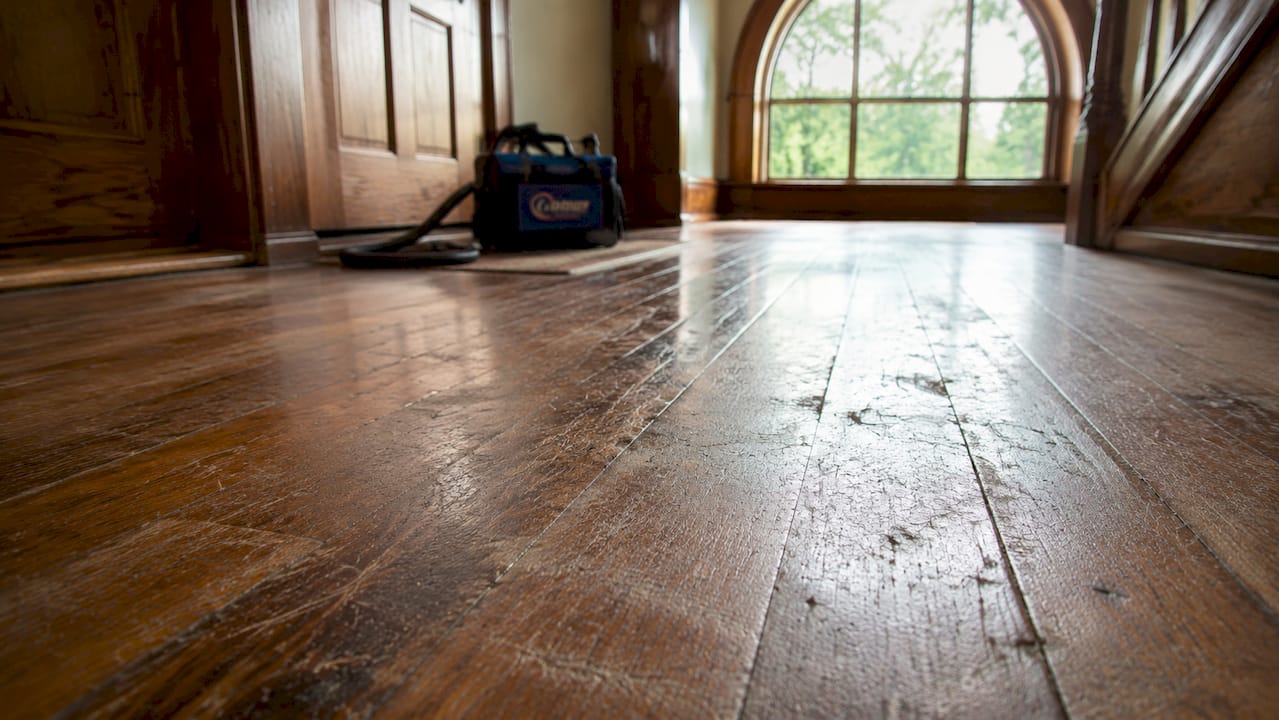
This psychological shortcut is powerful and hard to override with furniture or décor. Worn or mismatched floors lead buyers to assume hidden problems, from plumbing issues to structural concerns. That assumption mentally discounts the price they are willing to offer, often far beyond the actual cost of repair.
Flooring also shapes how buyers perceive space. Neutral, continuous floors make rooms feel larger and brighter. Broken transitions, mismatched materials, or heavy staining chop up the visual flow and make even a well-furnished home feel smaller and less inviting. Consistent flooring across main living areas enhances perceived space and improves the emotional connection buyers feel during a showing.
- Scratches and gouges signal deferred maintenance and invite lowball offers.
- Stains and discoloration distract buyers from the home’s strengths.
- Mismatched flooring between rooms breaks visual flow and shrinks perceived space.
- Dirty or dull surfaces make even a clean home feel tired and unloved.
Pro Tip: Walk through your home the way a buyer would. Start at the front door and look down. If the floor grabs your attention for the wrong reasons, it will grab theirs too.
How can homeowners prepare floors to maximize staging impact?
Floor preparation is the most cost-effective staging investment you can make. The good news is that you do not always need a full replacement to get a dramatic result. Most floors just need the right attention in the right order.
-
Deep clean every surface. Start with a professional deep clean to remove embedded dirt, grime, and residue. This alone can transform the look of hardwood, tile, and LVP floors. Professional cleaning and minor repairs are often more cost-effective and impactful than full replacements before staging.
-
Address spot repairs immediately. Fix loose boards, fill gaps, and repair cracked tiles before staging begins. Small defects look enormous in listing photos and during showings.
-
Refinish hardwood floors where needed. Refinishing is like giving your floors a spa day. It removes years of scratches and dullness and brings back the warmth buyers love. Hardwood refinishing typically costs $2–$8 per square foot, which is a fraction of full replacement cost, and delivers a high return on investment.
-
Prioritize entrance, hallways, and main living areas. These are the spaces buyers spend the most time in and photograph most often. Focus your floor preparation budget here first.
-
Check transitions between rooms. Uneven or mismatched transition strips are a small fix with a big visual payoff. Replace worn or broken strips to create a clean, continuous look.
-
Avoid covering problems with rugs alone. A rug placed over a damaged area draws attention to it. Fix the floor first, then use rugs to define spaces and add warmth.
Pro Tip: If you are unsure whether your floors need a full refinish or just a screen and recoat, call a professional for an assessment. The difference in cost is significant, and the right choice depends on the depth of wear.
Maintaining floors before selling your home is not just about aesthetics. It signals to buyers that the entire property has been cared for, which builds confidence and reduces negotiation pressure.
What flooring options offer the best appeal for staging?
The best flooring for staging is neutral, consistent, and in excellent condition. Buyers need to picture their own furniture and life in the space. Bold patterns, unusual colors, or heavily worn surfaces make that mental exercise harder.
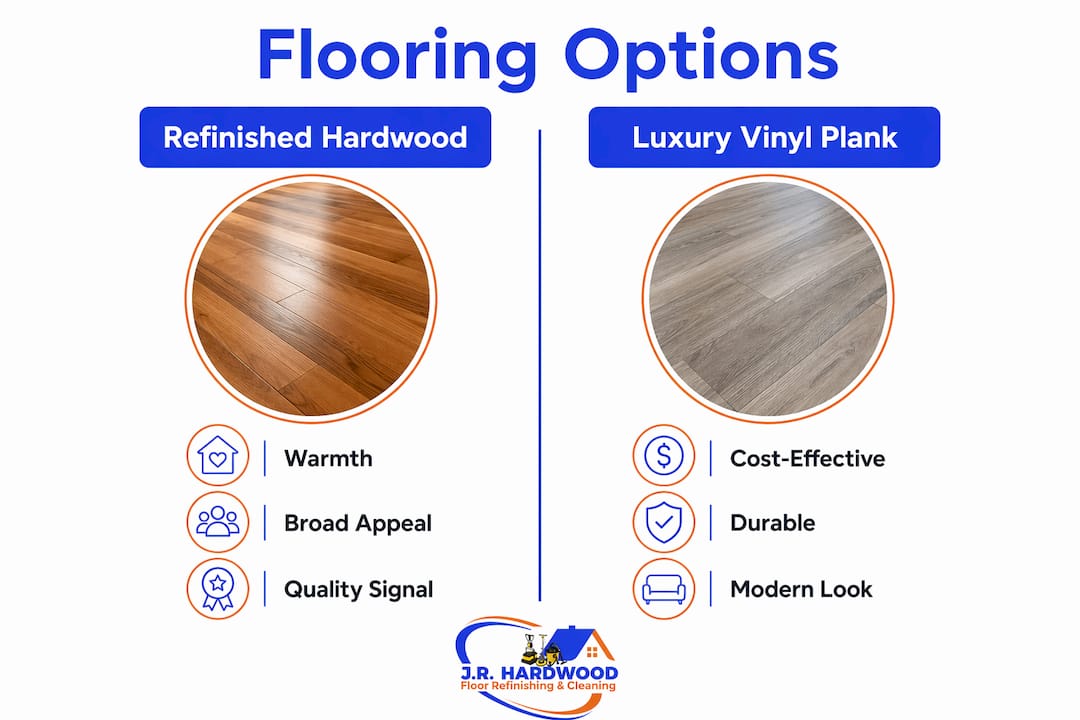
Refinished hardwood remains the gold standard. It creates warmth, signals quality, and has broad buyer appeal across price points. Homes with updated, neutral flooring sell for 2%–5% more than comparable homes with worn floors. Flooring is a “silent dealmaker” that emotionally connects buyers to a home and reduces their perceived future stress.
Luxury vinyl plank (LVP) is a strong alternative for sellers who need a full replacement on a budget. Modern LVP looks convincingly like hardwood, handles moisture well, and installs quickly. It delivers a consistent, clean visual that photographs beautifully and holds up during showings.
| Flooring type | Staging appeal | Cost range | Best use case |
|---|---|---|---|
| Refinished hardwood | Very high | $2–$8 per sq ft | Main living areas, bedrooms |
| Luxury vinyl plank (LVP) | High | $3–$7 per sq ft installed | Kitchens, basements, rentals |
| Laminate | Moderate | $2–$5 per sq ft installed | Budget-conscious full replacement |
| Area rugs over existing floors | Moderate | Varies | Defining zones, covering minor wear |
Visual continuity with neutral flooring outperforms sporadic use of premium materials that disrupt flow. One beautiful room with jarring transitions into a worn hallway does more harm than good. Consistency wins every time.
- Choose warm neutrals like light oak, honey, or greige tones for the widest buyer appeal.
- Avoid dark stains in small rooms. They absorb light and make spaces feel tight.
- Use area rugs to define dining and seating areas without interrupting the floor’s visual line.
How does floor condition influence staging ROI and time on market?
The financial case for floor preparation before listing is clear. Staging that includes floor presentation can increase offers by 1%–10% and 49% of agents report reduced time on market for staged homes. On a $500,000 home, even a 1% price increase covers most floor preparation costs entirely.
Buyers who notice damaged floors do not just mentally note the repair cost. They assume the number is higher than it is, and they use it as leverage in negotiation. Buyers assume poor floors imply broader neglect, and their mental discount often exceeds the actual repair cost. That is a costly assumption for sellers to let stand.
“Staging amplifies everything in a home. If the floors are in poor condition, staging makes that worse, not better. Fix the floors first, then stage around them.” — Flooring and staging professionals consistently agree on this point.
The cost versus value math strongly favors refinishing over replacement in most cases. Refinishing hardwood delivers high ROI compared to replacement and takes far less time. For sellers with a tight timeline, options like Instant UV-curable finishing can deliver a like-new result in a single day. Choosing the right floor refinishing approach based on your floor’s actual condition is the key to maximizing that return.
Partial staging focused on key rooms with clean floors and minimal décor yields strong buyer appeal on a budget. Concentrate on the kitchen, dining room, and main living area. These are the rooms buyers photograph, remember, and emotionally connect with most.
What are budget-friendly floor staging tips for sellers?
You do not need to spend a fortune to make your floors shine for a showing. Smart preparation beats expensive replacement almost every time.
- Clean thoroughly before anything else. A professional buff and clean on hardwood or a deep scrub on tile can remove years of buildup and restore significant shine at a low cost.
- Repair before you stage. Fix squeaky boards, replace cracked tiles, and fill gaps. These repairs cost very little but eliminate the red flags buyers notice immediately.
- Use area rugs with intention. Place rugs to define spaces and add warmth, not to hide damage. Buyers will lift rugs during showings. A rug over a damaged area signals a cover-up and destroys trust.
- Keep color neutral and consistent. If you are adding a rug, choose a tone that complements the floor rather than competing with it. Continuity is the goal.
- Avoid heavy furniture placement over floor damage. Staging that hides floor issues by contrast actually highlights them. Buyers notice what you are trying to hide.
Pro Tip: For a budget-friendly refresh on hardwood, ask about a screen and recoat service. It is faster and cheaper than a full refinish and works beautifully on floors with surface-level wear rather than deep scratches.
The best flooring for home resale is not always the most expensive option. It is the option that looks clean, consistent, and well-maintained on the day buyers walk through the door.
Key Takeaways
Floor condition is the foundation of effective home staging because it shapes buyer perception, negotiation confidence, and final sale price before a single piece of furniture is placed.
| Point | Details |
|---|---|
| First impressions start at the floor | Buyers judge overall home care from floor condition within seconds of entering. |
| Refinishing beats replacement for ROI | Hardwood refinishing at $2–$8 per sq ft delivers higher returns than full floor replacement in most cases. |
| Consistency matters more than premium materials | Neutral, continuous flooring across main areas builds buyer confidence and perceived space. |
| Staging amplifies floor flaws | Furniture and décor highlight poor floors by contrast. Fix floors before staging begins. |
| Focus budget on high-traffic rooms | Kitchen, dining, and living areas deliver the strongest staging ROI per dollar spent on floors. |
What I’ve learned from years of watching floors make or break a sale
I have walked through hundreds of homes before and after staging, and the pattern is always the same. The homes that sell fast and close strong are the ones where the floors were addressed first. Not the ones with the fanciest furniture or the most expensive light fixtures. The floors.
What surprises most sellers is how little it takes to shift a buyer’s emotional response. A screen and recoat on a dull hardwood floor can take a room from “needs work” to “move-in ready” in a single day. That shift in perception is worth far more than the cost of the service.
The mistake I see most often is sellers who stage around damaged floors, hoping buyers will not notice. They always notice. And when they do, they stop trusting everything else they see. A beautiful sofa sitting on a scratched, stained floor does not make the floor disappear. It makes the floor look worse by comparison.
My honest advice: treat your floors like the foundation of your staging plan, because they are. Get them assessed, get them cleaned, and get them refinished if they need it. Everything else you do to prepare your home for sale will look better because of it.
— J.R.
Your floors are ready to work harder for your sale
If you are preparing a home for listing in the Denver Metro Area or anywhere across Colorado, the condition of your floors is the first thing worth addressing. Jrhardwoodfloorrefinishingandcleaning offers free over-the-phone quotes based on verbal descriptions and photos, so you can get a clear picture of your options before committing to anything.
From a quick clean and buff to a full hardwood refinish using eco-friendly products and premium finishes, the team tailors every recommendation to your floor’s actual condition and your timeline. Whether you need a one-day result with Instant UV-curable finishing or a complete professional refinishing service, Jrhardwoodfloorrefinishingandcleaning delivers predictable, high-quality results that give your home the best possible foundation for a strong sale.
FAQ
Does floor condition really affect sale price?
Yes. Homes with updated, neutral flooring sell for 2%–5% more than comparable homes with worn floors, and buyers mentally discount far beyond actual repair costs when they see damage.
Should I refinish or replace floors before staging?
Refinishing is almost always the better choice for hardwood floors. It costs $2–$8 per square foot and delivers a high return, while full replacement costs significantly more and takes longer.
Can area rugs hide floor damage during staging?
No. Buyers lift rugs during showings, and a rug placed over damage signals a cover-up. Repair the floor first, then use rugs to define spaces and add warmth.
Which rooms should I prioritize for floor preparation?
Focus on the entrance, hallway, kitchen, dining room, and main living area. These spaces receive the most buyer attention and deliver the strongest staging ROI per dollar spent.
How does mismatched flooring affect buyer perception?
Mismatched flooring disrupts visual flow, makes spaces feel smaller and less inviting, and signals inconsistent home maintenance to buyers.