 Skip to content
Scratches and stains from pet paws are a reality for many American homeowners with hardwood floors in the Denver Metro Area. Keeping your wood surfaces beautiful and durable often feels impossible, especially when quick walkability and eco-friendly methods matter to your family’s daily routine. This guide reveals practical restoration tips designed for busy homes and pet owners, focusing on safe products, immediate results, and proven strategies to help your floors last longer while looking their best.
Table of Contents
- Assess Floor Type And Finish Before Starting
- Schedule A Free Expert Consultation With Photos
- Use Eco-Friendly Cleaners For Safe Preparation
- Choose The Right Restoration Method For Your Needs
- Plan Furniture Moving And Room Preparation
- Opt For Fast-Drying UV Or Screen And Recoat Solutions
- Maintain Floors Longer With Regular Cleaning Routines
Quick Summary
| Key Message | Explanation |
|---|---|
| 1. Assess Your Floor Type | Identify if your hardwood is solid, engineered, or composite to choose the right restoration strategy. |
| 2. Schedule a Free Consultation | Share detailed photos of your floor to receive tailored restoration advice from professionals without costs. |
| 3. Use Eco-Friendly Cleaners | Select environmentally safe cleaning products to protect your wood floors and maintain a healthy home environment. |
| 4. Choose Appropriate Restoration Methods | Different levels of damage require specific approaches like recoat, sanding, or full refinishing to restore your floors effectively. |
| 5. Prepare Rooms Properly | Move furniture and protect adjacent areas to ensure a smooth restoration process and avoid damage to surrounding space. |
1. Assess Floor Type and Finish Before Starting
Before diving into hardwood restoration, understanding your specific floor type and existing finish is absolutely critical. Different wood surfaces demand unique approaches, and a one size fits all method could potentially damage your valuable flooring.
Hardwood floors typically fall into three primary categories: solid wood, engineered wood, and composite engineered wood. Each type requires a specialized restoration strategy based on its structural composition and surface characteristics. Wood flooring types vary significantly in their sanding capabilities and finish absorption rates.
To properly assess your floor, start by carefully examining the surface texture, existing finish, and wood grain pattern. Look for signs of wear, scratches, discoloration, or previous refinishing attempts. Are there multiple layers of old finish? Is the wood solid or engineered? These details will dramatically influence your restoration approach.
Professional restoration begins with thorough cleaning and inspection. Remove all furniture, sweep meticulously, and use a professional cleaning solution designed for wood surfaces. Pay close attention to high traffic areas, which often require more intensive treatment.
Key Assessment Steps:
- Identify wood species
- Determine finish type (polyurethane, wax, oil)
- Check wood thickness for potential sanding
- Evaluate overall floor condition
- Measure moisture content
Pro tip: Conduct a small test patch in an inconspicuous area to verify your restoration approach before treating the entire floor surface.
2. Schedule a Free Expert Consultation With Photos
Navigating hardwood floor restoration can feel overwhelming, but a free expert consultation can transform your approach from guesswork to precision. Modern technology now allows homeowners to receive professional assessments without leaving their living room.
Wood flooring professionals recommend sharing detailed photographs during initial consultations. These images provide critical insights into your floor’s specific condition, enabling experts to diagnose potential issues and recommend targeted restoration strategies.
What to Prepare for Your Consultation:
- Clean, well lit photos of entire floor surface
- Close up images of problem areas
- Measurements of room dimensions
- Information about existing floor finish
- Age and history of flooring
Photographs should capture multiple angles and lighting conditions. Shoot wide shots showing entire rooms, plus detailed close ups highlighting scratches, wear patterns, or discoloration. Professionals can analyze these visual details to craft a precise restoration plan tailored specifically to your hardwood floors.
Most reputable flooring companies now offer complimentary remote consultations. This approach saves time, reduces unnecessary site visits, and provides homeowners with expert guidance without financial commitment.
Key Consultation Benefits:
- Free professional assessment
- Customized restoration recommendations
- Accurate cost estimates
- Identification of potential issues
- Expert technical guidance
Pro tip: Organize your floor photos in a clear, well labeled digital folder to streamline the consultation process and demonstrate your preparedness to potential restoration experts.
3. Use Eco-Friendly Cleaners for Safe Preparation
Preparing your hardwood floors for restoration begins with choosing the right cleaning approach that protects both your floors and your home environment. Sustainable restoration practices emphasize the critical importance of using environmentally responsible cleaning agents.
Traditional chemical cleaners often contain harsh solvents that can damage wood fibers and compromise your floor’s structural integrity. Eco-friendly alternatives offer a safer solution that preserves your flooring while maintaining indoor air quality and minimizing environmental impact.
Key Benefits of Eco-Friendly Cleaners:
- Protect wood surface integrity
- Reduce harmful chemical exposure
- Maintain indoor air quality
- Biodegradable and environmentally responsible
- Safe for homes with children and pets
When selecting an eco-friendly cleaner, look for products specifically formulated for hardwood surfaces. Natural ingredients like plant based enzymes, vegetable derived solvents, and mineral compounds can effectively remove dirt and grime without causing damage.
Recommended Cleaning Ingredients:
- White vinegar
- Olive oil soap
- Lemon juice
- Vegetable based surfactants
- Mineral spirits
Careful preparation ensures your hardwood floors will absorb new finishes more effectively and maintain their natural beauty for years to come. Always test new cleaning products on a small inconspicuous area first to verify compatibility with your specific wood surface.
Pro tip: Mix your own eco friendly wood cleaner by combining one cup of white vinegar with one gallon of warm water for a safe, effective, and budget friendly floor preparation solution.
4. Choose the Right Restoration Method for Your Needs
Restoring hardwood floors is not a one size fits all process. Different levels of wear and damage require specific approaches to bring your floors back to life.
Restoration methods range widely depending on your floor’s unique condition and your aesthetic goals. Understanding the spectrum of restoration techniques can save you time, money, and potential damage to your precious hardwood surfaces.
Restoration Method Categories:
- Screen and Recoat
- Light Sanding
- Full Sanding
- Localized Spot Repairs
- Complete Refinishing
Screen and recoat works best for floors with minimal surface wear. This method involves lightly buffing the existing finish and applying a fresh protective coat. It is quick, cost effective, and ideal for maintaining floors with superficial scratches or dull appearances.
When to Choose Each Method:
- Screen and Recoat: Minor surface scratches and wear
- Light Sanding: Moderate finish deterioration
- Full Sanding: Deep scratches, significant wear, or color change desired
- Spot Repairs: Isolated damage areas
- Complete Refinishing: Extensively damaged or aged floors
Careful assessment of your floor’s condition determines the most appropriate restoration strategy. Factors like wood species, existing finish type, age of flooring, and extent of damage all play crucial roles in selecting the right approach.
Pro tip: Consult a professional hardwood floor specialist to conduct a thorough evaluation and recommend the most suitable restoration method for your specific flooring scenario.
5. Plan Furniture Moving and Room Preparation
Restoration success starts long before the first sander touches your floor. Proper room preparation can make the difference between a smooth project and a potential disaster.
Effective restoration planning requires strategic furniture moving and comprehensive room protection. Your goal is creating an unobstructed workspace that minimizes potential damage and maximizes efficiency.
Pre-Restoration Room Preparation Checklist:
- Remove all furniture completely
- Clear out area rugs and floor coverings
- Protect adjacent walls and doorways
- Cover heating and cooling vents
- Seal off other rooms to prevent dust spread
- Create clear pathways for equipment
Carefully plan your furniture storage strategy. Consider renting a portable storage unit or designating a clean dry space like a garage or basement where items can remain protected during the restoration process. Fragile or valuable pieces should be wrapped in protective moving blankets and stored away from potential dust or damage.
Protective Measures:
- Use plastic sheeting to cover walls
- Apply painter’s tape to baseboards
- Close interior doors
- Remove window treatments
- Temporarily relocate artwork and wall hangings
Thoroughly cleaning the room before restoration begins helps reduce potential contamination. Vacuum and dust thoroughly, paying special attention to baseboards and corners where debris tends to accumulate.
Pro tip: Take detailed photographs of your furniture layout before moving items, which will help you return everything precisely to its original position after floor restoration is complete.
6. Opt for Fast-Drying UV or Screen and Recoat Solutions
Time is precious, and modern hardwood restoration technologies understand that. Innovative finishing techniques now offer homeowners quick solutions that minimize disruption and maximize efficiency.
UV-cured finishes and screen and recoat methods represent the cutting edge of hardwood floor restoration. These approaches dramatically reduce downtime, allowing you to return to your normal living space faster than traditional refinishing methods.
Advantages of Fast-Drying Solutions:
- Minimal room closure time
- Reduced dust exposure
- Faster project completion
- Lower environmental impact
- Immediate floor usability
UV finishing technology uses specialized ultraviolet light to instantly cure protective coatings. Unlike traditional finishes that require hours or days of drying, UV treatments create an immediate hard surface that is ready for foot traffic within minutes.
Screen and Recoat Benefits:
- Light surface restoration
- Preserves existing floor structure
- Cost effective solution
- Quick application process
- Extends floor lifespan
Screen and recoat methods involve lightly buffing the existing finish and applying a fresh protective layer. This technique works perfectly for floors with minor wear and provides a renewed appearance without full sanding.
Recommended Applications:
- Moderate surface scratches
- Dull finish restoration
- High traffic area maintenance
- Periodic floor refresh
- Preventative floor care
Pro tip: Confirm your specific floor type and condition with a professional before selecting a UV or screen and recoat restoration method to ensure optimal results.
7. Maintain Floors Longer With Regular Cleaning Routines
Your hardwood floors are an investment that requires consistent care to preserve their beauty and durability. Regular maintenance routines can dramatically extend the life of your flooring and prevent costly future repairs.
Consistent cleaning is not about aggressive scrubbing but strategic, gentle approaches that protect your floor’s finish and structural integrity. Understanding the right techniques can transform your maintenance strategy from reactive to proactive.
Essential Weekly Cleaning Steps:
- Dust mop or soft sweep entire surface
- Use microfiber cleaning pads
- Remove debris without scratching
- Avoid standing water
- Use manufacturer recommended cleaners
The key to effective hardwood floor maintenance is minimizing moisture while removing dirt and preventing surface scratches. Microfiber mops and specialized wood floor cleaning solutions work best for capturing dust and light grime without introducing excessive liquid.
Recommended Cleaning Tools:
- Microfiber dust mop
- Soft bristle broom
- Specialized wood floor cleaner
- Microfiber cleaning pads
- Soft cloth for spot cleaning
Address spills immediately to prevent potential water damage or staining. Blot liquids with a soft dry cloth rather than wiping, which can spread the moisture and potentially damage the finish.
Cleaning Frequency Guidelines:
- Daily light dust mopping
- Weekly thorough cleaning
- Monthly deep cleaning
- Immediate spill management
- Seasonal professional maintenance
Pro tip: Place protective felt pads under furniture legs and use walk off mats at entryways to reduce dirt accumulation and minimize potential surface scratches.
Below is a comprehensive table summarizing the main points and strategies discussed throughout the article on hardwood floor restoration.
| Topic | Key Details | Considerations |
|---|---|---|
| Floor Type and Finish Assessment | Examine floor texture, grain pattern, and finish type; assess thickness and condition; clean surface thoroughly. | Conduct a test patch to verify approach and prepare the floor properly. |
| Expert Consultation Preparation | Provide photos of floor conditions, room dimensions, and finish details during the consultation. | Use organized labeled folders for presenting photos to experts. |
| Eco-Friendly Cleaning | Employ sustainable cleaners made from natural ingredients like vinegar, mineral spirits, or plant-based solvents. | Test cleaner compatibility on a small area first to protect wood integrity. |
| Restoration Methodology | Select restoration methods based on floor condition: screening, sanding, repairs, or refinishing as needed. | Seek professional evaluation to choose an optimal method. |
| Room Preparation | Remove furniture, cover walls and vents, and protect adjacent spaces to create a suitable workspace. | Document furniture layout for easy reorganization post-restoration. |
| Fast-Drying Solutions | Use UV-cured finishes or screen and recoat methods for quick project completion and minimal disruption. | Confirm floor suitability for selected method. |
| Long-term Maintenance | Regularly clean using dust mops, microfiber pads, and appropriate cleaners to preserve floors. | Avoid excess moisture and address spills promptly to maintain finish condition. |
Bring Your Hardwood Floors Back to Life with Expert Care
Restoring hardwood floors can be a complex challenge that involves assessing your floor type, choosing the right restoration method, and using eco-friendly products to protect your investment. If you want to avoid costly mistakes and achieve the stunning results highlighted in the “7 Essential Hardwood Restoration Tips for 2025 Homeowners,” professional guidance is key. At J.R. Hardwood Floor Refinishing & Cleaning, we specialize in tailored solutions from full sanding and refinishing to quick screen and recoat services that preserve your wood’s natural beauty while extending its life.
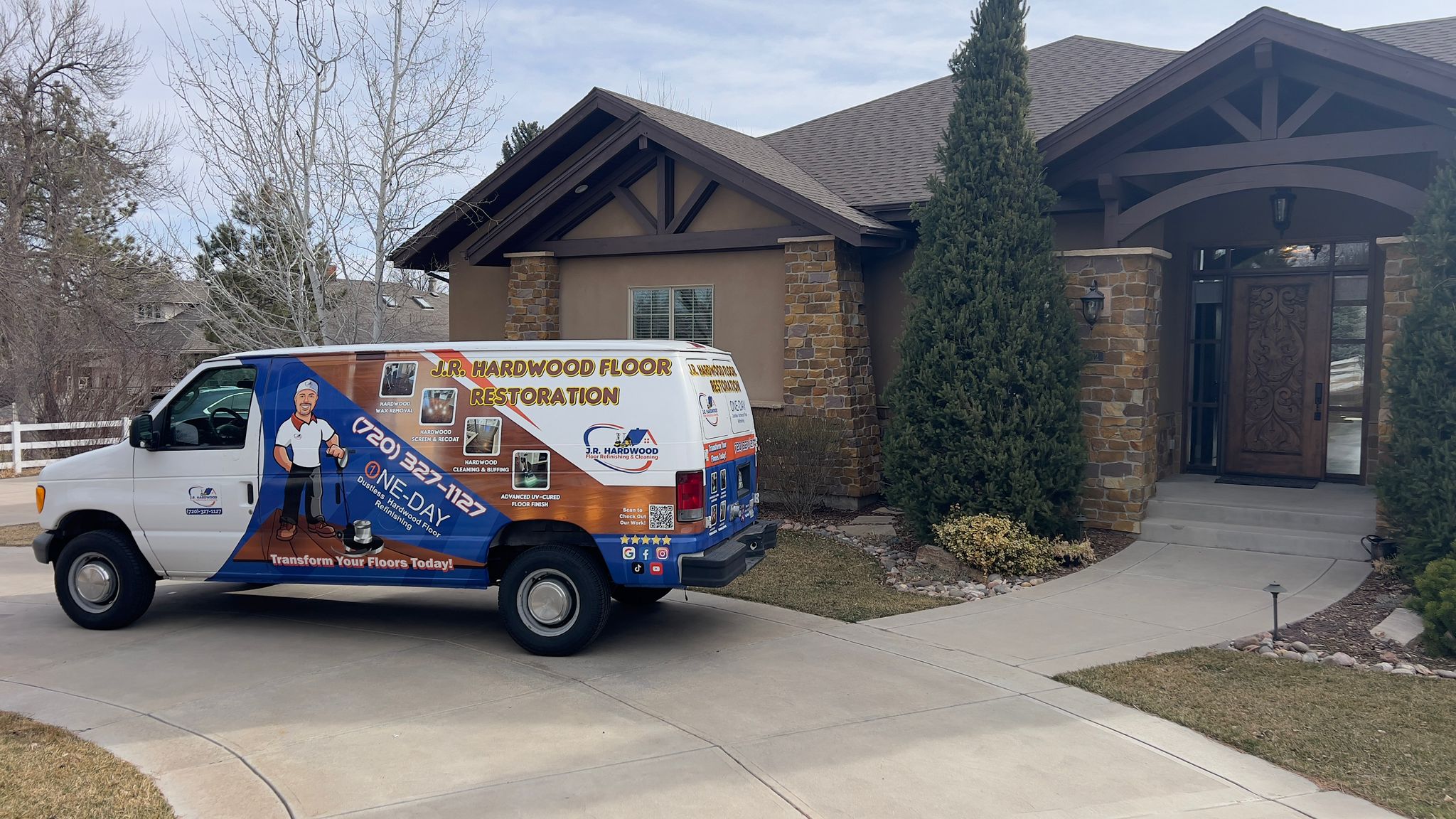
Ready to transform your hardwood floors with trusted expertise and modern technology? Visit our website for a free consultation and explore our comprehensive services designed for Denver Metro and Colorado communities. Don’t wait until wear and damage worsen. Discover how our award-winning craftsmanship and eco-friendly methods can deliver like-new results today. Learn more in our Uncategorized Archives and get started at J.R. Hardwood Floor Refinishing & Cleaning.
Frequently Asked Questions
How do I assess my hardwood floor type before restoration?
To assess your hardwood floor type, examine the surface texture and existing finish. Identify if your floor is solid wood, engineered wood, or composite engineered wood, and look for signs of wear and previous refinishing attempts.
What should I include in photos for a flooring consultation?
For a flooring consultation, include clean, well-lit photos of the entire floor as well as close-up shots of problem areas. Capture multiple angles and measurements to help professionals assess the specific condition of your hardwood floors.
What are eco-friendly cleaners and why should I use them?
Eco-friendly cleaners are formulations designed to clean wood surfaces without harsh chemicals that can damage the floor. Using these cleaners protects wood integrity, reduces harmful exposure, and supports a healthier indoor environment, particularly in homes with kids or pets.
When should I choose a screen and recoat method for my floors?
Opt for a screen and recoat method when your hardwood floors show only minor surface scratches and wear. This approach involves buffing the existing finish and applying a new coat, making it a quick and cost-effective solution.
How can I prepare my room for hardwood floor restoration?
Prepare your room for restoration by completely removing all furniture, area rugs, and floor coverings. Additionally, protect adjacent walls and create clear pathways for equipment to ensure a smooth restoration process.
What maintenance routines can help prolong the life of my hardwood floors?
To prolong the life of your hardwood floors, establish a consistent cleaning routine that includes dust mopping or sweeping weekly. Address spills immediately and consider seasonal professional maintenance to keep your floors in top condition.