 Skip to content
Pets bring energy and warmth into your home, but they can also put your hardwood floors at risk. Scratches from excited paws, spills near water bowls, and dirt tracked in from outside are common headaches for any pet owner with beautiful wood floors. Protecting your investment does not mean sacrificing your pet’s freedom.
With the right approach, you can minimize the effects of pet traffic and everyday messes on your hardwood floors. You’re about to discover practical steps that not only prevent damage but also keep your living space healthy for both your family and pets.
From protective entryway solutions to smart cleaning habits, these strategies are designed to keep your floors looking their best. Get ready to learn exactly what pet owners can do to maintain strong, beautiful hardwood floors without constant worry.
Table of Contents
- 1. Use Door Mats And Area Rugs For Entryways
- 2. Trim Pet Nails Regularly To Prevent Scratches
- 3. Clean Spills Quickly To Avoid Water Damage
- 4. Place Furniture Pads Under Heavy Pieces
- 5. Implement A Regular Cleaning Routine
- 6. Consider A Dustless Screen And Recoat
- 7. Select Pet-Friendly, Durable Floor Finishes
Quick Summary
| Takeaway | Explanation |
|---|---|
| 1. Use mats and rugs for protection | Strategically placed door mats and area rugs prevent dirt, moisture, and scratches from damaging hardwood floors. |
| 2. Trim pet nails regularly | Regular nail maintenance reduces scratching risk and improves pets’ mobility, protecting your floors in the process. |
| 3. Clean spills promptly | Addressing liquid spills immediately prevents moisture damage, swelling, and staining on hardwood surfaces. |
| 4. Use furniture pads | Putting pads under heavy furniture protects floors from scratches and indentations caused by pets and moving furniture. |
| 5. Establish a cleaning routine | Regular sweeping and vacuuming removes damaging debris, maintaining the floor’s appearance and integrity over time. |
1. Use Door Mats and Area Rugs for Entryways
Protecting your hardwood floors from pet-related damage starts right at the entrance with strategic use of door mats and area rugs. These simple accessories act as your first line of defense against dirt, moisture, and potential scratches that can compromise your beautiful flooring.
When you select the right entryway protection, you create a crucial barrier that prevents outdoor debris from directly contacting your hardwood surfaces. Dogs and cats track in all kinds of particles that can scratch or wear down floor finishes – think mud, small rocks, and sand.
Here are key benefits of using door mats and area rugs:
- Trap dirt and moisture before it reaches hardwood surfaces
- Reduce potential scratching from pet paws and outdoor debris
- Minimize wear and tear on floor finishes
- Improve overall indoor air quality
When choosing mats and rugs, prioritize materials that are pet-friendly and non-toxic. Natural fiber rugs like wool and cotton work best for trapping dirt while remaining safe for pets and humans.
Place mats strategically at all exterior doors and high-traffic areas where pets frequently enter or exit. Consider using washable mats that you can clean regularly to maintain their effectiveness.
A clean mat is your hardwood floor’s best friend against potential pet-related damage.
Pro tip: Wash and rotate your entryway mats every 1-2 weeks to maintain maximum dirt-trapping efficiency and prevent debris buildup.
2. Trim Pet Nails Regularly to Prevent Scratches
One of the most effective ways to protect your hardwood floors from potential damage is by keeping your pet’s nails neatly trimmed and maintained. Unchecked nail growth can turn your furry friend’s innocent walk across the floor into a potential scratch fest for your beautiful hardwood surfaces.
Responsible pet grooming practices are crucial for both floor protection and your pet’s overall health. Long nails not only increase the risk of floor scratches but can also cause discomfort and potential health issues for your pet.
Why nail trimming matters for hardwood floor protection:
- Reduces direct scratching impact on floor surfaces
- Minimizes potential gouging and scraping when pets walk
- Improves pet’s overall mobility and comfort
- Prevents accidental floor damage during play
Veterinary experts recommend introducing nail trimming early and making it a positive experience for your pet. This approach helps reduce stress and makes the process easier for both you and your animal companion.
Regular nail maintenance is your first line of defense against hardwood floor damage.
Tips for successful nail trimming:
- Start with short, gentle trimming sessions
- Use pet-specific nail clippers designed for your animal’s size
- Reward your pet with treats and praise after each successful trim
- If unsure consult a professional groomer or veterinarian
Pro tip: Aim to trim your pet’s nails every 2-4 weeks or when you can hear them clicking on hard surfaces to maintain optimal floor protection.
3. Clean Spills Quickly to Avoid Water Damage
When you have pets in your home hardwood floors require extra attention especially when it comes to liquid spills. Water and moisture can be silent destroyers of beautiful hardwood surfaces causing warping discoloration and potentially permanent damage if not addressed immediately.
Proper spill management is crucial for maintaining the integrity and appearance of your hardwood floors. Pets can accidentally create moisture-related challenges through water bowl spills urine accidents or tracking in wet conditions from outside.
Key reasons to clean spills instantly:
- Prevents wood fiber swelling
- Stops potential permanent staining
- Protects floor finish integrity
- Reduces risk of long-term structural damage
Pet-specific stain treatments are especially important for addressing accidents. Enzyme-based cleaners work effectively to eliminate both stains and odors without compromising your floor’s protective finish.
Seconds matter when protecting your hardwood floors from moisture damage.
Spill cleaning steps for pet owners:
- Use a dry microfiber cloth first
- Follow with a slightly damp cloth if needed
- Avoid saturating the wood surface
- Dry completely after cleaning
- Use pet-specific enzymatic cleaners for accidents
Pro tip: Keep a designated microfiber cloth and pet-safe hardwood floor cleaner in an easily accessible spot near areas where your pets frequently spend time.
4. Place Furniture Pads Under Heavy Pieces
One wrong move with a heavy piece of furniture can turn your beautiful hardwood floors into a landscape of unsightly scratches and permanent indentations. Pet owners face an additional challenge with furniture movement as active animals can cause unexpected shifts and potential floor damage.
Protective floor strategies are crucial for maintaining the integrity of your hardwood surfaces. Furniture pads act as a critical barrier between heavy furniture legs and your delicate floor finish.
Key benefits of using furniture pads:
- Prevents permanent floor indentations
- Reduces scratching during furniture movement
- Distributes weight evenly across floor surface
- Minimizes potential damage from pet-related furniture shifts
Proper floor underlayment contributes to overall floor durability and protection. The right padding helps absorb impact and protect your hardwood from the constant stress of furniture and pet activity.
Protecting your floor is easier than repairing permanent damage.
Furniture pad selection tips:
- Choose pads specific to your floor type
- Measure furniture leg sizes accurately
- Replace pads when they show wear
- Clean floor surfaces before applying pads
- Check and adjust pads periodically
Pro tip: Invest in high-quality felt or silicone furniture pads and replace them annually to ensure maximum floor protection and prevent unexpected scratching.
5. Implement a Regular Cleaning Routine
A consistent cleaning routine is your secret weapon in protecting hardwood floors from the daily wear and tear caused by pets. Pet hair dust and microscopic debris can act like sandpaper gradually wearing down your floor’s protective finish if left unchecked.
Professional cleaning recommendations emphasize the importance of regular maintenance to preserve hardwood surfaces. Frequent cleaning removes potentially damaging particles before they can scratch or degrade your flooring.
Benefits of a structured cleaning routine:
- Prevents dirt buildup
- Reduces potential scratching
- Maintains floor’s protective finish
- Improves overall indoor air quality
Home hygiene standards highlight the importance of consistent surface cleaning. For pet owners this means addressing floor maintenance more frequently to combat additional hair and dirt.
Consistent care prevents costly floor repairs.
Recommended cleaning steps for pet owners:
- Sweep or vacuum at least 3-4 times weekly
- Use soft-bristled attachments to prevent scratching
- Microfiber mops work best for light cleaning
- Avoid wet mopping hardwood surfaces
- Clean up pet hair immediately
Pro tip: Invest in a lightweight vacuum with soft pet hair attachments and establish a weekly cleaning schedule to make maintenance feel less like a chore and more like routine care.
6. Consider a Dustless Screen and Recoat
Pet owners know how quickly hardwood floors can show wear from constant animal traffic scratches and daily activity. A dustless screen and recoat offers a revolutionary solution to restore your floors without the traditional mess of complete refinishing.
Professional floor maintenance techniques provide an efficient way to extend your hardwood floor’s lifespan and appearance. This process involves lightly abrading the existing floor finish and applying a fresh protective layer without extensive sanding.
Key advantages of dustless screen and recoat:
- Minimizes floor disruption
- Reduces dust and cleanup time
- Restores floor’s protective finish
- Cost-effective alternative to full refinishing
- Extends floor durability
National wood flooring standards recommend this method for maintaining hardwood surfaces in high-traffic areas especially those with pets. The technique works perfectly for floors showing light wear but not requiring complete restoration.
A single screen and recoat can add years to your hardwood floor’s life.
Consider screen and recoat when you notice:
- Slight surface scratches
- Dull floor appearance
- Minor wear in high-traffic areas
- Loss of floor’s original shine
- Minimal damage to wood surface
Pro tip: Schedule a professional screen and recoat service annually to maintain your hardwood floors and prevent more extensive damage from pet-related wear.
7. Select Pet-Friendly, Durable Floor Finishes
Choosing the right floor finish can be the difference between a beautiful hardwood floor that withstands pet activity and one that quickly shows wear and damage. Your floor’s protective layer is its first defense against scratches moisture and daily pet-related challenges.
Professional flooring standards emphasize the critical role of selecting high-performance finishes that resist pet-related damage while maintaining aesthetic appeal. Not all floor finishes are created equal especially when furry friends are part of your household.
Key characteristics of pet-friendly floor finishes:
- High scratch resistance
- Moisture repellent properties
- Low volatile organic compound (VOC) content
- Quick drying and curing time
- Durable against pet traffic
A comprehensive approach to selecting floor finishes involves understanding your specific household needs. Factors like pet size breed and activity level play significant roles in determining the most suitable finish.
The right finish protects your floor and preserves your home’s beauty.
Finish selection considerations:
- Evaluate your pet’s size and activity level
- Consider traffic patterns in your home
- Check finish durability ratings
- Prioritize low-toxicity options
- Consult professional floor specialists
Pro tip: Request samples of different floor finishes and test their durability by simulating pet traffic conditions before making a final selection.
Below is a comprehensive table summarizing the strategies and key recommendations for protecting hardwood floors in homes with pets as detailed in the article.
| Topic | Details | Benefits |
|---|---|---|
| Use Door Mats and Area Rugs | Place at entryways to trap dirt and moisture before reaching floors; select pet-safe materials. | Reduces scratches and dirt accumulation. |
| Trim Pet Nails | Regularly maintain pet nail length using proper techniques and tools. | Prevents scratches and improves pet comfort. |
| Clean Spills Quickly | Address any liquid spills promptly using microfiber cloths and enzymatic cleaners. | Avoids water damage and staining. |
| Place Furniture Pads | Use pads under heavy furniture to distribute weight and minimize movement. | Prevents indentations and scratches. |
| Regular Cleaning Routine | Sweep or vacuum frequently using soft-bristled attachments and microfiber mops. | Maintains finish and cleanliness. |
| Dustless Screen and Recoat | Periodically refinish floors to restore protective finishes and address minor wear. | Extends floor durability and appearance. |
| Select Durable Finishes | Choose floor finishes with high durability, moisture resistance, and low toxicity. | Enhances floor longevity and withstands pet activity. |
Protect Your Hardwood Floors from Pet Damage with Expert Care
Pets bring joy and companionship but can also put your hardwood floors at risk with scratches, moisture, and everyday wear highlighted in the article “7 Best Hardwood Floor Protection Methods for Pet Owners”. If you want to guard your flooring against these common challenges like nail scratches, moisture damage, and heavy traffic wear you need proven solutions designed specifically for pets and hardwood surfaces.
At J.R. Hardwood Floor Refinishing & Cleaning we specialize in protecting and restoring hardwood floors throughout the Denver Metro Area and Colorado communities. From expert screen and recoat treatments that refresh your floor’s finish to full sanding and refinishing that address deep wear caused by pet activity we provide tailored care to extend your floors’ life. Using eco-friendly products and premium finishes we eliminate scratches, stains, and dullness that pets can cause while preserving the beauty of your hardwood.
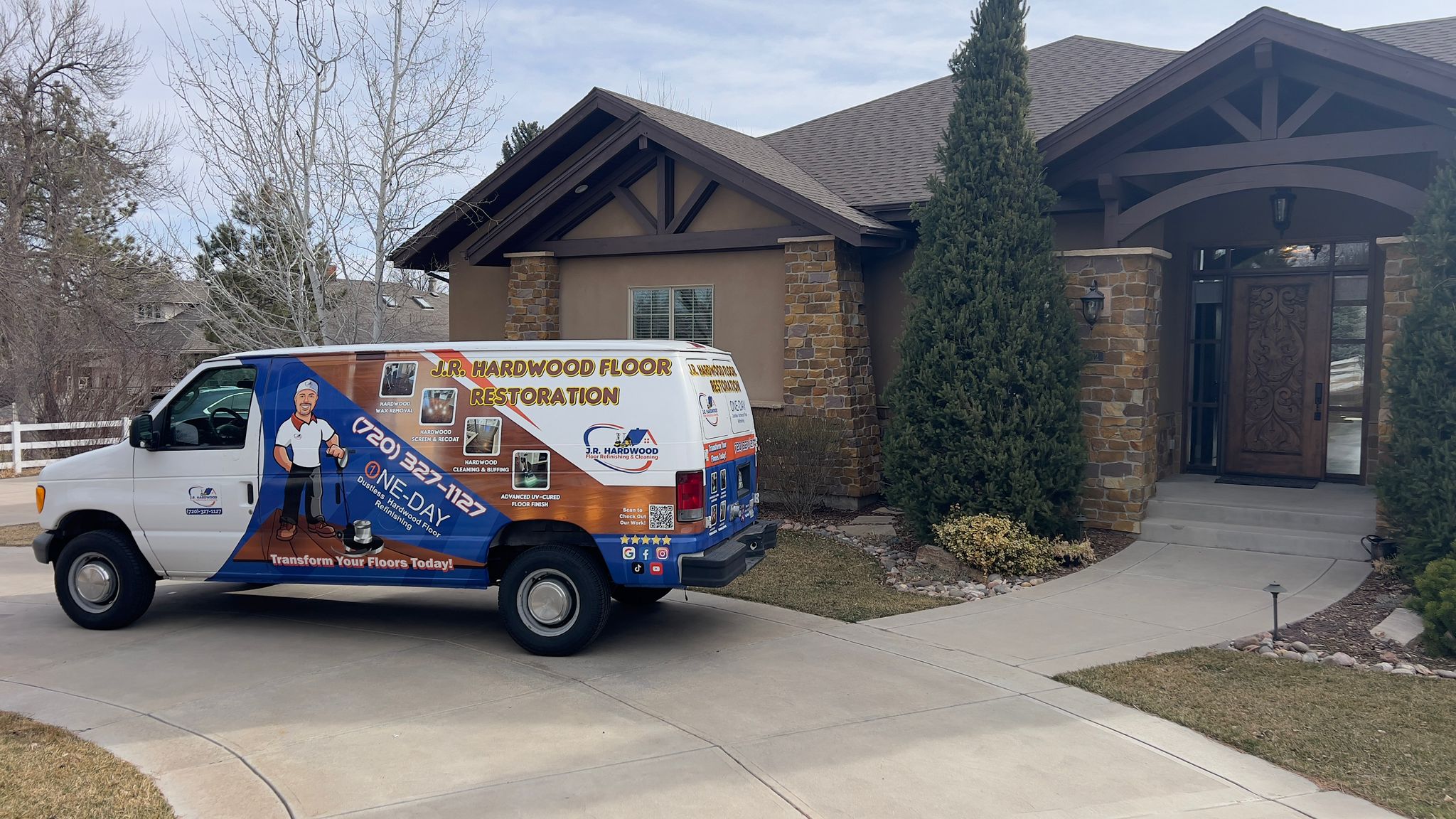
Don’t wait for irreversible damage to take hold. Visit J.R. Hardwood Floor Refinishing & Cleaning today to get your free personalized quote and expert guidance on protecting your floors against the realities of pet ownership. Explore how our professional refinishing and maintenance services deliver lasting results that keep your floors looking like new despite active pets at home.
Frequently Asked Questions
How can I effectively protect my hardwood floors from pet scratches?
To protect your hardwood floors from pet scratches, regularly trim your pet’s nails and use door mats or area rugs at entryways. Establish a routine to check your pet’s nails every 2-4 weeks and place mats at all high-traffic areas to trap dirt and moisture.
What steps should I take if my pet spills water on the hardwood floor?
If your pet spills water on the hardwood floor, clean it up immediately using a dry microfiber cloth followed by a slightly damp cloth. This will help prevent wood fiber swelling and potential permanent damage.
How often should I clean my hardwood floors to keep them safe from my pets?
Aim to clean your hardwood floors at least 3-4 times a week to prevent dirt buildup and reduce scratching. Establish a weekly cleaning schedule to make maintenance easier and more routine.
What type of furniture pads should I use to protect my floors from weight?
Using high-quality felt or silicone furniture pads is recommended to protect your floors from heavy furniture. Measure your furniture leg sizes accurately and replace pads annually to ensure maximum protection against scratches and indentations.
When is the right time to consider a dustless screen and recoat for my floors?
Consider a dustless screen and recoat when you notice slight surface scratches or a dull appearance on your hardwood floors. Schedule this process annually to maintain a fresh protective layer and extend your floor’s lifespan.
What features should I look for in pet-friendly hardwood floor finishes?
Opt for hardwood floor finishes that offer high scratch resistance and moisture repellent properties. Check for low volatile organic compound (VOC) content and a quick drying time to ensure durability against your pet’s activity.