 Skip to content
Scratches, fading, and worn finishes are common signs your hardwood floors need attention, especially in high-traffic parts of the Denver Metro Area. Choosing the right restoration method matters not just for your floor’s look, but how long it lasts and how environmentally friendly the process will be. By learning the most important floor restoration terms, you can feel confident asking questions and selecting proven, sustainable refinishing solutions that preserve both your investment and historic character.
Table of Contents
- Defining Floor Restoration Terms And Concepts
- Types Of Restoration Processes Explained
- Finishing Options: Gloss, Satin, Matte, And More
- Screen And Recoat Vs. Full Sanding Methods
- Common Mistakes And How To Avoid Them
Key Takeaways
| Point | Details |
|---|---|
| Understanding Restoration Techniques | Various methods like screening, refinishing, and resurfacing address different floor conditions and damage levels. Selecting the appropriate technique requires professional evaluation and knowledge of wood properties. |
| Finish Selection Matters | Choosing the right finish—gloss, semi-gloss, satin, or matte—impacts the floor’s appearance and maintenance needs. Consider factors like room traffic and desired aesthetics when making a selection. |
| Assessment Before Restoration | A thorough assessment of the wood floor condition is essential to determine the most effective and cost-efficient restoration approach. Regular evaluations can help prevent issues and extend floor life. |
| Avoid Common Mistakes | Key mistakes include inadequate moisture assessment and improper surface preparation. Hiring professionals and using appropriate techniques ensure successful restoration outcomes. |
Defining Floor Restoration Terms and Concepts
Floor restoration represents a sophisticated process of revitalizing wood surfaces through targeted interventions that repair, refinish, and protect hardwood flooring. Restoration techniques involve carefully selected methods designed to address various types of surface damage and wear.
Understanding key terminology helps homeowners make informed decisions about their wood floor maintenance. Refinishing involves completely sanding down the existing wood surface and applying new protective coatings, while screening represents a lighter maintenance technique that buffs the existing finish without removing significant wood material. Resurfacing typically means addressing more extensive surface damage through comprehensive repair strategies.
Professional floor restoration professionals recognize multiple intervention levels, ranging from basic cleaning and buffing to complete structural rehabilitation. Each technique requires specialized knowledge about wood grain, finish compatibility, and surface preparation. Some common processes include deep cleaning, scratch repair, color restoration, protective sealing, and structural stabilization.
Pro tip: Before scheduling any floor restoration service, request a detailed assessment of your specific wood surface to determine the most appropriate and cost-effective intervention strategy.
Types of Restoration Processes Explained
Hardwood floor restoration encompasses multiple sophisticated processes designed to address different levels of surface damage and wear. Floor sanding techniques represent a fundamental approach to revitalizing wood surfaces, involving precise mechanical interventions that remove damaged layers and prepare floors for renewed protection.
The primary restoration processes can be categorized into several distinct methods: screening, which involves light buffing of the existing finish; refinishing, a more comprehensive process that completely removes the old finish and applies new protective coatings; and resurfacing, which addresses more extensive structural damage. Each technique requires specialized equipment and technical expertise to ensure optimal results. Professionals assess factors like wood species, existing damage, and desired aesthetic outcomes to recommend the most appropriate restoration strategy.
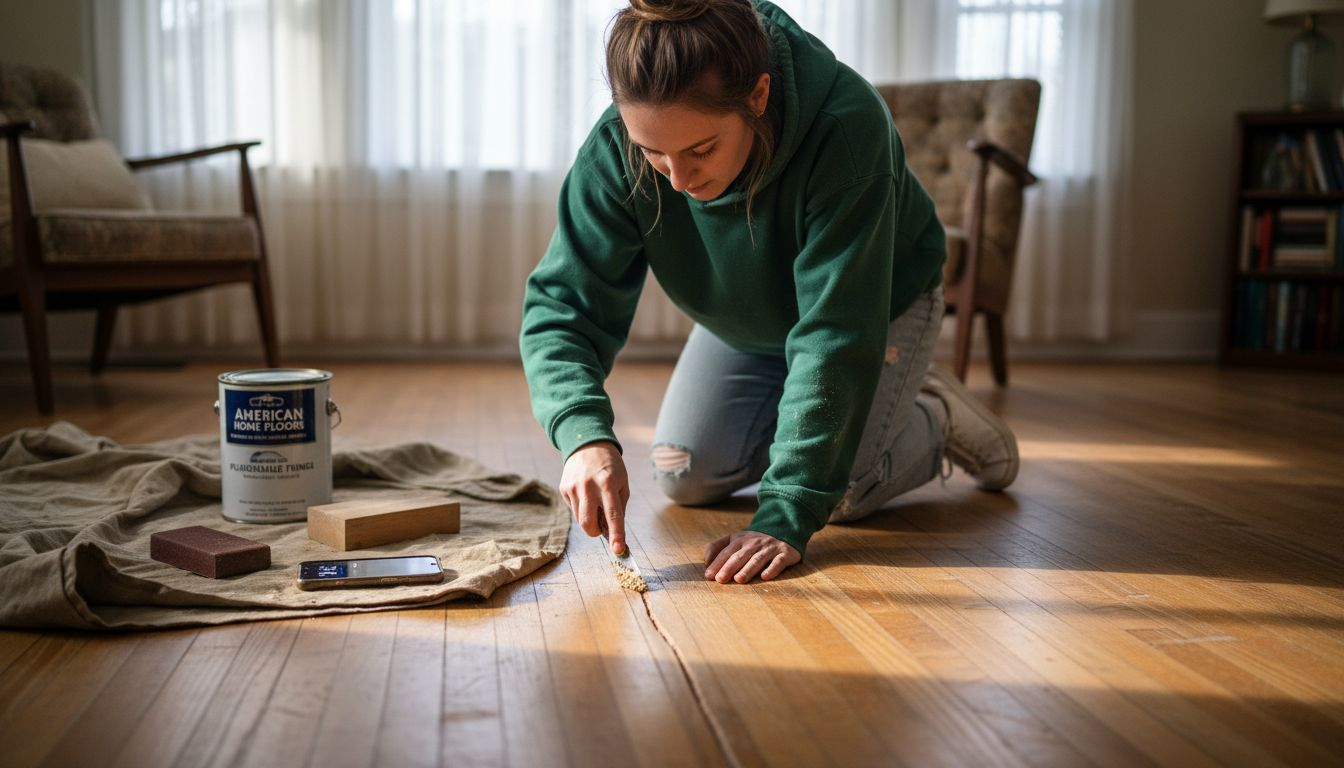
Depending on the floor’s condition, restoration professionals might employ techniques ranging from basic cleaning and buffing to complex structural rehabilitation. These processes typically include deep cleaning, scratch repair, color restoration, protective sealing, and structural stabilization. Advanced restoration approaches also consider moisture content, wood grain characteristics, and finish compatibility to deliver long-lasting, visually appealing results.
Pro tip: Always request a comprehensive floor assessment before committing to any restoration process to ensure the most cost-effective and appropriate intervention for your specific wood surfaces.
Here’s a quick reference to key hardwood floor restoration methods and when each is typically appropriate:
| Restoration Method | Best Suited For | Advantages | Typical Duration |
|---|---|---|---|
| Deep Cleaning | Surface dirt, light wear | Maintains appearance, quick | Few hours |
| Screening | Minor scratches, light wear | Preserves material, low disruption | Half to one day |
| Refinishing | Moderate damage, faded color | Removes imperfections, renews look | 2-3 days |
| Resurfacing | Deep damage, uneven floor | Full repair, dramatic results | Several days |
Finishing Options: Gloss, Satin, Matte, and More
Hardwood floor finishes offer a spectrum of aesthetic and functional choices, each with unique characteristics that impact both appearance and performance. Finish reflectivity variations range from high-shine gloss to completely flat matte surfaces, allowing homeowners to customize their floor’s visual appeal and maintenance requirements.
The primary finish types include gloss, which provides a mirror-like shine and dramatic reflection; semi-gloss, offering moderate shine with slightly more forgiving surface characteristics; satin, delivering a subtle sheen that balances elegance and practicality; and matte, presenting a completely non-reflective surface that excels at hiding imperfections. Professional floor restoration experts recommend selecting a finish based on factors such as room traffic, natural light exposure, existing interior design, and desired maintenance level.
Each finish type presents distinct advantages and challenges. Glossy finishes dramatically highlight wood grain and create a luxurious appearance but reveal scratches and dust more readily. Satin finishes offer a compromise, providing subtle elegance while maintaining better wear resistance. Matte finishes create a more natural, understated look that effectively camouflages minor surface irregularities, making them ideal for high-traffic areas or homes with pets and children.
Pro tip: Request finish samples and test them in your actual lighting conditions before making a final selection to ensure the perfect match for your specific space and aesthetic preferences.
Compare the main finish types to help you select the right look and function for your floor:
| Finish Type | Reflectivity | Ideal Use Case | Hides Imperfections |
|---|---|---|---|
| Gloss | High shine | Formal areas, showrooms | Poor |
| Semi-Gloss | Moderate shine | Balanced living spaces | Fair |
| Satin | Subtle sheen | High-traffic or family rooms | Good |
| Matte | No shine | Casual, busy homes | Excellent |
Screen and Recoat vs. Full Sanding Methods
Hardwood floor restoration offers two primary approaches to revitalizing surfaces: screen and recoat, and full sanding methods. Wood surface restoration techniques differ significantly in their depth of intervention, material removal, and long-term impact on floor appearance and durability.
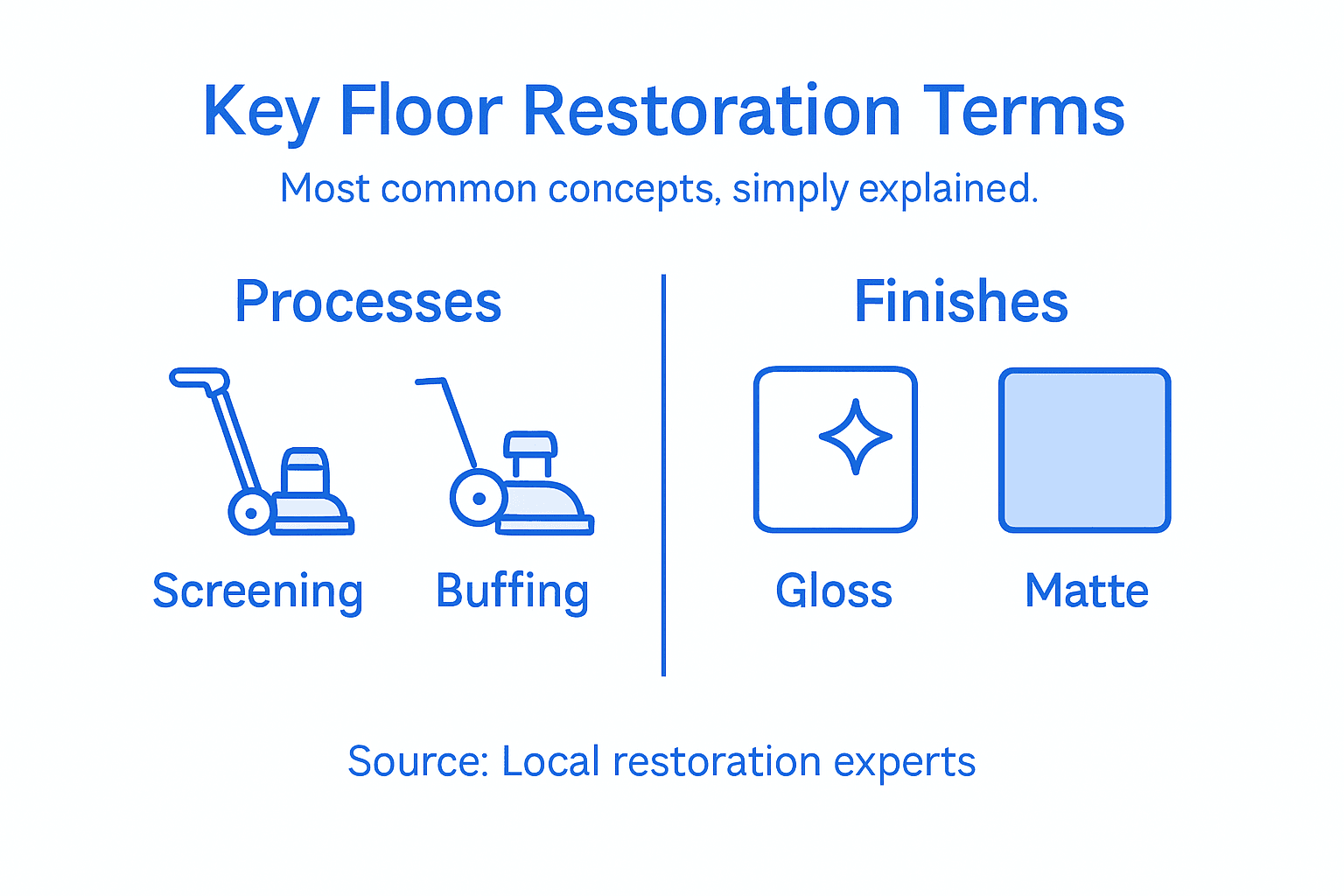
The screen and recoat process represents a minimally invasive technique where professionals use abrasive screening pads to lightly buff the existing finish, creating a micro-texture that allows new protective coatings to adhere effectively. This method is ideal for floors with light wear, minor scratches, and intact existing finishes. In contrast, full sanding involves progressively removing wood material using increasingly fine-grit sandpaper, essentially stripping the floor down to bare wood. Full sanding is necessary for floors with deep scratches, significant wear, water damage, or uneven surfaces that require complete restoration.
Each restoration method offers distinct advantages depending on floor condition. Screen and recoat provides a quick, cost-effective solution that extends floor life with minimal disruption, typically completed in a single day. Full sanding offers a comprehensive reset, allowing complete color changes, repair of structural issues, and addressing deep imperfections. Professional floor restoration experts assess wood species, existing damage, and homeowner goals to recommend the most appropriate intervention strategy.
Pro tip: Schedule a professional floor assessment to determine whether screen and recoat or full sanding will best address your specific hardwood floor condition and restoration objectives.
Common Mistakes and How to Avoid Them
Hardwood floor restoration demands precision and careful planning to achieve optimal results. Floor restoration standards highlight critical errors that can compromise the entire restoration process, emphasizing the importance of meticulous preparation and technique.
Homeowners frequently encounter several common mistakes during floor restoration. Moisture assessment is crucial, as inadequate evaluation can lead to significant problems like warping, delamination, and finish failure. Other critical errors include improper surface cleaning, using incorrect sanding techniques, applying finishes in unsuitable environmental conditions, and failing to address underlying wood damage before restoration. Professionals recommend thorough substrate evaluation, understanding wood species characteristics, and selecting appropriate restoration methods tailored to specific floor conditions.
Technical mistakes can have long-lasting consequences beyond aesthetic issues. Inappropriate chemical treatments, aggressive sanding that removes excessive wood material, neglecting to protect surrounding areas during restoration, and using low-quality finishing products can permanently damage hardwood floors. Successful restoration requires understanding wood grain patterns, selecting compatible finishing materials, maintaining consistent temperature and humidity during application, and using professional-grade equipment and techniques.
Pro tip: Invest in a professional moisture meter and carefully test wood substrate conditions before beginning any restoration project to prevent costly long-term damage.
Unlock the Full Potential of Your Hardwood Floors with Expert Restoration Guidance
Understanding the terminology in floor restoration can be overwhelming. Whether you face challenges like choosing between screening and full sanding or deciding on the perfect finish type, knowing the right approach is essential to avoid costly mistakes and achieve a beautiful, long-lasting floor. At J.R. Hardwood Floor Refinishing & Cleaning, we specialize in turning confusion into clarity by offering detailed assessments and tailored solutions that match your floor’s specific condition.
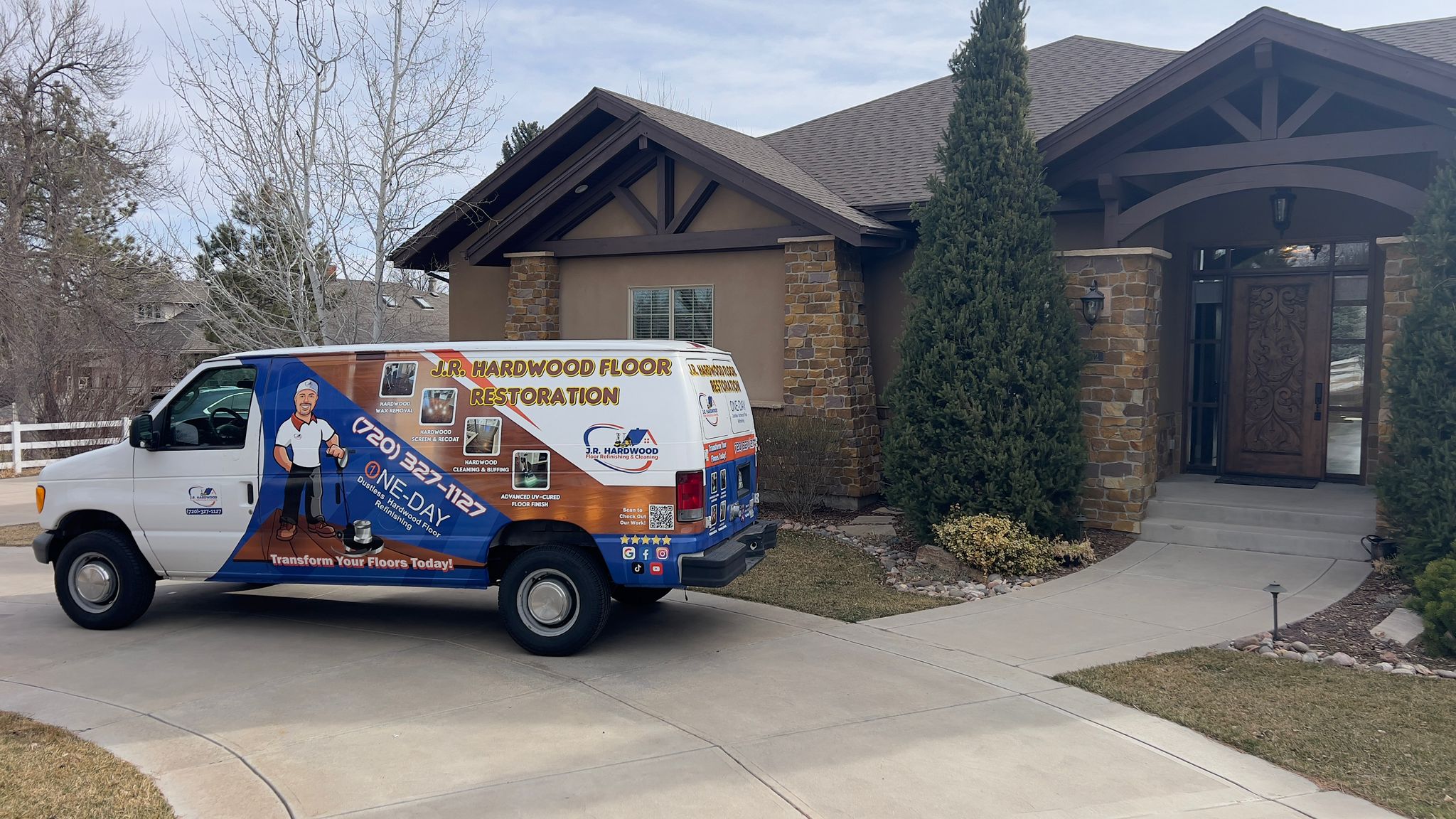
Take the guesswork out of your floor restoration project by trusting our locally owned experts serving the Denver Metro Area and beyond. Explore our broad range of services explained in our Uncategorized Archives – J.R. Hardwood Floor Refinishing & Cleaning and let us guide you with clear communication, eco-friendly products, and professional craftsmanship. Start your transformation journey today by visiting our main site at J.R. Hardwood Floor Refinishing & Cleaning to schedule your free over-the-phone quote and expert consultation.
Frequently Asked Questions
What is the difference between refinishing and screening hardwood floors?
Refinishing involves completely sanding down the existing wood surface and applying new protective coatings, while screening is a lighter technique that buffs the existing finish without removing significant wood material.
When should I consider resurfacing my hardwood floors?
Resurfacing is typically appropriate for addressing extensive surface damage, such as deep scratches or uneven floors, and involves comprehensive repair strategies.
What are the main types of hardwood floor finishes?
The primary types of hardwood floor finishes include gloss, semi-gloss, satin, and matte, each offering different levels of reflectivity and suitability for various use cases.
How can I avoid common mistakes in floor restoration?
Avoid common mistakes by ensuring proper moisture assessment, using the correct sanding techniques, applying finishes under suitable environmental conditions, and addressing any underlying wood damage before starting the restoration process.
Recommended
- What Is Floor Restoration and Why It Matters
- Role of Floor Restoration – Protecting and Reviving Floors
- Why Restore Worn Hardwood – Lasting Value for Colorado Floors
- Hardwood Floor Restoration Explained: Eco-Friendly Solutions
- Deep Cleaning Carpets at Home: 2025 Guide for Yarra Valley – Yarra Valley Carpet Cleaning