 Skip to content
Getting your Denver home ready for market often starts with the details buyers notice first—your hardwood floors. Worn finishes, scratches, or faded spots can quietly lower your sales price and delay offers. By addressing floor condition early, you make a powerful first impression and show potential buyers the property is well cared for. This guide walks you through steps to assess, consult with experts, and prepare your floors for a high-impact, value-adding refinishing project.
Table of Contents
- Step 1: Assess Your Floor’s Condition for Market Readiness
- Step 2: Schedule a Free Quote and Consultation with Experts
- Step 3: Prepare the Space by Clearing Furniture and Obstructions
- Step 4: Select the Optimal Refinishing Method for Your Floors
- Step 5: Verify Work Quality to Ensure Lasting Results
Quick Summary
| Key Insight | Explanation |
|---|---|
| 1. Assess Floor Condition | Evaluate the hardwood floor for scratches, discoloration, and damage to determine refinishing needs. |
| 2. Consult Professionals | Schedule a free consultation with floor refinishing experts to identify the best approach for your floors. |
| 3. Prepare the Space | Clear all furniture and obstacles to enable refinishing professionals to work efficiently and safely. |
| 4. Choose Refinishing Method | Select either ‘Screen and Recoat’ for minor wear or ‘Full Sanding’ for extensive damage, based on the floor’s condition. |
| 5. Verify Quality of Work | Conduct a thorough inspection of the refinished floor to ensure durability and aesthetic appeal for potential buyers. |
Step 1: Assess Your Floor’s Condition for Market Readiness
When preparing to sell your home, understanding your hardwood floor’s condition is crucial for maximizing property value. A thorough property condition assessment helps you identify potential issues that could impact buyer perception and sales price.
Before listing your home, carefully examine your hardwood floors for these critical signs of wear and potential problems:
- Surface scratches that detract from the floor’s appearance
- Discoloration or uneven fading in high-traffic areas
- Wood plank separation or visible gaps between boards
- Water damage or warping near windows, doorways, or bathrooms
- Worn finish that looks dull or lacks protective sheen
Professional floor inspectors recommend conducting a comprehensive evaluation that goes beyond surface-level observations. Start by cleaning the floor thoroughly and examining it under bright, natural light. Run your hand gently across the surface to detect subtle imperfections that might not be immediately visible. Pay special attention to areas near entryways, kitchen spaces, and hallways where foot traffic is heaviest.
A well-maintained hardwood floor can increase your home’s market value by up to 2.5% compared to properties with neglected flooring.
Documenting these issues through clear, well-lit photographs will help you communicate effectively with refinishing professionals and potential buyers about the floor’s current condition and planned improvements.
Pro tip: Invest in a professional floor assessment before listing your home to uncover hidden issues and develop a strategic refinishing plan.
Step 2: Schedule a Free Quote and Consultation with Experts
Taking the next step in your home selling journey involves connecting with professional floor refinishing experts who can provide personalized guidance. Free consultation services offer an excellent opportunity to get expert insights without initial financial commitment.
To schedule your free quote and consultation, follow these strategic steps:
- Gather floor documentation including age, previous treatments, and current condition photos
- Prepare specific questions about potential refinishing approaches
- Research local refinishing professionals with strong market reputations
- Contact recommended companies to discuss your specific floor needs
When reaching out, be prepared to provide detailed information about your hardwood floors. Most professional services will request:
- Square footage of the area needing refinishing
- Current floor condition
- Type of wood and existing finish
- Specific concerns or damage areas
- Your home selling timeline
Professional consultations can reveal hidden floor restoration opportunities that dramatically increase your home’s market value.
Most reputable floor refinishing companies offer no-cost consultation programs that include a comprehensive assessment of your flooring’s condition and potential improvement strategies.
Pro tip: Schedule consultations with multiple professionals to compare recommendations and ensure you receive the most comprehensive advice for maximizing your floor’s market appeal.
Step 3: Prepare the Space by Clearing Furniture and Obstructions
Successful floor refinishing requires careful preparation, and clearing your space is a critical first step. Maintaining clear floor spaces ensures that refinishing professionals can work efficiently and protect your belongings.
Before the refinishing team arrives, you’ll need to completely clear the area of all furniture and potential obstacles. Here’s a comprehensive approach to preparing your space:
- Remove all furniture completely from the room
- Disconnect and relocate electronics, lamps, and small appliances
- Clear wall decorations and window treatments
- Store valuable or fragile items in a separate, safe location
Pay special attention to these additional preparation steps:
- Protect adjacent rooms by covering doorways with plastic sheeting
- Create a clear pathway for workers to move equipment
- Remove area rugs, floor mats, and other loose floor coverings
- Ensure adequate ventilation by opening windows or preparing fans
Completely clearing the space can reduce project time by up to 30% and minimize the risk of accidental damage to your belongings.
Most professional refinishing teams require a completely empty room to work effectively. If you have large or heavy furniture, consider hiring professional movers to assist with relocation.
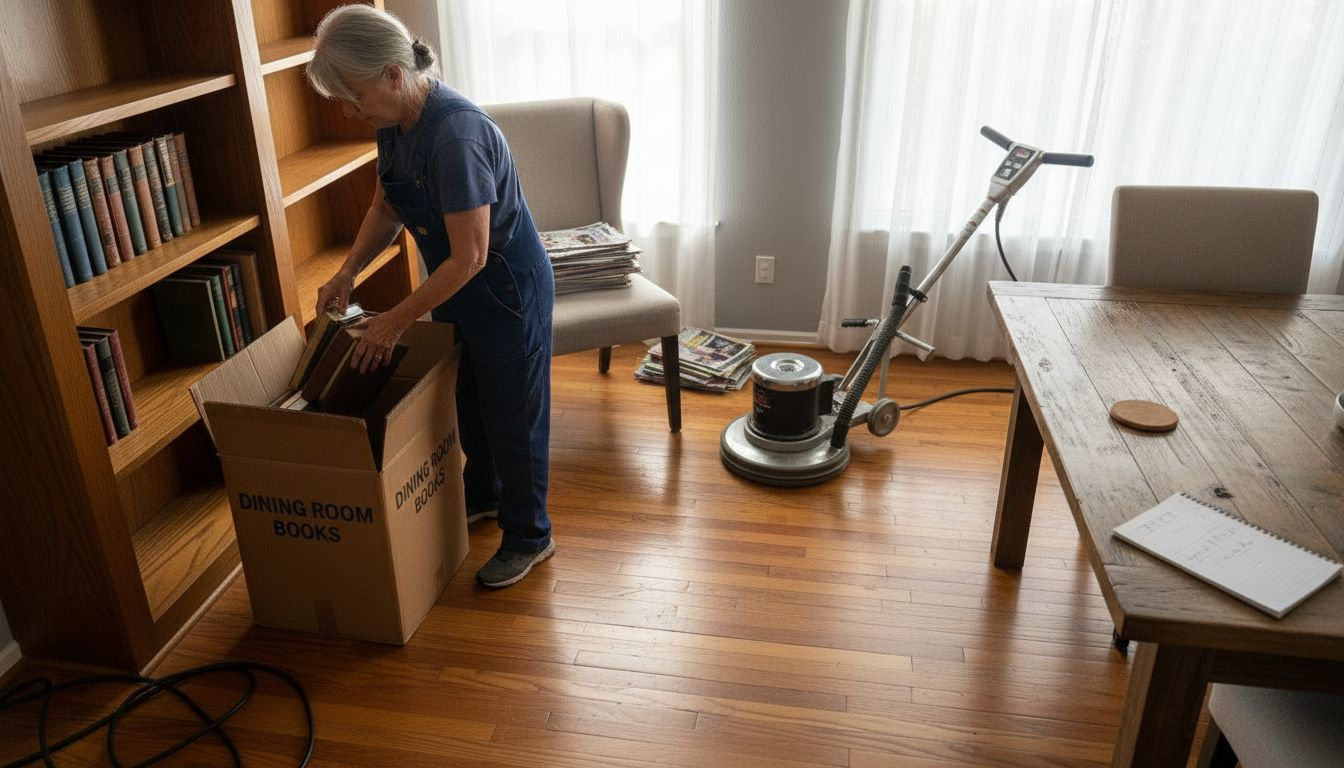
Pro tip: Take photos of your room’s original layout before moving furniture to make reinstallation easier after the refinishing process is complete.
Step 4: Select the Optimal Refinishing Method for Your Floors
Selecting the right refinishing method can make the difference between a good and great home selling strategy. Refinishing techniques vary based on your hardwood floor’s current condition, with options designed to restore and enhance your home’s market appeal.
Understanding the two primary refinishing approaches will help you make an informed decision:
-
Screen and Recoat Method
- Best for floors with minimal surface wear
- Preserves existing finish
- Quick and cost-effective
- Minimal dust and disruption
-
Full Sanding and Refinishing Method
- Recommended for deeply damaged floors
- Removes entire existing finish
- Allows complete restoration of wood surface
- Addresses significant scratches, dents, and wear
Key factors to consider when choosing your refinishing approach include:
Here’s a side-by-side overview of two main hardwood floor refinishing methods and their impact when selling your home:
| Refinishing Method | Best Suited For | Project Duration | Market Value Impact |
|---|---|---|---|
| Screen and Recoat | Minor wear, preserved finish | 1-2 days | Improved appearance, moderate resale boost |
| Full Sanding and Refinishing | Deep scratches, significant damage | 3-5 days | Maximum appeal, highest resale increase |
- Extent of floor damage
- Age of existing finish
- Depth of scratches and wear
- Budget constraints
- Time available before listing your home
Professional refinishing can increase your home’s resale value by up to 5% by creating a pristine, move-in-ready appearance.
Most professional refinishing experts recommend conducting a thorough floor assessment to determine the most appropriate method for your specific situation.
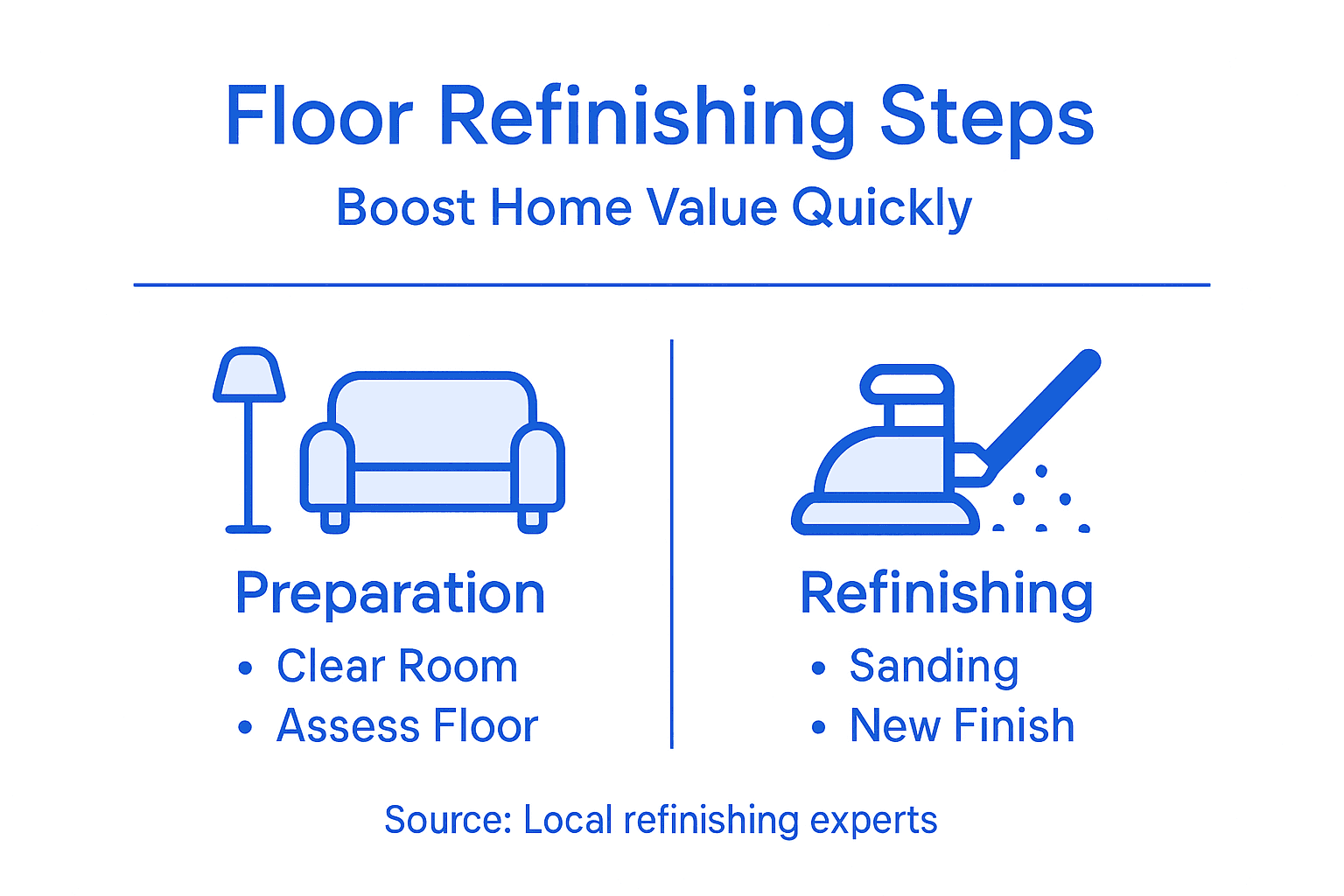
Pro tip: Request a professional evaluation to get expert recommendations tailored to your floor’s unique condition and selling goals.
Step 5: Verify Work Quality to Ensure Lasting Results
After your floor refinishing project, conducting a thorough quality verification is crucial to protecting your investment and home’s marketability. Quality assurance techniques help ensure that the refinishing work meets professional standards and will impress potential home buyers.
Key aspects of comprehensive work quality verification include:
-
Visual Inspection
- Check for uniform color and finish across entire floor
- Look for consistent sheen and smooth surface texture
- Verify no visible brush marks or uneven application
- Examine edges and corners for precision
-
Physical Quality Assessment
- Test finish durability by gently pressing surface
- Check for proper adhesion with minimal flaking
- Confirm no bubbling or raised areas in finish
- Ensure smooth transitions between refinished sections
Critical elements to scrutinize during your quality check:
- Color consistency throughout the entire floor
- Smoothness of the refinished surface
- Absence of imperfections like dust nibs or bubbles
- Edge and corner refinishing precision
- Overall finish depth and richness
A meticulously verified refinishing job can increase your home’s perceived value by creating a flawless, professionally maintained appearance.
Most quality control plans recommend documenting your verification process with detailed photographs and notes to track the refinishing outcome.
The table below summarizes critical quality assurance checks to perform after refinishing hardwood floors:
| Quality Check Area | What to Look For | Why It Matters |
|---|---|---|
| Visual Appearance | Uniform color and finish | Impresses buyers, boosts value |
| Surface Smoothness | No bumps or imperfections | Indicates professional work |
| Edges and Corners | Precise, even refinishing | Enhances overall presentation |
| Finish Durability | Strong adhesion, no bubbling | Ensures lasting results |
Pro tip: Request a written quality guarantee from your refinishing professionals and perform your verification check within 24-48 hours of project completion.
Elevate Your Home’s Value with Expert Floor Refinishing Solutions
Preparing your hardwood floors for sale is a critical step to boosting your home’s market appeal and value. If you are facing challenges like surface scratches, uneven finish, or the need for a strategic refinishing plan, J.R. Hardwood Floor Refinishing & Cleaning is here to help. Our team understands the importance of thorough assessments and selecting the right refinishing method to maximize your home’s selling potential just as the article outlines.
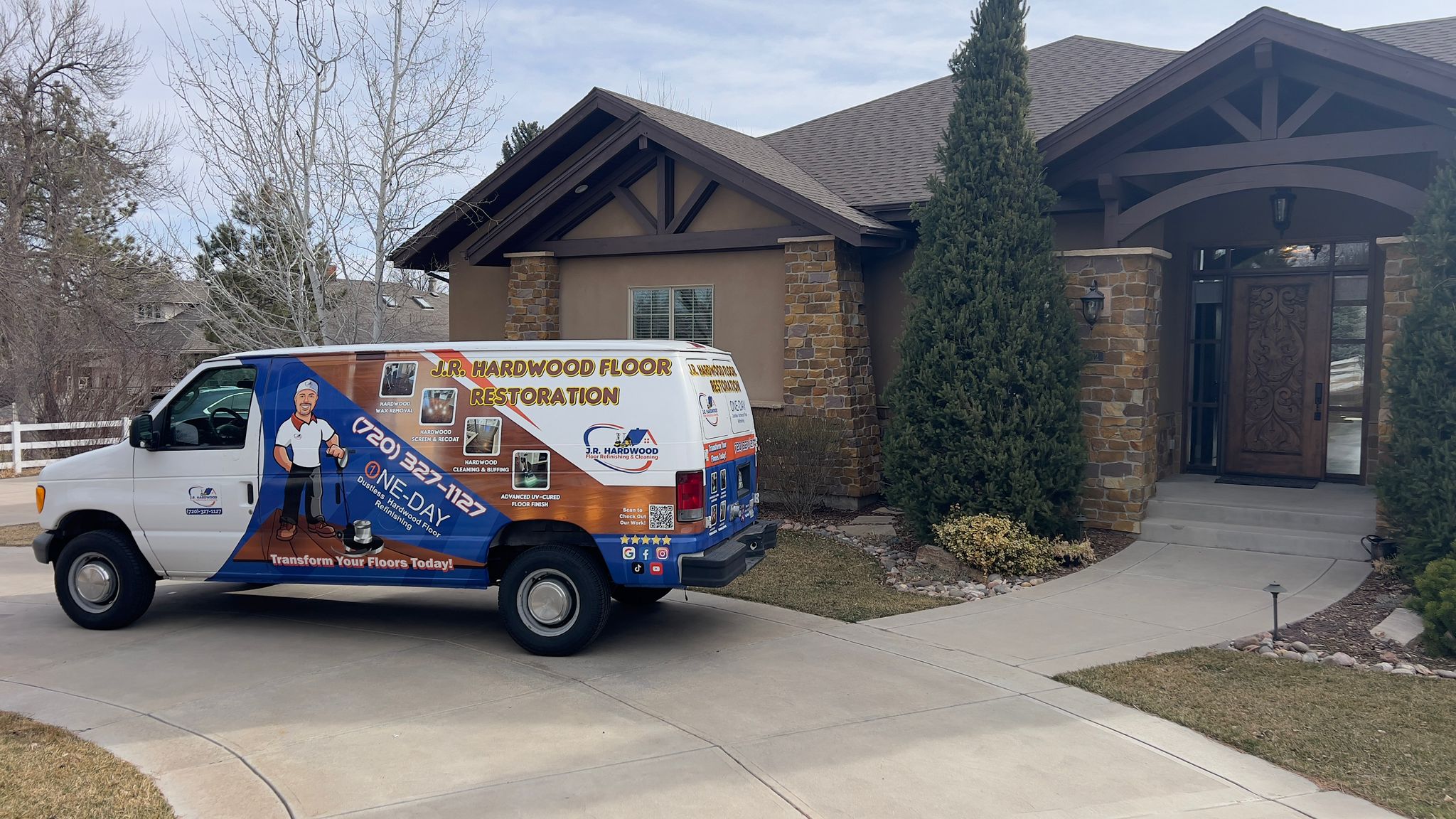
Take advantage of our free over-the-phone consultation and expert guidance to get personalized advice tailored to your floor’s unique condition. Whether you need full sanding and restoration or a quick screen and recoat, our eco-friendly products and proven craftsmanship deliver lasting beauty and protection. Start your home transformation today by visiting our Uncategorized Archives for insights and then scheduling your free quote at J.R. Hardwood Floor Refinishing & Cleaning. Don’t wait to create the flawless floors that make buyers eager to close the deal.
Frequently Asked Questions
How do I assess my hardwood floor’s condition before selling?
To assess your hardwood floor’s condition, look for surface scratches, discoloration, water damage, or wood plank separation. Clean your floors and examine them under bright light to identify these issues clearly.
What should I expect during a professional floor refinishing consultation?
During a professional floor refinishing consultation, you’ll discuss your hardwood floor’s current condition, the type of wood, and specific concerns. Be prepared to provide dimensions and related documentation about your flooring to receive a tailored assessment.
How can I prepare my space for floor refinishing?
To prepare your space for floor refinishing, completely clear the area of all furniture and decorations. Ensure you create a clear path for the refinishing team to work efficiently, which can reduce project time by up to 30%.
What are the differences between screen and recoat and full sanding refinishing methods?
The screen and recoat method is ideal for floors with minor wear, preserving the existing finish with minimal disruption. In contrast, full sanding is suited for deeply damaged floors and allows for a complete restoration, addressing significant wear and scratches.
How can I verify the quality of the refinished floor?
To verify the quality of the refinished floor, conduct a visual inspection for uniform color and sheen, and check for smoothness and precise finishing along edges and corners. Document your findings with photos to ensure the refinishing meets professional standards and your expectations.
How much can floor refinishing increase my home’s market value?
Floor refinishing can boost your home’s market value by up to 5% by creating a pristine, move-in-ready appearance. Schedule a professional assessment to determine the best refinishing method tailored to your floors’ needs and your selling goals.
Recommended
- Hardwood Floor Refinishing: DIY vs. Professional Service – J.R. Hardwood Floor Refinishing & Cleaning
- A Complete Guide to Hardwood Floor Refinishing – J.R. Hardwood Floor Refinishing & Cleaning
- 5 Signs Your Hardwood Floors Need Refinishing – J.R. Hardwood Floor Refinishing & Cleaning
- Trees Boosts Property Value: Enhance Your Home’s Worth