 Skip to content
Every Denver homeowner with pets knows the struggle of keeping hardwood floors safe from scratches, stains, and daily wear. Floors must withstand constant foot traffic and unpredictable climate changes, making durability and fast drying absolutely vital. By uncovering the key durability factors behind hardwood finishes, you can select a solution engineered for Denver’s environment, ensuring your floors stay beautiful and protected even in high-traffic, pet-friendly spaces.
Table of Contents
- Defining Floor Finish Durability Factors
- Types Of Hardwood Floor Finishes Compared
- How Instant UV-Curable Finishes Work
- Durability In Colorado’s Climate And Homes
- Common Mistakes And Smart Maintenance Strategies
Key Takeaways
| Point | Details |
|---|---|
| Durability Factors | The durability of hardwood floors is influenced by wood species, finish type, and environmental usage, especially in Denver’s unique climate. |
| Finish Selection | Premium finishes offer better protection and longevity compared to budget options, particularly in high-traffic areas. |
| Maintenance Importance | Regular cleaning and appropriate humidity control can significantly extend the life of floor finishes. |
| UV-Curable Benefits | UV-cured finishes cure rapidly and provide enhanced durability, making them ideal for Denver’s fluctuating conditions. |
Defining floor finish durability factors
Floor finish durability isn’t random—it’s determined by a specific set of factors that work together to protect your hardwood. Understanding these factors helps you make better choices about which finish will actually stand up to your Denver home’s unique demands.
The durability of your hardwood floors depends on three interconnected elements: the wood itself, the finish applied to it, and how you use the space.
What Makes Wood Strong
Not all wood is created equal. The Janka hardness scale measures how resistant a wood species is to dents and dings from daily foot traffic and pet claws. Harder woods like oak and maple rate higher on this scale, meaning they naturally resist damage better than softer species like pine.
Beyond hardness, the wood’s internal structure matters. Wood species and their inherent properties determine how it resists wear over time. The type of cut (quarter-sawn versus plain-sawn) also affects stability and longevity in Colorado’s dry climate.
The Role of Finish Protection
Your finish is like sunscreen for your floor—it creates a protective barrier that shields the wood underneath. Different finishes offer varying levels of protection against three main threats:
- Abrasion resistance stops scratches from foot traffic and pet nails
- Moisture defense prevents swelling and warping from humidity changes
- Chemical protection guards against spills, cleaners, and stains
Protective finish coats add mechanical and chemical barriers that extend your floor’s service life significantly. A quality finish can double or triple how long your floors stay beautiful.
Environmental Factors in Denver
Denver’s climate creates specific durability challenges. Our low humidity causes wood to shrink, while occasional moisture spikes can cause expansion. Temperature swings between seasons stress wood fibers constantly.
The combination of wood type, finish composition, and your local environment defines how your floors will actually perform. UV curable finishes like Radcoat are engineered specifically to handle Colorado’s climate challenges.
Key Durability Factors at a Glance
Here’s what actually impacts how long your finish lasts:
- Wood species hardness — Higher Janka ratings mean more scratch resistance
- Finish type and quality — Premium finishes outperform budget options
- Application thickness — Proper multiple coats create better protection
- Maintenance habits — Regular cleaning extends finish life significantly
- Traffic intensity — High-traffic areas need tougher finishes
- Environmental conditions — Humidity and temperature stability matter more than you think
The best hardwood floor finish is the one that matches both your wood type and how you actually live in your home—not just what looks good initially.
Pro tip: When choosing a finish, ask about its proven performance in Colorado’s climate and request references from homeowners with similar lifestyles to yours.
Types of hardwood floor finishes compared
Choosing the right finish for your Denver hardwood floors means understanding the main categories and how they perform in real life. Each finish type offers different benefits, drawbacks, and maintenance requirements that directly impact your daily experience.
Hardwood finishes fall into two broad categories: surface finishes that form a protective film on top, and penetrating finishes that soak into the wood itself. Your choice depends on your lifestyle, pets, and how much maintenance you’re willing to do.
Surface Finishes (Film-Forming)
Surface finishes create a visible protective layer sitting on top of your wood. They’re easier to clean and generally more durable than penetrating options, which makes them popular with pet owners and busy families.
Common surface finishes include:
- Water-based finishes — Clear appearance, dry quickly, low odor, easy cleanup
- Oil-based finishes — Rich amber tone, excellent durability, stronger smell, longer drying
- UV-cured finishes — Fast curing (hours, not days), maximum scratch resistance, eco-friendly
- Moisture-cured finishes — Extremely durable, amber tone, requires professional application
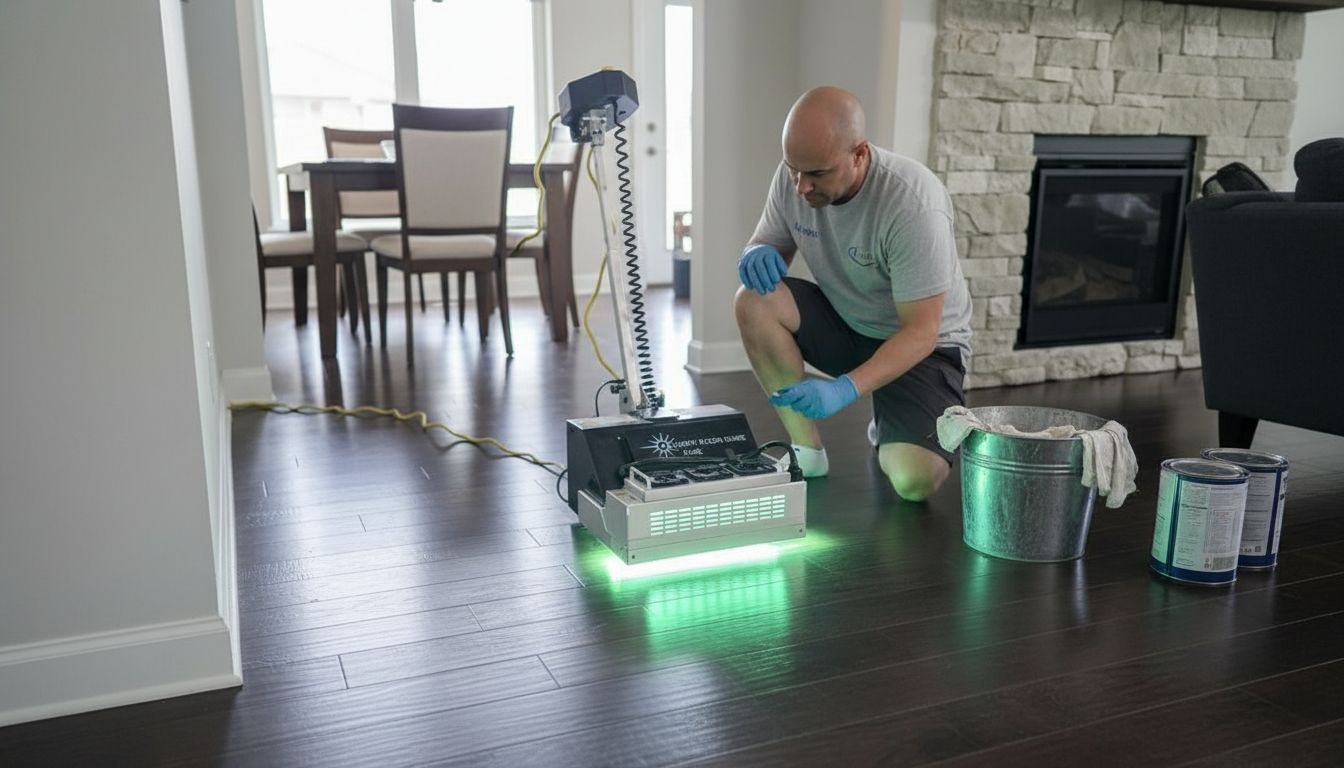
UV-curable finishes like Radcoat stand out because they combine speed with superior protection. You can walk on your floors hours after application instead of waiting days, and the finish resists scratches better than traditional options.
Penetrating Finishes (Oil-Based)
Natural oils and hard wax oils harden inside the wood pores, creating a more subtle protective effect. They enhance the wood’s natural grain appearance and feel more organic underfoot.
These finishes require more frequent recoating and demand careful maintenance. Spills must be wiped immediately, and you’ll need to apply maintenance coats yearly. They work better in lower-traffic areas or homes without pets.
Which Finish Makes Sense for Denver?
Denver’s dry climate and high altitude create unique demands. UV-cured finishes provide fast curing and improved abrasion resistance, making them ideal for homes with pets and active families.
Water-based finishes work well if you prefer low odor and easy maintenance. Oil-based finishes suit homes where you want that warm, amber aesthetic and don’t mind stronger fumes during application.
Here’s how common hardwood finish types compare for Denver homeowners:
| Finish Type | Visual Effect | Durability in Denver | Typical Maintenance | Odor During Application |
|---|---|---|---|---|
| Water-based | Clear, modern look | Good with low humidity | Easy cleaning | Low |
| Oil-based | Warm amber tone | Fair, less UV resistant | Yearly recoating | Strong |
| UV-cured | No color change | Excellent, Colorado-safe | Minimal maintenance | Minimal |
| Hard wax oil | Natural, subtle | Limited, must recoat often | Frequent touch-ups | Moderate |
The best finish isn’t the most expensive or the most popular—it’s the one that matches how you actually live and what your floors will endure daily.
Pro tip: Ask your refinisher about proven performance in Colorado’s climate, not just what they typically recommend, since our dry air and temperature swings affect finish longevity differently than other regions.
How instant UV-curable finishes work
UV-curable finishes sound like science fiction, but the technology is straightforward and incredibly effective. Understanding how they work helps explain why they’re becoming the go-to choice for Denver homeowners who need floors back in service fast.
The magic happens through a process called photopolymerization. When ultraviolet light hits the finish, it triggers chemical reactions that harden the coating almost instantly—we’re talking seconds, not hours or days.
The Science Behind the Speed
Traditional finishes cure through evaporation or chemical reactions that happen slowly over time. UV finishes work differently and much faster.
Here’s what happens:
- UV light activates photoinitiators — Special compounds in the finish absorb ultraviolet energy
- Chemical reactions begin immediately — These photoinitiators trigger polymerization reactions
- Polymer network forms rapidly — The finish hardens into a tough, protective layer in seconds
- Full cure is nearly instant — You can walk on the floor within hours instead of days
UV-curable coatings cure via photopolymerization initiated by UV light activating photoinitiators in the finish, forming crosslinked polymer networks that achieve full hardness almost immediately.
Why This Matters for Your Home
The speed is just the beginning. UV-curable finishes deliver superior performance that traditional coatings struggle to match.
Key benefits include:
- Extreme hardness — Resists dents from pet claws and dropped objects
- Scratch resistance — Handles daily wear without visible marks
- Chemical stability — Stands up to spills, pet accidents, and cleaners
- Minimal fumes — Water-based formulas mean no toxic smell
- Immediate use — Walk on floors hours after application, not days
How Radcoat Delivers This Technology
Radcoat, the UV-cure system exclusive to J.R. Hardwood in the Denver area, uses this photopolymerization process. The finish cures so quickly that you avoid the downtime nightmare of traditional refinishing.
With traditional oil-based finishes, you’re stuck avoiding your floors for a week or more. With UV-curable finishes, your floors are ready for normal life within hours.
The speed of UV-curable finishes isn’t just convenient—it delivers a harder, more durable final product that actually outlasts slower-curing alternatives.
Pro tip: Ask your refinisher about the specific UV light wavelengths and curing times they use, since quality matters as much as speed when it comes to achieving maximum hardness and durability.
Durability in Colorado’s climate and homes
Colorado’s climate is beautiful but brutal on hardwood floors. Our combination of high elevation, low humidity, intense sun, and dramatic temperature swings creates durability challenges that finishes in other parts of the country simply don’t face. Understanding these unique stressors helps you choose the right finish and maintain it properly.
Your hardwood floors experience constant stress from environmental forces that most homeowners don’t even notice. This is why finishes engineered specifically for Colorado outperform generic options.
The Challenge: Colorado’s Unique Climate
Denver sits at over 5,000 feet elevation with some of the driest air in the nation. This creates a cascade of problems for hardwood:
- Low humidity causes wood to shrink and create gaps between planks
- High UV radiation at altitude fades finishes and damages wood fibers
- Temperature swings stress wood fibers daily, especially between seasons
- Seasonal moisture changes cause expansion and contraction cycles
These aren’t minor inconveniences. Colorado’s climate features high elevation, low humidity, and significant temperature swings that directly affect how your wood expands and contracts throughout the year.
How This Affects Your Finish
Wood movement is the real culprit. When wood shrinks in winter’s dry air, your finish stretches. When moisture returns in spring, the wood swells and your finish compresses. This constant cycling causes finishes to crack, peel, or lose adhesion.

A finish designed for Florida’s stable humidity won’t handle Denver’s extremes. Your finish needs flexibility to accommodate wood movement while maintaining protection against UV damage and moisture penetration.
What Your Finish Needs to Survive Colorado
Successful hardwood finishes in Denver require specific capabilities:
- Strong UV resistance — Blocks high-altitude sun damage
- Moisture barrier properties — Prevents swelling and shrinking
- Flexibility — Accommodates wood movement without cracking
- Abrasion resistance — Handles foot traffic year-round
- Chemical stability — Resists spills and cleaning products
Hardwood floor finishes must offer strong resistance to UV degradation and maintain flexibility to accommodate the wood movement caused by moisture changes unique to Colorado environments.
UV-Curable Finishes for Colorado Success
Radcoat’s UV-curable formula is engineered specifically for Colorado’s challenges. The finish cures instantly under UV light, creating a hard polymer network that resists both UV fading and moisture infiltration. This technology solves the durability problem that traditional finishes struggle with in our climate.
The result: floors that stay beautiful longer and require less frequent refinishing.
A finish chosen for its look but not suited to Colorado’s climate will disappoint you within a few years—budget for a better option from the start.
Pro tip: When refinishing, ask your contractor about their experience with Colorado’s specific climate challenges and request examples of long-term durability in homes similar to yours.
Common mistakes and smart maintenance strategies
Most hardwood floor damage isn’t from big accidents—it’s from everyday mistakes that accumulate over time. The good news: once you understand what damages finishes, you can avoid these pitfalls and keep your floors looking beautiful for years.
Proper maintenance extends your finish’s life dramatically. Denver homeowners who follow smart strategies can double or triple how long their refinishing lasts.
The Biggest Maintenance Mistakes
These common errors damage finishes faster than anything else. Knowing what to avoid is half the battle.
Top culprits include:
- Wet or steam mops — Moisture seeps through finish and swells wood
- Neglecting spills — Liquids penetrate the finish and stain wood
- No furniture pads — Chair and table legs scratch finish constantly
- Harsh chemicals — Abrasive cleaners degrade finish over time
- Ignoring humidity — Dry air causes gaps; excess moisture causes swelling
- Debris buildup — Sand and dirt act like sandpaper on your finish
Common mistakes in hardwood floor maintenance include using wet or steam mops that damage finish and wood over time, neglecting spills, and failing to use furniture pads that prevent scratches.
Smart Maintenance That Actually Works
The right routine takes minutes daily but delivers major results. These strategies keep your finish protected and looking fresh.
Here’s what works:
- Vacuum or dust regularly — Remove abrasive particles that scratch finish
- Wipe spills immediately — Use slightly damp cloths, never wet mops
- Use furniture pads — Prevent scratches from chairs, tables, and pet movement
- Control humidity — Aim for 30-50% relative humidity year-round
- Clean with appropriate products — Ask your refinisher which cleaners won’t damage your finish
- Schedule periodic recoating — Refresh the protective layer before it wears through
Humidity Control in Denver
Denver’s dry air is your biggest enemy. Winter humidity can drop to 20%, causing wood to shrink and finish to crack. Understanding that wood expands and contracts with humidity changes is critical to preventing gaps and finish wear.
Investing in a whole-home humidifier is worth every penny. It prevents gaps, reduces finish stress, and protects your wood investment. Aim for 35-45% humidity during winter months.
The following table summarizes essential hardwood maintenance strategies and the impact for Denver homes:
| Maintenance Strategy | Description | Benefit in Denver |
|---|---|---|
| Humidity control | Use humidifiers, monitor levels | Prevents cracks and gaps |
| Immediate spill cleanup | Wipe spills right away | Avoids stains and warping |
| Furniture pads | Use on all legs and bases | Reduces scratches, prolongs finish |
| Appropriate cleaners | Use finish-safe products | Protects finish chemical stability |
| Scheduled recoating | Refresh finish before wear | Extends floor lifespan |
When to Call for Professional Help
Some problems need expert attention. Screen and recoat services refresh your finish without full sanding when wear appears but wood is still sound. Don’t wait until finish completely fails—preventive recoating extends floor life significantly.
Protecting hardwood floors is about preventing damage, not fixing it after the fact—an ounce of prevention saves you thousands in replacement costs.
Pro tip: Set seasonal humidity targets in your calendar and check them monthly with an inexpensive hygrometer; this single habit prevents more damage than any cleaning product.
Protect Your Denver Hardwood Floors with Expert Finish Solutions
Durability challenges like Colorado’s dry climate, intense UV exposure, and fluctuating temperatures call for specialized floor finishes tailored to your lifestyle. If you want to avoid the frustration of premature cracking, peeling, or dulling of your hardwood floors, understanding the right finish technology is critical. Choose finishes that offer superior abrasion resistance, flexibility for wood movement, and UV protection to keep your floors looking flawless longer.
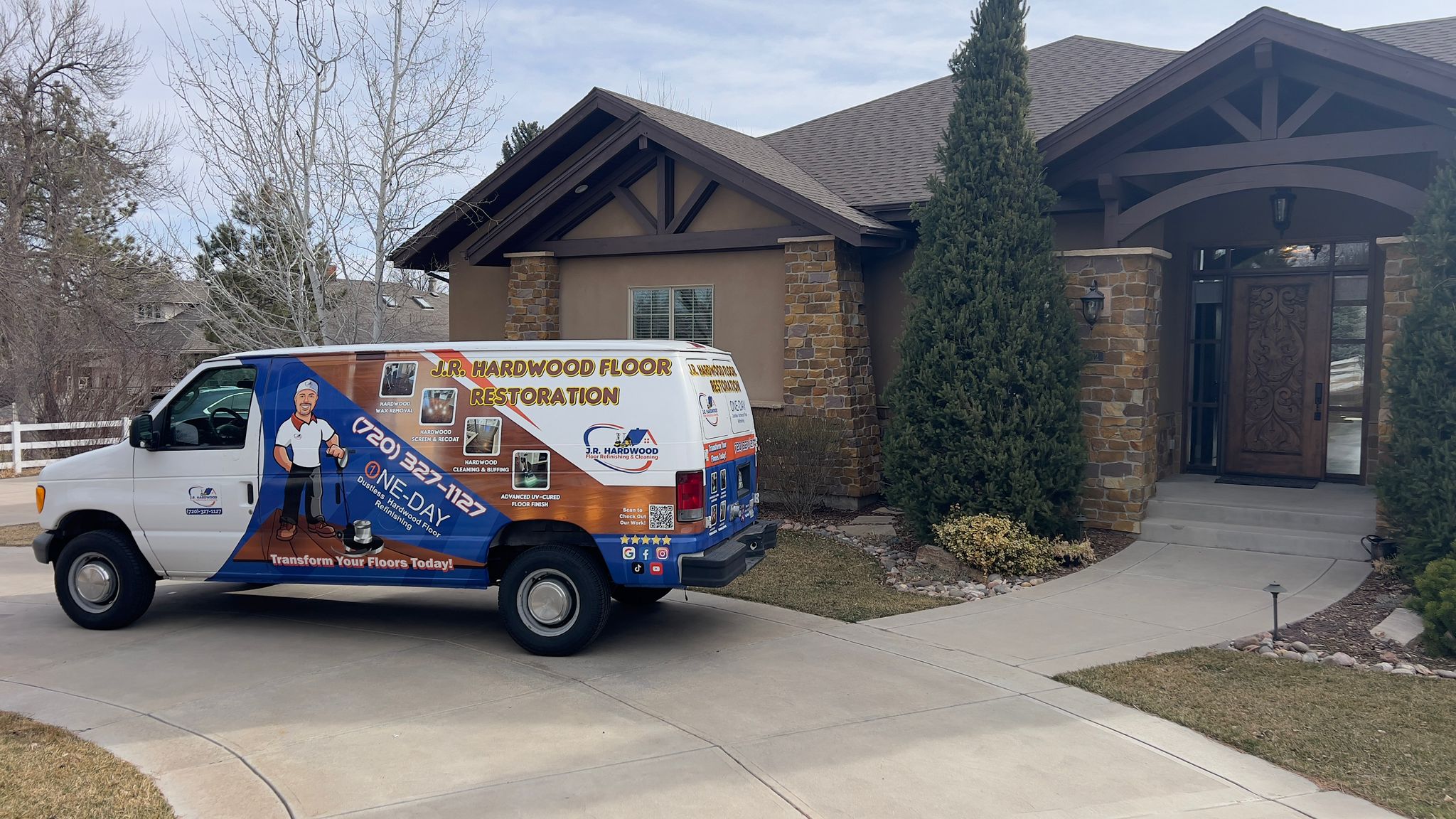
At J.R. Hardwood Floor Refinishing & Cleaning, we specialize in exactly these challenges for Denver area homes. Our Instant UV-curable finishing uses advanced photopolymerization technology to deliver a hard, scratch-resistant coating that cures in hours—not days. This means less downtime and long-lasting protection that handles Colorado’s unique conditions while enhancing your floor’s natural beauty. Learn more about our solutions and expert services on our Uncategorized Archives page. Ready to transform your hardwood floors with a finish built to endure Denver’s climate? Visit J.R. Hardwood Floor Refinishing & Cleaning today for your free over-the-phone quote and personalized guidance.
Frequently Asked Questions
What factors affect the durability of hardwood floor finishes?
The durability of hardwood floor finishes is influenced by wood species hardness, the type and quality of the finish, application thickness, maintenance habits, traffic intensity, and environmental conditions.
How do UV-curable finishes differ from traditional finishes?
UV-curable finishes cure almost instantly under ultraviolet light through photopolymerization, creating a harder and more durable layer compared to traditional finishes that typically cure through evaporation or slower chemical reactions.
Why is humidity control important for hardwood floors?
Maintaining proper humidity levels (30-50%) prevents wood from shrinking or swelling, which can cause gaps and damage to the finish. Colorado’s dry air can exacerbate these issues, making humidity control essential for floor longevity.
What maintenance strategies extend the life of hardwood floor finishes?
Regular vacuuming or dusting, immediate spill cleanup, using furniture pads, controlling humidity, using appropriate cleaning products, and scheduling periodic recoating are effective maintenance strategies that help prolong the life of hardwood floor finishes.