 Skip to content
TL;DR:
- Choosing the right flooring for high-traffic Denver spaces depends on installation quality and system components more than product alone. Durable options include porcelain tile, luxury vinyl, laminate, polished concrete, rubber, and epoxy, each suited for specific needs and environments. Proper subfloor prep, expert installation, and ongoing maintenance are crucial to maximizing lifespan and performance.
Choosing the right flooring for a busy Denver home or a high-traffic property feels like betting big money on a decision that has to last 20 years. You want something that shrugs off dog nails, weekend parties, Colorado mud, and the occasional dropped skillet, all while still looking sharp. The good news is that the flooring industry has never offered more genuinely tough options. The tricky part is cutting through marketing language to find what actually holds up. We put together this evidence-based guide to walk you through real durability criteria, side-by-side comparisons, and honest pros and cons so you can invest with confidence.
Table of Contents
- What makes flooring truly durable?
- Top durable flooring types for homes and properties
- How to match your floor type to your space and lifestyle
- What most buyers miss about durable flooring and why it matters
- Get more from your floors: Professional solutions for Denver
- Frequently asked questions
Key Takeaways
| Point | Details |
|---|---|
| Material matters most | Porcelain tile, luxury vinyl, and laminate are consistently top picks for durability. |
| Installation is crucial | Even the best flooring fails if installed poorly or on a bad subfloor. |
| Commercial options excel | Polished concrete, rubber, and epoxy outperform for extreme traffic and low maintenance needs. |
| Match space to solution | Consider location, traffic, and moisture when choosing a flooring type. |
| Low maintenance is possible | Properly installed luxury vinyl, epoxy, or concrete make floor care simple. |
What makes flooring truly durable?
Durability is one of those words that gets printed on every flooring box in the store. But what separates a floor that looks great after 15 years from one that looks tired after five? Four core drivers define real-world durability.
- Abrasion resistance: How well the surface resists scratching, scuffing, and surface wear from foot traffic, furniture, and grit.
- Water resistance: The floor’s ability to handle spills, humidity, and moisture without warping, swelling, or delaminating.
- Impact toughness: How the material responds to heavy drops or point loads, like furniture legs or a cast-iron pan.
- Installation quality: The single most underrated factor. A great product installed poorly will fail faster than a mid-grade product installed perfectly.
Manufacturers test abrasion resistance using standardized abrasive machine methods (think of it as a treadmill for floors). Impact toughness gets measured with drop tests using weighted balls. These scores look great on a spec sheet, but real-world performance depends heavily on whether the subfloor was properly leveled and dried before installation.
“Low maintenance” doesn’t exist without proper installation. Tile that cracks from a flexing subfloor, or LVP that buckles from a moisture-rich concrete slab, will always demand more attention than the marketing promised.
Consumer Reports testing found laminate, porcelain tile, and vinyl to be among the most resilient choices for high-traffic homes. But even those top performers depend on the full system, not just the product.
When you review durable choices for property managers, you’ll notice that the properties with the longest-lasting floors almost always invested in prep work and professional installation, not just premium materials.
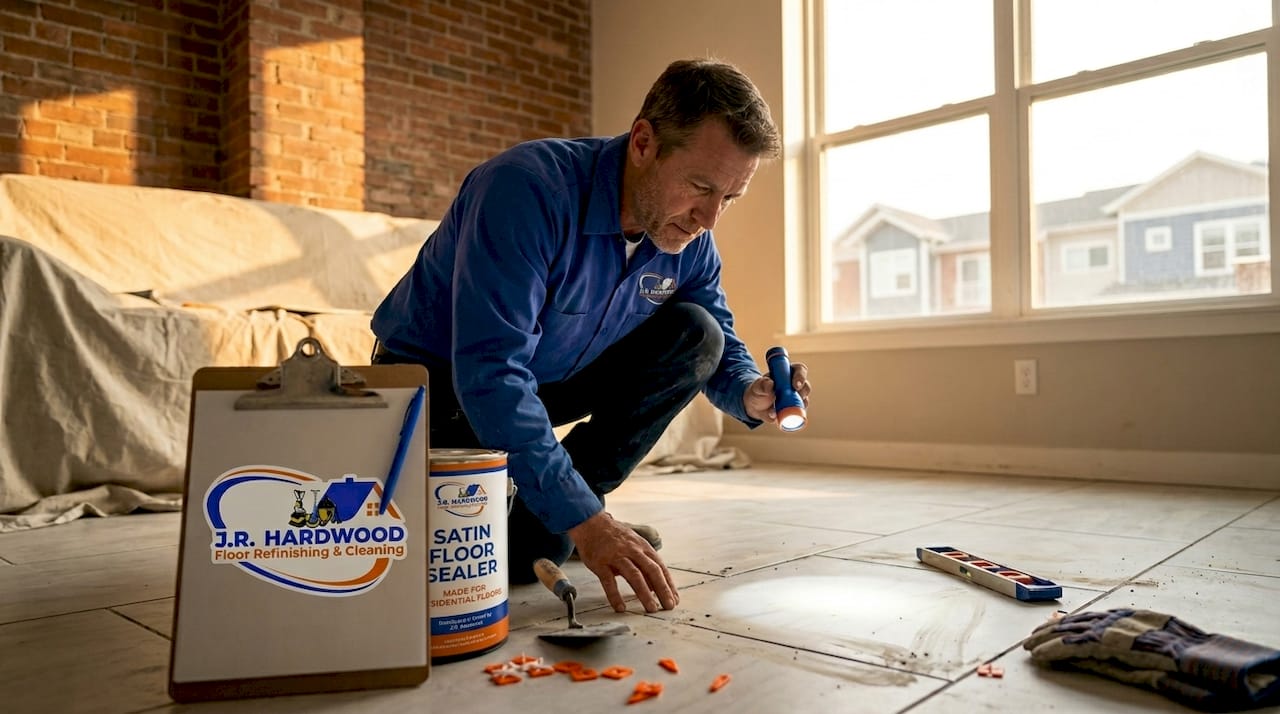
Pro Tip: Ask your flooring supplier for the AC rating (Abrasion Class) on laminate or the wear layer thickness in mils on LVP. These numbers are far more meaningful than vague claims like “heavy-duty” or “commercial grade.”
Top durable flooring types for homes and properties
With the criteria in mind, here’s how the leading durable flooring types measure up in real homes and commercial properties.
The six options that consistently rise to the top are porcelain tile, luxury vinyl plank and tile (LVP/LVT), laminate, polished concrete, rubber, and epoxy. Each one has a specific strength, and each one has a situation where it absolutely shines.
- Porcelain tile: Waterproof, scratch-resistant, and handles foot traffic like a champ. Best-in-class for high-traffic and wet areas according to Consumer Reports.
- LVP/LVT: Highly water-resistant and low-maintenance, especially rigid-core variants. Enormous aesthetic range.
- Laminate: Outstanding abrasion resistance, budget-friendly, but limited moisture tolerance.
- Polished concrete: Nearly indestructible, zero organic material to mold or rot, but can feel cold and hard underfoot.
- Rubber: Slip-resistant, impact-absorbing, and perfect for gyms, basements, or commercial kitchens.
- Epoxy: A coating applied over concrete that creates a seamless, chemical-resistant surface ideal for garages and industrial spaces.
Here’s a quick comparison to help you see how these options stack up across the metrics that matter most for flooring for high traffic areas.
| Flooring type | Water resistance | Scratch resistance | Impact resistance | Maintenance level | Aesthetics |
|---|---|---|---|---|---|
| Porcelain tile | Excellent | Excellent | Good (can crack) | Low (grout care needed) | Very high |
| LVP/LVT | Excellent | Very good | Good | Very low | High |
| Laminate | Moderate | Excellent | Good | Low | High |
| Polished concrete | Excellent | Very good | Excellent | Very low | Moderate |
| Rubber | Good | Moderate | Excellent | Very low | Moderate |
| Epoxy | Excellent | Good | Very good | Very low | Moderate |
You can also explore commercial durable flooring examples to see how these options are applied in real Denver properties, from retail lobbies to restaurant kitchens.
Pro Tip: Rigid-core LVP is one of the most underrated options for rental properties. It resists moisture from the bottom up, handles tenant wear and tear, and installs quickly over most existing subfloors. It’s the quiet overachiever of the flooring world.
Porcelain tile: The durability champion with caveats
Let’s look closer at the standout option. Porcelain tile earns its top-tier reputation honestly. It’s fired at extremely high temperatures, which makes it denser and harder than standard ceramic tile. It won’t absorb moisture, it resists stains without much effort, and it laughs at foot traffic.
Here’s why homeowners and property managers in Denver keep choosing it:
- Waterproof to the core: Unlike laminate or even some LVP products, porcelain won’t warp or swell when water gets beneath the surface.
- Scratch and stain resistance: Great for homes with pets, kids, or high cooking activity.
- Longevity: Properly installed porcelain tile in a kitchen or entryway can easily outlast the rest of the home’s interior finishes.
- Wet area performance: Bathrooms, mudrooms, and laundry rooms are where porcelain truly earns its keep.
But here’s the part most showrooms skip. Porcelain is only as durable as its installation. Porcelain tile is a top durability choice for high-traffic and wet areas, but it depends entirely on a stable, level subfloor. Flex in the subfloor leads to cracked grout lines, and cracked grout leads to water infiltration, then loose tiles.
Grout and sealing aren’t optional extras. Low-maintenance claims hold up only when the installation was done right and the grout is sealed at least every one to two years.
If you’re exploring how to keep your tile floors looking sharp for the long haul, check out our scratch-resistant floor tips and our guide on installing new floors so you go in with eyes wide open.
Luxury vinyl and laminate: Powerful choices for busy spaces
Beyond tile, these two options dominate for long-lasting, low-upkeep floors in real-world settings. Whether you’re managing a rental property in Aurora or refreshing a family room in Highlands Ranch, LVP/LVT and laminate are worth serious attention.
Luxury vinyl plank and tile (LVP/LVT):
- Wear layers range from 6 mils (light residential) to 20+ mils (heavy commercial use). Thicker wear layers mean longer life.
- Rigid-core LVP is especially popular with home builders because it’s highly water-resistant and dimensionally stable over concrete slabs.
- Works beautifully in basements, kitchens, and bathrooms where moisture risk is higher.
- Floats over existing subfloors in many cases, cutting installation time and disruption.
Laminate:
- Consumer Reports testing confirms laminate is among the most resilient choices for high-traffic homes, particularly for abrasion resistance.
- AC3 and AC4 rated laminate can handle serious foot traffic in living rooms, hallways, and even light commercial spaces.
- The core weakness is moisture. Standard laminate will swell and buckle if water sits on it or gets beneath it. Waterproof laminate options have improved this, but they still don’t match LVP for wet areas.
- Both require a properly prepared subfloor. Humps, dips, or moisture issues in the subfloor will cause clicks, bounces, or premature wear.
Key differences at a glance:
- LVP wins on water resistance and flexibility for wet zones.
- Laminate wins on surface abrasion resistance and often costs less per square foot.
- Both offer enormous aesthetic options that convincingly mimic hardwood or stone.
If you have dogs at home, check out our guide on scratch-resistant flooring for pets to find the right wear layer for your four-legged family members. And for properties that see a lot of action, our high-traffic floor care resource will help you build a maintenance routine that protects your investment.
Pro Tip: Always ask for the warranty terms on LVP. A 20-year residential warranty with a 5-year light commercial rating tells you a lot about how the manufacturer actually trusts the product under real-world conditions.
Polished concrete, rubber, and epoxy: The giants of commercial durability
For properties needing industrial-strength solutions, these three materials change the game. They’re most common in commercial settings, but they make excellent sense for certain residential applications too.
- Polished concrete: Concrete that’s been ground and honed to a smooth, reflective finish. Found in retail stores, restaurant dining rooms, and modern home interiors. Near-zero maintenance, no grout lines, and it lasts as long as the building itself.
- Rubber flooring: Slip-resistant and impact-absorbing. Ideal for home gyms, commercial fitness centers, and playrooms. It cushions falls and stays grippy even when wet.
- Epoxy coatings: Applied over existing concrete slabs to create a seamless, chemical-resistant surface. Popular for garages, warehouses, and commercial kitchens. A great choice for Denver homeowners who want a garage floor that can handle road salt, oil drips, and years of vehicle traffic.
Commercial flooring specialists recognize that polished concrete, porcelain tile, LVT, rubber, and epoxy systems offer the best balance of durability and manageable maintenance demands for high-traffic environments.
Here’s a quick comparison for commercial durability examples vs. residential favorites:
| Option | Typical cost (installed) | Expected lifespan | Maintenance burden | Best use |
|---|---|---|---|---|
| Polished concrete | Moderate to high | 30+ years | Very low | Commercial, basements |
| Rubber | Moderate | 20+ years | Very low | Gyms, rec rooms |
| Epoxy | Low to moderate | 10 to 20 years | Very low | Garages, utility areas |
| LVP/LVT | Low to moderate | 15 to 25 years | Very low | Residential, light commercial |
| Porcelain tile | Moderate to high | 30+ years | Low (grout) | Kitchens, baths, lobbies |
How to match your floor type to your space and lifestyle
With all these options, the right choice depends on your unique property and priorities. Here’s a simple step-by-step method to narrow it down.
- Define the use case. Is this a primary living area, a rental unit, a commercial space, or a moisture-prone zone like a basement or bathroom? Each use case shifts the priority ranking of your floor candidates.
- Assess expected wear. Think about foot traffic volume, pets, kids, and the type of furniture you use. A home with three large dogs needs a heavier wear layer than a guest bedroom.
- Evaluate moisture risk. Denver’s dry climate is generally friendly to flooring, but basements near Parker or older homes in Capitol Hill can have surprising moisture issues. Test your slab before committing to any floor.
- Plan for installation quality. Budget for professional installation. Seriously. The difference between a 10-year floor and a 30-year floor is often the installer, not the material.
- Factor in ongoing maintenance. Be honest with yourself. If you won’t seal grout every 18 months, tile might frustrate you. If you want something you can mop and forget, LVP or polished concrete might be your best friend.
Consumer Reports’ durability rankings shift depending on the use case. Porcelain tile ranks highest for wet areas; laminate and vinyl rank highest for general high-traffic abrasion. There’s no universal winner.
The most common mistake we see Denver homeowners make is choosing a floor based on showroom appearance alone without considering their actual lifestyle. And the most common property manager mistake is skipping subfloor prep to save money, then paying twice when the floor fails in year three.
Pro Tip: Denver sits at high altitude with low average humidity. That’s generally good news for wood-based floors, but it also means temperature swings between summer and winter are significant. Consider how your chosen floor handles seasonal expansion and contraction, especially near large windows or exterior doors.
Exploring the importance of craftsmanship will show you why the quality of workmanship is often the deciding factor in how long any floor truly lasts.
What most buyers miss about durable flooring and why it matters
Here’s a viewpoint most guides won’t tell you but that matters deeply for Denver Metro properties.
National flooring rankings are useful, but they’re built on controlled testing environments. Your home isn’t a lab. It has a 1960s slab with inconsistent moisture levels, or a wood subfloor that flexes slightly near the kitchen doorway, or a south-facing sunroom that sees temperature swings of 40 degrees between morning and afternoon in March.
We’ve seen stunning porcelain tile installations fail in under five years because the installer didn’t account for subfloor movement. We’ve also seen basic LVP look brand new after a decade in a high-traffic rental unit because the subfloor prep was meticulous and the installer used the right underlayment for the slab.
The uncomfortable truth is this: the floor you choose matters less than you think. The system, meaning the subfloor, the installation method, the product, and the ongoing maintenance plan, is what actually determines your outcome.
Denver’s climate adds another layer. The 300-plus sunny days a year are great for your mood but hard on floors near windows. UV fading, thermal expansion from radiant heat, and dry-season gapping are all real concerns that most online durability guides never mention.
We strongly encourage every Denver homeowner and property manager to treat flooring as a multi-phase commitment. Selecting the product is just step one. The real payoff comes from using expert installation teams who understand local conditions and can prep, install, and protect your floors as a complete system.
Don’t let a beautiful showroom product become a disappointing result because the full system wasn’t given the attention it deserved.
Get more from your floors: Professional solutions for Denver
If you want the greatest return and lowest stress from your durable flooring investment, local expertise can help. Whether you’re weighing whether refinishing is better than DIY or looking for a complete hardwood refinishing guide to understand your options, we have the resources and hands-on experience to walk you through every step.
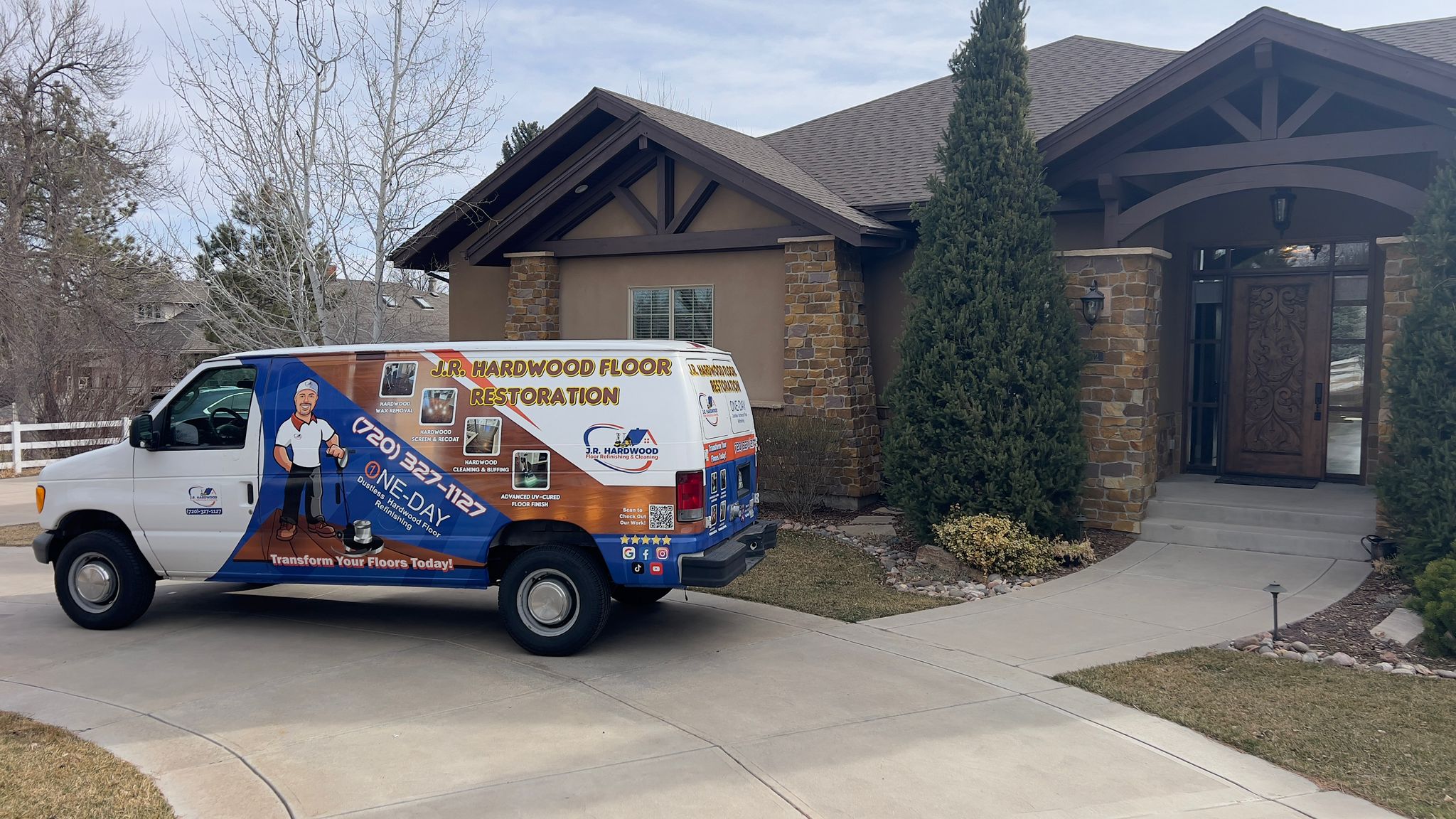
At J.R. Hardwood Floor Refinishing & Cleaning, we work with homeowners and property managers across the Denver Metro Area to install, restore, and protect floors that are built to last. From LVP and laminate installation to floor restoration in Denver, our team brings craftsmanship and clear communication to every project. Call us for a free over-the-phone quote and let’s build a flooring solution that fits your space, your lifestyle, and your budget.
Frequently asked questions
What is the most durable flooring for high-traffic areas?
Porcelain tile, laminate, and vinyl are consistently rated the top performers for high-traffic homes and properties based on independent testing. The best choice for your specific space depends on moisture levels and installation quality.
Which flooring handles moisture or wet areas best?
Porcelain tile and luxury vinyl flooring offer the strongest combination of durability and water resistance for kitchens, bathrooms, and basements. Both are excellent options as long as installation is done correctly.
Is installation quality really important for durable floors?
Absolutely. Subfloor preparation and installation quality are consistently cited as the biggest drivers of real-world floor lifespan, even more than the product itself. A poor install can cut a floor’s expected life in half.
What are the lowest-maintenance flooring options?
Luxury vinyl plank, polished concrete, and epoxy floors require minimal routine upkeep when correctly installed. These options are especially popular for rental properties and commercial spaces where cleaning time is limited.
Are commercial floors like epoxy or rubber ever a good choice for homes?
Yes, in garages, workshops, or basements, epoxy and rubber flooring offer exceptional durability with almost no maintenance burden. They’re smart, practical choices for any Denver homeowner who wants a functional, long-lasting surface in utility-heavy spaces.