 Skip to content
Hardwood floors add warmth and natural beauty to any home, but keeping them in top shape comes with its own set of challenges. From water stains caused by spills to scratches made by pets or furniture, the risks can feel never-ending. Small problems can quickly turn into costly repairs if you’re not careful.
You deserve solutions you can trust. This list will show you exactly how to protect your floors from the most common sources of damage and offer smart ways to handle issues if they arise. Get ready to discover practical tips and proven techniques that will help you maintain flawless hardwood floors for years to come.
Table of Contents
- Scratches And Surface Scuffs From Pets And Furniture
- Water Stains And Moisture Damage Problems
- Gouges, Dents, And Deep Indentations Explained
- Sun Fading And Discoloration On Hardwood Floors
- Warping And Cupping Due To Humidity Or Spills
- Loose Boards And Noisy Floor Movement Issues
- Wear Patterns In High-Traffic Hallways And Entryways
Quick Summary
| Takeaway | Explanation |
|---|---|
| 1. Use protective pads under furniture. | Soft felt pads can significantly reduce scratches caused by moving furniture across hardwood floors. |
| 2. Maintain indoor humidity levels. | Keeping humidity between 30-50% prevents moisture damage like warping or cupping in hardwood floors. |
| 3. Address spills immediately. | Quick action on spills mitigates potential water damage and preserves the integrity of hardwood flooring. |
| 4. Implement a no-shoes policy indoors. | Reducing dirt and debris from shoes helps minimize scratches and keeps hardwood floors in better condition. |
| 5. Schedule regular professional maintenance. | Periodic assessments and refinishing can restore appearance and protect against wear in high-traffic areas. |
1. Scratches and Surface Scuffs from Pets and Furniture
Hardwood floors are beautiful but vulnerable to damage from everyday activities, especially those involving pets and furniture. Surface scratches and scuffs can quickly diminish the elegance of your flooring, making prevention and quick repair critical for maintaining your home’s aesthetic appeal.
Pet nails and furniture legs are the primary culprits behind hardwood floor damage. Larger dogs with active movement or furniture frequently dragged across surfaces can create noticeable marks that compromise your floor’s finish. The National Wood Flooring Association recommends several strategic approaches to minimize and repair these common issues.
Preventative strategies include:
- Adding soft felt furniture pads under chair and table legs
- Keeping pet nails trimmed and filed to reduce sharp scratching potential
- Using area rugs in high-traffic zones to protect floor surfaces
- Placing protective mats under pet food and water dishes
When scratches do occur, homeowners have multiple repair options depending on the depth and severity of the damage:
- Light surface scuffs can often be buffed out using specialized wood floor cleaners
- Deeper scratches might require wood filler or touch-up stain markers
- Extensive damage could necessitate professional refinishing services
Consistent maintenance is your first line of defense against hardwood floor scratches.
For minor scratches, natural remedies like rubbing a walnut over the mark can help camouflage surface imperfections. These nuts contain natural oils that can blend into wood finishes and reduce scratch visibility.
Pro tip: Implement a strict no-shoes policy indoors and place protective mats at every entrance to dramatically reduce dirt and debris that can cause scratching.
2. Water Stains and Moisture Damage Problems
Water damage represents one of the most insidious threats to hardwood flooring, capable of causing extensive and often irreversible structural damage. Moisture infiltration can transform your beautiful hardwood floors from elegant surfaces to warped, discolored disasters in surprisingly little time.
Hardwood is inherently sensitive to moisture, with wood flooring damage potentially occurring through multiple sources such as:
- Spilled liquids
- High indoor humidity
- Leaking appliances
- Flooding events
- Condensation from temperature variations
The critical window for preventing permanent damage is incredibly narrow. Immediate action is required when moisture contacts your hardwood surfaces. Quick absorption can lead to:
- Surface discoloration
- Wood fiber swelling
- Potential mold growth
- Structural warping
Indoor humidity control plays a crucial role in protecting hardwood floors. Maintaining humidity levels between 30-50% and keeping room temperatures consistent can significantly reduce moisture-related risks.
Water is wood’s greatest enemy – prevention is always more effective than repair.
Professional restoration becomes necessary when water damage extends beyond surface-level staining. Specialized drying techniques and potential board replacement might be required to restore floor integrity.
Pro tip: Keep a microfiber cloth and wood floor cleaner nearby for immediate spill management, addressing moisture within minutes to prevent long-term damage.
3. Gouges, Dents, and Deep Indentations Explained
Hardwood floors are beautiful but vulnerable surfaces that can quickly show signs of damage from heavy furniture, dropped items, or high-impact activities. Deep indentations and gouges represent some of the most challenging and visually disruptive forms of flooring damage.
When hard objects strike or press against wood flooring, they can compress or tear wood fibers, creating permanent marks that compromise both aesthetic appeal and structural integrity. Wood floor maintenance experts recommend several strategies for addressing these types of damage.
Types of wood floor damage include:
- Shallow dents from furniture legs
- Deep gouges from dropped objects
- Compression marks from heavy items
- Impact damage from high-heel shoes
- Sharp object scratches
Remediation techniques vary depending on damage severity:
- Shallow dents might be repairable using steam techniques
- Medium depth gouges require wood filler
- Extensive damage needs professional refinishing
Steam repair methods can be particularly effective for minor dents. By carefully applying moisture and heat, compressed wood fibers can sometimes be restored to their original shape.
Not all floor damage is created equal – professional assessment is key to successful restoration.
Professional refinishing involves carefully sanding down to raw wood and reapplying protective finishes, which can completely transform damaged areas and restore your floor’s original beauty.
Pro tip: Place felt pads under furniture legs and use protective mats in high-traffic areas to minimize the risk of unexpected gouges and dents.
4. Sun Fading and Discoloration on Hardwood Floors
Sunlight might seem harmless, but it can be one of the most destructive forces affecting your hardwood floors. Ultraviolet radiation gradually transforms vibrant wood surfaces into faded, uneven landscapes of color that diminish your home’s aesthetic appeal.
Ultraviolet light damage impacts hardwood floors through complex chemical processes that break down surface pigments and finishes. Different wood species and stain colors react uniquely to sunlight exposure, creating unpredictable discoloration patterns.
Sources of sun damage include:
- Direct sunlight through windows
- Skylights and glass doors
- Reflected light from exterior surfaces
- Prolonged exposure during peak daylight hours
- Inconsistent room coverage
Preventative strategies involve:
- Installing UV-blocking window films
- Using heavy curtains or adjustable blinds
- Repositioning rugs and furniture periodically
- Applying UV-stabilized wood finishes
Uneven floor coloration occurs when some areas receive more sunlight than others, creating a patchy appearance that can drastically reduce your floor’s visual harmony.
Protecting your hardwood floors from sun damage is an investment in your home’s long-term beauty.
Professional refinishing can help restore and protect floors from further UV degradation, essentially providing a protective shield against ongoing sun damage.
Pro tip: Rotate area rugs and furniture every few months to ensure even sun exposure and minimize dramatic color differences across your hardwood floor.
5. Warping and Cupping Due to Humidity or Spills
Hardwood floors are living surfaces that breathe and respond dramatically to environmental conditions. Wood cupping represents one of the most frustrating and potentially irreversible forms of floor damage that can transform your beautiful hardwood into a wavy, uneven landscape.
Wood moisture dynamics create complex interactions between environmental humidity and wood fiber structure. When moisture penetrates unevenly, wood boards can distort dramatically, causing edges to rise higher than the center in a process known as cupping.
Primary causes of warping include:
- Inconsistent indoor humidity levels
- Direct water spills
- Uneven subfloor moisture
- Poor initial wood acclimation
- Leaks from plumbing or appliances
Strategic prevention involves:
- Maintaining consistent indoor humidity (35-55%)
- Using dehumidifiers in moisture-prone areas
- Addressing spills immediately
- Installing proper moisture barriers
- Allowing wood to acclimate before installation
Structural wood behavior changes based on moisture absorption, with flat-sawn wood being particularly susceptible to dramatic shape transformations.
Moisture control is not just maintenance – it’s preservation of your home’s beauty.
Severe warping often requires professional intervention, potentially involving board replacement or comprehensive floor restoration to return surfaces to their original condition.
Pro tip: Invest in a high-quality hygrometer to monitor indoor humidity levels and catch potential moisture issues before they become expensive problems.
6. Loose Boards and Noisy Floor Movement Issues
The symphony of creaks and squeaks emanating from your hardwood floor is more than just an annoying soundtrack – it is a critical indicator of underlying structural problems. Floor movement issues can signal deeper challenges that compromise both your floor’s integrity and your home’s comfort.
Timber flooring assemblies experience movement noise through complex interactions between materials, subfloor conditions, and installation techniques. Understanding these dynamics helps homeowners diagnose and address potential problems before they escalate.
Common causes of loose boards include:
- Inadequate initial installation
- Natural wood expansion and contraction
- Subfloor moisture variations
- Weakened support structures
- Age-related material degradation
Diagnostic steps for addressing noisy floors:
- Identify specific locations of board movement
- Check subfloor stability
- Examine fastening mechanisms
- Test for moisture-related issues
- Consider professional assessment
Acoustic floor performance depends on precise installation and maintenance techniques that minimize unwanted movement and noise generation.
Silent floors are healthy floors – noise is always a warning sign.
While some minor floor movement can be a normal characteristic of natural wood, persistent or increasing noise requires professional evaluation to prevent potential structural damage.
Pro tip: Walk your floors systematically and mark problematic areas with painter’s tape to help professional technicians quickly identify and address movement issues.
7. Wear Patterns in High-Traffic Hallways and Entryways
Every step tells a story on your hardwood floors, with high-traffic areas revealing a visual biography of your home’s daily life. Wear patterns are more than aesthetic blemishes they are intricate maps documenting how your family moves and lives.
Traffic wear distribution demonstrates predictable patterns of floor degradation that reflect human movement dynamics. Understanding these patterns helps homeowners anticipate and mitigate potential long-term flooring damage.
Common wear pattern characteristics include:
- Darker, smoother central walkway strips
- Lighter wood coloration on less-traveled edges
- Gradual finish erosion in consistent paths
- Reduced wood grain definition in high-use zones
- Subtle surface texture changes
Strategies for managing high-traffic wear:
- Use protective area rugs in primary movement corridors
- Rotate floor coverings periodically
- Apply additional protective finishes in wear-prone areas
- Implement a no-shoes indoor policy
- Schedule regular professional maintenance
Floor traffic dynamics reveal fascinating insights into household movement patterns and potential maintenance needs.
Your floors are silent witnesses to your home’s daily rhythm.
Professional floor refinishing can restore uniform appearance and protect against further wear by applying specialized protective coatings that resist degradation.
Pro tip: Place felt pads under area rugs and use strategic floor runners to distribute foot traffic and minimize concentrated wear in hallways and entryways.
Below is a comprehensive table summarizing the main issues and solutions related to hardwood flooring maintenance discussed throughout the article.
| Topic | Description | Solutions |
|---|---|---|
| Scratches and Scuffs | Hardwood floors can suffer from surface scratches caused by pets and furniture. | Apply felt pads to furniture, keep pet nails trimmed, and use area rugs. For repairs, use wood floor cleaners or touch-up markers. |
| Water Stains and Moisture Damage | Water exposure leads to discoloration, swelling, and potential mold. | Address spills immediately, control indoor humidity, and consider professional restoration for severe cases. |
| Gouges and Deep Indentations | Heavy impacts or sharp objects can create permanent marks. | Use wood filler for medium gouges, steam techniques for minor dents, and consider refinishing for extensive damage. |
| Sun Fading | Prolonged sunlight exposure discolors and damages wood. | Use UV-blocking window films, heavy curtains, and reposition rugs and furniture periodically. |
| Warping and Cupping | Uneven moisture causes boards to deform. | Maintain consistent humidity, address spills quickly, and utilize proper moisture barriers during installation. |
| Loose Boards and Noisy Floors | Structural changes cause squeaks and movement. | Inspect subfloor stability, address fastening issues, and consider professional intervention if necessary. |
| Wear Patterns in High-Traffic Areas | Frequent use leads to visible wear in specific areas. | Use protective rugs, rotate floor coverings, and apply additional floor finishes to safeguard high-traffic zones. |
Restore Your Hardwood Floors with Expert Care from J.R. Hardwood Floor Refinishing & Cleaning
Hardwood floor damage like scratches, water stains, gouges, or sun fading can feel overwhelming. You want your floors to look stunning again but may worry about finding the right solution that truly protects and restores their natural beauty. At J.R. Hardwood Floor Refinishing & Cleaning, we understand these common challenges and offer tailored services to fix everything from surface scuffs to structural warping.
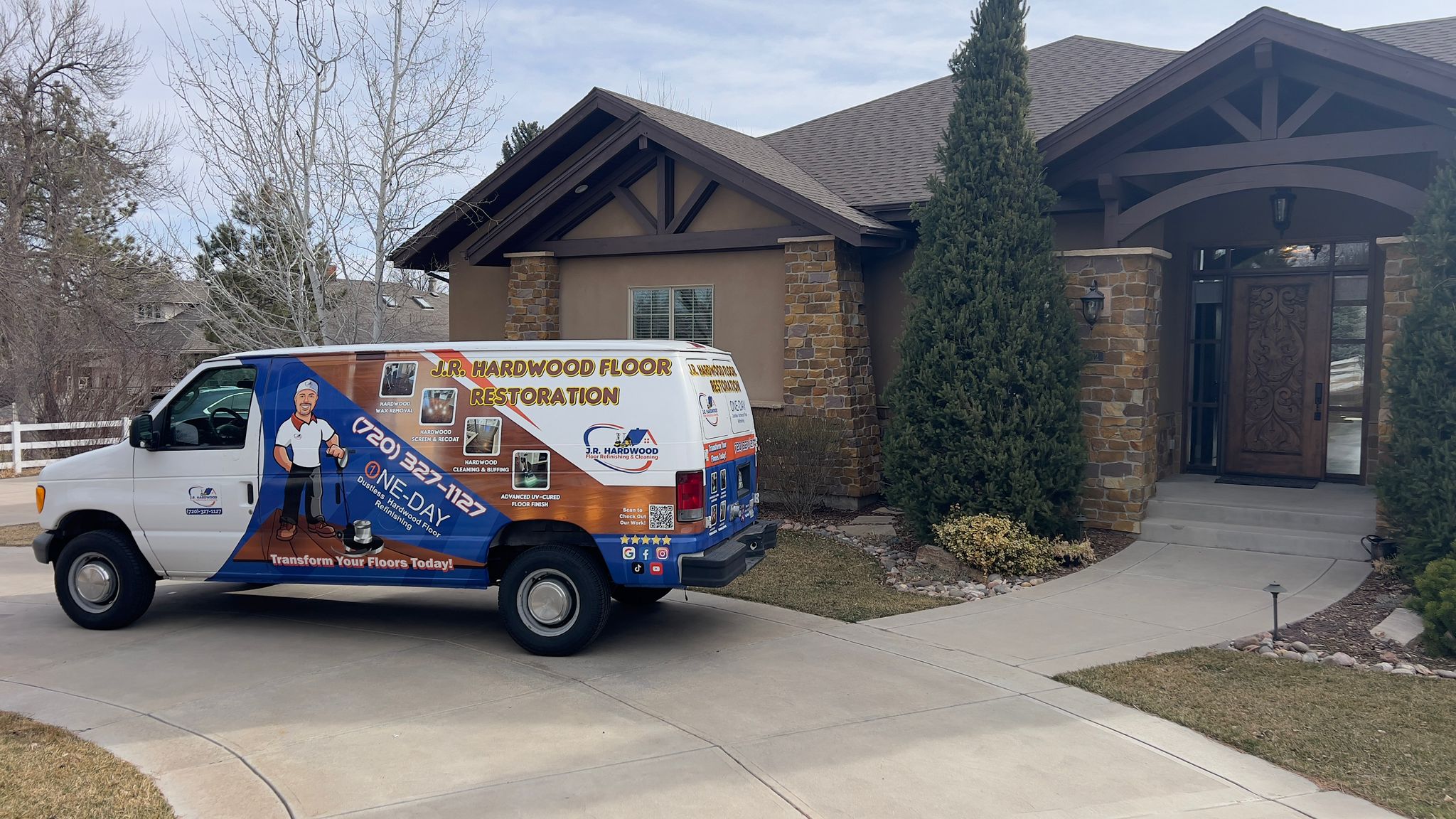
Don’t let wear patterns or loose boards steal the charm of your home. Our expert team uses eco-friendly products, advanced refinishing techniques, and clear communication to deliver beautiful, lasting results. Learn more about how our comprehensive services address multiple flooring issues in our Uncategorized Archives. Ready to transform your floors and extend their life? Visit our main site now for your free quote and expert guidance.
Frequently Asked Questions
What are common causes of scratches and surface scuffs on hardwood floors?
Surface scratches and scuffs on hardwood floors are typically caused by pet nails, dragging furniture, and high-traffic movement. To prevent these marks, add soft felt pads under furniture legs and keep pet nails trimmed regularly.
How can I repair water stains on my hardwood floors?
To repair water stains on hardwood floors, act quickly by absorbing spills with a microfiber cloth and using wood floor cleaner for minor stains. For deeper stains, apply wood filler or consider professional refinishing if the damage is extensive.
What steps can I take to prevent sun fading and discoloration on my hardwood floors?
To prevent sun fading on hardwood floors, install UV-blocking window films and use heavy curtains during peak sunlight hours. Additionally, rotating rugs and furniture every few months can help ensure even sun exposure.
How can I fix deep gouges or dents in hardwood flooring?
Deep gouges or dents in hardwood flooring can often be fixed by applying wood filler for medium depth damage or using steam techniques for shallow dents. For extensive damage, consider professional refinishing to restore the floor’s appearance.
What should I do if my hardwood floors are warping or cupping?
If your hardwood floors are warping or cupping, first maintain a consistent indoor humidity level between 35-55%. Address spills immediately and consider professional assessment if the damage is significant to determine the best course of action.
How can I manage wear patterns in high-traffic areas on hardwood floors?
To manage wear patterns in high-traffic areas, place protective area rugs in key movement zones and implement a no-shoes policy indoors. Regularly rotate rugs and use protective finishes for extra durability to extend the life of your floors.