 Skip to content
TL;DR:
- Proper floor maintenance involves consistent cleaning, protection, and preservation to prevent damage and wear.
- Most homeowners make mistakes by over-wetting floors, using inappropriate products, and neglecting debris removal before mopping.
Proper floor care maintenance is defined as the consistent practice of cleaning, protecting, and preserving floor surfaces to prevent premature wear and costly damage. The floor care mistakes to avoid most urgently are over-wetting, using the wrong cleaning products, and skipping grit removal before mopping. Over 90% of hardwood damage results from improper moisture exposure during daily cleaning. That single statistic tells you everything about where most homeowners go wrong. At Jrhardwoodfloorrefinishingandcleaning, we see the results of these errors every week across Denver, Parker, and Castle Rock. The good news is that nearly all of them are preventable with a few simple habit changes.
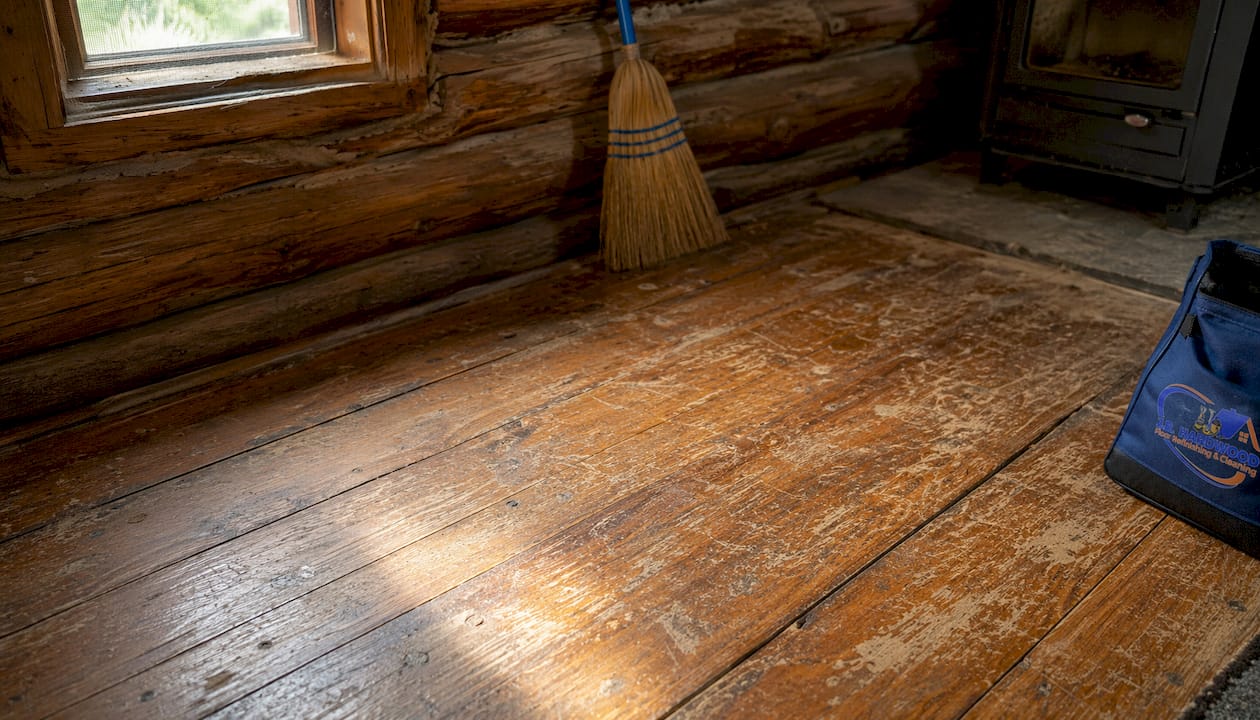
1. Floor care mistakes to avoid start with over-wetting your floors
Water is hardwood’s worst enemy, and most homeowners use far too much of it. Moisture seeping into seams causes swelling, cupping, and mold growth beneath the surface. By the time you see the damage on top, the problem underneath is already serious.
The difference between damp mopping and soaking is everything. Damp mopping means your mop is wrung out so thoroughly that it feels almost dry to the touch. Soaking means you are pushing water into every gap and seam with every pass.
Spills need immediate attention too. Leaving liquid on the floor for even a few minutes gives it time to work into the finish and the wood beneath.
Pro Tip: Use a flat microfiber mop wrung almost completely dry. If you can wring visible water from it, it is still too wet for hardwood or LVP.
- Never use a traditional string mop on hardwood or laminate
- Wipe up spills within 60 seconds whenever possible
- Run a dehumidifier in humid months to control ambient moisture
- Avoid mopping more than once per week on finished hardwood
2. Using the wrong cleaning products degrades your finish fast
Highly acidic or alkaline cleaners break down floor finishes and void most manufacturer warranties. Neutral pH cleaners, rated between 6 and 8 on the pH scale, are the safest choice for nearly every finished floor type. This is not a preference. It is the standard the flooring industry follows.
Ammonia and bleach are two of the most common offenders. Homeowners reach for them because they feel powerful, but they strip protective coatings and leave floors looking dull within months. Vinegar is another popular “natural” option that actually etches finishes and damages grout over time.
Furniture polish applied to floors creates a waxy film that attracts dirt and causes haziness. Removing that buildup requires professional sanding. That is an expensive fix for a problem that started with a $6 bottle of polish.
- Look for cleaners labeled “pH-neutral” or “safe for finished hardwood”
- Check your flooring manufacturer’s website for approved product lists
- Avoid multi-surface sprays that contain wax, oil soap, or citrus solvents
- Residues left behind by improper products attract dirt and can loosen planks permanently
Pro Tip: When in doubt, use plain warm water and a microfiber mop. It is safer than most commercial products and leaves no residue.
3. Skipping debris removal before mopping scratches your floors
Dry sweeping or dust mopping before any wet cleaning is one of the best practices for floor care that homeowners most often skip. Grit, sand, and dirt act like sandpaper on your floor’s wear layer. Every mop pass grinds those particles across the surface and leaves behind microscopic scratches.
Failure to remove abrasive debris results in visible scratches within weeks of heavy foot traffic. That timeline is shorter than most people expect. A floor that looked great in january can look dull by march if grit removal is skipped consistently.
The correct order is always sweep or vacuum first, then mop. Reversing that order spreads wet grit across the surface, which is worse than not mopping at all.
- Sweep or dust mop the entire floor before any wet cleaning
- Vacuum with the beater bar disabled on hard surface settings
- Apply your damp mop in the direction of the wood grain
- Allow the floor to dry completely before foot traffic resumes
Pro Tip: Place microfiber entry mats at every exterior door. They trap grit before it reaches your floors and reduce how often you need to sweep.
4. Using a vacuum’s rotating brush bar on hard floors causes hidden damage
Vacuum rotating brush bars must be disabled on hard surfaces to prevent microscopic abrasion networks that degrade the finish over time. Most homeowners do not realize their vacuum has a “hard floor” setting. They use the same mode for carpet and hardwood, and the spinning brush quietly dulls the finish with every pass.
The damage from beater bars is cumulative. You will not notice it after one cleaning. After six months, the floor looks worn and flat, and no amount of cleaning will restore the shine. That is because the finish itself has been abraded away.
Check your vacuum’s settings before every use on hard floors. Look for a mode labeled “hard floor,” “bare floor,” or a brush roll off switch. If your vacuum does not have this option, use a microfiber dust mop instead.
Vacuuming every 3–5 days removes grit before it has a chance to scratch. That frequency sounds like a lot, but it takes less than five minutes for most rooms and prevents damage that costs hundreds of dollars to fix.
5. Neglecting your cleaning equipment wears floors down faster
Worn-out cleaning equipment is a quiet cause of floor damage that most homeowners overlook. A microfiber mop pad that has been washed 50 times loses its ability to trap dirt and starts to drag grit across the surface instead. The pad looks fine, but it is no longer doing its job.
Aggressive cleaning with worn tools breaks down sealants and leads to buckling, mold growth, and adhesive failure over time. The tool itself becomes the source of damage.
- Replace microfiber mop pads every 3–6 months depending on use frequency
- Wash mop pads after every use to prevent bacteria and residue buildup
- Inspect mop heads for fraying or stiffness before each cleaning session
- Empty and rinse mop buckets after every use to prevent soap residue from transferring back to floors
Scheduling your cleaning routine also matters. Soil that sits on a floor for days bonds to the finish and requires more aggressive cleaning to remove. That aggressive cleaning then damages the finish. Cleaning lightly and often is always better than cleaning hard and infrequently.
6. Steam cleaning is one of the most damaging floor care errors
Steam mops cause irreparable damage to hardwood, LVP, and laminate by forcing moisture and heat into seams simultaneously. The heat softens adhesives. The moisture warps the planks. The result is often mistaken for normal wear and tear, so homeowners keep using the steam mop and the damage compounds.
Steam cleaning is appropriate for tile and some sealed stone surfaces only. Even then, it should not be used on unsealed grout, which absorbs moisture and cracks over time.
Pro Tip: If your floor type is hardwood, LVP, or laminate, put the steam mop in storage permanently. No marketing claim changes the physics of what heat and moisture do to wood and adhesive.
Here is a quick reference for floor-type-specific cleaning errors to avoid:
| Floor type | Mistake to avoid | Safe alternative |
|---|---|---|
| Hardwood | Steam mopping, wet mopping | Damp microfiber mop, pH-neutral cleaner |
| LVP | Steam cleaning, abrasive scrubbers | Damp mop, soft cloth |
| Laminate | Soaking, oil-based cleaners | Lightly damp mop, manufacturer-approved spray |
| Natural stone | Vinegar or acidic cleaners | pH-neutral stone cleaner, dry buff |
| Carpet | Over-wetting during stain treatment | Blot, never rub; use enzyme-based cleaner |
| Tile grout | Skipping sealing, bleach overuse | Seal annually, use neutral pH grout cleaner |
Acidic cleaners like vinegar dissolve the calcium in natural stone and grout. That damage is permanent. For carpet, over-wetting during stain treatment pushes the stain deeper into the pad and creates conditions for mold growth beneath the surface.
7. Skipping floor-specific maintenance routines shortens floor life
Every floor type has a maintenance schedule, and ignoring it is one of the most common floor cleaning pitfalls we see. Proper cleaning methods with neutral-pH solutions extend flooring lifespan by years and prevent moisture failures. That is not a minor benefit. It is the difference between refinishing at year 10 versus year 25.
Hardwood floors benefit from a hardwood floor maintenance guide that includes periodic screen and recoat services to refresh the finish before it wears through to the wood. Waiting until the finish is completely gone means a full sand and refinish, which costs significantly more.
LVP and laminate need less frequent maintenance but are not maintenance-free. Dirt buildup in the texture of LVP planks traps moisture and causes edge swelling over time. A consistent light cleaning routine prevents that entirely.
For tile, grout sealing once per year keeps moisture from penetrating and staining. Unsealed grout absorbs everything, and once it is stained deep, no surface cleaner will fix it.
Key Takeaways
Avoiding floor care mistakes requires consistent habits: dry before wet, neutral pH products, disabled beater bars, and floor-type-specific routines.
| Point | Details |
|---|---|
| Moisture is the top threat | Over 90% of hardwood damage comes from improper moisture use during cleaning. |
| pH-neutral products protect finishes | Acidic or alkaline cleaners strip coatings and void warranties faster than physical wear. |
| Always dry-clean before wet-cleaning | Sweeping or vacuuming first prevents grit from scratching the surface during mopping. |
| Disable beater bars on hard floors | Rotating brush bars create microscopic abrasion that dulls finishes over months. |
| Match your method to your floor type | Steam mops, vinegar, and oil soaps each damage specific floor types in irreversible ways. |
What I’ve learned from years on the floor
After working on hundreds of floors across Denver and the surrounding Colorado communities, I can tell you that the most expensive damage we fix is almost always preventable. The homeowners who call us with cupped hardwood or hazy, sticky floors are not careless people. They are people who used the wrong product with good intentions, or who trusted a steam mop because the packaging said it was safe for all floors.
The pattern I see most often is this: a homeowner notices their floor looking dull, adds a polish or oil soap to restore the shine, and the floor gets stickier and dirtier faster than before. Adding polish to dull floors often creates sticky residues that worsen over time rather than restore shine. By the time we arrive, there are three or four layers of product buildup that require professional removal.
The clients who keep their floors looking great for decades are the ones who keep it simple. Dry sweep often. Damp mop lightly. Use a cleaner their floor manufacturer approves. That is genuinely all it takes for most floors most of the time. When something goes wrong, they call us early, before a minor issue becomes a full replacement.
My honest advice is to resist the urge to fix a dull floor with more product. If your floor looks tired, it probably needs a professional screen and recoat or a deep clean, not another layer of something from the hardware store. Spend five minutes on the right routine daily, and your floors will reward you for years.
— J.R.
Your floors deserve professional care when it counts
When daily habits are not enough to bring your floors back, Jrhardwoodfloorrefinishingandcleaning is ready to help. We serve homeowners and property managers across Denver, Parker, Castle Rock, Boulder, and Colorado Springs with services that go far beyond a standard cleaning.
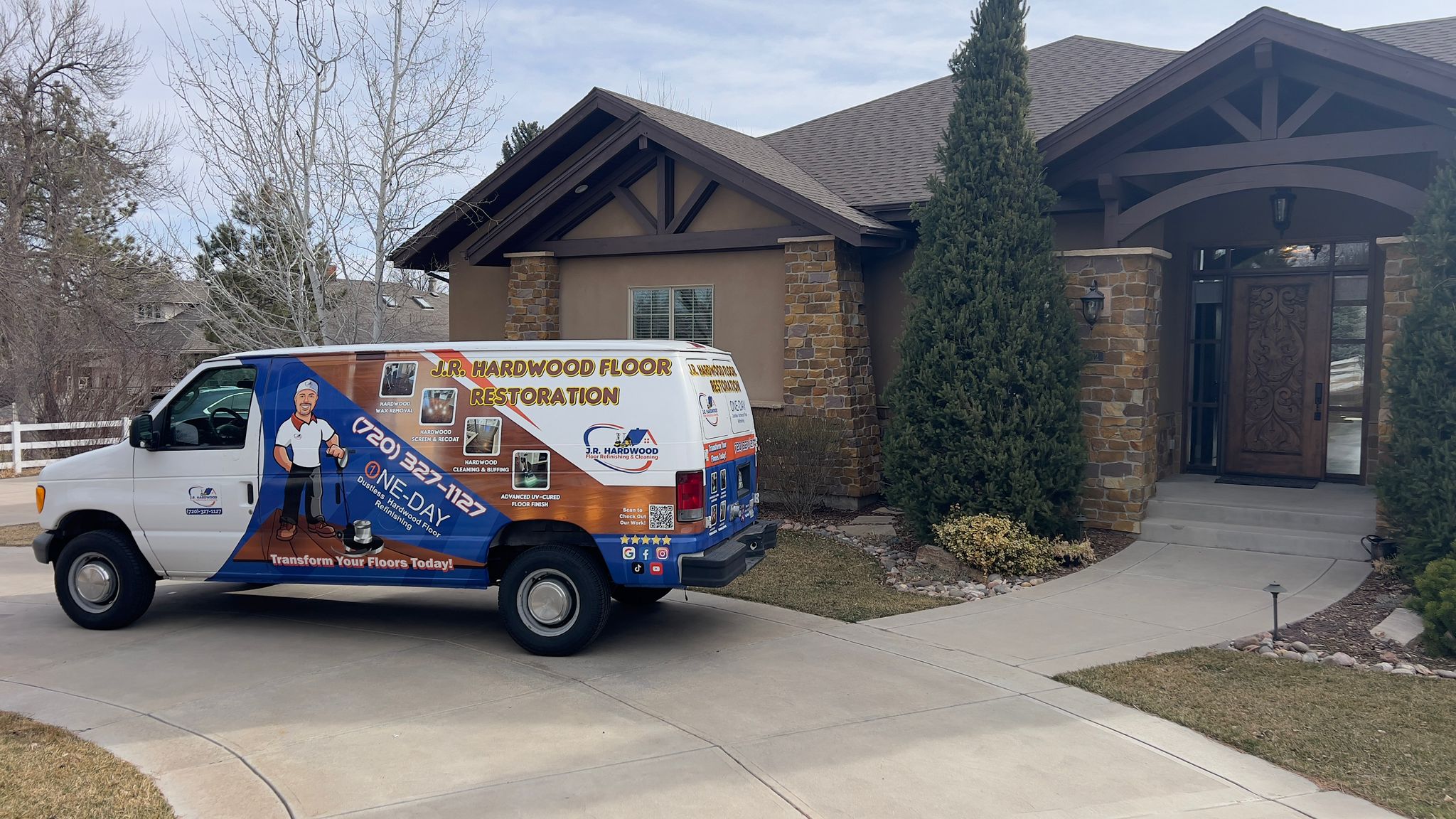
Whether your hardwood needs a full sand and refinish or just a screen and recoat to refresh a worn finish, we tailor every recommendation to your floor’s actual condition. We offer free over-the-phone quotes based on your description and photos, so you know what to expect before we arrive. Our team uses eco-friendly products and premium finishes that protect your floors and extend their life. With 5-star reviews across multiple platforms and detailed YouTube videos showing our process, you can see exactly what we do before you commit. If you are weighing your options, our DIY vs. professional refinishing guide is a great place to start.
FAQ
What is the biggest floor care mistake homeowners make?
Over-wetting is the most damaging floor care error. Over 90% of hardwood damage results from improper moisture exposure during routine cleaning.
Can I use vinegar to clean hardwood or stone floors?
Vinegar is acidic and damages both hardwood finishes and natural stone. Use a pH-neutral cleaner approved by your floor manufacturer instead.
How often should I vacuum hardwood floors?
Vacuuming every 3–5 days removes grit before it scratches the surface. Always use the hard floor setting with the beater bar disabled.
Are steam mops safe for LVP or laminate floors?
Steam mops are not safe for LVP or laminate. Steam forces heat and moisture into seams, which softens adhesives and warps planks over time.
How do I know if my floor needs professional refinishing versus just cleaning?
If your floor looks dull after cleaning or has visible scratches through the finish, it likely needs a screen and recoat or full refinishing. A complete hardwood refinishing guide can help you identify which service fits your floor’s condition.