 Skip to content
TL;DR:
- Eco-friendly finishes are low or zero-VOC coatings that protect floors while improving indoor air quality. Water-based polyurethane now rivals oil-based products in durability, lifespan, and ease of maintenance, and they dry faster with fewer VOC emissions. Certifications like FloorScore and GreenGuard Gold ensure these finishes are truly healthy options for homes and businesses.
Eco-friendly finishes are defined as low-VOC or zero-VOC coating products that protect hardwood floors while minimizing chemical emissions and supporting healthy indoor air quality. The role of eco-friendly finishes goes well beyond a feel-good label. Modern water-based polyurethane formulations now meet EPA VOC standards and carry certifications like FloorScore and GreenGuard Gold, proving they perform as well as traditional oil-based products. At Jrhardwoodfloorrefinishingandcleaning, we use these certified finishes on every job across the Denver Metro Area because they protect your floors, protect your family, and hold up beautifully for years.
How do eco-friendly finishes compare with traditional finishes in durability?
Water-based polyurethane is the industry standard for eco-friendly floor finishing, and its durability now rivals oil-based products. Approximately 80% of professional floor refinishing jobs in 2026 use water-based polyurethane finishes with an 8–12 year lifespan in commercial settings. That number tells you this is not a niche product. It is the mainstream choice for a reason.
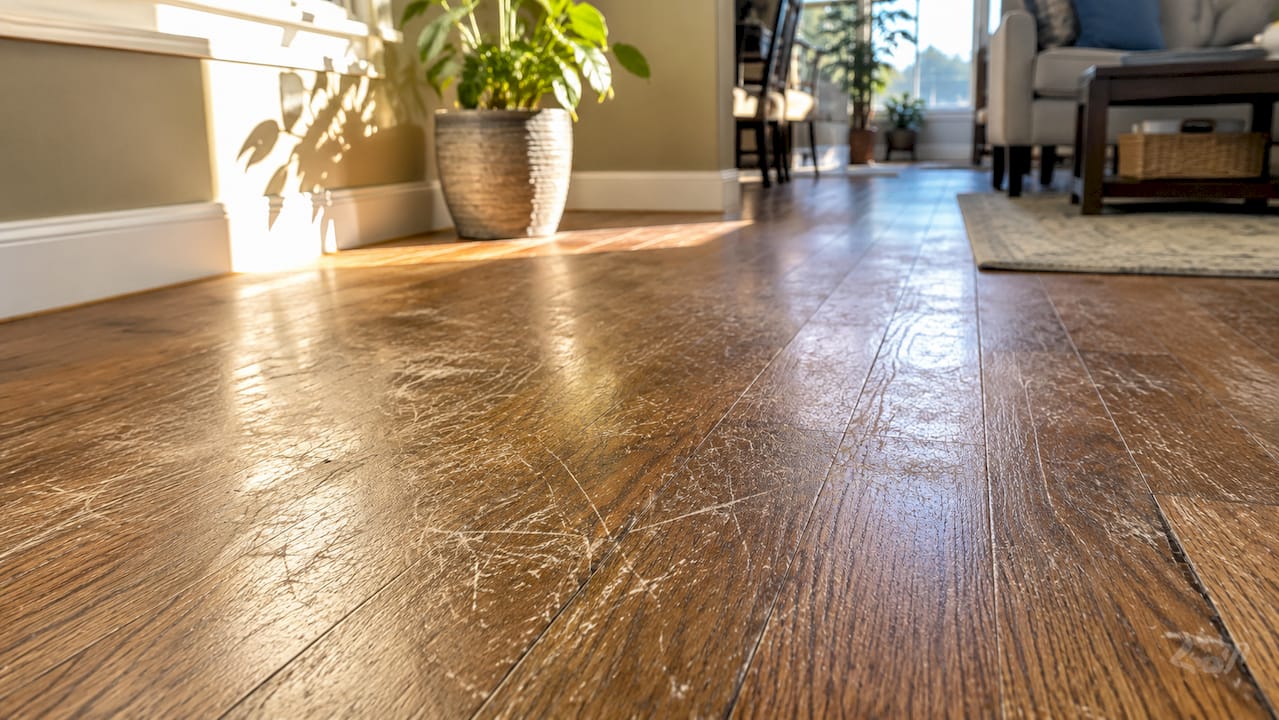
Earlier generations of water-based finishes had a reputation for being softer and less scratch-resistant than oil-based options. That gap has closed. Advances in cross-linking technology and aluminum oxide additives have made modern water-based formulas genuinely tough. For homes with kids, dogs, or heavy foot traffic, that matters a lot.
| Feature | Eco-friendly (water-based) | Traditional (oil-based) |
|---|---|---|
| Lifespan (high traffic) | 8–12 years | 8–10 years |
| Dry time between coats | 2–4 hours | 8–12 hours |
| Full cure time | 7–14 days | 30 days |
| VOC content | 50–275 g/L | 450–700 g/L |
| Color over time | Stays clear | Yellows and ambers |
Maintenance is also simpler with water-based finishes. They clean up with mild soap and water, and spot repairs blend more easily because the finish stays clear. Oil-based finishes darken over time, making touch-ups obvious.
Pro Tip: If you are refinishing a light maple or white oak floor, always choose a water-based finish. Oil-based products will amber the wood within a year, changing the color you paid for.
What are the environmental and health impacts of eco-friendly floor finishes?
The health case for water-based finishes is straightforward. Water-based finishes reduce VOC emissions by 70–90% compared to traditional oil-based products. To put that in plain numbers: water-based formulas run 50–275 g/L of VOCs versus 450–700 g/L for oil-based. That difference is not minor. It is the difference between a room you can sleep in the next night and one you need to vacate for weeks.
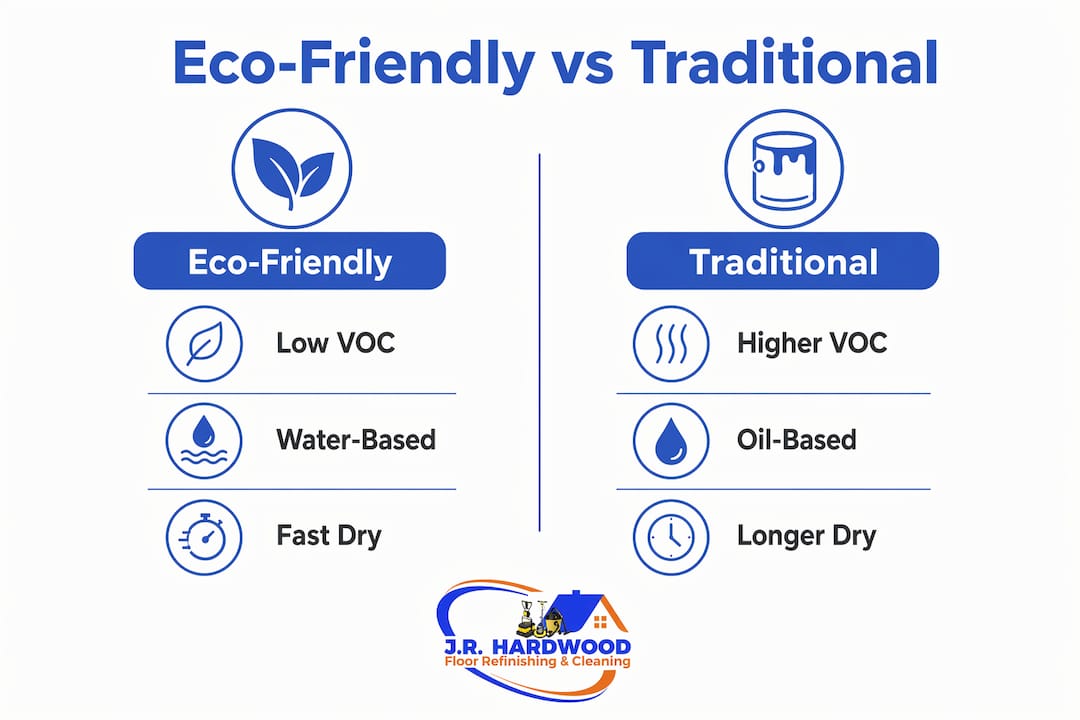
Off-gassing timelines are just as important as VOC levels. Water-based finishes can off-gas in as little as 48 hours. Oil-based finishes take 2–3 weeks to fully off-gas. For families with young children, elderly members, or anyone with respiratory sensitivities, that timeline is a real health consideration.
Here is what to look for when evaluating any finish for health and environmental safety:
- FloorScore certification: Tests for over 30 VOCs at levels well below EPA limits, not just the headline number.
- GreenGuard Gold certification: Stricter than standard GreenGuard, designed specifically for schools and healthcare environments.
- Low-VOC adhesives: Adhesives used during installation can be hidden sources of VOC emissions. A certified finish paired with a high-VOC adhesive still creates an air quality problem.
- Third-party testing: Manufacturer claims alone are not enough. Look for independent lab verification on the product label.
“Low-VOC labeling does not guarantee the absence of harmful additives like plasticizers. Independent certification from bodies like FloorScore or GreenGuard Gold is the only reliable way to confirm a finish is truly healthy for indoor environments.”
This is the detail most homeowners miss. A product can legally carry a “low-VOC” label and still contain plasticizers or other compounds that affect air quality. Certifications test for over 30 VOCs at levels significantly below EPA limits, which is the real standard worth trusting. Always ask your contractor which certifications the product carries, not just whether it is “eco-friendly.”
What aesthetic and practical benefits do eco-friendly finishes offer?
Eco-friendly finishes do not ask you to sacrifice beauty for responsibility. They deliver both. Water-based finishes preserve natural wood color by staying clear and non-yellowing over time, unlike oil-based finishes that amber and darken the floor. If you love the natural grain and tone of your white oak or maple, a water-based finish keeps it looking exactly the way you chose it.
The practical advantages stack up quickly for both homeowners and business owners:
- Low odor during application: You do not need to leave your home for days. The smell dissipates within hours, not weeks.
- Quick return to use: Walk-on time is typically 4–6 hours, so your family or customers are not locked out of the space for long.
- Easy cleaning: Mild soap and water handle most messes. You do not need harsh chemical cleaners that could degrade the finish.
- Chemical resistance: Modern water-based finishes hold up well against common household spills, including wine, juice, and pet accidents.
- Design flexibility: The clear finish works beautifully with every wood species and design style, from rustic farmhouse to modern minimalist.
For business owners, the low-odor and fast-dry benefits translate directly into less disruption. A restaurant or retail space refinished with a water-based product can reopen the next morning. The same job with an oil-based finish could mean two to three days of lost revenue. That is a real number worth factoring into your decision. You can read more about the benefits for your home on our site.
How do cost considerations affect the choice of eco-friendly finishes?
The upfront material cost of water-based finishes runs slightly higher than oil-based options. Oil-based finishes are typically $0.25–$0.50 per square foot cheaper on materials alone. That gap sounds meaningful until you factor in everything else.
- Faster dry times cut labor costs. Water-based finishes dry in 2–4 hours between coats versus 8–12 hours for oil-based. That means multiple coats in a single day, fewer labor days, and a shorter total project timeline.
- Faster re-occupancy saves money. Water-based finishes allow you to walk on the floor in 4–6 hours. Oil-based products require 24 or more hours. For a business, every hour of closure has a dollar value.
- Hidden costs favor eco-friendly options. Downtime, disruption, and loss of use often outweigh the initial material savings with oil-based finishes. Most homeowners do not account for hotel stays, takeout meals, or lost business revenue when comparing finish prices.
- Reapplication frequency matters. A finish that lasts 8–12 years in high-traffic conditions means fewer refinishing cycles over the life of the floor. That is real long-term savings.
Pro Tip: When getting quotes, ask contractors to break out material cost, labor days, and estimated downtime separately. The total project cost picture almost always favors water-based finishes once you include time and disruption.
The water-based finish guide on our site walks through these cost dynamics in detail if you want to dig deeper before making a decision.
What are practical tips for selecting and applying eco-friendly finishes?
Choosing the right finish is only half the equation. Application quality determines whether you get the full benefit of the product. Professional application and refined expertise are as critical as product choice for achieving durable, aesthetically pleasing results. A premium finish applied poorly will underperform a mid-range finish applied correctly.
Use these guidelines when selecting and applying environmentally safe finishes:
- Check certification labels first. Look for FloorScore or GreenGuard Gold on the product, not just “low-VOC” marketing language on the packaging.
- Match your adhesives. If your project involves installation, low-VOC certified adhesives are non-negotiable. Adhesive off-gassing can undermine every benefit of your certified finish.
- Hire a skilled professional. Application technique, sanding quality, and coat timing all affect the final result. Ask to see past work and read reviews before committing.
- Ventilate during application. Even low-VOC finishes benefit from good airflow during and after application. Open windows and run fans for the first 24 hours.
- Follow the manufacturer’s maintenance schedule. Most water-based finishes benefit from a screen and recoat every 3–5 years to extend their lifespan and keep them looking fresh.
- Avoid common DIY pitfalls. Skipping coats to save time, using the wrong applicator, or applying in high humidity are the most common mistakes that shorten finish life.
Pro Tip: Always ask your contractor which specific certified product they plan to use before the job starts. A professional who cannot name the product and its certification is a red flag.
Key Takeaways
Eco-friendly finishes deliver durable, healthy, and cost-effective floor protection when you choose certified products and apply them with professional skill.
| Point | Details |
|---|---|
| Durability is proven | Water-based polyurethane lasts 8–12 years in high-traffic settings, matching or exceeding oil-based options. |
| VOC reduction is significant | Eco-friendly finishes emit 70–90% fewer VOCs than oil-based products, improving indoor air quality. |
| Certification matters most | FloorScore and GreenGuard Gold certifications test for over 30 VOCs, going well beyond basic low-VOC labeling. |
| Hidden costs favor eco options | Faster dry times and re-occupancy reduce labor days, downtime, and disruption costs. |
| Application quality is critical | Skilled professional application affects finish durability and appearance as much as the product itself. |
What I have learned after years of applying eco-friendly finishes
After refinishing hundreds of floors across Denver, Parker, and Castle Rock, I have one clear observation: the homeowners who regret their finish choice almost always chose based on upfront material cost alone. They went with the cheaper oil-based option, then spent two weeks out of their house, came back to a strong smell, and watched their light-toned floors amber within a year. That is a frustrating outcome that a better-informed decision would have prevented.
The technology in water-based finishes has genuinely caught up. I no longer have to talk clients into them by explaining trade-offs. The product simply performs. What I do still have to explain is the certification piece. “Eco-friendly” and “low-VOC” on a label mean almost nothing without third-party verification. I have seen products marketed as green that contained plasticizers I would not want in my own home. GreenGuard Gold and FloorScore are the standards I trust, and they are the ones we use at Jrhardwoodfloorrefinishingandcleaning.
The other thing I tell every client: the finish is only as good as the application. I have seen beautiful certified products fail within two years because the prep work was rushed or the coats were applied too thick. Invest in a skilled professional, ask the right questions, and your floors will look great for a decade or more. That is not a sales pitch. That is just what the data and experience show.
— J.R.
Eco-friendly floor finishing services from Jrhardwoodfloorrefinishingandcleaning
At Jrhardwoodfloorrefinishingandcleaning, we use certified low-VOC and water-based finishes on every residential and commercial project across the Denver Metro Area. Whether your floors need a full sand and refinish or a screen and recoat, we match the right product to your floor’s condition and your family’s health priorities.
We offer free over-the-phone quotes based on verbal descriptions and photos, so you get clear pricing before we ever set foot in your home. If you are weighing your options, our DIY vs. professional refinishing page walks through exactly when professional application makes the biggest difference. Reach out today and we will help you find the right eco-friendly solution for your floors.
FAQ
What is the role of eco-friendly finishes on hardwood floors?
Eco-friendly finishes protect hardwood floors from wear, scratches, and moisture while emitting far fewer VOCs than traditional oil-based products. They preserve indoor air quality and extend floor life without sacrificing durability.
How long do water-based eco-friendly finishes last?
Water-based polyurethane finishes last 8–12 years in high-traffic commercial settings and often longer in residential homes with proper maintenance. A screen and recoat every 3–5 years extends that lifespan further.
Are eco-friendly finishes truly better for indoor air quality?
Yes. Water-based finishes contain 50–275 g/L of VOCs compared to 450–700 g/L for oil-based options, and they off-gas in as little as 48 hours versus 2–3 weeks. Certifications like FloorScore and GreenGuard Gold confirm performance beyond manufacturer claims.
Do eco-friendly finishes cost more than traditional options?
Water-based finishes cost slightly more per square foot in materials, but faster dry times and shorter project timelines reduce total labor costs. For business owners, faster re-occupancy also reduces lost revenue during refinishing.
Can I use eco-friendly finishes on any wood species?
Yes. Water-based finishes work well on all common hardwood species including oak, maple, hickory, and walnut. Their clear, non-yellowing formula is especially well-suited for light-toned woods where color preservation matters most.