 Skip to content
TL;DR:
- Effective floor care can boost a home’s perceived value by making floors look clean and well-maintained.
- Routine habits like daily dust mopping and humidity control prevent costly damage and improve listing appeal.
Floor care tips for realtors are the fastest, most cost-effective way to lift a listing’s perceived value before a single buyer walks through the door. Buyers form opinions about a home’s cleanliness within the first 30 seconds, and floors are the first surface they scan. Streaks, scuffs, and grit signal neglect. Clean, well-maintained floors signal pride of ownership. The good news? Most of what separates a forgettable listing from a standout one comes down to consistent real estate floor maintenance, the right cleaning products, and knowing when to call in a professional.
1. What daily and weekly floor care routines should realtors recommend?
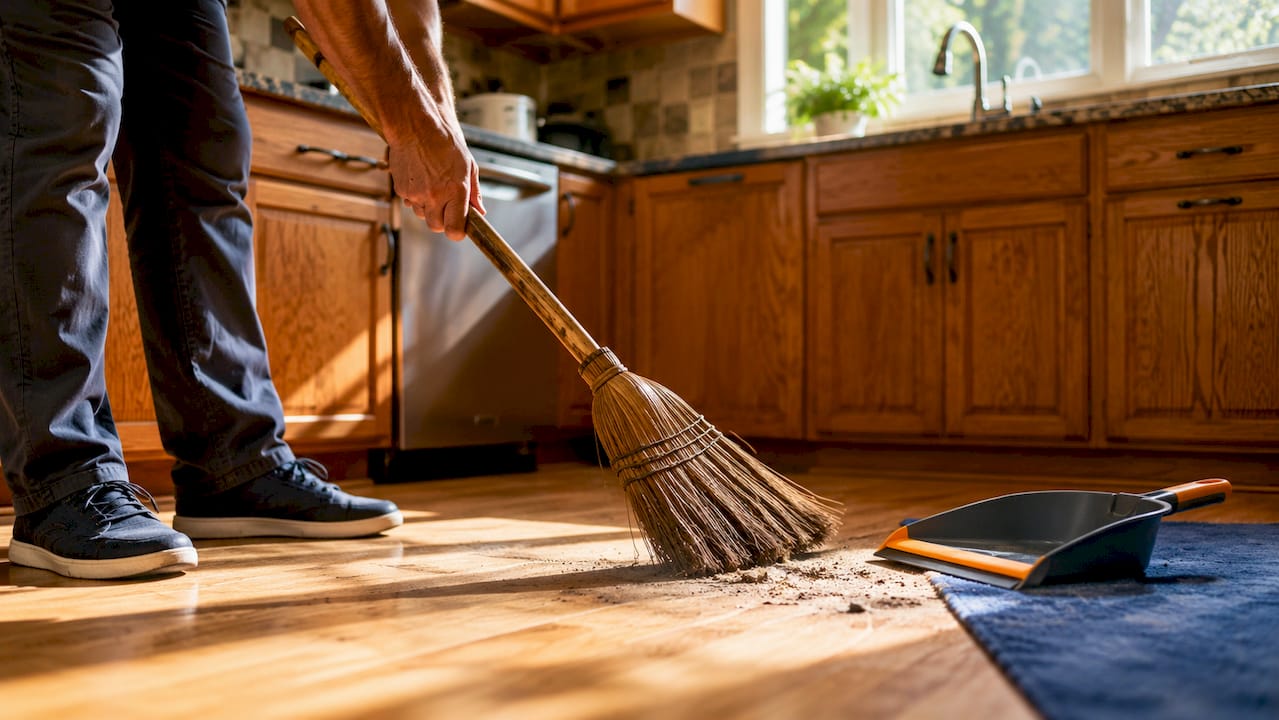
Daily habits are the foundation of every strong floor care plan. Daily dust mopping prevents grit buildup that acts like fine sandpaper on floor finishes. That grit, tracked in from shoes and pets, causes premature wear that no amount of polish can hide.
Here is a simple routine sellers can follow:
- Daily: Sweep or dust mop all hard floors with a microfiber dust mop. Microfiber traps particles instead of pushing them around.
- Daily: Vacuum carpets in high-traffic areas, paying extra attention to edges and corners where debris collects.
- Weekly: Damp mop hard floors using a manufacturer-approved, pH-neutral cleaner. Wring the mop until it is barely damp.
- Immediately: Wipe up any spills on hardwood or laminate right away. Moisture is the enemy of both surfaces.
- Always: Place entry mats outside and inside every exterior door. Mats catch the majority of tracked-in dirt before it reaches the floor.
Pro Tip: Tell sellers to think of daily sweeping like brushing their teeth. It takes two minutes and prevents a very expensive problem later.
Realtors should reframe floor maintenance as a consistent habit, not a one-time chore. Sellers who adopt these routines before listing will need far less professional intervention.
2. How does humidity control protect floors during a listing?
Maintaining indoor relative humidity between 35% and 55% is critical for hardwood and laminate floors year-round. Wood expands when humidity climbs too high, causing cupping and warping. It contracts when humidity drops too low, leaving visible gaps and cracks.
- Too humid: Boards cup upward at the edges, creating an uneven surface buyers will notice immediately.
- Too dry: Boards shrink and pull apart, leaving gaps that look like deferred maintenance.
- Solution: Recommend a whole-home humidifier in dry Colorado winters and a dehumidifier during humid summer months.
- Bonus: Stable humidity also protects the floor’s finish, keeping it glossy and intact longer.
Realtors serving the Denver Metro Area know Colorado winters are notoriously dry. A simple humidifier, often available for under $50, can prevent the kind of floor damage that costs thousands to repair. You can share more detail with sellers using this guide on protecting hardwood from moisture.
Pro Tip: Position humidity control as a low-cost, preventative investment. Sellers spend $50 on a humidifier or $2,000 on floor repairs. The math is easy.
3. When should realtors schedule professional floor care before listing?
Timing professional floor care correctly is one of the most overlooked realtor flooring presentation tips. Book professional deep cleaning 2–3 weeks before listing, then schedule a final touch-up 24–48 hours before photography and open houses.
- 2–3 weeks out: Schedule a full professional cleaning for hard floors, carpets, and area rugs. This gives time to address any issues the cleaning reveals.
- 48 hours before photos: A light buff or final clean removes any dust or smudges that settled after the deep clean.
- Before every open house: A quick sweep and spot check keeps floors looking photo-ready.
- Behind appliances and furniture: Professional cleaning uncovers hidden dust in areas buyers often inspect. Neglected edges and corners signal poor overall home care.
Professional floor care does more than clean. It removes buyer objections before they form. A buyer who sees spotless floors under the refrigerator trusts that the rest of the home has been cared for just as well. Learn more about the full impact of professional floor cleaning benefits.
4. How do different floor types need different care?
Not all floors are created equal, and the wrong cleaner on the wrong surface causes real damage. Generic all-purpose cleaners and steam mops can strip hardwood finishes and cause warping from excess moisture. Realtors who understand floor-specific care give sellers much better guidance.
| Floor type | Do this | Avoid this |
|---|---|---|
| Hardwood | Dust mop daily, use pH-neutral hardwood cleaner, add felt pads under furniture | Steam mops, vinegar, ammonia, excess water |
| Laminate | Dry sweep or vacuum, light damp mop with laminate-safe cleaner | Wax, excess water, abrasive scrubbers |
| Tile and grout | Sweep and mop regularly, seal grout periodically | Acidic cleaners that erode grout |
| Luxury vinyl plank (LVP) | Dust mop, use vinyl-friendly cleaner, check seams for lifting | Solvent-based cleaners, steam mops |
| Carpet | Vacuum thoroughly, spot treat stains promptly, schedule pro cleaning before listing | Overwetting during spot treatment |
Moisture control with pH-neutral cleaners preserves floor finish and prevents chemical damage across all hard floor types. The right product costs no more than the wrong one. It just takes knowing which to use.
For hardwood specifically, felt pads under every chair and table leg are non-negotiable. One dragged chair leaves a scratch that buyers will photograph and use in their offer negotiation.
5. What subtle details do realtors often miss that hurt buyer perception?
Visible floor damage triggers buyer objections before they have even seen the rest of the home. The details that get overlooked are often the ones that cost sellers the most.
- Baseboards and corners: Dust builds up here and is highly visible at floor level. Wipe baseboards with a damp cloth before every showing.
- Scuff marks: A tennis ball on a broom handle removes most scuffs from hard floors in seconds. Do it before every open house.
- Rubber-backed mats: These cause discoloration on hardwood and LVP over time. Replace them with non-rubber, breathable rugs during the listing period.
- No-shoes policy: Place a polite sign and a shoe rack at the entry during open houses. This single step protects floors from new damage during showings.
- Worn furniture pads: Check every piece of furniture. A missing felt pad is a scratch waiting to happen.
Pro Tip: Walk through the home at buyer eye level, literally crouching down to look across the floor surface. You will spot scuffs, streaks, and dust that are invisible from standing height.
Floors act as an asset in real estate marketing. Cohesive, well-maintained flooring sends a strong signal that the entire home has been cared for. One overlooked scuff mark can undercut that message.
6. When is restoration smarter than a full replacement?
Screen and recoat floor restoration refreshes dull or scuffed hardwood at a fraction of the time and cost of full sanding and refinishing. This is one of the most powerful tips for maintaining floors that realtors rarely share with sellers.
Full replacement is rarely necessary before a listing. Here is how to think about it:
- Screen and recoat: Best for floors with surface dullness, light scratches, and worn finish. No sanding required. The floor looks new in one day.
- Full refinishing: Best for deep scratches, gouges, stains, or floors that have never been refinished. Takes 2–3 days but adds significant value.
- Replacement: Only necessary when boards are structurally damaged, warped beyond repair, or severely mismatched.
Realtors who understand the difference between restoration and refinishing options can save sellers thousands of dollars while still delivering a listing-ready result. A screen and recoat from Jrhardwoodfloorrefinishingandcleaning, for example, can make a 15-year-old floor look like it was just installed, without the cost or downtime of a full sand-down.
Key Takeaways
The most effective floor care strategy for realtors combines daily maintenance habits, type-specific cleaning products, timed professional services, and targeted restoration to maximize buyer appeal and listing value.
| Point | Details |
|---|---|
| First impressions are floor-level | Buyers assess cleanliness within 30 seconds, starting with floors and entryways. |
| Daily habits prevent costly repairs | Microfiber dust mopping and immediate spill cleanup stop damage before it starts. |
| Humidity control is non-negotiable | Keep indoor humidity at 35%–55% to prevent warping, cupping, and gaps in hardwood. |
| Time professional cleaning correctly | Book deep cleaning 2–3 weeks out and a final touch-up 24–48 hours before photos. |
| Restoration beats replacement | Screen and recoat refreshes worn hardwood faster and cheaper than full refinishing. |
Why I think floors are the most underrated listing tool
After years of working with floors in homes across Denver, Parker, Castle Rock, and beyond, I have seen one pattern repeat itself: sellers spend thousands staging furniture and zero dollars on the floors those buyers are literally standing on. That is backwards.
Floors cover every square foot of a home. They are the one surface buyers cannot avoid. A buyer who walks in and feels grit under their feet, or spots a dull, scuffed finish, has already started mentally discounting the offer. A buyer who walks in and sees clean, glowing floors feels like the home has been loved. That feeling translates directly into stronger offers and faster sales.
The realtors I work with who get the best results treat floor care as part of their listing prep checklist, not an afterthought. They coach their sellers on preparing floors for sale months before the sign goes in the yard. They know the difference between a screen and recoat and a full refinish. They ask about floor type before recommending a cleaner.
The ROI on professional floor care is real. A $400 screen and recoat can add thousands to a final sale price and shave weeks off time on market. That is not a guess. That is what we see happen, listing after listing, across the Denver Metro Area.
— J.R.
Jrhardwoodfloorrefinishingandcleaning: floor care built for listings
Realtors across the Denver Metro Area trust Jrhardwoodfloorrefinishingandcleaning to get floors listing-ready fast. Whether a seller needs a full hardwood refinish, a quick screen and recoat, or a professional deep clean before photography, we tailor every service to the floor’s condition and the listing timeline.
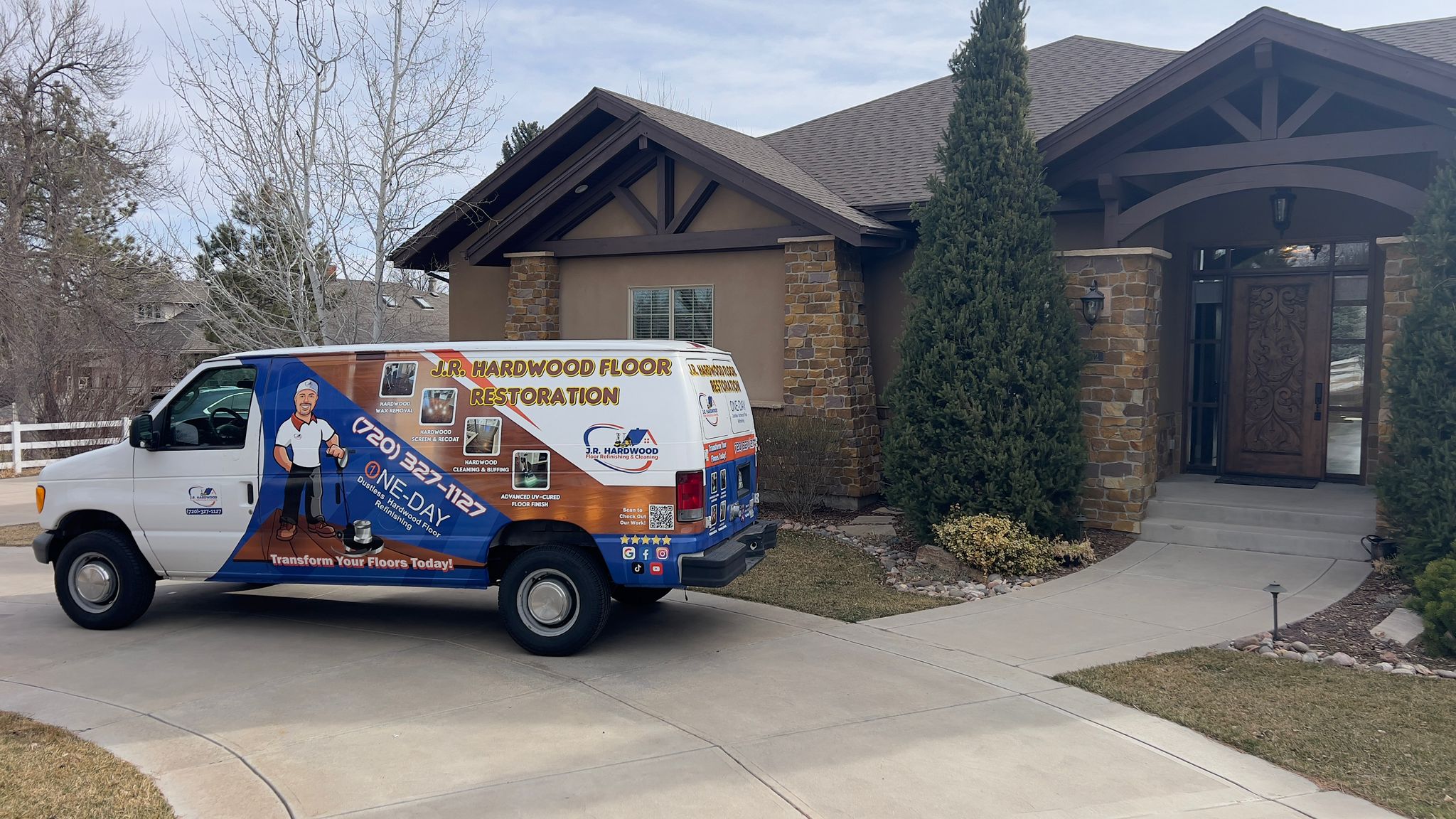
We offer free over-the-phone quotes based on verbal descriptions and photos, so you can get a clear picture of cost and timing without scheduling an in-person visit. From Parker and Castle Rock to Boulder and Colorado Springs, our team delivers results that show up in listing photos and hold up through open houses. If you want to know whether your seller’s floors need a full hardwood floor refinishing service or a lighter touch, give us a call. We will tell you exactly what the floor needs and what it will cost.
FAQ
How often should floors be professionally cleaned before a listing?
Schedule professional deep cleaning 2–3 weeks before listing and a final touch-up 24–48 hours before photography or open houses. This timing keeps floors at peak condition for buyer-facing moments.
What is the best cleaner for hardwood floors in a listing?
Use a pH-neutral, manufacturer-approved hardwood cleaner applied with a barely damp mop. Avoid steam mops, vinegar, and ammonia, which strip finish and cause moisture damage.
Is screen and recoat worth it before selling a home?
Yes. Screen and recoat refreshes dull or lightly scratched hardwood at a fraction of full refinishing cost, often making floors look new in a single day without sanding.
What humidity level protects hardwood floors during a listing?
Keep indoor relative humidity between 35% and 55% year-round. Outside that range, hardwood expands, cups, warps, or develops gaps that buyers will notice and flag.
What floor care details do buyers notice most during showings?
Buyers notice streaks, scuffs, dirty grout, and debris in corners and edges. Cleaning baseboards, removing scuff marks, and placing entry mats are the highest-impact finishing touches before any showing.