 Skip to content
TL;DR:
- Dustless sanding connects vacuum systems and HEPA filters directly to sanding equipment, capturing about 99% of dust at the source. It improves indoor air quality, produces a smoother finish, and extends hardwood floor lifespan by preserving more material. Although slightly more expensive initially, it offers significant health, quality, and convenience benefits for homeowners.
Dustless sanding is defined as a floor refinishing method that connects industrial vacuum systems and HEPA filtration directly to sanding equipment, capturing approximately 99% of dust at the source before it ever reaches the air. The advantages of dustless sanding go well beyond a cleaner jobsite. This method protects your family’s health, produces a smoother finish, and extends the life of your hardwood floors compared to traditional sanding. Whether you are a homeowner in Denver planning a floor refresh or a contractor evaluating your equipment options, understanding how dust-controlled sanding works will help you make a smarter decision. We at Jrhardwoodfloorrefinishingandcleaning use this technology on every project because the results speak for themselves.
1. how dustless sanding improves indoor air quality
The biggest health advantage of dustless sanding is the dramatic reduction of airborne fine particulate matter during refinishing. Traditional sanding sends wood dust, old finish particles, and allergens floating through your home for hours or even days. Dustless systems change that picture entirely.
“Reducing dust protects families with allergies, pets, or respiratory issues from dust exposure hazards during refinishing projects.” — Heffernan Hardwood
HEPA filters, which are the gold standard in air filtration, trap 99.97% of particles down to 0.3 microns in size. That means fine wood dust, finish residue, and microscopic allergens are captured before they settle on your furniture or get pulled into your HVAC system.
Here is who benefits most from this cleaner air:
- Families with young children who spend time on the floor
- Pet owners whose animals cannot leave the home during a project
- Anyone with asthma, allergies, or other respiratory sensitivities
- Homeowners who want to stay in the house during refinishing
The difference compared to traditional sanding is not subtle. Conventional methods leave a fine gray film on every surface in the room, including inside cabinets and air vents. Dustless sanding keeps that mess contained, making your home feel like a worksite for hours, not weeks.
2. smoother finish and better finish adhesion
A cleaner sanding environment directly produces a higher-quality finish coat. When dust particles settle into wet polyurethane or oil-based finish, they create tiny bumps, craters, and inconsistencies that are visible once the floor dries. Less dust settling leads to smoother, more consistent finish coats across the entire surface.
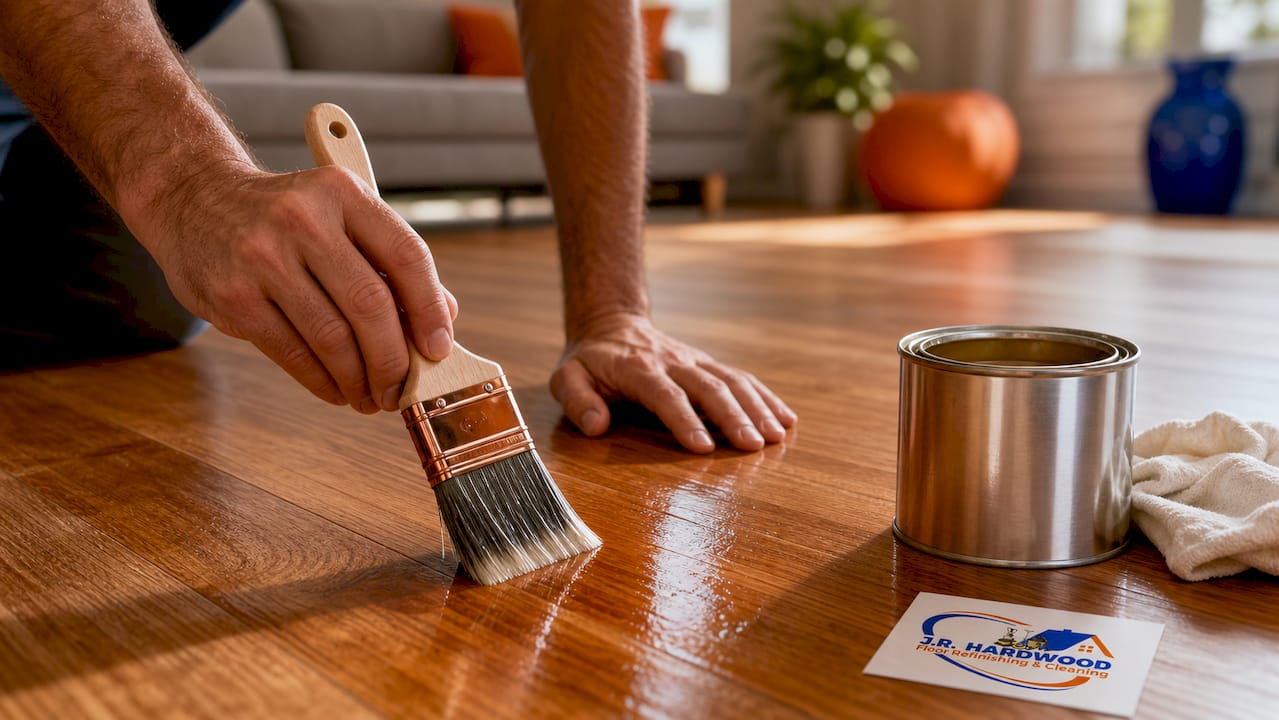
Think of it like painting a car. A body shop that sands in a dust-controlled booth gets a glass-smooth result. One that sands in an open garage ends up with a gritty, uneven surface. Your hardwood floors work the same way.
Dustless sanding also keeps abrasive grains sharper and cooler because vacuum extraction removes debris continuously. Cleaner abrasives cut more evenly, which means fewer swirl marks, less sanding variation, and better finish adhesion through cleaner wood surfaces. The result is a floor that looks professionally done because it was done in professional conditions.
Pro Tip: Ask your contractor to show you the sanding equipment before the job starts. If the sander does not have a direct vacuum connection and a HEPA-rated filter, the “dustless” claim may not hold up.
3. extended floor lifespan and more refinishing cycles
One of the most overlooked benefits of dustless sanding is how much wood it saves. Traditional drum sanders are aggressive. An inexperienced operator or imprecise equipment can remove far more wood than necessary, eating into the floor’s thickness with every refinishing cycle.
Dustless sanding systems are designed for precision. Precision sanding preserves more wood surface versus conventional methods, which can remove excess material unnecessarily. That matters because hardwood floors can only be sanded a limited number of times before the wood becomes too thin to refinish.
By removing only the damaged layer, dustless sanding can extend floor lifespan by 2–3 refinishing cycles. Over the life of a home, that translates to decades of additional use from the same floor. For homeowners in Denver and the surrounding Colorado communities, where quality hardwood is a significant investment, that kind of preservation is worth real money.
You can learn more about how sanding depth affects your floor’s long-term health in our guide to hardwood floor sanding.
4. less cleanup and less home disruption
Traditional sanding turns a floor refinishing project into a whole-house event. Dust migrates through doorways, settles on countertops, and coats every surface within reach. Homeowners often need to bag furniture, cover electronics, and sometimes vacate entirely. Dustless sanding changes that experience significantly.
Dustless sanding reduces disruption, allowing homeowners to stay in their homes more comfortably during refinishing projects. A cleaner worksite means less relocation need and faster project completion overall. For busy families in Parker, Castle Rock, or Boulder, that convenience is a genuine quality-of-life improvement.
The operational benefits stack up quickly:
- Post-project cleanup takes a fraction of the time compared to traditional sanding
- Furniture and personal belongings need less protection and wrapping
- HVAC systems face far less risk of dust contamination and clogged filters
- Neighboring rooms stay cleaner, reducing the project’s footprint in your home
- Contractors can move through the job faster with a cleaner worksite
Pro Tip: Dust extraction efficiency depends on airflow, hose diameter, and hose length. Antistatic hoses, particularly 27mm diameter models, optimize vacuum pressure and prevent static buildup. If your contractor uses a generic hose connection, ask whether it is rated for the sander’s airflow requirements.
5. dustless sanding vs. traditional sanding: cost and value
Dustless sanding costs 10–30% more upfront than traditional sanding due to specialized equipment and the additional labor involved in dust management. That price difference is real, and it is worth understanding what you get in return.
The table below breaks down the key differences so you can weigh the trade-offs clearly.
| Factor | Dustless Sanding | Traditional Sanding |
|---|---|---|
| Upfront cost | 10–30% higher | Lower initial price |
| Cleanup time | Minimal post-project cleanup | Extensive whole-home cleanup |
| Health impact | Dramatically reduced airborne dust | High dust exposure during and after |
| Finish quality | Smoother, more consistent coats | Risk of dust particles in finish |
| Floor lifespan | Preserves more wood per cycle | Can remove excess material |
| HVAC risk | Very low contamination risk | High risk of dust infiltration |
The savings from reduced cleaning, lower risk of property damage, and a longer-lasting finish offset the higher upfront cost in most situations. For homeowners who plan to stay in their home long-term, the math favors dustless sanding clearly. For contractors, a cleaner jobsite also means fewer callbacks and happier clients.
If you are weighing the full cost picture, our breakdown of DIY vs. professional refinishing covers pricing in detail.
6. when dustless sanding is the right choice
Dustless sanding is the best choice in most residential refinishing situations, but it is not the right fit for every single scenario. Knowing when it makes the most sense helps you spend your money wisely.
Dustless sanding is ideal when:
- You or your family members have allergies, asthma, or respiratory sensitivities
- You have pets or young children who cannot easily leave the home
- You want to preserve as much wood thickness as possible for future refinishing
- Finish quality and appearance are a top priority
- You want to minimize disruption to your daily routine
Dustless sanding may not be the top priority when:
- The floor is severely damaged and requires aggressive material removal regardless
- The project budget is very tight and the upfront cost difference is a barrier
- The space is a commercial area where occupants are not present during work
One expectation worth setting clearly: dustless sanding is better described as dust-controlled, not completely dust-free. Even the best systems leave a minimal residual layer comparable to about a week’s worth of household dust. You will still want to wipe surfaces after the project, but the difference compared to traditional sanding is dramatic. If you are curious about refinishing options that skip sanding altogether, our guide on refinishing without sanding covers those alternatives.
Key takeaways
Dustless sanding is the superior refinishing method for most homes because it captures nearly all airborne dust, protects health, improves finish quality, and extends floor lifespan across multiple refinishing cycles.
| Point | Details |
|---|---|
| Dust capture rate | Systems capture approximately 99% of dust using HEPA filtration down to 0.3 microns. |
| Health protection | Dramatically reduces allergens and airborne particles for families, pets, and allergy sufferers. |
| Finish quality | Less airborne dust during curing produces smoother, more consistent finish coats. |
| Floor preservation | Precision removal can extend floor lifespan by 2–3 additional refinishing cycles. |
| Cost vs. value | Upfront cost is 10–30% higher, but savings on cleanup, damage risk, and longevity offset it. |
My honest take on dustless sanding after years in the field
After years of refinishing hardwood floors across Denver, Parker, and the surrounding Colorado communities, I can tell you that dustless sanding is one of the best upgrades our industry has made. But I also want to be straight with you: it is not magic.
The biggest misconception I run into is that homeowners expect zero dust. That is not realistic. What you get is a dramatically cleaner environment, a better finish, and a floor that lasts longer because we are not grinding away more wood than necessary. That is a real, meaningful improvement over the old way of doing things.
What most articles do not mention is the HVAC protection angle. I have seen traditional sanding jobs leave dust packed into return air vents that the homeowner did not discover for months. That dust recirculates through the whole house. With a proper dustless setup, that problem essentially disappears.
My advice: do not choose dustless sanding just because it sounds cleaner. Choose it because the finish will look better, your floors will last longer, and your family will breathe easier during and after the project. The extra cost is worth it in almost every situation I have seen.
— J.R.
Ready for a cleaner, better-looking floor?
At Jrhardwoodfloorrefinishingandcleaning, we use dust-controlled sanding on every project because we believe your home deserves that level of care. From Denver and Boulder to Castle Rock and Colorado Springs, our team brings the right equipment, the right technique, and the kind of craftsmanship that shows up in 5-star reviews across multiple platforms.
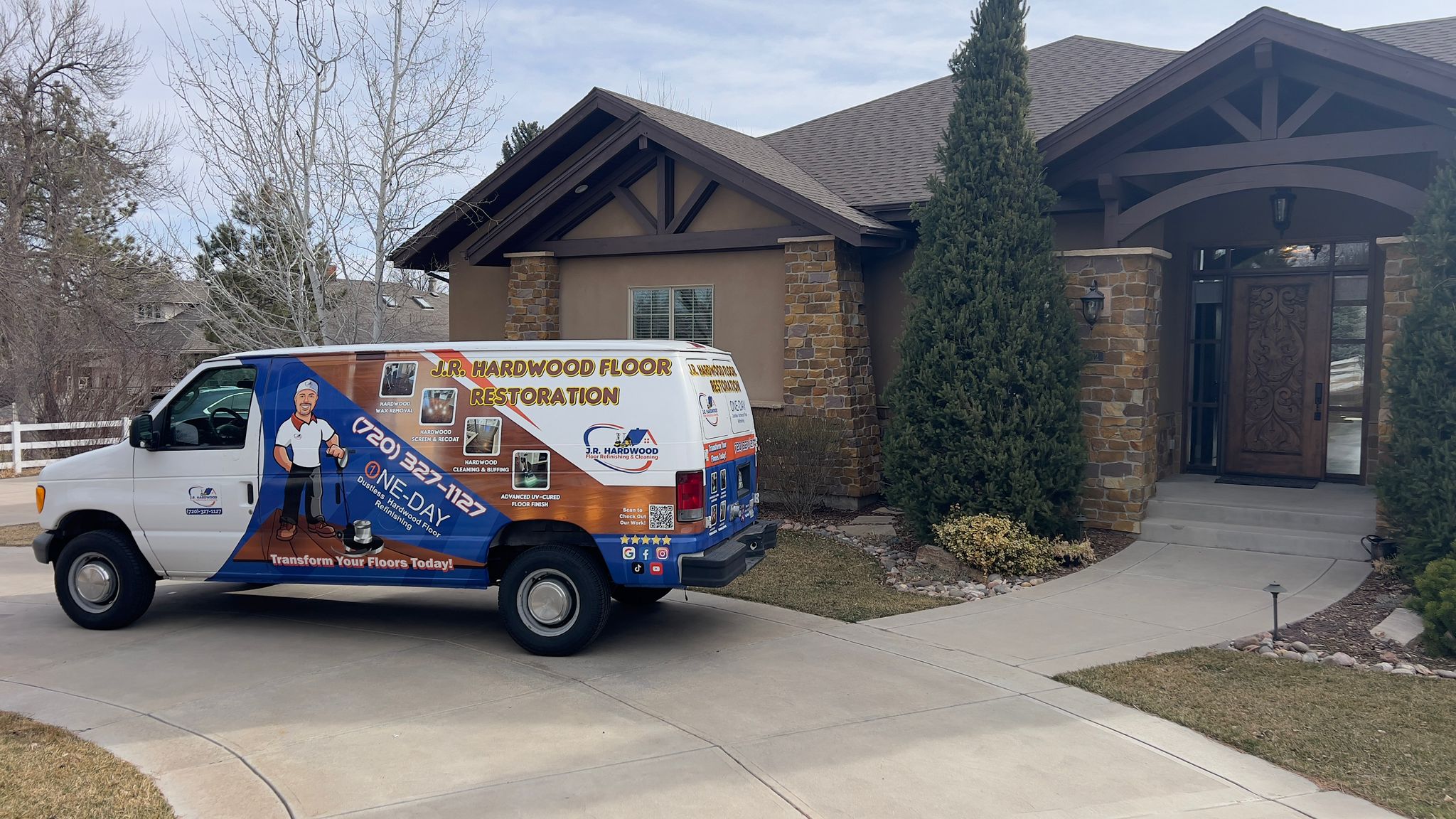
We offer free over-the-phone quotes based on verbal information and photos, so getting started is easy. If you are weighing your options, our guide on professional vs. DIY refinishing is a great place to start. We use eco-friendly products and premium finishes to give your floors a transformation that lasts. Reach out today and let us show you what a truly clean refinishing project looks like.
FAQ
What does “dustless sanding” actually mean?
Dustless sanding connects industrial vacuum systems and HEPA filters directly to sanding equipment to capture dust at the source. The industry term is dust-controlled sanding, since no system eliminates 100% of dust.
How much does dustless sanding cost compared to traditional sanding?
Dustless sanding typically costs 10–30% more than traditional sanding upfront, but savings on cleanup time, reduced property damage risk, and a longer-lasting finish offset that difference for most homeowners.
Is dustless sanding safe for families with allergies or pets?
Yes. Dustless sanding dramatically reduces allergens and airborne particles during refinishing, making it the recommended choice for households with allergy sufferers, asthma, or pets.
Will dustless sanding produce a better-looking finish?
A cleaner sanding environment means fewer dust particles settle into wet finish coats, producing a smoother and more consistent result compared to traditional sanding methods.
Can i stay home during a dustless sanding project?
Most homeowners can remain in their homes during dustless sanding because the process keeps dust contained to the work area, reducing disruption significantly compared to traditional refinishing.