 Skip to content
TL;DR:
- Protecting high-traffic floors involves using durable materials, consistent cleaning routines, physical barriers, and timely professional maintenance.
- Implementing daily dust mopping, proper matting, and regular re-coating can significantly extend floor longevity and prevent costly repairs.
Protecting high-traffic floors means combining the right durable flooring materials with consistent cleaning habits, physical barriers, and periodic professional maintenance to prevent premature wear and costly repairs. Think of it like putting sunscreen on your floors every single day. The damage from foot traffic, grit, and moisture is cumulative, and the floors that last longest are the ones with a real system behind them. Whether you manage a busy Denver home with kids and pets or a commercial property with hundreds of visitors daily, the strategies in this guide apply directly to your situation. We cover material selection, daily care, protective products, and professional refinishing so you have everything you need in one place.
Which flooring materials hold up best in high-traffic areas?
Laminate, porcelain tile, and vinyl are the top performers for high-traffic flooring options, confirmed by Consumer Reports 2026 testing for superior abrasion resistance. That matters because durable flooring is not just about scratch resistance. It also depends on how a material performs under simulated impact and repeated foot pressure over time. Knowing this helps you make a smarter investment from the start.
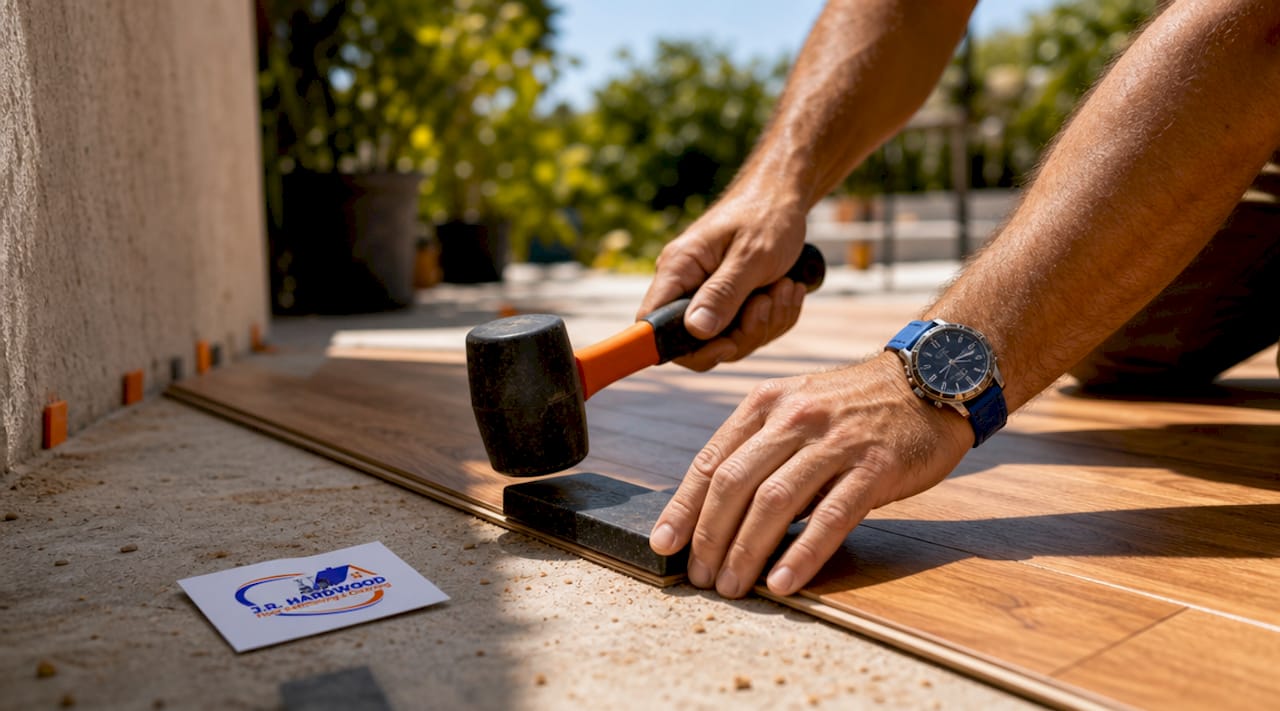
Hardwood is beautiful and adds real value to a home, but it is genuinely prone to scratching and denting in busy zones. That does not mean hardwood is off the table. It means hardwood needs more protective support than tile or vinyl to survive heavy use. You can explore the most durable flooring types to compare options before making a decision.
Commercial settings have different demands than residential ones. A retail store or office lobby needs flooring that resists not just foot traffic but also cleaning chemicals, rolling carts, and constant moisture from entryways. Porcelain tile and luxury vinyl plank (LVP) are especially popular in commercial floor protection because they handle all of those stressors without flinching.
Here is a quick comparison to help you weigh your options:
| Material | Durability | Pros | Cons |
|---|---|---|---|
| Porcelain tile | Very high | Waterproof, scratch-resistant, easy to clean | Hard underfoot, grout needs sealing |
| Luxury vinyl plank (LVP) | High | Waterproof, comfortable, affordable | Can fade in direct sunlight |
| Laminate | High | Scratch-resistant, budget-friendly | Not waterproof, can swell with moisture |
| Hardwood | Moderate | Beautiful, adds home value, refinishable | Scratches and dents more easily |
You can also find detailed tile flooring information and luxury vinyl flooring details to dig deeper into each material before committing.
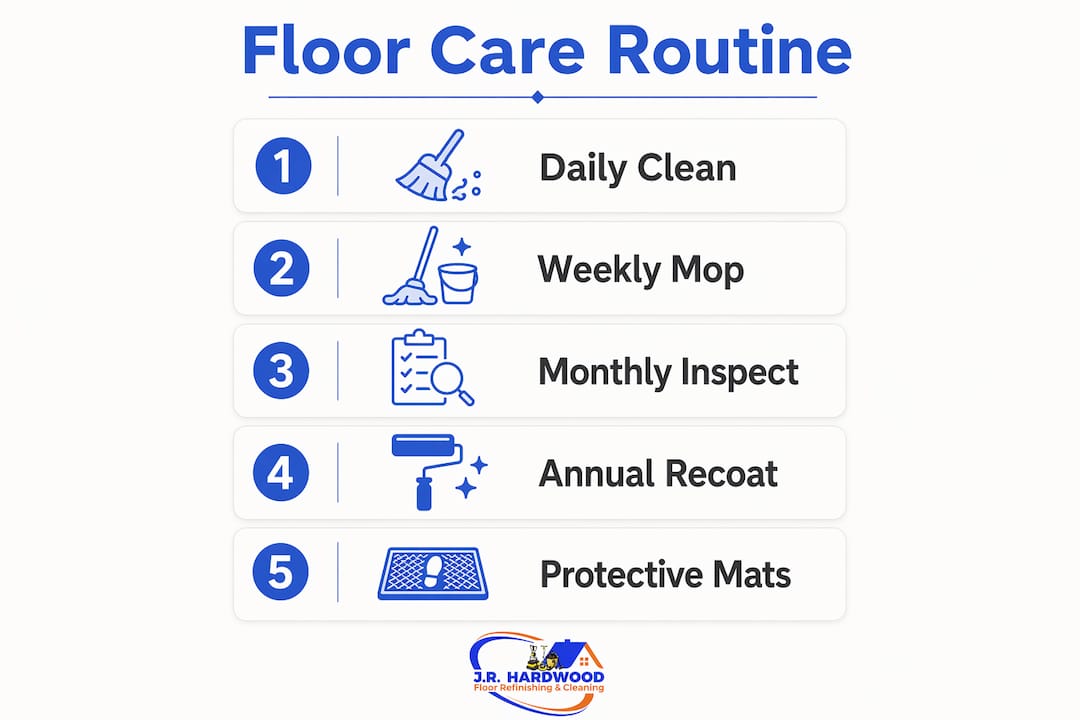
How to build a daily and periodic cleaning routine that actually works
Daily removal of loose soil is the single most important habit for long-term floor protection in high-traffic areas. Grit and dirt act like sandpaper under foot traffic, grinding away your floor’s finish with every step. Once you understand that, skipping the dust mop starts to feel a lot less harmless.
Here is a simple routine that works for both residential and commercial settings:
- Dust mop or vacuum daily. Use a microfiber dust mop or a vacuum without a beater bar to lift loose grit before it gets ground in. This one step prevents more wear than almost anything else.
- Damp mop with a pH-neutral cleaner. Products like PROSOCO DailyKlean are phosphate-free, require no rinsing in routine use, and preserve surface integrity. Avoid harsh alkaline or acidic cleaners that strip protective coatings.
- Control moisture carefully. Wet floors are not just a slip hazard. Excessive moisture accelerates finish wear, damages tile adhesives, and can warp hardwood. Wring your mop out thoroughly and let floors dry between passes.
- Rinse or cycle properly. Residual cleaning product buildup dulls shine and actually attracts more soil over time. Even good cleaners leave a film if not applied and removed correctly.
- Schedule periodic deeper cleaning. For hardwood floors, this means a screen and recoat every three to five years. For tile and vinyl, it means a deep scrub and reseal on a regular schedule.
Pro Tip: Switch to a flat microfiber mop instead of a string mop. String mops push dirty water into grout lines and floor seams, while microfiber lifts and traps it. The difference in long-term floor condition is noticeable within a few months.
For a more detailed checklist, the floor cleaning best practices guide from Jrhardwoodfloorrefinishingandcleaning covers hardwood-specific routines that reduce abrasive wear significantly.
What physical protective measures actually guard floors in high-traffic zones?
Entrance mats are one of the most underrated floor protection solutions available. Proper entrance matting can reduce the dirt tracked inside by up to 80%, which directly translates to less abrasive damage on your interior floors. That is a dramatic reduction from a product that costs far less than a refinishing job.
The details matter, though. Not every mat is safe for every floor type.
- Choose the right mat backing. Incorrect mat backing can cause finish discoloration and permanent damage to hardwood. Natural fiber or breathable synthetic backings are safer choices than rubber-backed mats on wood floors.
- Lift and inspect mats regularly. A mat that traps moisture underneath becomes a source of damage rather than protection. Check beneath mats weekly in wet seasons and after heavy rain.
- Use furniture pads everywhere. Chair legs, table bases, and heavy appliances all create concentrated pressure points. Felt pads under every piece of furniture prevent scratches and dents in the zones where people move most.
- Place runners in hallways and transition zones. Long runners in corridors and near stairways absorb foot traffic in the areas that take the most punishment. Choose runners with non-slip backings that are safe for your specific floor type.
- Apply protective coatings proactively. Polyurethane, epoxy, and penetrating sealants all create a barrier between your floor surface and the world above it. Think of a fresh coat of polyurethane as armor. It takes the beating so your wood does not have to.
Pro Tip: Place a second mat inside the entry door in addition to the one outside. The first mat scrapes heavy debris, and the second absorbs remaining moisture. Two mats at every entrance can extend your interior floor finish life noticeably.
How does professional maintenance extend floor longevity?
Screen and recoat is the professional maintenance process that refreshes the protective finish layer on hardwood floors without requiring full sanding. It involves lightly abrading the existing polyurethane finish and applying a fresh coat, and it is typically done every three to five years as proactive care. This is the sweet spot between daily cleaning and a full refinishing job.
The key insight here is timing. Recoating works best before the existing finish is fully worn through. If you wait until the wood itself is exposed and damaged, you have moved past screen and recoat territory into full sanding and refinishing, which is more labor-intensive and significantly more expensive. Proactive care is always cheaper than reactive repair.
Here is how screen and recoat compares to full refinishing:
| Service | What it involves | Best for | Approximate timing |
|---|---|---|---|
| Screen and recoat | Light abrasion of finish, fresh topcoat | Dull or lightly worn finish, no deep scratches | Every 3 to 5 years |
| Full sanding and refinishing | Complete removal of finish and wood surface layer | Deep scratches, stains, uneven boards | Every 10 to 25 years |
Signs that your floors need professional attention include visible dullness that does not respond to cleaning, fine surface scratches throughout the finish, and areas where the finish looks thin or patchy. The screen and recoat workflow guide from Jrhardwoodfloorrefinishingandcleaning walks through exactly what the process looks like and what to expect. Catching wear early and scheduling a recoat is the single best way to extend the life of hardwood floors in busy homes and commercial spaces.
Key takeaways
Protecting high-traffic floors requires combining durable material selection, daily grit removal, physical barriers like entrance mats, and timely professional recoating before wear reaches the wood itself.
| Point | Details |
|---|---|
| Material selection matters first | Laminate, porcelain tile, and LVP outperform hardwood in abrasion resistance for busy areas. |
| Daily cleaning prevents most damage | Dust mopping or vacuuming daily removes grit that acts like sandpaper under foot traffic. |
| Entrance mats reduce dirt by up to 80% | Choose breathable backings and inspect mats weekly to prevent moisture damage beneath them. |
| Screen and recoat on a 3 to 5 year cycle | Refreshing the finish layer before it wears through avoids costly full sanding and refinishing. |
| Moisture control protects finish and safety | Excess water accelerates finish wear and creates slip hazards on all floor types. |
What I have learned from years of protecting floors in Colorado homes
Here is something I see constantly: homeowners and property managers invest in beautiful floors and then treat maintenance as optional. They wait until the finish is gone and the wood is scratched before calling us. By that point, what could have been a screen and recoat turns into a full sand and refinish. The cost difference is real, and the disruption is much greater.
The floors that hold up best over time are not always the most expensive ones. They are the ones with a consistent system behind them. I have walked into commercial spaces with budget laminate that looked nearly new after five years because someone was dust mopping daily and using the right cleaner. I have also walked into homes with premium hardwood that looked ten years older than it was because the cleaning routine was wrong and the mats were rubber-backed.
The other thing I want you to take away is this: dirt is not just dirt. Commercial floors behave as working systems where dirt, cleaning chemistry, and traffic cumulatively wear surfaces. Every grain of grit that sits on your floor is doing damage with every footstep. That is not an exaggeration. It is physics. The good news is that daily dust mopping costs almost nothing and prevents more wear than any product you can buy.
Combine smart material choices with a real cleaning routine, use mats correctly, and schedule professional maintenance before your floors tell you they need it. That is the approach that keeps floors looking great for decades instead of years.
— J.R.
How Jrhardwoodfloorrefinishingandcleaning can protect your floors
If your floors are showing signs of wear or you want to get ahead of the damage, we are here to help. Jrhardwoodfloorrefinishingandcleaning serves homeowners and commercial property owners across the Denver Metro Area, Parker, Castle Rock, Boulder, and Colorado Springs with professional hardwood refinishing, screen and recoat, clean and buff, and full floor installation services.
We use eco-friendly products and premium finishes, and we give you a free over-the-phone quote based on your floor’s condition and photos. No guesswork, no surprises. Whether you need a fresh protective coat or a full transformation, our team delivers predictable, high-quality results. Read our guide on DIY vs. professional refinishing to understand what level of care your floors actually need, then give us a call.
FAQ
What is the most durable flooring for high-traffic areas?
Porcelain tile, luxury vinyl plank, and laminate are the most durable flooring options for high-traffic areas, confirmed by Consumer Reports 2026 testing for abrasion and impact resistance. Each outperforms hardwood in busy residential and commercial settings.
How often should hardwood floors be recoated?
Hardwood floors in high-traffic areas should receive a screen and recoat every three to five years as proactive maintenance. Waiting until the finish is fully worn through requires full sanding and refinishing, which costs significantly more.
Do entrance mats really protect floors?
Yes. Proper entrance matting reduces tracked-in dirt by up to 80%, which directly reduces abrasive wear on interior floors. Choose mats with breathable or natural fiber backings for hardwood floors and inspect them weekly for trapped moisture.
What cleaner is safe for high-traffic hardwood floors?
pH-neutral cleaners like PROSOCO DailyKlean are safe for hardwood and concrete floors in high-traffic settings. Avoid alkaline or acidic cleaners, and always control moisture by wringing out your mop thoroughly before use.
How do I know when my floors need professional care?
Look for dullness that does not respond to cleaning, fine surface scratches across the finish, or thin or patchy areas in the protective coat. These are signs that a screen and recoat is needed before damage reaches the wood itself.