 Skip to content
TL;DR:
- Choosing the right commercial flooring depends on evaluating durability, maintenance, and environmental needs to ensure long-term performance and cost efficiency. Modular products like carpet tiles and LVT offer flexibility and ease of repair, while materials such as epoxy and polished concrete provide exceptional durability for high-traffic areas. Proper matching of flooring type to specific business environments and adherence to safety standards are essential for optimal results and compliance.
Picking the right floor for your commercial space is one of those decisions that follows you for years. Get it right and you have a surface that holds up, looks great, and practically takes care of itself. Get it wrong and you are dealing with constant repairs, unhappy tenants, and a floor replacement bill you did not budget for. This commercial flooring options list covers everything you need to compare materials side by side, from carpet tiles in busy offices to epoxy in demanding industrial spaces. We will walk you through costs, maintenance realities, and which floors actually perform in the environments you manage.
Table of Contents
- Key takeaways
- What to evaluate before reviewing any commercial flooring options list
- 1. Modular carpet tiles
- 2. Luxury vinyl tile (LVT)
- 3. Vinyl composition tile (VCT)
- 4. Sheet vinyl
- 5. Rubber flooring
- 6. Epoxy flooring
- 7. Polished concrete
- 8. Porcelain and quarry tile
- 9. Engineered hardwood and laminate
- Commercial flooring comparison at a glance
- Matching flooring to your specific business environment
- My honest take on choosing commercial flooring wisely
- Let Jrhardwoodfloorrefinishingandcleaning handle your commercial floors
- FAQ
Key takeaways
| Point | Details |
|---|---|
| Total cost of ownership matters most | Upfront price rarely tells the whole story; factor in maintenance labor, refinishing cycles, and lifespan. |
| Match material to environment | Retail, healthcare, and warehouse spaces each have unique demands that eliminate certain options immediately. |
| Modular options reduce downtime | Carpet tiles and click-lock LVT allow targeted replacement without shutting down an entire floor. |
| Maintenance frequency drives decisions | High-maintenance floors like VCT can cost more over time than premium no-wax alternatives. |
| Compliance is non-negotiable | Slip resistance, ADA requirements, and fire ratings must be verified before finalizing any selection. |
What to evaluate before reviewing any commercial flooring options list
Before you compare materials, you need a clear picture of what your space actually demands. Walking into a showroom without this framework is like ordering food without looking at the menu first. You end up with something that looked good in the moment but does not fit your situation.
Here are the factors that should guide every decision:
- Durability and wear resistance. How many people walk through daily? Does the space see rolling carts, forklifts, or high heels?
- Maintenance requirements. Do you have an in-house janitorial team or a once-a-week cleaning service? Some floors need daily attention; others can go weeks between deep cleans.
- Lifecycle cost vs. installation price. A floor that costs $4 per sq. ft. to install but requires weekly waxing can cost far more over ten years than a $9 per sq. ft. option that needs only damp mopping. Lifecycle costs often depend more on maintenance regimes than material choice alone.
- Slip resistance and safety. Wet environments, entryways, and food service areas need verified slip resistance ratings. ADA and local fire codes must also be checked before installation.
- Aesthetic goals. First impressions matter. A law office and a CrossFit gym have very different visual expectations from their floors.
- Business environment type. Offices, retail stores, healthcare facilities, restaurants, and warehouses each place completely different stresses on flooring.
Pro Tip: Ask your flooring contractor to provide the floor’s coefficient of friction rating before signing off on any commercial installation in a wet-prone area.
1. Modular carpet tiles
Carpet tiles are the workhorse of the modern office. They come in 24×24 inch modules and typically cost $2 to $6 per sq. ft. installed, with a lifespan of 10 to 15 years in office settings. The real advantage here is modularity. When one tile gets stained or damaged, you pull it out and drop in a fresh one without touching the rest of the floor.
Some manufacturers offer quick-ship programs that deliver replacement tiles in as little as two weeks, which keeps renovation schedules tight and minimizes business disruption. Keeping a small inventory of spare tiles on-site is one of the smartest habits a property manager can develop.
Carpet tiles also absorb sound, which matters enormously in open-plan offices where hard floors create echo and noise fatigue. The trade-off is that they are not ideal for wet areas or spaces where spills are frequent.
2. Luxury vinyl tile (LVT)
LVT has become one of the most popular choices across the commercial flooring styles spectrum, and for good reason. Commercial LVT with a 20-plus mil wear layer handles rolling chairs, high heels, and heavy foot traffic without showing the wear. Installed cost runs $3 to $7 per sq. ft.
It comes in wood and stone visuals that look convincingly real, which makes it a go-to for offices and retail spaces that want a premium appearance without the premium maintenance demands. Sound-absorbing backing options reduce noise on upper floors. LVT is water-resistant, easy to clean, and forgiving of minor installation imperfections. For flooring solutions in offices where aesthetics and practicality need to coexist, LVT is hard to beat.
3. Vinyl composition tile (VCT)
VCT is the affordable commercial flooring stalwart you will find in schools, grocery stores, and hospitals across the country. Material and installation costs are low, often falling below $3 per sq. ft., which makes it attractive for large-footprint budgets.
The catch is the maintenance. VCT requires a scrub and recoat every 3 to 6 months and a full strip-and-refinish annually in high-traffic areas. That strip-and-refinish cycle typically requires 24 to 48 hours of floor downtime, so most facilities schedule it over holiday weekends. If you have the maintenance staff and the scheduling flexibility, VCT can work. If you do not, the ongoing labor costs will quickly erase those upfront savings.
4. Sheet vinyl
Sheet vinyl is the hygiene champion of commercial flooring. Its heat-welded seams create a virtually seamless surface that gives bacteria and contaminants nowhere to hide. That is exactly why you see it in operating rooms, patient wards, and commercial kitchens. Installed cost runs $3 to $8 per sq. ft.
Beyond healthcare, sheet vinyl works well in any moisture-heavy environment. It is softer underfoot than tile, which matters for staff who stand for long shifts. The trade-off is that repairs require patching rather than simple replacement, and large installations need professional seaming to maintain the hygienic benefit.
5. Rubber flooring
Rubber flooring delivers two things most other materials cannot match: genuine cushioning and reliable slip resistance. Those qualities make it the default choice for gyms, physical therapy clinics, and hospital corridors where falls carry real consequences.
Rubber handles moisture well, deadens sound, and is gentle on joints for staff who are on their feet all day. It costs more than vinyl options, typically $4 to $8 per sq. ft. installed depending on thickness and tile versus sheet format. Cleaning is straightforward. Rubber does not require waxing or special coatings, which keeps ongoing maintenance costs predictable. The main limitation is aesthetics. Rubber looks industrial, which rules it out for environments where visual presentation is a priority.
6. Epoxy flooring
Epoxy is the right call when durability has to come before everything else. Epoxy suits high-traffic warehouses and labs with a lifespan of 10 to 20-plus years and an installed cost of $3 to $7 per sq. ft. It bonds directly to concrete, creating a surface that resists chemicals, heavy equipment, and constant forklift traffic.
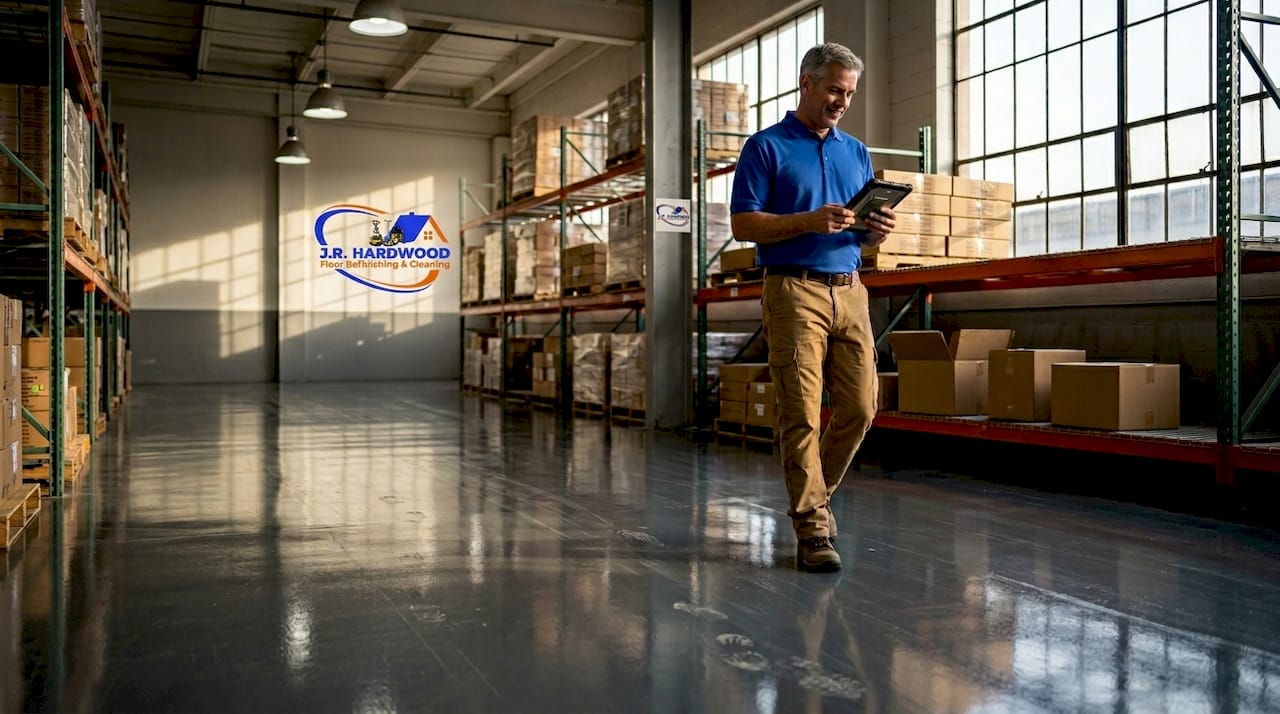
Beyond warehouses, epoxy works in commercial kitchens, automotive shops, and manufacturing floors. Maintenance is minimal: sweep and mop. The main challenge is installation. Proper surface preparation of the concrete is critical, and the floor must stay out of service during curing. If you need durable floor coatings that genuinely last in demanding environments, epoxy is a top-tier option.
7. Polished concrete
Polished concrete has moved well beyond its industrial roots. Today you will find it in retail flagship stores, open-plan offices, and hotel lobbies because it looks genuinely beautiful when done right. Polished concrete costs $3 to $8 per sq. ft. and delivers a surface that can last the lifetime of the building.
Maintenance is about as simple as it gets: damp mop and occasionally buff. There are no coatings to strip and reapply, no tiles to replace. The trade-off is that concrete is unforgiving underfoot and provides almost no sound absorption. Radiant mats or area rugs can address the comfort issue in office settings.
8. Porcelain and quarry tile
Commercial porcelain tile is the premium choice for retail spaces and commercial kitchens, with installed costs of $5 to $12 per sq. ft. Rectified porcelain tiles with minimal grout lines offer a sleek, modern look and handle extreme traffic without showing wear. The material is stain-resistant, moisture-proof, and nearly indestructible.
Quarry tile is the tougher, more utilitarian cousin. It is unglazed, which gives it natural slip resistance even when wet. You will find quarry tile in commercial kitchen prep areas and food service back-of-house spaces where safety and cleanability matter more than aesthetics. Both options are heavy and cold underfoot, which should factor into decisions for spaces where staff stand for hours.
9. Engineered hardwood and laminate
Engineered hardwood brings the warmth and visual richness of real wood to commercial spaces without the sensitivity of solid hardwood to humidity and subfloor movement. It works beautifully in offices, boutique retail, hotels, and restaurants where a warm, inviting atmosphere is part of the brand. Costs vary widely, but commercial-grade engineered products typically run $5 to $10 per sq. ft. installed.
Laminate is the more budget-conscious alternative in this category. Modern commercial laminate with a high AC rating (AC4 or AC5) handles significant foot traffic and resists scratching well. Neither engineered hardwood nor laminate suits wet areas, but for dry commercial spaces, both options offer a look that resonates with customers in ways that vinyl simply does not. Proper floor maintenance dramatically extends the life of both materials.
Commercial flooring comparison at a glance
| Flooring Type | Installed Cost (per sq. ft.) | Durability | Maintenance Level | Slip Resistance | Best Environment |
|---|---|---|---|---|---|
| Carpet tile | $2 to $6 | Moderate | Low to medium | Low | Offices, conference rooms |
| LVT | $3 to $7 | High | Low | Medium | Offices, retail, hospitality |
| VCT | Under $3 | Moderate | High | Medium | Schools, healthcare, grocery |
| Sheet vinyl | $3 to $8 | High | Low | Medium to high | Healthcare, food service |
| Rubber | $4 to $8 | High | Low | High | Gyms, hospitals, labs |
| Epoxy | $3 to $7 | Very high | Very low | Varies by finish | Warehouses, industrial, kitchens |
| Polished concrete | $3 to $8 | Very high | Very low | Low (can be improved) | Retail, warehouses, modern offices |
| Porcelain tile | $5 to $12 | Very high | Low | Medium to high | Retail, restaurants, kitchens |
| Engineered hardwood | $5 to $10 | Moderate to high | Medium | Low | Offices, boutique retail, hotels |
Matching flooring to your specific business environment
Now that you have the full picture from the commercial flooring materials guide above, the next step is matching your environment to the right options. Think of it like fitting shoes: the right material for one space is completely wrong for another.
- Offices. Carpet tiles and LVT are the clear leaders here. Carpet tiles handle acoustics in open plans; LVT suits modern, hard-surface aesthetic preferences. Both allow flooring solutions for offices that balance comfort, looks, and low maintenance.
- Retail spaces. Polished concrete, porcelain tile, and LVT all work well for durable flooring for retail spaces. Your choice depends on whether you want a warm, natural feel (LVT or engineered wood) or a sleek, modern statement (polished concrete or rectified porcelain).
- Healthcare facilities. Sheet vinyl and rubber are the standard choices. Seamless installation and moisture resistance are non-negotiable. Homogeneous vinyl tile (a denser, through-body version of sheet vinyl) is also widely used in patient care areas.
- Restaurants and hotels. Quarry tile and slip-resistant porcelain work in kitchen and service areas. Front-of-house spaces often feature commercial LVP or engineered hardwood for atmosphere, paired with anti-slip treatments at entryways.
- Warehouses and industrial spaces. Epoxy and polished concrete are the workhorses. Polyurethane cement is worth knowing about for areas exposed to extreme thermal shock, such as commercial kitchens and food processing plants. It bonds even to damp concrete and handles the kind of abuse that standard epoxy cannot.
Always verify ADA compliance and local fire code requirements before finalizing any selection. These are not optional considerations. They are legal ones.
My honest take on choosing commercial flooring wisely
I have seen a lot of business owners walk into flooring decisions focused almost entirely on the price tag on the box. I understand the impulse. Budgets are real. But I have watched those same owners call us two years later because their “affordable” floor needed constant upkeep that their team was not equipped to handle.
The floors that hold up best over time are not always the ones with the lowest installation quote. They are the ones that match the actual maintenance capacity of the facility. If you have a lean team and a busy schedule, a no-wax resilient floor at $6 per sq. ft. will cost you far less over a decade than VCT at $2.50 that needs professional attention four times a year.
One thing I have noticed specifically working with Colorado businesses: the seasonal humidity swings here are real, and they affect wood-based floors more than people expect. Engineered hardwood handles it far better than solid wood, but it still needs proper acclimation and a good finish to stay stable. The shortcuts always show up eventually.
My other strong opinion is this: do not sleep on modular products. The ability to replace a single damaged tile or plank without renting equipment and shutting down a wing of your facility is worth more than most people realize until the first time they need it.
— J.R.
Let Jrhardwoodfloorrefinishingandcleaning handle your commercial floors
If you are managing a commercial space in the Denver Metro Area and your hardwood, LVP, or laminate floors are looking tired, we can help you get them back to like-new condition without full replacement. At Jrhardwoodfloorrefinishingandcleaning, we specialize in professional hardwood refinishing for commercial properties, using eco-friendly products and premium finishes that protect your investment and keep your space looking sharp.
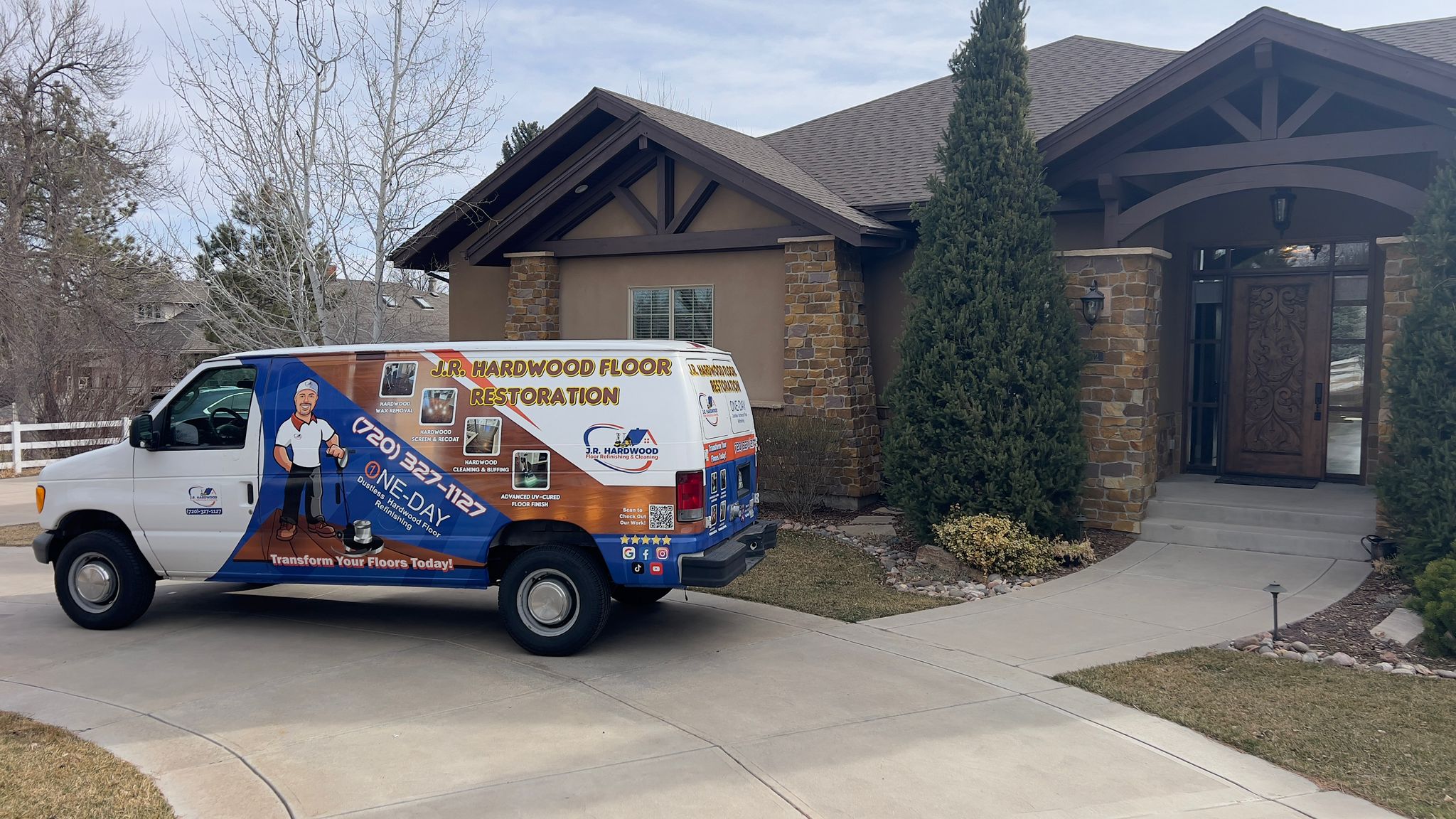
We offer free over-the-phone quotes based on verbal information and photos, so you can get a clear picture of costs before committing to anything. Our team handles everything from full sanding and restoration to screen-and-recoat and Instant UV-curable finishing for spaces that cannot afford extended downtime. Whether you are in Parker, Castle Rock, Denver, Boulder, or Colorado Springs, we bring the same craftsmanship and clear communication to every project. Reach out today and let us show you what a properly maintained floor can look like.
FAQ
What are the most durable commercial flooring options?
Epoxy, polished concrete, and porcelain tile rank among the most durable options available, with lifespans of 20-plus years in demanding environments. LVT with a 20-plus mil wear layer also performs exceptionally well in high-traffic offices and retail spaces.
How much does commercial flooring typically cost to install?
Installed costs range from under $3 per sq. ft. for VCT to $12 or more for premium porcelain tile. Most mid-range options like LVT, sheet vinyl, and polished concrete fall between $3 and $8 per sq. ft.
Which commercial flooring requires the least maintenance?
Polished concrete and epoxy require the least ongoing maintenance, needing only regular sweeping and damp mopping. LVT is a close third, offering strong durability with no waxing or stripping required.
Is VCT still a good choice for commercial spaces in 2026?
VCT remains cost-effective for large-footprint spaces with dedicated maintenance staff, but its labor-intensive upkeep makes it less practical for facilities without regular floor care programs. Modern no-wax alternatives like LVT often deliver better total cost of ownership.
What flooring works best for healthcare environments?
Sheet vinyl with heat-welded seams is the top choice for healthcare because it creates a seamless, hygienic surface that resists moisture and contaminants. Rubber flooring is also widely used in corridors and therapy areas where slip resistance and cushioning matter.