 Skip to content
TL;DR:
- Modern pet-friendly floor finishes are safe, durable, and environmentally friendly, making hardwood floors suitable for active households. Proper preparation, application, and curing are essential to ensure long-lasting protection against scratches, pet accidents, and daily wear. Regular maintenance and professional refinishing help preserve both the beauty and safety of floors in pet households.
You’ve just watched your dog skid across your freshly mopped hardwood floor, leaving a trail of tiny scratches behind — and your heart sinks a little. Sound familiar? For Denver pet owners, beautiful floors and active animals can feel like an impossible combination. The good news is that modern pet-friendly finishes for Colorado homes have come a long way. Choosing the right finish means your floors can handle muddy paws, the occasional accident, and daily running without looking like a scratching post. This guide walks you through everything you need to know, from picking the right product to keeping your floors gorgeous for years.
Table of Contents
- Understanding pet-friendly floor finishes: What makes a finish safe and durable?
- Essential tools and materials: Preparing for a pet-friendly finish application
- Step-by-step application: Achieving a safe, durable finish
- Maintenance and protection: Keeping your floors safe and beautiful in a pet household
- Why most standard floor finishes fail active pet homes — and what actually works
- Ready for flawless, pet-friendly floors? Get professional results in Denver
- Frequently asked questions
Key Takeaways
| Point | Details |
|---|---|
| Choose low-VOC finishes | Low-VOC, water-based finishes balance durability with safety for pets and families. |
| Follow curing guidelines | Always allow full curing before allowing pets on the floor to ensure optimal protection. |
| Prepare and maintain | Proper prep and ongoing care extend the life and beauty of pet-friendly floors. |
| Climate matters | Adjust application and curing for Denver’s environment for the best results. |
Understanding pet-friendly floor finishes: What makes a finish safe and durable?
Now that you know the common challenges, let’s start with what makes a floor finish truly pet-friendly.
A pet-friendly floor finish is one that checks three big boxes: it’s safe for your animals during and after application, it holds up against real-world pet activity, and it’s kind to your indoor air quality. Those three things don’t always come packaged together, so let’s break them down.
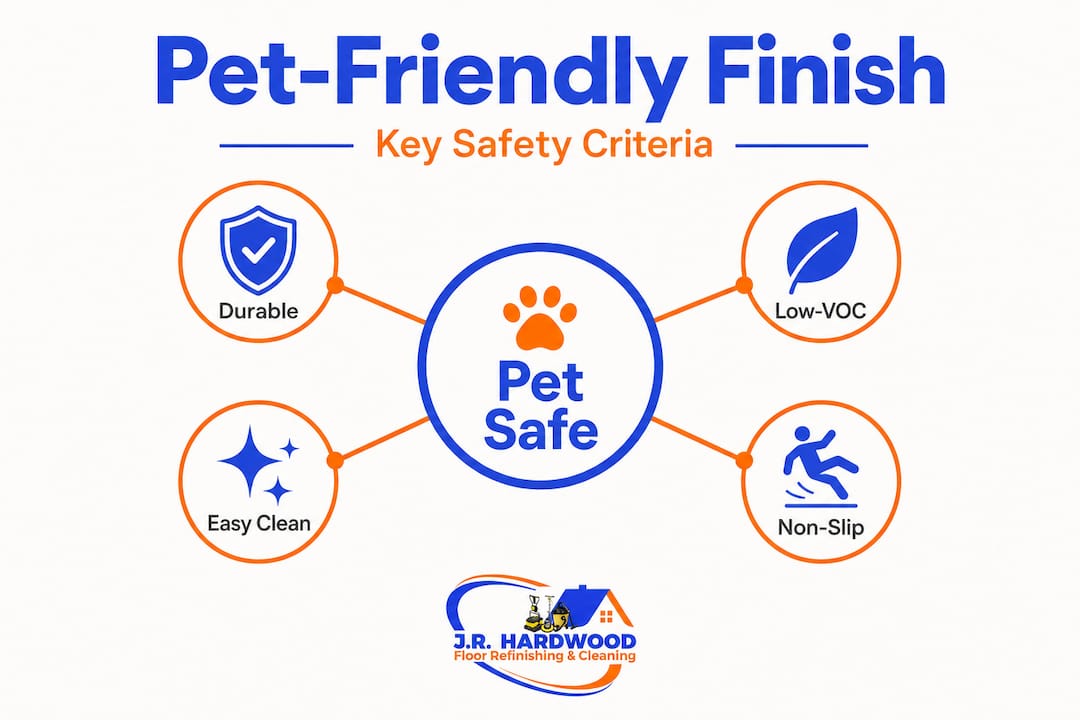
Safety comes down to the chemicals in the product. Many older oil-based finishes release high levels of volatile organic compounds, or VOCs. These are the fumes that smell so strong they can irritate your eyes, lungs, and your pet’s sensitive respiratory system. Modern low-VOC finishes offer strong protection with fewer fumes and reduced environmental impact, making them a smarter pick for households with animals or small children.
Durability is where finish type really matters. Here’s a quick look at the main categories:
- Water-based polyurethane: Dries faster, lower odor, and typically lower in VOCs. Resists yellowing over time. A solid all-around choice for pet homes.
- Oil-based polyurethane: Very hard and long-lasting, but high VOC levels and long curing times mean pets and people need to stay out longer. Not our first recommendation for pet homes.
- UV-cured finishes: Applied and cured almost instantly using ultraviolet light. Extremely durable, very low odor, and pets can return to the space faster than with any other option.
- Hardwax oil finishes: Penetrate the wood rather than sitting on top. More natural looking and easy to spot-repair, but may need more frequent maintenance in high-traffic pet zones.
- Aluminum oxide coatings: Often factory-applied to prefinished floors. Incredibly scratch-resistant. Great for homes with large, active dogs.
Here’s a comparison table to help you weigh your options at a glance:
| Finish type | VOC level | Scratch resistance | Curing time | Best for |
|---|---|---|---|---|
| Water-based polyurethane | Low | Good | 24 to 48 hours | Most pet homes |
| Oil-based polyurethane | High | Excellent | 5 to 7 days | Tough traffic, no pets during cure |
| UV-cured finish | Very low | Excellent | Minutes | Fastest pet re-entry |
| Hardwax oil | Low | Moderate | 24 to 48 hours | Natural look, easy repairs |
| Aluminum oxide | Very low | Outstanding | Factory cured | Heavy dog households |
Worth knowing: “Low-VOC” is not just a marketing phrase. It refers to measurable limits on the amount of chemical compounds a product releases into the air. Look for finishes with VOC levels under 250 grams per liter. Better yet, aim for ultra-low options under 100 grams per liter.
When exploring your options, check out our detailed breakdown of the best hardwood finish for dogs to match your specific breed, floor type, and lifestyle.
Essential tools and materials: Preparing for a pet-friendly finish application
Once you understand what makes finishes pet-friendly, it’s time to gather your supplies.
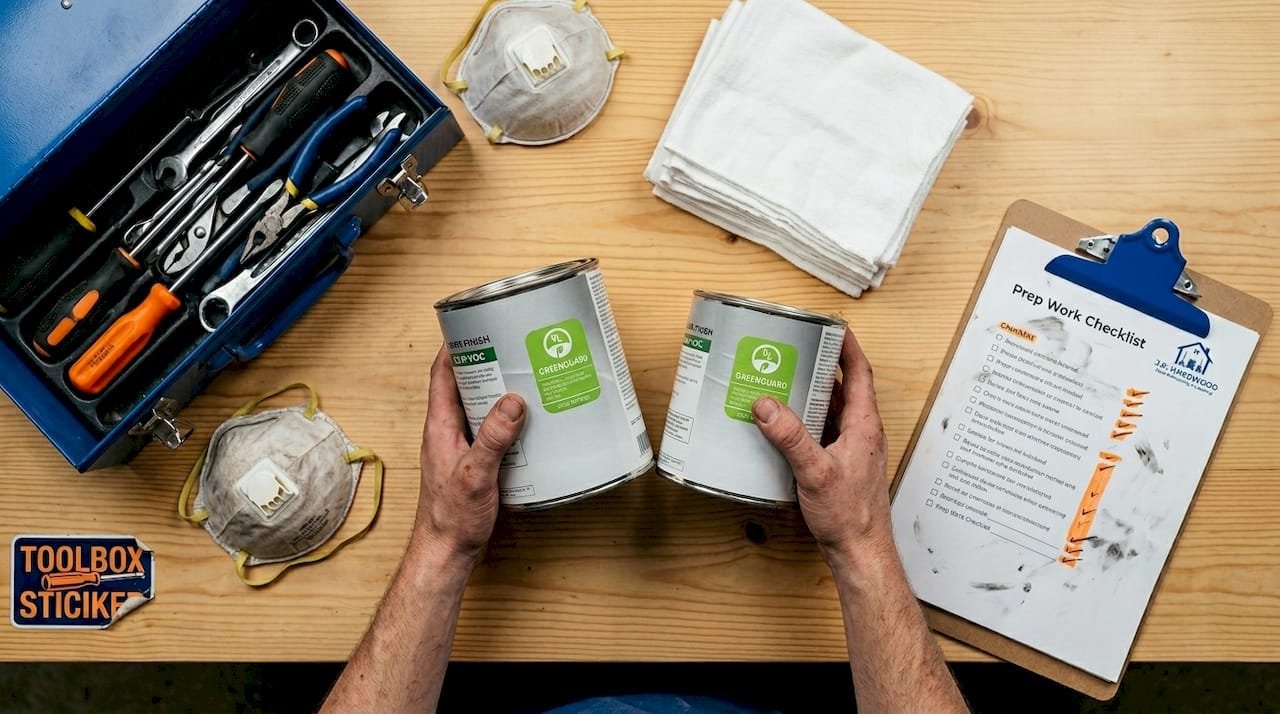
Skipping the prep phase is one of the most common reasons a finish fails before it even gets a chance to prove itself. Think of preparation like clearing the kitchen before cooking a big meal. Everything runs smoother when you’re set up right.
Here’s what you’ll need on hand before you start:
- Certified pet-friendly floor finish (low-VOC, water-based or UV-cured preferred)
- Applicator pads or lambswool applicators designed for your chosen product
- Fine-grit sandpaper (usually 120 to 220 grit for a screen coat, or coarser for full sanding)
- Dust masks rated for finish fumes (at minimum an N95; a respirator for oil-based products)
- Nitrile gloves to protect your skin from prolonged finish contact
- pH-neutral hardwood floor cleaner for pre-application cleaning
- Wood filler or putty for filling in cracks or deep pet scratches before finishing
- Painter’s tape and plastic sheeting for protecting baseboards and adjacent surfaces
- Ventilation fan to help fumes escape during and after application
Eco-friendly wood finishes should carry recognized certifications. Look for Green Seal, GREENGUARD Gold, or FloorScore labels on the packaging. These certifications mean the product has been independently tested for low chemical emissions.
Here’s a quick reference table for products and timing:
| Item | Eco certification to look for | Notes |
|---|---|---|
| Water-based finish | GREENGUARD Gold, FloorScore | Dries fastest, great indoor air quality |
| Oil-based finish | None common; check VOC level | Allow maximum ventilation and cure time |
| UV-cured finish | Often meets Green Seal standards | Requires professional UV equipment |
| Floor cleaner | Green Seal, EPA Safer Choice | Use post-cure only |
Before you open that can of finish, run through this pre-application checklist:
- [ ] Remove all furniture and area rugs from the space
- [ ] Deep-clean the floor with a pH-neutral cleaner and let it dry fully
- [ ] Inspect for loose boards, deep scratches, or gaps that need repair
- [ ] Lightly sand or screen the surface to help the new finish bond properly
- [ ] Wipe away all dust with a tack cloth or microfiber mop
- [ ] Open windows and set up a ventilation fan
- [ ] Confirm pets and children are secured in a separate area of the home
Pro Tip: Set up a cozy, pet-free zone for your dog or cat well before you begin. A room with their bed, water, and a baby gate works perfectly. Proper curing and product selection are what ultimately determine how safe the finished floor is for your pets, so keeping them out during application is not optional.
Step-by-step application: Achieving a safe, durable finish
With your tools in hand, you’re ready to achieve a pet-safe finish, step by step.
This is where your prep work pays off. Rushing through application is the number one reason floors end up looking uneven or wearing out faster than they should. Take your time with each phase.
-
Prep the surface. Confirm the floor is clean, dry, and free of wax, grease, or old finish residue. If you’re working over an existing finish, a light screen sanding helps the new coat bond. For bare wood or heavily damaged floors, full sanding is the starting point.
-
Make any repairs. Fill pet-related gouges, deep scratches, or gaps between boards with a matching wood filler. Let it dry completely before moving on. This step keeps moisture from sneaking under the new finish later.
-
Apply the first coat. Use your applicator pad in long, even strokes moving with the grain of the wood. Work from the farthest corner toward the door so you’re never painting yourself into a room. Apply a thin, even layer rather than a thick one.
-
Let it dry fully before sanding between coats. With water-based finishes, that usually means two to four hours. Lightly buff the dried coat with a fine-grit screen to smooth out any dust nibs. Wipe clean with a tack cloth.
-
Apply the second coat (and third if needed). Most high-traffic pet homes benefit from three coats. Each additional coat adds a layer of protection, like adding another blanket on a cold Colorado night.
-
Allow the finish to cure completely before letting pets back in. This is the step most people rush, and it’s the one that matters most.
Pro Tip: Denver’s climate is notably dry, and low humidity can affect how your finish cures. Aim for application days when indoor humidity sits between 35% and 55%, and keep temperatures between 65°F and 80°F. A portable humidifier can help during Colorado’s driest months. Check out these hardwood cleaning tips for ongoing care once your floor is cured.
Critical reminder: Proper curing time is essential for pet safety. A finish may feel dry to the touch within hours, but it is not fully cured. Walking on it too soon, especially with pet nails, can permanently damage the surface and create weak spots that wear through faster. Water-based finishes typically need 24 to 72 hours before normal foot traffic, and up to 30 days to reach maximum hardness. Oil-based options need even longer.
Maintenance and protection: Keeping your floors safe and beautiful in a pet household
Once your new finish is applied, ongoing maintenance is essential to keep your floors looking their best with pets around.
Think of your finished floor like a car. The coating you applied is the paint job. With the right upkeep, it stays glossy and scratch-free for years. Skip the maintenance, and even the toughest finish will show its age fast.
Here are the key habits that protect pet-home floors over the long run:
- Sweep or vacuum daily in high-pet-traffic areas. Pet hair and grit act like sandpaper underfoot, gradually dulling and scratching your finish.
- Wipe up accidents immediately. Urine is particularly damaging to wood floors. The longer it sits, the deeper it penetrates. A microfiber cloth and a fast response save you from expensive repairs.
- Place pet mats near water bowls and food stations. Splashed water and kibble are surprisingly rough on floor finish over time.
- Keep pet nails trimmed short. This single habit does more to protect your floor than almost any product on the market.
- Use pet-safe floor cleaners only. Avoid steam mops, vinegar, and ammonia-based products. These break down finish over time and can leave your floors looking dull.
- Add area rugs in high-traffic zones. Think hallways, the spot by the back door, and your pet’s favorite hangout. Rugs act as a buffer between active paws and your finish.
As low-VOC, water-based finishes are easier to maintain and safer for both pets and families, they’re also the easiest to refresh when it’s time for a recoat. A screen and recoat every two to three years in active pet zones is a great way to restore that fresh finish look without a full sand-down.
Pro Tip: Schedule a professional inspection of your floors once a year, especially in high-traffic areas. A pro can spot early signs of finish wear before they become full-blown repairs. Learn more about floor protection for pet households and bookmark these floor care tips for pet owners for a complete reference guide.
Why most standard floor finishes fail active pet homes — and what actually works
With maintenance strategies in mind, it’s important to understand why some finishes still struggle in pet households and what truly makes a difference.
Here’s something we’ve seen time and time again on the job: a homeowner picks a product labeled “pet-friendly” from the home improvement store, applies it carefully, and then wonders why the floor looks worn out within a year. The label wasn’t wrong, exactly. But labels don’t tell the whole story.
Most standard finishes fail in pet homes for two reasons. First, they’re applied before the surface is truly clean or properly scuffed for adhesion. A finish applied over a surface that still has wax residue, fine dust, or moisture is working against itself from day one. Second, and this is the bigger one: people underestimate the curing window. A finish that gets dog traffic at 24 hours instead of 72 hours hasn’t reached its hardness peak yet. Those early scratches become permanent because the finish was still soft when it was stressed.
The other overlooked factor is Denver’s dry climate. Finish manufacturers test their products in controlled lab conditions, often with different humidity levels than what we deal with here in Colorado. Our dry air can cause water-based finishes to dry faster on the surface while the deeper layers lag behind. That means the surface looks ready when it isn’t. Slowing down the curing process with light humidity control actually produces a harder, more even final coat.
The finishes that genuinely perform well in active pet homes are ones selected to match the household’s actual lifestyle, not just the floor species. A senior dog with soft nails needs a different finish than two young Labs who sprint across the kitchen 20 times a day. That lifestyle-to-product matching is where most DIY decisions fall short. Our scratch-resistant flooring guide is a great starting point if you want to dig deeper into matching your dog’s activity level to the right floor finish.
Ready for flawless, pet-friendly floors? Get professional results in Denver
Armed with these insights, here’s how Denver homeowners can take the next step toward pet-friendly perfection.
At J.R. Hardwood Floor Refinishing & Cleaning, we’ve helped hundreds of pet-owning families across the Denver Metro Area get floors that can genuinely take a beating and still look beautiful. Whether you’re dealing with years of scratch buildup or simply want to start fresh before bringing a new puppy home, we have the eco-friendly products, the UV-curable finishing options, and the hands-on experience to get it right the first time.
Choosing between DIY vs. professional floor refinishing is a real decision, and we respect whichever path fits your situation. If you want to see what a full professional process looks like from start to finish, our complete refinishing guide walks through everything in detail. Reach out today for a free over-the-phone quote. We’ll talk through your floor, your pets, and your goals to find the right finish for your home.
Frequently asked questions
How long should pets stay off newly finished floors?
Pets should avoid contact until the finish is fully cured, which can be 24 to 72 hours for water-based options and up to a week for some oil-based finishes. Proper curing time is essential for pet safety and long-term durability.
Are water-based finishes as durable as oil-based ones for homes with pets?
Modern low-VOC finishes can offer strong durability and lower odor, making them a very capable option for active, pet-friendly homes. With multiple coats and proper prep, water-based finishes perform exceptionally well in real-world pet conditions.
Does a low-VOC label guarantee floor finishes are safe for pets?
Low-VOC finishes are safer, but proper curing and dwell time are still critical to ensuring the finished surface is truly non-toxic and safe for your animals. The label is a starting point, not the finish line.
What’s the fastest way to fix scratches caused by pets?
Light surface scratches can often be buffed out with a specialized hardwood cleaner and a microfiber pad, restoring much of the original sheen. Deep gouges or areas where the finish has worn through to bare wood may require spot refinishing or a full professional recoat.
Do pet-friendly floor finishes come in different sheen levels?
Yes, most pet-friendly finishes are available in matte, satin, and semi-gloss options so you can match the look of your home without sacrificing protection. Matte and satin sheens also tend to hide everyday pet scuffs and smudges better than high-gloss options.