 Skip to content
Many Colorado homeowners and property managers love the idea of beautiful, refreshed hardwood floors. But the thought of harsh chemicals, clouds of dust, and environmental waste can make the whole project feel like a problem rather than a solution. The good news? Eco-friendly floor refinishing has come a long way, and today’s sustainable methods deliver stunning results without the guilt. In this guide, we walk you through everything from product choices to step-by-step processes, so you can give your floors a well-deserved glow-up while keeping your home, your family, and Colorado’s environment in great shape.
Table of Contents
- Understanding eco-friendly floor refinishing: Why it matters
- Essential tools and materials: Choosing sustainable options
- Step-by-step process: Sustainable floor refinishing made simple
- Aftercare and verification: Ensuring long-term sustainability
- Our take: Surprising truths about eco-friendly refinishing in Colorado
- Next steps: Expert help with eco-friendly floor refinishing
- Frequently asked questions
Key Takeaways
| Point | Details |
|---|---|
| Eco-friendly methods matter | Choosing low-VOC finishes and dustless sanding reduces health risks and environmental harm. |
| Preparation is critical | Using certified materials and understanding local supplies ensures success with sustainable refinishing. |
| Major environmental impact | Refinishing instead of replacing floors can save up to 97% energy and drastically cut carbon footprint. |
| Aftercare extends results | Proper maintenance supports both flooring durability and your ongoing sustainability goals. |
Understanding eco-friendly floor refinishing: Why it matters
So what exactly makes a refinishing project “eco-friendly”? It’s not just about swapping one product for another. True eco-friendly floor restoration covers the full picture: the finishes applied, the tools used, the dust generated, and even how leftover materials are disposed of.
Traditional refinishing often relies on oil-based polyurethanes loaded with volatile organic compounds, or VOCs. VOCs are chemicals that evaporate into the air at room temperature and can irritate your lungs, trigger headaches, and contribute to outdoor air pollution. Green refinishing flips that script. As we’ve seen firsthand, low-VOC water-based polyurethanes and plant-based oils, combined with dustless sanding, minimize environmental impact and dramatically improve indoor air quality.
Colorado property owners are paying closer attention to this than ever. With Denver regularly monitoring air quality and many Colorado communities prioritizing green building standards, choosing sustainable refinishing isn’t just a personal preference. It’s a smart, forward-thinking decision. You can also explore eco-friendly cleaning methods as part of a broader sustainable floor care routine.
Here’s a quick comparison to show the difference between traditional and eco-friendly approaches:
| Feature | Traditional refinishing | Eco-friendly refinishing |
|---|---|---|
| Finish type | Oil-based polyurethane | Water-based or plant-based |
| VOC levels | High (200-600 g/L) | Low (under 150 g/L) |
| Dust control | Standard sanding | Dustless sanding systems |
| Dry/cure time | 24-48 hours | 2-6 hours |
| Indoor air impact | Significant | Minimal |
| Disposal concerns | Hazardous waste | Low-hazard or biodegradable |
Why are more Colorado property owners making the switch? Here are the top four reasons:
- Healthier indoor air for families, pets, and employees
- Faster reoccupancy thanks to quicker cure times on water-based finishes
- Lower environmental footprint from production to application
- Alignment with Colorado’s green building values and growing sustainability culture
The environmental impact research on floor refinishing makes a compelling case for choosing sustainable methods every time you have the option.
Essential tools and materials: Choosing sustainable options
Now that you understand why eco-friendly refinishing matters, let’s talk about what you actually need to do it right. Choosing the right products and tools is like packing the right gear before a Colorado hike. The better prepared you are, the smoother the journey.
For finishes, your two best eco-friendly options are water-based polyurethane and plant-based oils. Water-based poly dries fast, has a clear finish that won’t yellow over time, and releases far fewer VOCs than its oil-based cousin. Plant-based oils, like those derived from linseed or tung oil, penetrate deep into the wood and offer a natural, matte look that many homeowners love. Both options prioritize low-VOC finishes and dustless sanding for better indoor air quality and reduced environmental impact.
For sanding, dustless equipment is a game changer. Traditional drum sanders throw fine wood particles into the air, which settle on surfaces, clog HVAC filters, and get inhaled. Our dustless sanding guide explains how modern systems capture up to 99% of dust at the source, making the process safer for everyone in the building.
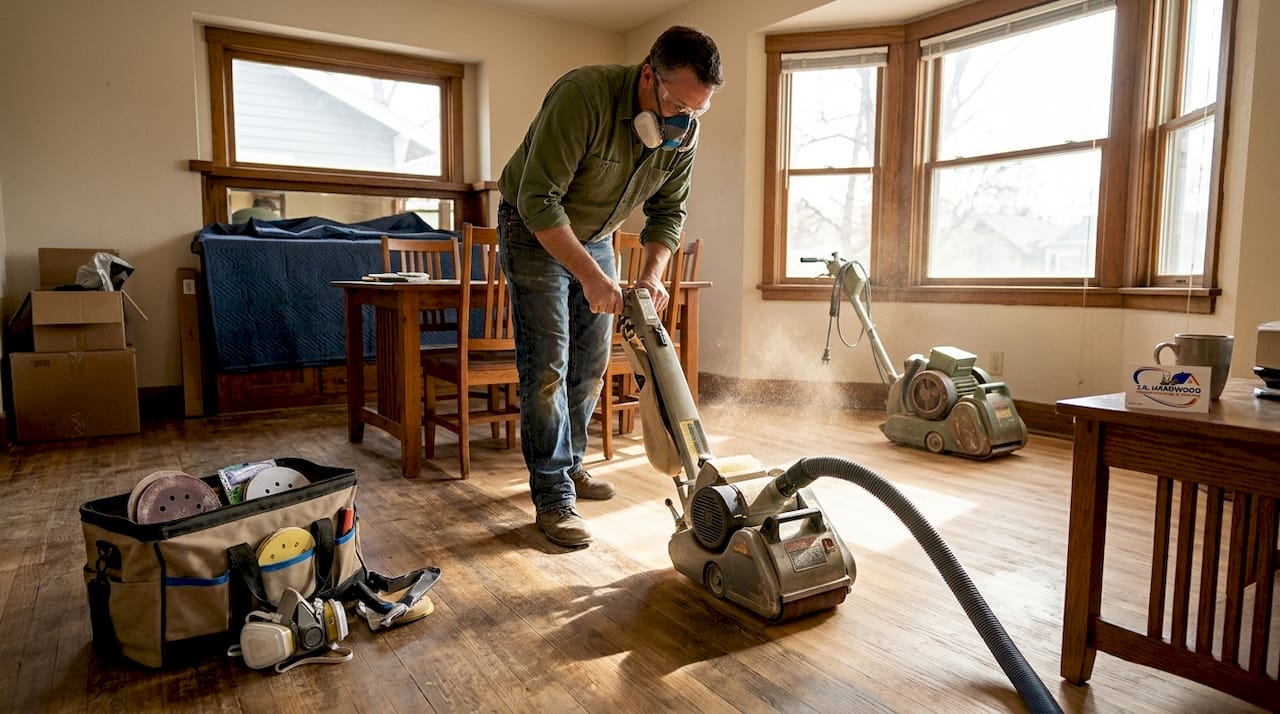
Here’s a quick tool and material comparison:
| Item | Conventional option | Eco-friendly option |
|---|---|---|
| Finish | Oil-based polyurethane | Water-based poly or plant oil |
| Sanding equipment | Standard drum sander | Dustless sanding system |
| Cleaning products | Solvent-based cleaners | pH-neutral, plant-based cleaners |
| Applicators | Foam rollers (non-recyclable) | Reusable lambswool or microfiber |
| Waste disposal | Standard trash | Hazardous waste protocol or compost |
When shopping for products, look for these certifications:
- GREENGUARD Gold certified finishes (safe for schools and healthcare spaces)
- NWFA (National Wood Flooring Association) approved products and methods
- LEED-compatible materials if you’re working on a commercial green building project
Pro Tip: Ask your local Colorado flooring supplier or contractor if they carry regionally sourced or distributed products. Reducing shipping miles is another small but meaningful sustainability win, and our refinishing and cleaning services are built around exactly this kind of thoughtful approach.
Step-by-step process: Sustainable floor refinishing made simple
With your eco-friendly toolkit ready, it’s time to get to work. Think of this process as giving your floors a proper spa day, one careful, restorative step at a time.
-
Clear and clean the space. Remove all furniture, rugs, and décor. Sweep or vacuum thoroughly. Use a pH-neutral, plant-based cleaner to remove any wax, grease, or residue.
-
Inspect the floor. Check for loose boards, protruding nails, or deep gouges. Address these before sanding. This step saves time and prevents uneven results.
-
Sand with dustless equipment. Start with a coarser grit to remove the old finish, then move to finer grits for a smooth surface. Dustless systems keep air clean and reduce cleanup dramatically. If your floors only need a light refresh, refinishing without full sanding may be an option worth considering.
-
Vacuum and tack the surface. After sanding, vacuum carefully and use a slightly damp tack cloth to remove any remaining fine particles. This ensures the finish bonds properly.
-
Apply your eco-friendly finish. Use a lambswool applicator or quality microfiber pad. Apply thin, even coats. Water-based poly typically needs two to three coats with light sanding between each.
-
Ventilate properly. Open windows and use fans to move fresh air through the space during and after application. Even low-VOC finishes benefit from good airflow during curing.
-
Dispose of materials responsibly. Seal used finish containers and check local Colorado hazardous waste guidelines. Many water-based products can be dried and disposed of with regular waste.
Pro Tip: For the best combination of durability and air quality in Colorado’s dry climate, plant-based finishes with a water-based topcoat give you deep wood nourishment plus a tough, low-VOC protective layer.
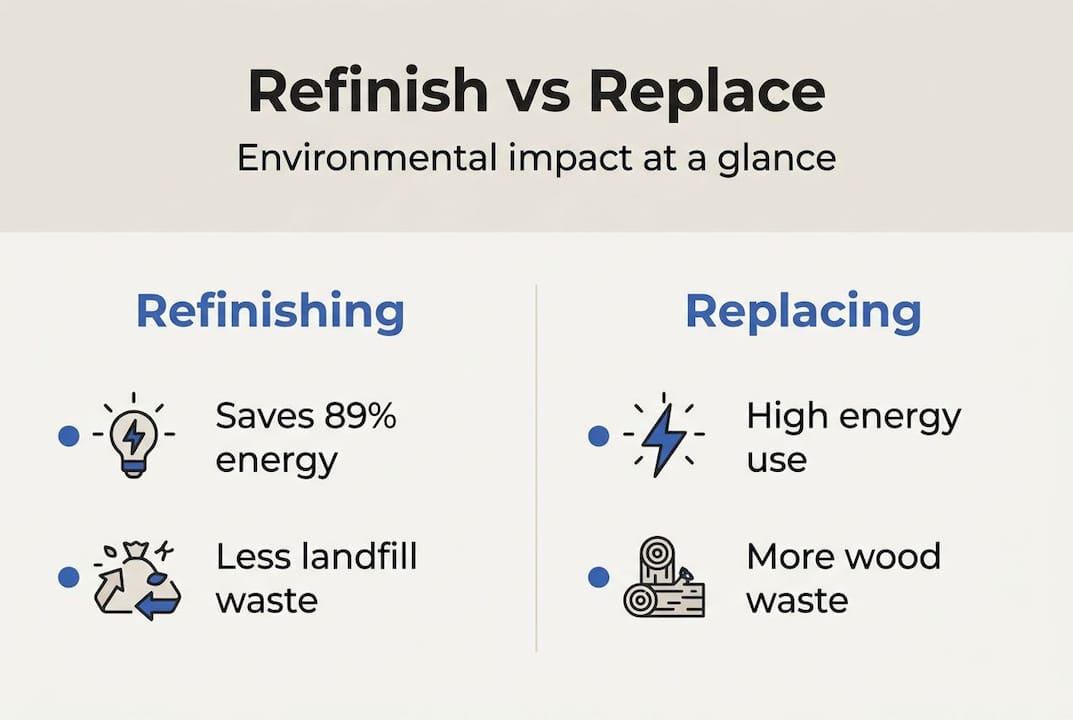
The environmental benefits of refinishing go well beyond aesthetics. According to recent research, refinishing saves 89 to 97% of the energy required for full floor replacement and reduces global warming potential by 4 to 12 times. That’s a massive environmental win hiding in plain sight.
For commercial property managers, the screen-and-recoat method is worth highlighting. It’s a lighter refinishing process that skips full sanding, cuts downtime to just a few hours, and still delivers a fresh, clean finish. Perfect for offices, retail spaces, or any property where you can’t afford long closures.
Aftercare and verification: Ensuring long-term sustainability
Finishing the job isn’t the end. Proper aftercare is what turns a one-time project into a long-term sustainable investment. Think of your new finish as sunscreen on your floors. It only works if you keep reapplying and protecting it.
Here’s how to maintain eco-refinished floors for the long haul:
- Use only pH-neutral, plant-based cleaners. Harsh chemicals break down eco-finishes faster and release unnecessary toxins into your home.
- Place felt pads under all furniture legs. Scratches are the number one enemy of any floor finish.
- Use entry mats at all exterior doors. Colorado’s grit and gravel are tough on finished surfaces.
- Avoid excess moisture. Colorado’s dry climate is actually a friend here, but wet mopping can still damage even the best eco-finish over time.
- Schedule a professional clean and buff every 12 to 18 months. This restores shine and catches wear before it becomes a full refinishing job.
One of the most exciting facts about hardwood is its longevity. Solid hardwood can be refinished 5 to 7 times over its lifetime, which means one well-maintained floor can last generations without ever needing replacement. That’s sustainability you can literally walk on.
Here’s a comparison of eco vs. conventional aftercare impacts:
| Aftercare factor | Conventional approach | Eco-friendly approach |
|---|---|---|
| Cleaning products | Chemical-based, high VOC | Plant-based, low or no VOC |
| Refinishing frequency | Every 3-5 years | Every 5-8 years with proper care |
| Finish longevity | Shorter with harsh cleaners | Extended with compatible products |
| Indoor air quality impact | Ongoing chemical exposure | Minimal ongoing impact |
Not sure when it’s time to refinish again? Check our refinishing FAQs for guidance, or use our replace vs. refinish decision guide to make the most cost-effective and eco-conscious call.
Watch for these red flags that signal it’s time to act:
- Dull or gray patches that don’t respond to cleaning
- Visible scratches that go through the finish into the wood
- Soft spots or boards that feel springy underfoot
- Finish peeling or flaking near high-traffic areas
Our take: Surprising truths about eco-friendly refinishing in Colorado
Here’s something we’ve learned after years of working on Colorado floors: most homeowners assume eco-friendly means expensive or fragile. That’s simply not true. Water-based finishes have closed the durability gap significantly, and in many cases they outperform traditional oil-based products in Colorado’s dry, UV-intense climate because they resist yellowing and hold up better with temperature swings.
Colorado also has a quiet regulatory advantage. The state’s air quality standards and growing green building incentives make eco-refinishing not just a lifestyle choice but a financially smart one. Some commercial projects even qualify for sustainability credits.
The biggest mistake we see? Property owners hiring whoever is cheapest without asking whether they use NWFA-certified methods or test indoor air quality after the job. That shortcut can cost you far more in health impacts and redo work down the road.
Our number one lesson: pairing local sourcing with certified professionals delivers the best outcomes. Explore your Denver restoration options and always ask the right questions before you hire.
Next steps: Expert help with eco-friendly floor refinishing
You now have a solid foundation for making smart, sustainable choices for your floors. Whether you’re a homeowner in Parker ready for a full refinish or a commercial property manager in Denver looking to minimize downtime, eco-friendly refinishing is absolutely within reach.
If you’re weighing your options, our DIY vs. professional refinishing guide is a great place to start. For a deeper look at the full process, our hardwood refinishing guide covers everything in detail. When you’re ready to work with a certified local team that uses eco-friendly products and proven methods, visit our eco-friendly floor refinishing services page. We offer free over-the-phone quotes and are happy to guide you toward the most sustainable solution for your specific floors.
Frequently asked questions
What are the best eco-friendly finishes for hardwood floors?
Low-VOC water-based polyurethanes and plant-based oils are the top eco-friendly choices, offering excellent durability with minimal chemical impact on your indoor air.
How often can hardwood floors be refinished in Colorado homes?
Solid hardwood can be refinished 5 to 7 times depending on wear and board thickness, making it one of the most sustainable flooring investments available.
Is dustless sanding really better for indoor air quality?
Yes. Dustless sanding systems capture up to 99% of fine particles at the source, significantly reducing airborne dust and protecting both occupants and HVAC systems.
Does eco-friendly refinishing cost more than traditional methods?
Premium eco products can have a slightly higher upfront cost, but faster cure times, longer finish life, and reduced health risks often make them the more economical choice over the long run.
What’s the main environmental benefit of refinishing instead of replacing flooring?
Refinishing saves 89 to 97% of the energy required for replacement and reduces global warming potential by up to 12 times, making it one of the greenest decisions a property owner can make.