 Skip to content
Dirt and grit quietly destroy hardwood floors, causing up to 60% of surface wear in high-traffic areas. Professional floor care reverses this damage through specialized cleaning, sanding, refinishing, and protective finishing techniques tailored to Colorado’s humidity swings and temperature extremes. From preventing warping in Denver homes to restoring commercial spaces in Boulder, expert maintenance extends floor life, preserves beauty, and protects your investment against the state’s unique climate challenges.
Table of Contents
- Introduction To Professional Floor Care
- How Professional Floor Care Extends Hardwood Floor Lifespan
- Comparing Professional Techniques: Full Sanding, Screen And Recoat, And Instant UV Finishing
- Eco-Friendly Products And Their Role In Floor Care Durability And Safety
- Common Misconceptions About Professional Vs. DIY Floor Care
- Practical Applications: Choosing And Maintaining Durable Finishes In Colorado Homes And Businesses
- Conclusion: Maximizing Hardwood Floor Longevity With Professional Care
- Explore Professional Floor Care Services From J.R. Hardwood Floor Refinishing & Cleaning
Key takeaways
| Point | Details |
|---|---|
| Professional cleaning reduces hardwood wear by up to 60% | Regular expert care removes dirt and grit that cause the majority of surface abrasion in high-traffic areas. |
| Different techniques extend floor life by varying years | Full sanding addresses deep damage, screen and recoat adds 5-7 years, and instant UV finishing offers superior scratch resistance. |
| Eco-friendly finishes cut VOC emissions by over 90% | Water-based products improve indoor air quality while matching or exceeding traditional finish durability. |
| Preventive professional care halves major refinishing needs | Routine maintenance prevents 50% of costly full restoration projects through early intervention. |
| Proper finish selection optimizes Colorado hardwood lifespan | Climate-adapted finishes withstand humidity fluctuations and temperature swings unique to the region. |
Introduction to professional floor care
Professional floor care encompasses a range of specialized services designed to preserve, restore, and protect hardwood surfaces. These services include deep cleaning, full sanding and restoration, refinishing, screen and recoat, wax removal, and application of durable protective finishes. Each technique addresses specific floor conditions and wear patterns to maximize longevity and appearance.
Colorado’s environment creates unique challenges for hardwood floors. Humidity swings between dry winters and occasional wet seasons cause wood to expand and contract, leading to warping, gaps, and cracking. Temperature extremes stress floor joints and finishes. Professional cleaning removes dirt causing up to 60% of surface abrasion wear, preventing premature degradation that accelerates in harsh climates.
Specialized care tailors approaches to different hardwood conditions and traffic levels. Residential floors in Parker or Castle Rock face different stresses than commercial spaces in Denver or Boulder. Maintaining wood floors in Colorado homes requires understanding how local conditions impact wood behavior. A hardwood cleaning guide for Colorado floors helps homeowners recognize when professional intervention prevents minor issues from becoming major problems.
Ignoring professional care accelerates floor degradation and leads to costly repairs. Surface scratches deepen into gouges. Dirt embeds into wood grain. Finish failures expose bare wood to moisture damage. Common hardwood floor damages in Colorado often result from delayed maintenance rather than catastrophic events. The professional cleaning role in hardwood care extends beyond aesthetics to structural preservation.
Key professional floor care services include:
- Deep cleaning that extracts embedded dirt and grit
- Full sanding to remove deep scratches and old finishes
- Screen and recoat for surface renewal with minimal downtime
- Refinishing to restore protective coatings and gloss
- Wax removal to prepare surfaces for modern finishes
- Instant UV finishing for rapid curing and superior durability
How professional floor care extends hardwood floor lifespan
Sanding removes surface scratches and restores smoothness, which is crucial for damaged or worn floors showing visible wear patterns. Professional equipment removes material evenly, preventing dips or waves that DIY sanders often create. This process prepares floors for fresh finish application that bonds properly to clean, smooth wood.
Professional cleaning prevents dirt buildup that causes abrasion and surface wear. Cleaning reduces abrasion wear by extracting particles that act like sandpaper under foot traffic. Regular maintenance removes these threats before they compromise finish integrity. In Colorado Springs or Aurora, where dust and seasonal debris accumulate quickly, this protection becomes essential.
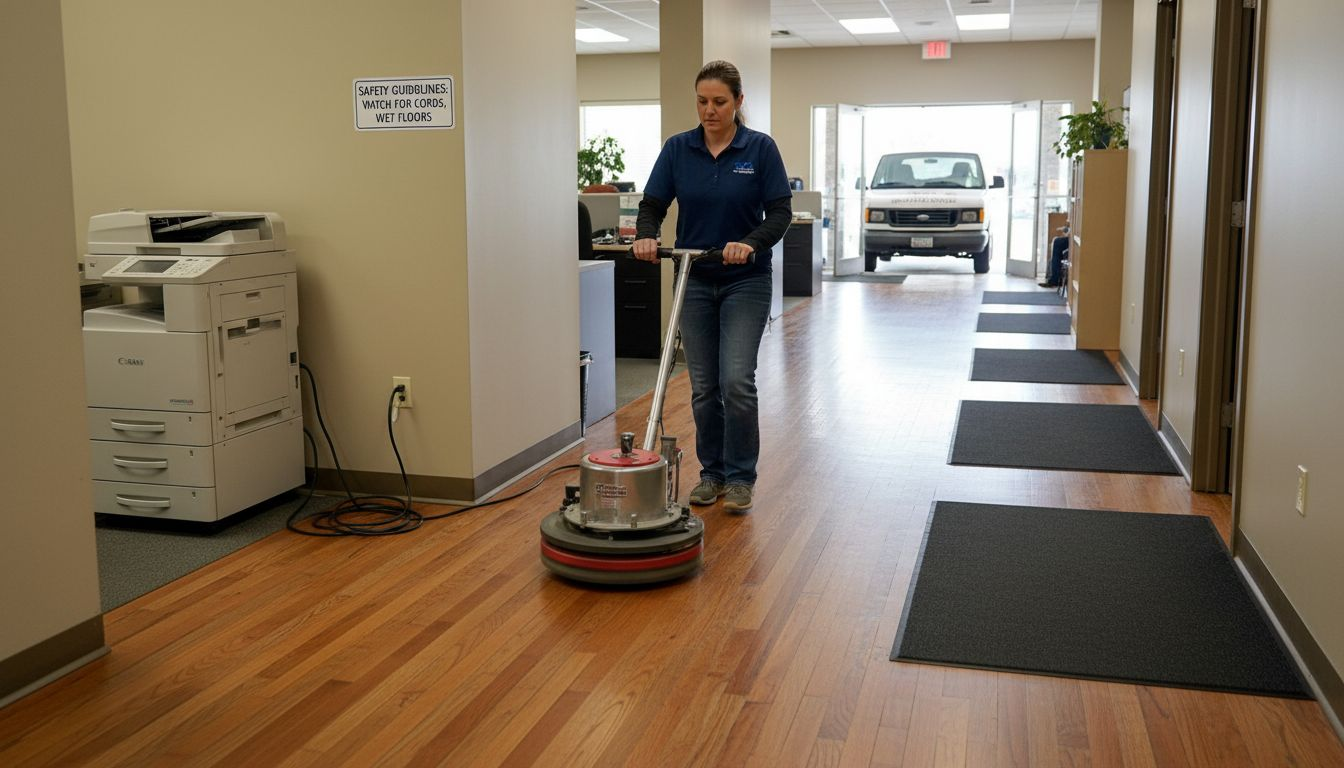
Regular maintenance controls moisture fluctuations preventing warping and cracking. Professional assessment identifies problem areas where humidity affects wood stability. Proper cleaning and finish application create barriers against moisture intrusion. Extending hardwood lifespan depends on addressing these environmental factors before damage occurs.
Refinishing replenishes protective coatings to maintain gloss and durability. As finishes wear thin, they lose their ability to protect underlying wood from scratches, stains, and moisture. Professional refinishing applies even, durable coats that seal surfaces completely. Maintain hardwood floors effectively by scheduling refinishing before finish failures expose bare wood.
Maintenance can extend lifespan by over 5 years compared to neglected floors. Preventive care catches problems early when simple solutions work. Neglected floors require more aggressive restoration that removes more wood material, shortening overall floor life. This difference compounds over decades, making professional maintenance a clear value proposition.
Pro Tip: Schedule professional cleaning every 6-12 months in high-traffic areas to prevent abrasive dirt accumulation. This simple step eliminates the primary cause of premature finish failure and extends time between major refinishing projects.
Key lifespan extension benefits include:
- Prevention of deep scratches that require aggressive sanding
- Early detection of moisture problems before structural damage occurs
- Maintenance of protective finish barriers against daily wear
- Reduction of wood material removal during future restorations
- Preservation of original floor thickness for longer total lifespan
Comparing professional techniques: full sanding, screen and recoat, and instant UV finishing
Full sanding removes deep scratches and old finishes completely, making it ideal for heavily damaged floors with significant wear, stains, or uneven surfaces. This intensive process strips floors to bare wood, allowing complete color correction and finish renewal. It works best when floors show structural issues or when homeowners want dramatic appearance changes.
Screen and recoat resurfaces floors with minimal downtime, extending life 5-7 years for moderate wear. This method abrades existing finish lightly to create adhesion for new topcoats without removing all finish layers. Screen and recoat benefits include faster completion and lower cost than full sanding. Screen and recoat services suit floors with surface wear but intact underlying finish.
Instant UV finishing offers rapid curing and superior scratch resistance, perfect for high-traffic commercial spaces needing fast turnaround. UV light cures finish in seconds rather than hours or days, allowing immediate use. Instant UV curing advantages include reduced VOC exposure and exceptional hardness. Commercial properties in downtown Denver or busy Boulder retail spaces benefit most from this technology.
| Technique | Best For | Durability Added | Downtime | Cost Level |
|---|---|---|---|---|
| Full Sanding | Deep damage, stains, structural issues | 10+ years | 3-5 days | High |
| Screen and Recoat | Surface wear, dull finish | 5-7 years | 1-2 days | Medium |
| Instant UV Finishing | Commercial, rapid turnaround needs | 8-10 years | Hours | Medium-High |
Each method suits different floor conditions and usage scenarios. Residential homes with moderate wear choose screen and recoat for cost efficiency. Commercial kitchens or retail spaces requiring minimal closure time select instant UV finishing. Properties with decades-old floors showing deep wear need full sanding for complete restoration.
Professional assessment determines optimal technique choice. Experts evaluate finish thickness, scratch depth, wood stability, and client timeline constraints. This evaluation prevents wasted effort on inappropriate methods and ensures results match expectations.
Pro Tip: Request floor assessment before committing to a technique. What appears to need full sanding might respond well to screen and recoat, saving thousands of dollars while achieving desired results.
Technique selection factors include:
- Current floor condition and damage severity
- Budget constraints and timeline requirements
- Expected traffic levels and usage patterns
- Desired finish appearance and durability
- Property type and occupancy considerations
Eco-friendly products and their role in floor care durability and safety
Water-based finishes reduce VOC emissions by over 90%, improving indoor air quality in homes and commercial spaces. Traditional oil-based finishes release volatile organic compounds during application and curing, creating odors and potential health concerns. Modern water-based alternatives cure with minimal emissions, making spaces usable sooner without compromising air quality.
Eco-friendly products protect occupant health without compromising surface durability. Early water-based finishes earned reputations for inferior wear resistance, but current formulations match or exceed oil-based performance. These products work especially well in Colorado environments where ventilation during winter months can be limited.
Durability of eco-friendly finishes meets or exceeds traditional oil-based finishes. Advanced polymers create hard, scratch-resistant surfaces that withstand daily traffic. Commercial installations in high-traffic areas demonstrate performance equal to conventional products. Homeowners gain peace of mind knowing their floors receive protection without exposing family members to harmful chemicals.
Using sustainable products aligns with environmental responsibility goals. Clients increasingly prioritize green building practices and low-impact materials. Professional floor care using eco-friendly products supports these values while delivering required performance. Guide to hardwood floor finishes helps property owners understand options and make informed choices.
Clients in Colorado benefit from finishes adapted to local climate conditions. Humidity fluctuations and temperature swings demand flexible finishes that expand and contract with wood movement. Water-based formulations often handle these stresses better than rigid oil-based alternatives, reducing cracking and delamination.
Key eco-friendly product benefits include:
- Dramatic reduction in harmful chemical exposure during application
- Faster cure times allowing quicker room reoccupancy
- Comparable or superior scratch and wear resistance
- Better flexibility for Colorado’s climate variations
- Support for sustainable building and renovation practices
Common misconceptions about professional vs. DIY floor care
Professional care is preventive and not only for damaged floors, reducing major refinishing needs by 50%. Many homeowners wait until floors show severe damage before seeking expert help. Routine professional maintenance prevents problems from developing, extending time between expensive restorations. This proactive approach saves money and preserves floor integrity.
DIY methods often shorten floor lifespan by roughly 30% due to improper techniques. Rental equipment lacks the power and precision of professional machines. Inexperienced users create uneven surfaces, sand through veneer layers, or apply finishes incorrectly. These mistakes require professional correction that removes additional wood material, reducing total floor lifespan.
Wax removal requires expertise; unprofessional attempts can damage surfaces and hamper finish adhesion. Old wax layers must be completely removed before modern finishes can bond properly. Improper removal leaves residue that causes finish failures. Professional wax stripping uses appropriate chemicals and techniques that clean without damaging wood.
Incorrect DIY abrasion or finish application causes uneven damage and costly repairs. Sanding too aggressively removes excessive material. Finishing in poor conditions creates bubbles, streaks, or soft spots. These errors often cost more to fix than professional service would have cost initially.
Expert care ensures tailored approach and maximized floor durability. Professionals assess wood species, existing finish type, damage severity, and environmental factors to create appropriate treatment plans. This customization achieves results that generic DIY approaches cannot match.
Common misconceptions include:
- Believing professional care is only necessary when floors look terrible
- Assuming rental equipment produces results comparable to professional machines
- Thinking all finishes apply the same way regardless of product type
- Underestimating the skill required for even surface preparation
- Expecting DIY projects to cost significantly less after factoring in materials and time
Practical applications: choosing and maintaining durable finishes in Colorado homes and businesses
Select finishes adapted to humidity fluctuations and temperature swings characteristic of Colorado climates. Water-based polyurethanes offer flexibility that accommodates wood movement better than rigid oil-based alternatives. UV-curable finishes provide exceptional hardness for commercial applications. Proper floor care in Colorado requires matching finish properties to local environmental stresses.
Implement maintenance schedules balancing cleaning, recoating, and inspection every 1-3 years. High-traffic commercial spaces need annual professional attention. Residential properties benefit from assessments every 2-3 years. These regular checkpoints catch problems early when simple solutions work.
Use eco-friendly, water-based or UV-curable finishes to ensure safety and durability. Modern formulations eliminate health concerns while providing performance that meets or exceeds traditional products. Choosing hardwood floor finishes involves balancing durability requirements with environmental and health priorities.
Professional consultation helps tailor plans for residential vs. commercial needs. Homes prioritize aesthetics and family safety. Businesses require durability and minimal downtime. Expert advisors create maintenance strategies that align with specific property goals and constraints.
Regular assessment prevents buildup and damage, prolonging finish life. Annual inspections identify wear patterns before they become serious problems. Professional cleaning removes abrasive particles that would otherwise accelerate finish breakdown.
Practical maintenance steps include:
- Schedule professional assessment every 1-3 years based on traffic levels
- Perform deep cleaning every 6-12 months to remove embedded dirt
- Apply screen and recoat when finish shows wear but remains intact
- Plan full refinishing when multiple problem areas appear or finish fails
- Choose finishes rated for actual usage patterns and environmental conditions
Pro Tip: Document floor condition with photos during each professional service. This visual record helps track wear patterns and optimize future maintenance timing for maximum cost efficiency.
Additional practical considerations:
- Place protective mats at entrances to capture dirt before it reaches floors
- Maintain consistent indoor humidity levels between 35-55% year-round
- Address spills immediately to prevent moisture penetration
- Use furniture pads to prevent scratches from chairs and tables
- Avoid harsh cleaners that strip protective finish layers
Conclusion: maximizing hardwood floor longevity with professional care
Professional floor care delivers measurable benefits that DIY approaches cannot match. Reducing surface wear by 60% through expert cleaning, extending lifespan by 5-7 years with appropriate techniques, and cutting VOC emissions by over 90% with eco-friendly finishes creates value that compounds over decades. Colorado’s unique climate challenges make specialized care essential rather than optional.
Homeowners and property managers who invest in preventive professional maintenance protect their properties while enjoying beautiful, durable floors. The evidence is clear: expert care costs less over time than reactive repairs, preserves more original wood material, and maintains appearance standards that enhance property value. Make informed choices by consulting professional floor care providers who understand Colorado conditions and can tailor solutions to your specific needs.
Explore professional floor care services from J.R. Hardwood Floor Refinishing & Cleaning
Now that you understand how professional care preserves hardwood floors against Colorado’s climate challenges, consider partnering with experts who specialize in these exact solutions. J.R. Hardwood Floor Refinishing & Cleaning offers comprehensive services including deep cleaning, full sanding and restoration, screen and recoat, instant UV finishing, and eco-friendly finish applications tailored to Denver Metro Area properties.
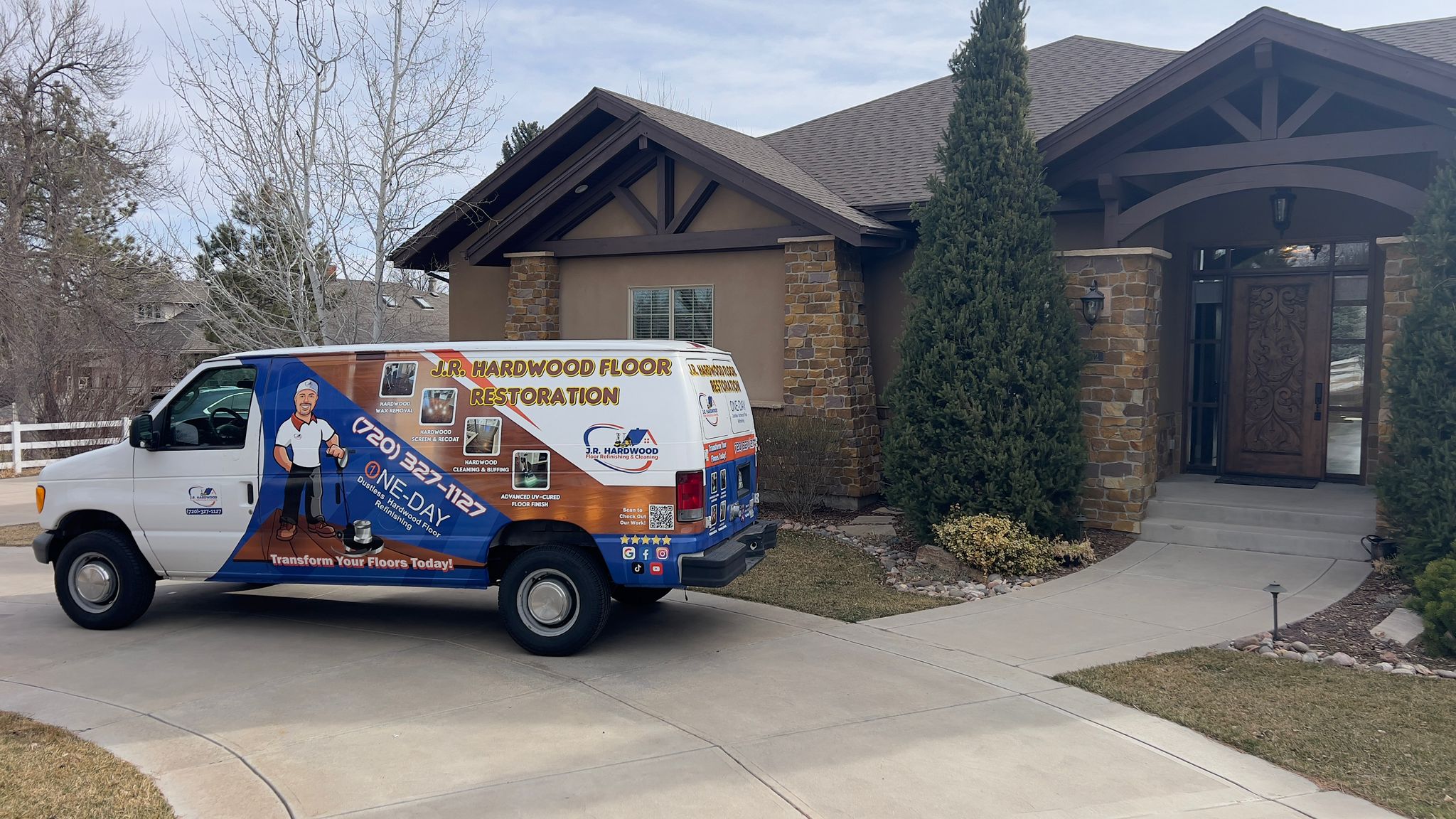
Whether you manage commercial spaces in Boulder requiring minimal downtime or own a home in Castle Rock needing climate-adapted maintenance, professional hardwood floor refinishing services deliver results that protect your investment. The team provides free phone quotes, clear scheduling, and expert guidance through every step. Review the hardwood floor refinishing guide to explore options, then contact J.R. Hardwood to discuss your specific floor care needs and create a customized maintenance plan.
FAQ
What is the role of professional floor care in maintaining hardwood floors?
Professional floor care preserves hardwood beauty and durability by preventing damage and restoring surfaces using specialized techniques suited for Colorado’s climate. Expert cleaning removes up to 60% of abrasive dirt, while refinishing replenishes protective barriers against moisture and wear.
How often should hardwood floors be professionally maintained in Colorado?
Generally, professional cleaning every 6-12 months and recoating every 1-3 years optimize durability, adjusted for traffic and humidity fluctuations. High-traffic commercial spaces need annual attention, while residential properties benefit from assessments every 2-3 years.
Are eco-friendly floor finishes durable enough for commercial properties?
Yes, modern eco-friendly finishes offer comparable or superior durability and reduce harmful VOC emissions by over 90%, making them ideal for commercial spaces in Colorado. Advanced water-based and UV-curable formulations provide exceptional scratch resistance while improving indoor air quality.
What common mistakes do homeowners make with DIY hardwood floor care?
Common mistakes include improper abrasion, incorrect finish removal, and skipping preventive maintenance, which can shorten floor life by around 30%. DIY approaches often create uneven surfaces, damage veneer layers, or apply finishes incorrectly, requiring costly professional correction.
Recommended
- Proper Floor Care: Extending Hardwood Lifespan
- Hardwood Floor Refinishing: DIY vs. Professional Service – J.R. Hardwood Floor Refinishing & Cleaning
- How to Tackle Hardwood Floor Wax Removal Like a Pro – J.R. Hardwood Floor Refinishing & Cleaning
- Hardwood Floor Wear: 40% Faster From Traffic in Denver