 Skip to content
Your hardwood floors were meant to shine, but lately you notice scratches, uneven color, and dullness that won’t lift no matter how often you clean. These visible changes aren’t just cosmetic—they’re warning signs that your wood floors need more attention than routine sweeping and mopping. Knowing when professional restoration becomes necessary can save you from costly repairs and protect your investment.
The advice from the National Wood Flooring Association points out that surface scratches, fading, and persistent dullness signal deeper issues beneath the finish. This list reveals the practical signs every homeowner should look for, from rough boards underfoot to stubborn water stains that won’t budge. Get ready to spot the urgent cues that mean your hardwood floors need restoration—before minor damage turns into a major headache.
Table of Contents
- 1. Noticeable Scratches and Deep Gouges on Hardwood
- 2. Fading, Discoloration, or Uneven Floor Color
- 3. Persistent Dullness Despite Regular Cleaning
- 4. Loose, Creaking, or Warped Floorboards
- 5. Stains or Water Damage That Won’t Go Away
- 6. Rough or Splintering Surface Underfoot
- 7. Increased Dust and Allergens Near Flooring
Quick Summary
| Takeaway | Explanation |
|---|---|
| 1. Address Scratches Promptly | Early intervention for scratches helps maintain structural integrity and prevents costly repairs. |
| 2. Watch for Color Changes | Uneven color or fading indicates potential degradation of the wood finish needing professional restoration. |
| 3. Dull Floors Need Professional Help | Persistent dullness often signifies that the protective finish is worn thin, requiring expert restoration to regain shine. |
| 4. Inspect for Loose or Warped Boards | Creaking or loose floorboards may signal underlying issues; immediate professional assessment is crucial for safety. |
| 5. Identify and Treat Water Stains | Stubborn water stains can indicate serious moisture problems; timely professional restoration is vital to prevent further damage. |
1. Noticeable Scratches and Deep Gouges on Hardwood
Scrapes and gouges aren’t just cosmetic problems on hardwood floors – they’re urgent signals that your floor needs professional attention. These imperfections can quickly compromise the integrity and beauty of your wooden surfaces if left untreated.
The National Wood Flooring Association recommends addressing scratches early because deeper damage can lead to structural issues. Here’s what homeowners need to understand about floor scratches:
- Surface scratches that expose wood grain
- Deep gouges penetrating multiple wood layers
- Scratches wider than 1/4 inch
- Areas with multiple interconnected scratches
Professional floor restoration becomes critical when scratches exceed standard maintenance techniques. While minor scratches might be manageable with home remedies, extensive damage requires expert sanding and refinishing.
Professional intervention prevents permanent wood degradation and maintains your floor’s structural integrity.
Some scratches result from everyday wear – moving furniture, pet claws, high heels – but deep gouges often indicate more significant underlying issues. These damages not only look unsightly but can allow moisture penetration that leads to wood warping or rot.
Hardwood floors are an investment. Addressing scratches promptly protects this valuable home feature and prevents costlier repairs down the line.
Pro tip: Keep a wood repair kit handy and address minor scratches immediately to prevent further deterioration.
2. Fading, Discoloration, or Uneven Floor Color
Hardwood floors naturally age and transform over time but uneven color and significant fading signal more serious underlying issues. When your once-vibrant hardwood starts looking patchy or washed out, it is time to consider professional restoration.
Color inconsistency can result from multiple factors:
- Inconsistent sun exposure
- Varying finish degradation
- Moisture damage
- Chemical spills
- Incorrect initial finishing techniques
The National Wood Flooring Association recommends protecting floor color integrity through strategic maintenance and periodic refinishing. Sunlight is particularly destructive – UV rays can dramatically alter wood pigmentation, creating stark contrast between covered and exposed areas.
Uneven floor color is more than an aesthetic issue – it indicates potential structural vulnerability.
Wood finish degradation happens gradually. Areas with high foot traffic or near windows often show more significant color changes. This progressive discoloration suggests your floor’s protective layer is breaking down and needs professional assessment.
Homeowners should watch for these warning signs:
- Yellowish or grayish tint developing across the floor
- Distinct color differences between room sections
- Faded patches near windows or high-light areas
- Dull appearance replacing original wood luster
Professional restoration can reset your floor’s appearance and protect against future color inconsistencies. Skilled technicians can sand away damaged layers and apply uniform, UV-resistant finishes.
Pro tip: Use area rugs and window treatments to minimize direct sunlight exposure and prevent uneven floor color degradation.
3. Persistent Dullness Despite Regular Cleaning
Your hardwood floors look clean but lack that vibrant shine – a telltale sign of underlying finish degradation. Regular sweeping and mopping might keep surfaces tidy yet cannot restore the original luster that signals a healthy wood floor.
Persistent dullness indicates several potential issues:
- Protective finish has worn extremely thin
- Microscopic scratches across the surface
- Accumulated residue from improper cleaning products
- Natural aging of wood finish
- Excessive moisture exposure
The National Wood Flooring Association recommends routine floor maintenance techniques to prevent and address this common problem. When your floors remain lackluster despite diligent cleaning, it signals that the protective layer needs professional intervention.
A dull hardwood floor is more than an aesthetic issue – it represents compromised surface protection.
Finish degradation happens gradually. High-traffic areas show the first signs of wear. Microscopic abrasions accumulate over time creating a hazy appearance that standard cleaning cannot resolve. Professional recoating or refinishing becomes essential to restore the wood’s original brilliance.
Key indicators your floor needs restoration:
- Flat appearance with no reflective qualities
- Visible micro-scratches across surface
- Cleaning produces no significant shine improvement
- Uneven texture when closely examined
Hardwood floors are a significant home investment. Timely restoration prevents more extensive and costly damage down the line.
Pro tip: Use microfiber mops and pH-neutral wood cleaners to minimize surface damage and preserve your floor’s protective finish.
4. Loose, Creaking, or Warped Floorboards
A symphony of squeaks and shifts beneath your feet signals more than just an old floor – it warns of serious structural issues demanding immediate attention. Loose and creaking floorboards are your hardwood’s way of crying out for professional restoration.
Multiple factors contribute to floor instability:
- Moisture exposure and humidity fluctuations
- Natural wood aging
- Subfloor deterioration
- Improper initial installation
- Structural settlement
Homeowners should recognize warning signs of floor damage before minor issues escalate into major repairs. Warped boards can manifest in several disturbing ways:
- Bowing or cupping of individual planks
- Noticeable gaps between boards
- Uneven walking surfaces
- Boards that move or flex when stepped on
A creaking floor is not just annoying – it is a potential structural red flag.
Wood responds dramatically to environmental conditions. Uneven moisture can cause boards to expand, contract and ultimately warp. This process weakens the entire floor system creating potential safety hazards.
Professional restoration offers comprehensive solutions:
- Identifying root cause of warping
- Replacing damaged boards
- Addressing underlying moisture issues
- Reinstalling with proper techniques
Structural integrity matters more than cosmetic appearance. Ignoring these warning signs can lead to more extensive and expensive repairs.
Pro tip: Monitor your home’s humidity levels and use dehumidifiers to prevent wood expansion and minimize floor damage.
5. Stains or Water Damage That Won’t Go Away
Persistent water stains are more than unsightly blemishes – they are serious warnings about potential structural damage to your hardwood floors. When water marks refuse to disappear with standard cleaning, it signals a deeper problem requiring professional intervention.
Multiple factors contribute to stubborn water damage:
- Prolonged moisture exposure
- Compromised wood sealant
- Underlying moisture issues
- Mold or mildew growth
- Wood cellular structure breakdown
Homeowners should understand water damage restoration procedures to prevent extensive floor deterioration. Water stains typically reveal critical issues:
- Dark or black discoloration
- Warped or buckled board edges
- Soft or spongy wood texture
- Spreading stain patterns
- Musty odors near affected areas
Water damage is a ticking time bomb for hardwood floor integrity.
Wood is a porous natural material that absorbs moisture quickly. Stains that linger indicate the water has penetrated beyond surface levels potentially causing irreversible damage to wood fibers and structural support.
Professional restoration involves:
- Comprehensive moisture assessment
- Targeted stain removal techniques
- Sanding affected areas
- Applying specialized sealants
- Preventing future moisture intrusion
Immediate action prevents catastrophic floor damage. Delaying professional assessment can transform a manageable issue into a complete floor replacement scenario.
Pro tip: Use a moisture meter to detect hidden water damage before visible signs emerge and keep humidity levels between 35-55% to protect hardwood floors.
6. Rough or Splintering Surface Underfoot
A hardwood floor that feels like sandpaper beneath your feet is more than just an uncomfortable walking experience – it is a clear signal that professional restoration is urgently needed. Rough and splintering surfaces compromise both safety and the aesthetic appeal of your home.
Several factors contribute to surface deterioration:
- Excessive UV exposure
- Improper initial finishing
- Years of accumulated wear
- Chemical damage
- Moisture inconsistencies
Professionals recommend addressing wood surface failures before they escalate into more serious structural problems. Recognizable signs of surface breakdown include:
- Sharp wooden edges
- Visible wood fiber separation
- Raised grain patterns
- Rough texture when touched
- Small wooden fragments coming loose
A splintering floor is a safety hazard waiting to happen.
Wood surfaces degrade systematically. What starts as minor roughness can quickly transform into significant structural damage if left unaddressed. Professional sanding and refinishing restore not just appearance but also floor integrity.
Restoration typically involves:
- Comprehensive surface assessment
- Professional sanding techniques
- Removing damaged wood layers
- Applying protective sealants
- Restoring smooth walking surface
Surface quality reflects overall floor health. Proactive maintenance prevents costly future repairs.
Pro tip: Invest in high-quality floor mats at entry points to reduce direct dirt and debris contact that accelerates surface wear.
7. Increased Dust and Allergens Near Flooring
Dust accumulation near your hardwood floors is more than just an aesthetic nuisance – it signals potential underlying issues with floor integrity and home environmental quality. When dust seems to multiply faster than usual around your baseboards and flooring, it is time to investigate potential restoration needs.
Multiple factors contribute to increased dust and allergen buildup:
- Deteriorating floor finish
- Microscopic surface cracks
- Compromised wood sealant
- Uneven floor surfaces
- Poor indoor air circulation
Homeowners should understand indoor allergen control strategies to maintain a healthy living environment. Hardwood floors naturally resist dust accumulation better than carpets but require proper maintenance.
Dust is not just a cleaning problem – it is a potential health indicator.
Floor surface condition directly impacts dust retention. Tiny cracks and uneven finishes create microscopic traps for dust particles making regular cleaning increasingly difficult.
Warning signs of dust-related floor issues include:
- White powdery residue near floor edges
- Rapid dust reappearance after cleaning
- Visible fine particles in floor grain lines
- Increased allergy symptoms
- Noticeable texture changes in floor surface
Professional floor restoration eliminates dust traps. Sanding and refinishing create a smooth surface that resists dust accumulation and improves overall indoor air quality.
Pro tip: Use microfiber mops and HEPA vacuum attachments to effectively remove dust from hardwood floors and prevent particle buildup.
Below is a comprehensive table summarizing key issues and advice regarding the maintenance and restoration of hardwood floors as discussed in the article.
| Topic | Description | Recommendations |
|---|---|---|
| Scratches and Gouges | Surface damage impacting wood integrity and aesthetics. | Address early with professional restoration to prevent deeper structural issues. |
| Fading and Discoloration | Uneven color due to sunlight, finish deterioration, or moisture. | Use UV-resistant finishes and employ proactive shading techniques for prevention. |
| Persistent Dullness | Loss of luster indicating degraded protective finish. | Professional recoating restores visual appeal and surface protection. |
| Loose or Creaking Boards | Indicative of structural issues or improper installation. | Address promptly to ensure safety and floor stability. |
| Stains and Water Damage | Signals moisture penetration, leading to wood warping. | Employ professional moisture assessment and application of specialized sealants. |
| Rough or Splintering Surfaces | Hazards for safety; indicative of surface wear. | Sanding and refinishing restore a smooth walking surface. |
| Increased Dust or Allergens | Cracks and uneven surfaces trapping debris. | Refinishing eliminates dust traps and improves air quality. |
Restore Your Floors Before Damage Worsens
Recognizing signs like deep scratches, persistent dullness, or warping floors can feel overwhelming. These issues threaten not only your hardwood’s beauty but also its structural integrity. If you have noticed uneven floor color, creaking boards, or stubborn water stains, professional restoration is essential to protect your investment and restore your home’s comfort.
Discover effective solutions and expert care tailored to your flooring needs in our Uncategorized Archives – J.R. Hardwood Floor Refinishing & Cleaning.
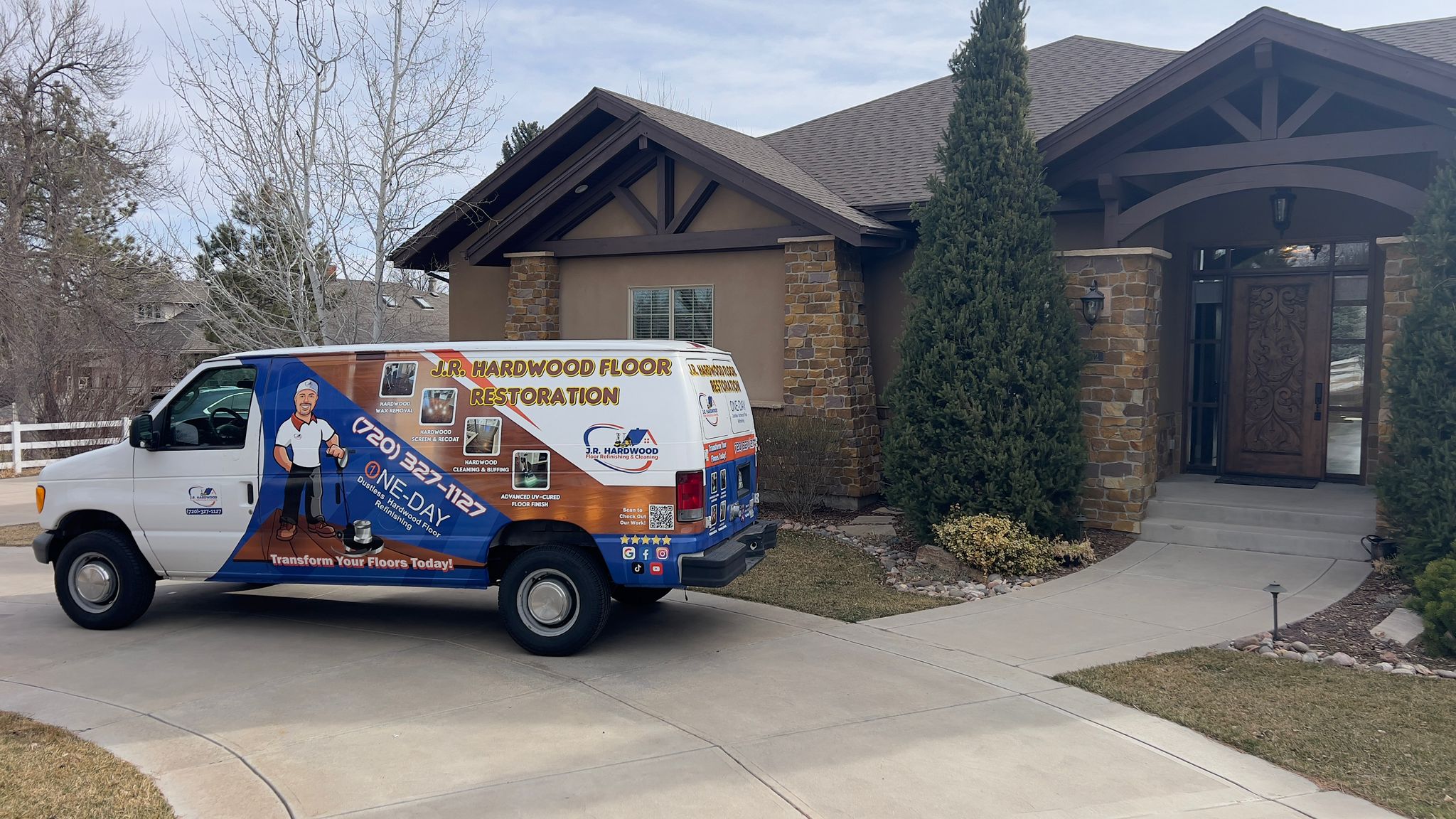
Take action today with J.R. Hardwood Floor Refinishing & Cleaning, proudly serving Denver and the surrounding Colorado communities. Using eco-friendly products and advanced technology, we remove scratches, repair warping, and renew your floor’s finish for lasting protection. Visit our website at J.R. Hardwood Floor Refinishing & Cleaning to schedule your free consultation. Don’t let minor issues turn into costly repairs. Restore your hardwood floors with confident, professional results designed to last.
Frequently Asked Questions
What are the signs that indicate I need floor restoration at home?
Signs that you need floor restoration include noticeable scratches, staining, persistent dullness, creaking floorboards, and uneven surfaces. Assess these indicators regularly to decide if professional intervention is necessary.
How quickly should I address scratches and gouges on my hardwood floor?
You should address scratches and gouges as soon as you notice them, especially if they expose the wood grain or penetrate deeper. Acting quickly can prevent further damage and protect your floor’s structural integrity.
What can I do to prevent fading and discoloration on my hardwood floors?
To prevent fading and discoloration, use area rugs in high-traffic areas and window treatments to minimize direct sunlight exposure. Establish a routine of periodic refinishing every few years to maintain your floor’s color consistency.
How do I recognize when my hardwood floor finish is degrading?
If your hardwood floors appear dull despite regular cleaning or feel rough underfoot, it may indicate that the finish is wearing thin. Schedule a professional assessment to address these issues before they get worse.
What steps should I take if I notice water stains on my hardwood floor?
If you notice persistent water stains, act immediately by assessing the area for moisture accumulation and potential underlying issues. Contact a professional to evaluate the damage and consider restoration options.
How can I reduce dust and allergens accumulating on my hardwood flooring?
To reduce dust and allergens, maintain a regular cleaning routine using microfiber mops and a HEPA vacuum. Implement these cleaning strategies to create a healthier living environment and minimize dust buildup.
Recommended
- 5 Signs Your Hardwood Floors Need Refinishing – J.R. Hardwood Floor Refinishing & Cleaning
- What Is Floor Restoration and Why It Matters
- Role of Floor Restoration – Protecting and Reviving Floors
- Why Restore Worn Hardwood – Lasting Value for Colorado Floors
- 7 Essential Items for a Building Inspection Checklist – Florida Licensed Engineers
- 7 Essential Steps for a Structural Inspection Checklist – Texas Licensed Engineers | Residential & Commercial