 Skip to content
Trying to keep your hardwood floors clean without damaging their finish can feel confusing and overwhelming. Different floor types and finishes need unique care, and using the wrong methods or products risks harming your floors and shortening their lifespan. Skipping details like daily dusting or choosing unsafe cleaners can leave you with scratches and dull spots that are tough to fix.
This list breaks down the most effective, research-backed steps for keeping your hardwood floors healthy and beautiful. You will learn how to recognize your floor’s unique needs, prevent common pitfalls, and select safer products and techniques for maintenance. Get ready for practical answers that make everyday hardwood floor care simple and rewarding.
Table of Contents
- 1. Understand Your Floor Type And Finish
- 2. Sweep And Dust Daily To Prevent Scratches
- 3. Use Eco-Friendly Cleaners For Healthier Homes
- 4. Manage Pet Hair And Paw Traffic Effectively
- 5. Adopt Safe Mopping Techniques For Hardwood Floors
- 6. Schedule Regular Professional Maintenance
- 7. Protect High-Traffic Areas With Rugs And Pads
Quick Summary
| Takeaway | Explanation |
|---|---|
| 1. Understand your floor type and finish | Identifying wood species and finish type is essential for effective cleaning and maintenance. Different woods require unique care strategies to preserve their condition. |
| 2. Sweep and dust daily | Regular dusting and sweeping prevent scratches and dirt buildup, extending the lifespan of your hardwood floors. Use gentle motions and appropriate tools for effective cleaning. |
| 3. Use eco-friendly cleaners | Opt for eco-friendly cleaning solutions to safeguard both your floors and family’s health. Avoid harsh chemicals that can damage wood surfaces and introduce toxins into your environment. |
| 4. Manage pet impacts effectively | Implement strategies such as trimming pet nails and using washable mats to reduce pet hair and scratches, maintaining floor appearance and integrity. |
| 5. Schedule regular professional maintenance | Professional assessments and services help catch issues early, ensuring your hardwood floors remain in optimal condition and significantly extending their life. |
1. Understand Your Floor Type and Finish
Recognizing the unique characteristics of your hardwood floors is the first critical step in maintaining their beauty and longevity. Just like humans need personalized healthcare, your hardwood floors require tailored care based on their specific wood species and protective finish.
Hardwood floors are not a one-size-fits-all solution. Each type of wood and finish has distinct properties that influence cleaning and maintenance requirements. The US Forest Service highlights that hardwood characteristics significantly impact maintenance strategies, making thorough understanding crucial for preserving your investment.
Key considerations for identifying your floor type include:
- Wood species (oak, maple, walnut, cherry)
- Finish type (polyurethane, wax, oil, shellac)
- Surface texture (smooth, hand-scraped, wire-brushed)
- Gloss level (matte, satin, semi-gloss, high-gloss)
Different wood species absorb moisture and cleaning products differently. For instance, softer woods like pine require gentler cleaning approaches compared to harder woods like maple or oak. Similarly, the finish determines how resistant your floor is to moisture, scratches, and daily wear.
Understanding your floor’s specific composition is like knowing a blueprint – it guides every maintenance decision you’ll make.
To determine your floor type:
- Check original flooring documentation
- Consult installation records
- Contact the original manufacturer if possible
- Hire a professional floor assessment service
Pro tip: Keep a small sample or photograph of your floor’s wood and finish for future reference when seeking maintenance advice.
2. Sweep and Dust Daily to Prevent Scratches
Daily sweeping and dusting are more than just routine maintenance – they are your hardwood floors’ first line of defense against potential damage. Tiny particles of dirt and grit can act like sandpaper, gradually wearing down your floor’s protective finish and creating microscopic scratches that accumulate over time.
The New York State Office of General Services emphasizes that routine dusting prevents surface abrasions and preserves floor integrity. These small daily actions can significantly extend your hardwood floor’s lifespan and maintain its original luster.
Effective daily cleaning tools include:
- Microfiber dust mops
- Soft-bristled brooms
- Vacuum cleaners with soft hardwood floor attachments
- Electrostatic cleaning cloths
When sweeping or dust mopping, use gentle motions that collect debris without dragging particles across the floor. Start from one corner of the room and systematically move toward an exit to prevent re-depositing dirt.
Consistent daily cleaning is like preventive healthcare for your hardwood floors – small actions prevent big problems.
Key techniques to minimize scratching:
- Use clean dust mops and cloths
- Lift furniture when moving instead of sliding
- Place protective felt pads under furniture legs
- Clean mop and vacuum attachments regularly
Pro tip: Keep a designated soft microfiber dust mop near high-traffic areas for quick daily cleanups that take less than five minutes.
3. Use Eco-Friendly Cleaners for Healthier Homes
Your choice of cleaning products directly impacts both your hardwood floors and your family’s health. Traditional chemical cleaners can damage wood surfaces and introduce harmful toxins into your living environment, making eco-friendly alternatives not just a preference but a smart strategy for long-term floor and household wellness.
The Environmental Protection Agency recommends selecting safer cleaning products that minimize environmental and health risks. These eco-friendly solutions provide effective cleaning without compromising your floor’s integrity or your family’s well-being.
Key benefits of eco-friendly hardwood floor cleaners include:
- Reduced chemical exposure
- Gentler wood surface treatment
- Lower environmental impact
- Safer for children and pets
- No harsh synthetic fragrances
When selecting eco-friendly hardwood floor cleaners, look for products with third-party certifications like EPA Safer Choice, Green Seal, or USDA Organic. These labels indicate rigorous testing and compliance with stringent environmental and health standards.
Choosing eco-friendly cleaners is like giving your hardwood floors and home a breath of fresh air.
Recommended eco-friendly cleaning approaches:
- Use pH-neutral cleaners specifically designed for hardwood
- Avoid cleaners with ammonia or harsh chemicals
- Consider plant-based or enzyme-based cleaning solutions
- Dilute concentrated cleaners to minimize chemical intensity
Pro tip: Create a simple DIY hardwood floor cleaner using warm water, white vinegar, and a few drops of mild dish soap for an effective and completely natural cleaning solution.
4. Manage Pet Hair and Paw Traffic Effectively
Pet owners know that furry friends can be both a joy and a challenge for hardwood floors. Managing pet hair and paw traffic is crucial for preserving your floor’s appearance and preventing unnecessary wear and scratches. The key is creating a strategic approach that protects your hardwood while keeping your pets comfortable.
The New York State Office of General Services recommends regular vacuuming to control pet hair and minimize potential floor damage. Proactive pet management can significantly reduce the risk of scratches and maintain your floor’s pristine condition.
Strategies for managing pet impact on hardwood floors:
- Place washable entry mats at all doors
- Keep pet nails trimmed and rounded
- Use protective floor runners in high-traffic areas
- Clean pet paws before entering the house
- Invest in area rugs for pet lounging zones
Pet nail maintenance is particularly critical. Long or sharp nails act like tiny sandpaper strips that can gradually wear down your floor’s protective finish. Regular trimming and using nail caps can dramatically reduce potential surface damage.
Your hardwood floors are an investment – treat them like a valuable family member.
Effective pet traffic management steps:
- Create designated pet entry zones
- Use microfiber towels for quick paw cleaning
- Establish a post-walk cleaning routine
- Schedule regular floor maintenance
Pro tip: Keep a small basket near entryways with pet wipes, towels, and nail trimmers to make post-walk cleanup quick and easy.
5. Adopt Safe Mopping Techniques for Hardwood Floors
Mopping might seem straightforward, but for hardwood floors, it’s a nuanced art that requires precision and care. One wrong move can compromise your floor’s finish, introduce excess moisture, or cause long-term damage that expensive repairs cannot reverse.
The University of North Carolina emphasizes safe mopping techniques for floor maintenance that protect both the surface and the user. Understanding the correct approach is crucial for preserving your hardwood floor’s beauty and structural integrity.
Critical considerations for safe hardwood floor mopping:
- Use minimal water
- Choose microfiber mops over traditional string mops
- Wring mop heads until they are almost completely dry
- Select cleaning solutions specifically designed for hardwood
- Work in small, manageable sections
The most common mistake homeowners make is saturating their mop and spreading excessive water across hardwood surfaces. Damp mopping is the golden rule – your mop should be just slightly wet, not dripping.
Think of mopping your hardwood floor like giving a delicate silk shirt a gentle wash – precision matters more than intensity.
Mopping best practices for hardwood floors:
- Start with a thorough dry sweep or vacuum
- Use a cleaner specifically formulated for hardwood
- Apply cleaning solution to the mop, not directly on the floor
- Move in the direction of the wood grain
- Immediately dry any standing water with a clean microfiber cloth
Pro tip: Keep a stack of clean microfiber cloths nearby to quickly address any accidental water pooling during your mopping routine.
6. Schedule Regular Professional Maintenance
Professional hardwood floor maintenance is like a health checkup for your floors – it prevents minor issues from becoming major, costly problems. Just as you visit a doctor for preventive care, your hardwood floors need expert attention to maintain their long-term health and appearance.
The University of Washington emphasizes systematic maintenance for floor durability that goes beyond routine cleaning. Professional services can identify and address potential issues before they become significant damage.
Key benefits of professional hardwood floor maintenance:
- Comprehensive floor assessment
- Deep cleaning beyond daily capabilities
- Early detection of wear and potential damage
- Professional-grade refinishing and repair
- Extended floor lifespan
Professional maintenance typically includes comprehensive services that home cleaning cannot match. This might involve specialized deep cleaning, precise scratch repair, surface refinishing, and application of protective coatings that restore your floor’s original beauty.
Think of professional maintenance as a spa day for your hardwood floors – rejuvenating and protecting their natural elegance.
Recommended maintenance frequency:
- High-traffic areas: Professional assessment every 12-18 months
- Moderate-traffic spaces: Professional maintenance every 2-3 years
- Low-traffic rooms: Professional service every 3-5 years
- Homes with pets or children: More frequent assessments recommended
Pro tip: Keep a maintenance log documenting each professional service to track your floor’s condition and create a personalized maintenance schedule.
7. Protect High-Traffic Areas with Rugs and Pads
High-traffic zones are the frontline battlegrounds for hardwood floor preservation. Like strategic defensive lines, rugs and protective pads can dramatically reduce wear and tear in areas that experience constant foot traffic, pets, and daily movement.
Eastern Washington University emphasizes strategic protection for floor surfaces to prevent premature aging and damage. These protective layers act as a buffer between your hardwood and potential sources of scratches and abrasion.
Benefits of using rugs and floor pads:
- Absorb impact and reduce direct floor contact
- Prevent scratches from shoes and furniture
- Minimize dirt and debris transfer
- Add decorative elements to your space
- Reduce noise and provide comfort
Strategic placement matters most. Focus on key areas like entryways, hallways, kitchen paths, and spaces in front of frequently used furniture such as couches and dining tables.
Think of rugs as protective armor for your hardwood floors – beautiful and functional.
Pad and rug selection guidelines:
- Choose breathable, non-slip padding
- Use rug pads specifically designed for hardwood
- Avoid rubber or latex backings that can damage finishes
- Select washable, lightweight materials
- Replace pads every 3-5 years
Pro tip: Rotate area rugs periodically to ensure even floor aging and prevent discoloration from sunlight and uneven wear.
Below is a comprehensive table summarizing the key strategies and recommendations for effectively maintaining hardwood floors as discussed in the article.
| Maintenance Focus | Recommendations | Key Outcomes |
|---|---|---|
| Understanding Floor Type | Identify your floor’s wood species, finish type, and texture for tailored maintenance. | Ensures appropriate care methods preserving appearance and durability. |
| Daily Sweeping and Dusting | Use microfiber mops and soft-bristled brooms to remove debris without scratching the floor. | Keeps the floor scratch-free and retains its shine and cleanliness. |
| Eco-Friendly Cleaning Products | Choose pH-neutral, plant-based cleaners certified by recognized environmental organizations. | Reduces harmful chemical exposure for both floors and inhabitants. |
| Managing Pet Impact | Trim pet nails, use rugs, and regularly clean paws to mitigate wear and tear caused by pets. | Protects the floor from scratches and stains while maintaining a pet-friendly space. |
| Proper Mopping Techniques | Utilize damp mops with minimal water, working in the wood’s grain direction with appropriate cleaners. | Prevents water damage while effectively cleaning. |
| Professional Maintenance | Schedule regular professional assessments and refinishing services based on traffic levels. | Extends the floor’s lifespan and enhances its aesthetic appeal. |
| High-Traffic Protection Measures | Use rugs and pads, especially in frequently used areas, to shield the floor from consistent wear. | Minimizes direct contact damage and evenly distributes wear across the surface. |
Protect and Restore Your Hardwood Floors with Expert Care
If you are committed to following the best practices for lasting hardwood health then partnering with trusted professionals can make all the difference. The challenges of proper floor type identification sanding without damage pet traffic management and safe cleaning require expert attention to truly preserve your investment. At J.R. Hardwood Floor Refinishing & Cleaning you gain access to award-winning services that complement your daily maintenance routine.
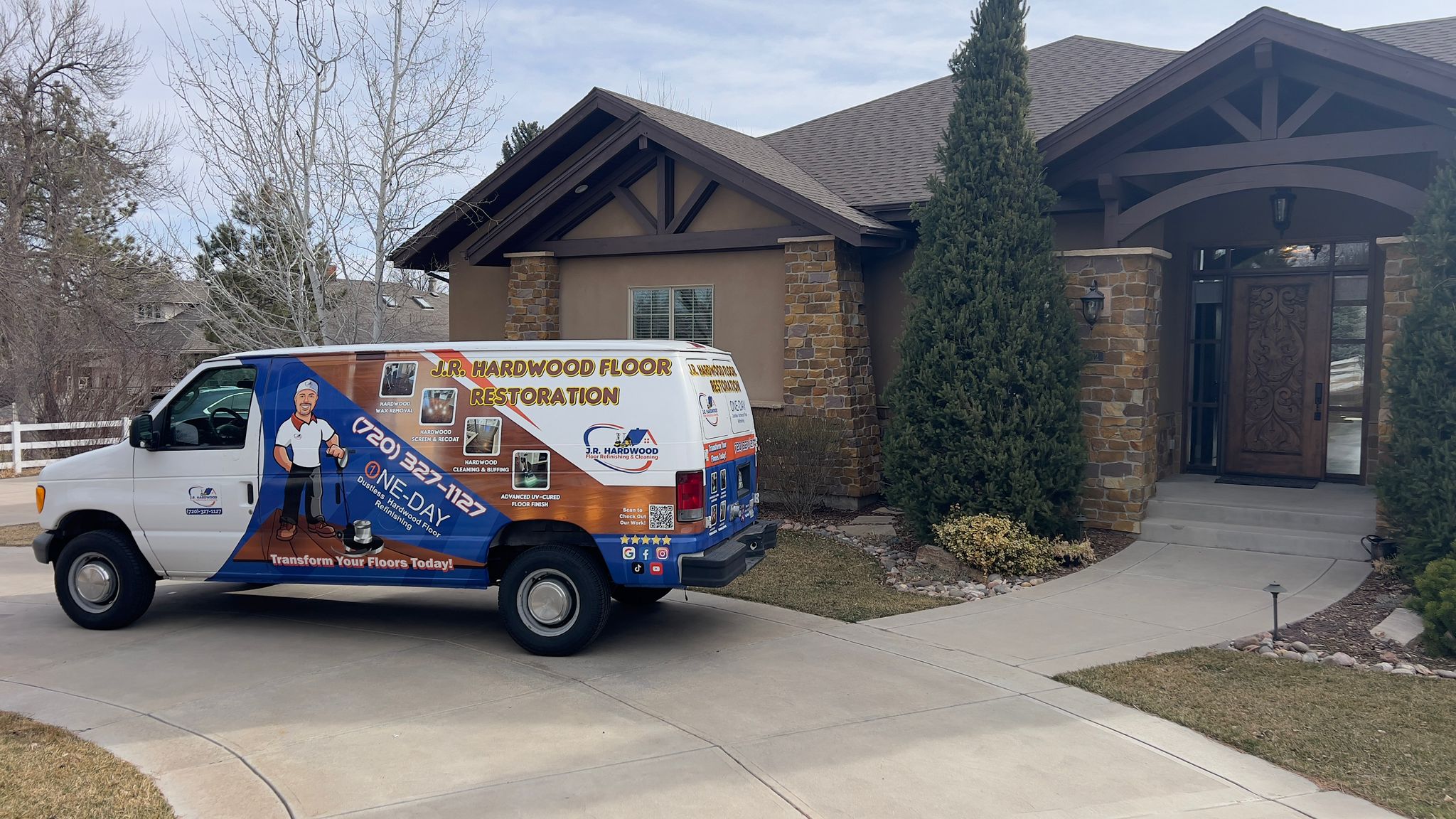
Experience deep cleaning and refinishing solutions designed to remove scratches dirt and wear while using eco-friendly products that protect both your floors and home environment. Whether you need full sanding and restoration screen and recoat or tailored guidance for high-traffic zones our team in Denver Boulder and surrounding Colorado communities delivers lasting results you can see and feel. Start protecting your hardwood floors today by exploring our Uncategorized Archives – J.R. Hardwood Floor Refinishing & Cleaning and schedule your free consultation now.
Frequently Asked Questions
How can I identify the type and finish of my hardwood floors?
Understanding your hardwood floor type and finish is crucial for proper maintenance. Check original flooring documentation, consult installation records, or contact the original manufacturer to determine your floor’s wood species and finish type.
What daily cleaning routines should I follow to protect my hardwood floors?
Daily sweeping and dusting are essential to prevent scratches on hardwood floors. Use a soft-bristled broom or microfiber dust mop every day to remove dirt and debris that can cause damage over time.
What eco-friendly cleaners are safe for hardwood floors?
Select pH-neutral, plant-based cleaners specifically designed for hardwood floors to ensure safety for both the floors and your family. Always check for third-party certifications to confirm the product’s safety and environmental impact.
How should I manage pet traffic to protect my hardwood floors?
To protect your hardwood floors from pet wear and tear, keep pet nails trimmed and use washable entry mats. Regularly clean your pet’s paws before they enter your home to reduce dirt and scratches on the floor.
What are the best mopping techniques for hardwood floors?
Use a barely damp microfiber mop with a cleaner designed for hardwood floors to avoid water damage. Start by sweeping the area, then gently mop in the direction of the wood grain, working in small sections.
How often should I schedule professional maintenance for my hardwood floors?
Plan for professional maintenance based on traffic levels: every 12-18 months for high-traffic areas, every 2-3 years for moderate traffic, and every 3-5 years for low-traffic rooms. Consider having annual checks if you have pets or children to catch potential issues early.