 Skip to content
Hardwood floors add lasting beauty to any room, but keeping them looking pristine can feel like a challenge. Everyday grit, spills, and harsh cleaning products threaten to dull surfaces and shorten floor life. Knowing the right care methods makes all the difference.
This guide gives you practical strategies that protect your floors, preserve their shine, and avoid costly damage. From the importance of regular sweeping to picking eco-friendly cleaners, you’ll learn proven ways to keep your hardwood floors in top condition. Discover the actionable steps that will make your floors look their best for years to come.
Table of Contents
- 1. Sweep And Vacuum Regularly To Prevent Surface Damage
- 2. Use Eco-Friendly Cleaners Designed For Your Floor Type
- 3. Wipe Spills Immediately To Avoid Stains And Warping
- 4. Schedule Professional Floor Cleaning And Buffing
- 5. Consider Dustless Screen And Recoat For Light Wear
- 6. Protect High-Traffic Areas With Rugs And Pads
- 7. Monitor Floor Condition And Plan Timely Maintenance
Quick Summary
| Key Message | Explanation |
|---|---|
| 1. Sweep and vacuum regularly | Daily sweeping removes dirt that can scratch your hardwood floors, protecting their finish and extending longevity. |
| 2. Use eco-friendly cleaners | Select pH-neutral, natural cleaners made for hardwood to avoid damaging finishes and promote healthier air quality. |
| 3. Wipe spills immediately | Quick cleanup of spills prevents staining and warping, preserving both the look and structure of your wood floors. |
| 4. Schedule professional maintenance | Regular professional cleaning and buffing every 12-18 months helps restore shine and extend your floors’ lifespan. |
| 5. Protect high-traffic areas | Use rugs and pads in busy zones to prevent wear and maintain the appearance of your hardwood floors. |
1. Sweep and Vacuum Regularly to Prevent Surface Damage
Protecting your hardwood floors starts with a simple yet powerful routine: regular sweeping and vacuuming. These basic maintenance steps are your first line of defense against surface damage that can dull and deteriorate your floors over time.
When dirt, sand, and grit accumulate on hardwood surfaces, they act like sandpaper every time you walk across the floor. Sweeping floors effectively removes abrasive particles that can scratch and wear down your floor’s protective finish. By spending just a few minutes each day clearing away debris, you can significantly extend the life and beauty of your hardwood flooring.
To protect your floors, use a soft-bristled broom or a microfiber dust mop for daily sweeping. These tools capture dust and small particles without scratching the surface. For deeper cleaning, choose a vacuum with a soft floor attachment specifically designed for hardwood surfaces. Avoid using vacuums with beater bars or hard plastic wheels that could potentially damage your floors.
Pay special attention to high-traffic areas like entryways, hallways, and kitchen spaces where dirt tends to accumulate faster. Place door mats at entrances to reduce the amount of dirt and grit tracked onto your hardwood floors. Consider establishing a no-shoes policy indoors to minimize additional surface wear.
Pro tip: Keep a microfiber dust mop near your entryway and make quick daily sweeping a habit to prevent dirt buildup and protect your floor’s finish.
2. Use Eco-Friendly Cleaners Designed for Your Floor Type
Protecting your hardwood floors goes beyond regular maintenance and requires selecting the right cleaning products that are both effective and environmentally responsible. Not all floor cleaners are created equal, and choosing the wrong product can cause significant damage to your beautiful hardwood surfaces.
Eco-friendly floor cleaners with natural ingredients offer a safer alternative to harsh chemical solutions. These products typically contain plant-derived surfactants and avoid toxic ingredients like bleach and ammonia, which can strip away protective finishes and harm indoor air quality.
When selecting a cleaner, consider your specific floor type. Hardwood floors require gentle, pH-neutral solutions that protect the wood’s natural finish. Look for cleaners specifically formulated for hardwood that contain ingredients like vegetable-based soaps, natural oils, and plant extracts. Avoid products with alcohol, ammonia, or abrasive chemicals that can cause long-term damage.
To make an informed choice, consult resources like the Environmental Working Group’s cleaning product database that rates cleaning products based on their health and environmental impact. These ratings help you identify non-toxic options that are safe for both your floors and your family.
Pro tip: Always test a new cleaning product on a small, inconspicuous area first to ensure compatibility with your specific floor finish.
3. Wipe Spills Immediately to Avoid Stains and Warping
Your hardwood floors are beautiful and delicate surfaces that require immediate attention when accidents happen. One of the most critical aspects of floor maintenance is responding quickly to any liquid spills to prevent long lasting damage.
Prompt cleanup of spills prevents extensive floor damage, protecting both the aesthetic and structural integrity of your hardwood surfaces. Water and other liquids can quickly penetrate wood fibers, causing swelling, warping, and permanent staining if left unaddressed.
When a spill occurs, your first line of defense is speed and the right technique. Grab a clean, soft cloth or paper towel and gently blot the spill. Avoid rubbing, which can spread the liquid and push it deeper into the wood grain. For sticky or stubborn spills, use a slightly damp cloth with a wood friendly cleaning solution, then immediately dry the area with a clean towel.
Different types of spills require slightly different approaches. Wine, coffee, and colored liquids need extra care to prevent permanent staining. Oily substances can leave difficult marks if not cleaned properly. Always keep a dedicated floor cleaning kit near high risk areas like dining rooms and kitchens to ensure you can respond quickly.
Pro tip: Keep a microfiber cloth and wood floor cleaner in an easily accessible drawer or cabinet so you can tackle spills within seconds of them happening.
4. Schedule Professional Floor Cleaning and Buffing
Even with diligent daily maintenance, hardwood floors require professional attention to preserve their beauty and extend their lifespan. Professional cleaning and buffing services offer a deep restoration that goes far beyond your regular home cleaning routine.
Professional floor cleaning services provide specialized treatments that remove ingrained dirt, restore surface shine, and protect your investment. These experts use professional grade equipment and techniques that can safely eliminate years of accumulated grime without damaging your floor’s delicate finish.
Certified floor care professionals understand the nuanced needs of different wood types and finishes. Floor Care Technician (FCT) certified experts are trained to identify specific floor conditions and apply precisely tailored cleaning and buffing techniques. They can assess wear patterns, recommend appropriate treatments, and help prevent future damage through expert maintenance.
Most hardwood floors benefit from professional buffing every 12 to 18 months, depending on traffic and usage. High traffic areas like entryways, kitchens, and hallways might require more frequent professional attention. During a professional buffing service, technicians will clean the floor, address minor scratches, and apply a protective coating that renews the floor’s original luster.
Pro tip: Schedule your professional floor maintenance during slower home traffic seasons like early spring or late fall to minimize disruption and maximize your floor’s restoration potential.
5. Consider Dustless Screen and Recoat for Light Wear
Homeowners with hardwood floors often face a critical decision when surfaces start showing light wear: should you completely refinish or opt for a more targeted approach? Dustless screen and recoat offers an intelligent middle ground for preserving your floor’s appearance and protection.
Dustless screening refreshes floor surfaces by lightly abrading the existing finish without generating massive amounts of dust and debris. This technique involves carefully screening the floor’s surface to create a slightly rough texture that allows new protective coating to adhere perfectly.
The screen and recoat process is ideal for floors with minimal scratches and surface wear. Instead of completely sanding down to bare wood, this method removes just the top layer of finish, then applies a fresh protective coat. This approach saves time, reduces cost, and extends your floor’s lifespan by several years.
Key benefits include minimal disruption to your home environment, faster completion time, and a renewed floor appearance. The dustless technique means no extensive cleanup and reduced risk of airborne particles, making it an environmentally friendly and efficient floor maintenance option.
Pro tip: Schedule a professional assessment to determine if your floor is a good candidate for screen and recoat before committing to a full refinishing project.
6. Protect High-Traffic Areas with Rugs and Pads
Your hardwood floors are beautiful investments that require strategic protection especially in areas where foot traffic creates consistent wear. Area rugs and protective pads serve as critical shields that preserve your floor’s appearance and extend its functional lifespan.
Non-toxic rug pads protect flooring surfaces by creating a protective barrier between heavy furniture, shoes, and delicate hardwood. These specialized pads not only prevent scratching but also absorb impact and reduce direct pressure on your floor’s finish.
Focus on key areas like entryways, hallways, kitchen spaces, and zones near furniture where friction and movement are most intense. Choose rug pads made from natural fibers like jute combined with non slip rubber backing. These materials provide cushioning while remaining breathable and preventing moisture buildup that could damage wood surfaces.
When selecting protective coverings, consider the specific needs of different floor zones. Entryway mats should be absorbent and trap dirt. Runner rugs in hallways need robust backing that prevents sliding. Living room area rugs require padding that distributes weight evenly and minimizes direct contact with the hardwood underneath.
Pro tip: Rotate your area rugs every few months to prevent uneven fading and ensure consistent floor protection across high traffic zones.
7. Monitor Floor Condition and Plan Timely Maintenance
Your hardwood floors are a significant investment that requires consistent attention and proactive care. Monitoring your floor’s condition is not just about addressing problems but preventing them before they become expensive repairs.
Preventative maintenance strategies enable homeowners to systematically track floor health and take action before minor issues escalate. By conducting regular visual inspections and understanding what signs to look for, you can extend your floor’s lifespan and maintain its original beauty.
Create a quarterly maintenance checklist that includes examining high traffic areas for scratches, checking for areas of discoloration, and assessing the overall finish quality. Pay special attention to zones near entryways, under furniture, and in sunlight exposed spaces where wear and damage tend to accumulate most rapidly. Document your findings and track changes over time to establish a clear maintenance history.
Critical warning signs that require immediate professional assessment include deep scratches, separation between wood planks, significant discoloration, and areas where the protective finish appears worn or compromised. These indicators suggest potential structural issues that could worsen if not addressed promptly.
Pro tip: Take quarterly photographs of your floor from consistent angles to create a visual maintenance log that helps track subtle changes over time.
Below is a comprehensive table summarizing effective strategies for maintaining and protecting hardwood floors as discussed within the article.
| Main Action | Description | Key Benefits |
|---|---|---|
| Sweep and vacuum regularly | Regular cleaning prevents dirt accumulation that can damage the floor’s finish. | Prolongs the floor’s aesthetics and durability. |
| Use eco-friendly cleaners | Select pH-neutral and environmentally safe cleaning products suitable for hardwood floors. | Safeguards against chemical damage while respecting indoor air quality. |
| Wipe spills immediately | Address spills quickly to prevent warping and stains. | Maintains both structural integrity and aesthetic value of the floor. |
| Schedule professional care | Periodic professional cleaning and buffing enhances floor maintenance. | Extends the lifespan and restores the floor’s shine. |
| Consider dustless screen and recoat | Apply this technique for lightly worn surfaces to refresh the floor’s top layer. | Cost-effective and minimally intrusive maintenance solution. |
| Utilize rugs and pads | Protect high-traffic zones with area rugs and appropriate padding. | Reduces wear and prevents scratches. |
| Monitor and maintain proactively | Perform regular inspections and keep a record of floor conditions. | Early detection of issues prevents costly repairs. |
Keep Your Hardwood Floors Pristine with Expert Care from J.R. Hardwood
Protecting hardwood floors requires more than just regular sweeping and spot cleaning. The article highlights key challenges such as preventing surface scratches, using eco-friendly cleaners, timely spill removal, and scheduling professional maintenance like dustless screen and recoat to maintain your floor’s beauty and durability. These concerns resonate with homeowners who want lasting protection without the hassle of frequent repairs or unsightly wear.
If you are committed to extending the life of your hardwood floors and maintaining their elegance, J.R. Hardwood Floor Refinishing & Cleaning offers tailored solutions that align perfectly with these best practices. From eco-friendly cleaning and expert buffing to advanced refinishing options that minimize dust and downtime, our skilled team brings craftsmanship and modern technology to every project. Discover how we transform worn surfaces into like-new conditions with care and precision.
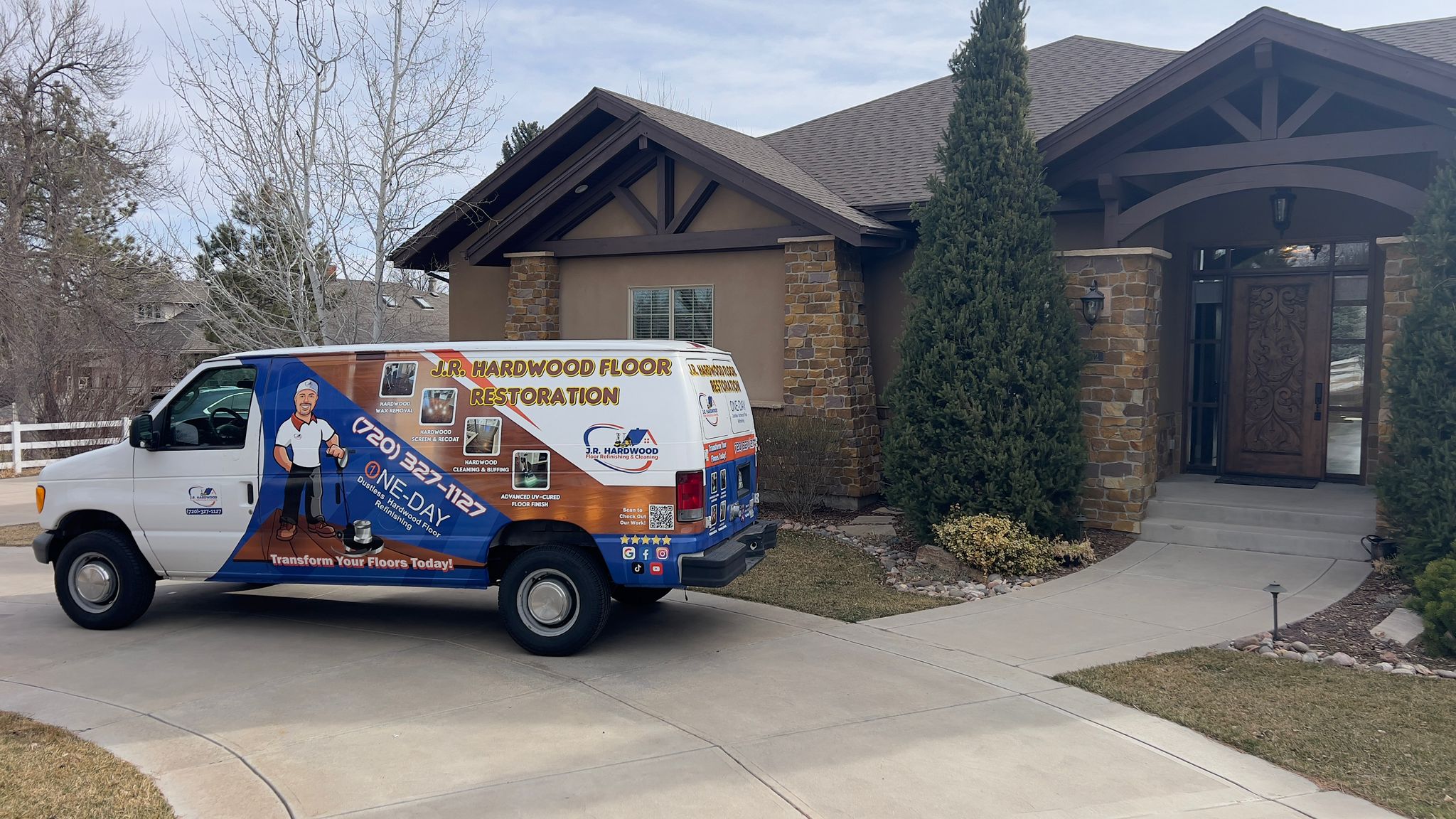
Ready to protect and enhance your hardwood floors today? Visit our Uncategorized Archives – J.R. Hardwood Floor Refinishing & Cleaning to learn more about our comprehensive services. Contact us through our main site at J.R. Hardwood Floor Refinishing & Cleaning for your free quote and personalized guidance. Experience expert results you can trust and floors you will love every day.
Frequently Asked Questions
How can I prevent surface damage to my hardwood floors?
Regularly sweeping and vacuuming is essential to prevent surface damage on hardwood floors. Use a soft-bristled broom or a microfiber dust mop daily to remove dirt and debris that can scratch the surface.
What type of cleaner should I use on my hardwood floors?
Choose eco-friendly cleaners specifically designed for hardwood floors to avoid damaging the finish. Look for pH-neutral solutions that contain natural ingredients, and always test a new product on a small area before applying it across the floor.
How should I handle spills on hardwood floors?
Wipe up spills immediately to prevent stains and warping. Use a clean, soft cloth to gently blot the spill, avoiding rubbing, and make sure to dry the area quickly with a towel after cleaning.
How often should I schedule professional cleaning for my hardwood floors?
Plan professional cleaning and buffing services every 12 to 18 months, depending on foot traffic. High-traffic areas may require more frequent attention to maintain the floor’s appearance and protect its longevity.
What is dustless screen and recoat, and when should I consider it?
Dustless screen and recoat is a maintenance method that lightly abrades the existing finish to prepare for a new protective layer. This option is ideal if your floors show minimal wear and can save time and costs compared to full refinishing.
How can I protect high-traffic areas on my hardwood floors?
Use area rugs and protective pads in high-traffic zones to shield hardwood floors from wear. Select non-toxic rug pads that absorb impact and prevent scratches, and rotate your rugs every few months to ensure even protection.
Recommended
- 7 Essential Steps for an Effective Hardwood Maintenance Checklist
- 7 Essential Hardwood Cleaning Tips for Pet-Friendly Homes
- The Best Hardwood Floor Cleaning Products for a Spotless Finish in Parker
- Hardwood Floor Maintenance Guide for Lasting Beauty
- 7 Essential Roofing Maintenance Tips Every Homeowner Should Know – J. A. Kelly Contracting Services